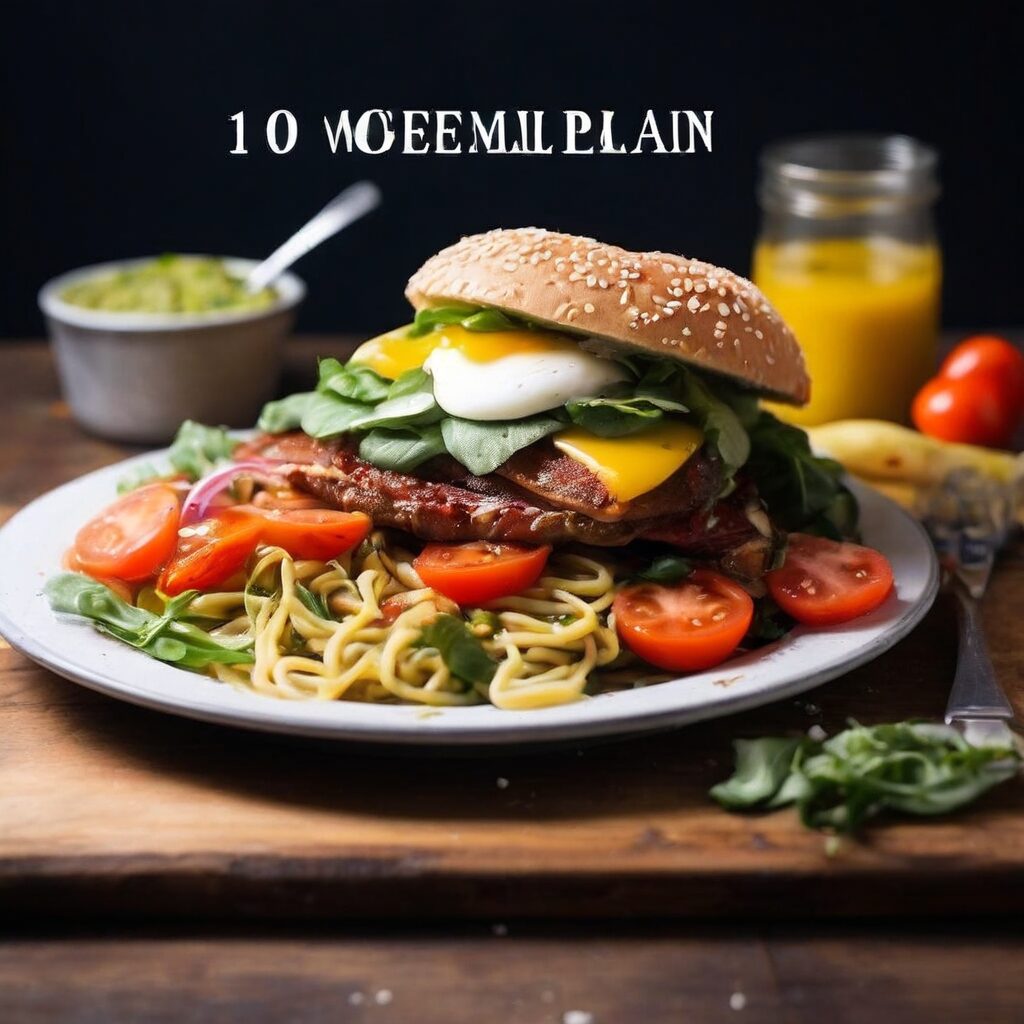
Sticking to a meal plan can be challenging, especially when aiming to meet specific calorie requirements. This 1-week 2,000-calorie meal plan is designed to help you achieve balanced nutrition while maintaining your calorie goals. Whether you’re looking to maintain your weight, build muscle, or simply eat healthier, this meal plan has got you covered.
Why a 2,000-Calorie Meal Plan?
A 2,000-calorie intake is often recommended for the average adult to maintain their current weight. This plan ensures you get a balanced diet with the right proportions of macronutrients: carbohydrates, proteins, and fats, alongside essential vitamins and minerals.
Day 1
Breakfast
- 1 cup oatmeal with 1 tablespoon of honey and a handful of berries
- 1 boiled egg
- 1 cup of black coffee or tea
Lunch
- Grilled chicken salad with mixed greens, cherry tomatoes, cucumbers, and olive oil dressing
- 1 whole-wheat roll
- 1 apple
Dinner
- Grilled salmon with quinoa and steamed broccoli
- 1 cup of mixed fruit salad
Snacks
- 1 handful of almonds
- 1 cup of Greek yogurt
Day 2
Breakfast
- Smoothie with spinach, banana, protein powder, and almond milk
- 1 slice of whole-grain toast with avocado
Lunch
- Turkey and cheese sandwich on whole-grain bread
- 1 small side salad with vinaigrette
- 1 orange
Dinner
- Beef stir-fry with mixed vegetables over brown rice
- 1 cup of mixed berries
Snacks
- Carrot sticks with hummus
- 1 piece of dark chocolate
Day 3
Breakfast
- Greek yogurt parfait with granola and fresh strawberries
- 1 cup of green tea
Lunch
- Quinoa salad with black beans, corn, avocado, and lime dressing
- 1 pear
Dinner
- Baked chicken breast with sweet potatoes and green beans
- 1 cup of mixed fruit salad
Snacks
- 1 cup of cottage cheese with pineapple
- 1 handful of walnuts
Day 4
Breakfast
- Whole-wheat pancakes with maple syrup and blueberries
- 1 cup of black coffee or tea
Lunch
- Spinach and feta wrap with whole-grain wrap
- 1 apple
Dinner
- Shrimp and vegetable skewers with brown rice
- 1 cup of mixed berries
Snacks
- 1 small handful of trail mix
- 1 cup of low-fat milk
Day 5
Breakfast
- 1 cup of oatmeal with banana slices and a sprinkle of cinnamon
- 1 boiled egg
- 1 cup of black coffee or tea
Lunch
- Chicken Caesar salad with whole-wheat croutons
- 1 orange
Dinner
- Grilled pork chops with mashed potatoes and steamed asparagus
- 1 cup of mixed fruit salad
Snacks
- 1 cup of mixed nuts
- 1 cup of Greek yogurt with honey
Day 6
Breakfast
- Smoothie with kale, apple, protein powder, and almond milk
- 1 slice of whole-grain toast with peanut butter
Lunch
- Grilled cheese sandwich with whole-grain bread and tomato soup
- 1 pear
Dinner
- Spaghetti with marinara sauce and turkey meatballs
- 1 cup of mixed berries
Snacks
- Carrot sticks with guacamole
- 1 piece of dark chocolate
Day 7
Breakfast
- Greek yogurt parfait with granola and mixed berries
- 1 cup of green tea
Lunch
- Chicken and avocado wrap with whole-grain wrap
- 1 apple
Dinner
- Grilled steak with roasted vegetables and quinoa
- 1 cup of mixed fruit salad
Snacks
- 1 small handful of almonds
- 1 cup of low-fat milk
Strategic Meal Prepping for a Busy Week
To successfully adhere to a 2,000-calorie diet, consistency is your greatest ally. One of the most effective ways to ensure you do not deviate from your goals is through strategic meal prepping. This goes beyond simply cooking extra portions; it involves a systematic approach to your kitchen that minimizes decision fatigue. Consider the “buffet-style” prep method, where instead of assembling complete meals, you prepare large batches of individual components. For instance, roasting three pounds of chicken breast, steaming two heads of broccoli, and boiling a large pot of quinoa allows you to mix and match throughout the week. This prevents the monotony that often leads to impulsive takeout orders.
When prepping for the 2,000-calorie plan, pay close attention to storage safety. Cooked proteins like the grilled salmon or turkey mentioned in the plan are generally safe in the refrigerator for three to four days. If you are prepping for the entire seven-day cycle, plan to freeze the portions intended for the latter half of the week. Use airtight, BPA-free containers to maintain freshness and prevent cross-contamination. Labeling your containers with the date and estimated calorie count can also help you stay mindful of your intake without needing to recalculate every time you open the fridge.
Another essential prep tip involves “pre-portioning” your snacks. The handful of almonds or walnuts listed in the plan can easily turn into three handfuls if eaten directly from a large bag. By measuring out 1-ounce servings into small reusable silicone bags or jars on Sunday evening, you eliminate the risk of overeating. Similarly, wash and chop your carrot sticks and fruit immediately after grocery shopping. Research shows that people are significantly more likely to choose healthy snacks when they are visible and ready to eat, rather than tucked away in a crisper drawer requiring preparation.
Optimizing Macronutrient Ratios for Specific Goals
While 2,000 calories is a standard baseline, the composition of those calories—the macronutrients—can be adjusted to better serve your specific physical objectives. The existing plan provides a balanced foundation, but you can fine-tune it based on whether you are focusing on muscle hypertrophy, endurance, or metabolic health. For those looking to build muscle, increasing the protein ratio is key. Protein has a higher thermic effect of food (TEF) than fats or carbohydrates, meaning your body burns more energy just processing it. You might choose to double the portion of Greek yogurt or add an extra egg white to your breakfast to hit a higher protein target while staying within the 2,000-calorie limit.
Carbohydrates are the body’s primary fuel source, especially for high-intensity training. If your 2,000-calorie goal is paired with an active lifestyle, such as marathon training or heavy lifting, you may want to prioritize complex carbohydrates like the sweet potatoes and brown rice mentioned in the dinner sections. These provide a steady release of glucose into the bloodstream, preventing the energy crashes associated with simple sugars. Conversely, if you have a more sedentary job, you might find that slightly increasing healthy fats—like adding extra avocado to your wraps—provides longer-lasting satiety, as fats slow down the gastric emptying process.
It is also important to consider the timing of these macronutrients. Consuming a significant portion of your daily carbohydrates around your workout window can improve performance and recovery. For example, eating the apple or banana from the lunch or breakfast menu 30 to 60 minutes before exercise provides readily available energy. Saving the high-protein components, such as the grilled steak or salmon, for your post-workout meal aids in muscle tissue repair. Understanding that not all calories are created equal allows you to manipulate the 2,000-calorie framework to work for your unique physiology.
Cost-Effective Nutrition: Eating Well on a Budget
A common misconception is that following a structured, healthy meal plan like this one is prohibitively expensive. However, with a few tactical adjustments, you can hit your 2,000-calorie target while spending less than you would on processed convenience foods. The key lies in bulk purchasing and seasonal awareness. Grains like quinoa, brown rice, and oatmeal have an incredibly long shelf life and are significantly cheaper when bought in large bags rather than individual pre-seasoned packets. Similarly, buying frozen vegetables like broccoli, green beans, and spinach is often more cost-effective than buying fresh, and since they are flash-frozen at peak ripeness, they retain most of their nutritional value.
Protein is typically the most expensive part of any meal plan. To save money, look for “utility” cuts of meat or buy in bulk and freeze. Chicken thighs are often cheaper than breasts and provide a similar protein profile with slightly more healthy fats. You can also incorporate more plant-based proteins, which are exceptionally budget-friendly. Beans, lentils, and chickpeas—like the black beans in the Day 3 lunch—are cents per serving and provide both protein and fiber. If a recipe calls for a specific fish like salmon and it is out of your budget that week, canned tuna or sardines can serve as an excellent high-protein, omega-3-rich substitute at a fraction of the cost.
Waste reduction is another pillar of budget-friendly eating. Before you go grocery shopping for the week, do an “inventory check” of your pantry. You may already have the honey, olive oil, or spices needed for the dressings and stir-fries. Use leftovers creatively; if you have extra roasted vegetables from Day 7’s dinner, toss them into an omelet the next morning instead of letting them go to waste. By planning your meals around what you already have and focusing on versatile staples, you can maintain a high-quality 2,000-calorie diet without financial strain.
The Science of Satiety: How to Feel Full on 2,000 Calories
One of the biggest hurdles in sticking to a set calorie limit is managing hunger. Feeling constantly deprived is a surefire way to abandon a meal plan. To combat this, focus on the concept of “volume eating.” This involves consuming large quantities of low-calorie-density foods to physically fill your stomach. Vegetables like leafy greens, cucumbers, zucchini, and bell peppers are your best tools here. For example, in the Day 1 grilled chicken salad, you can double or triple the amount of mixed greens without significantly changing the calorie count, but the increased volume will trigger the stretch receptors in your stomach, signaling to your brain that you are full.
Fiber plays a dual role in satiety. Not only does it add bulk to your meals, but it also slows down digestion and the absorption of nutrients. The 1-week plan incorporates several high-fiber foods, such as oatmeal, whole-grain bread, and berries. To maximize this effect, keep the skins on your fruits and vegetables whenever possible. An apple with the skin has significantly more fiber than apple juice or peeled slices. Additionally, ensure you are drinking enough water throughout the day. Thirst is often mistaken for hunger; drinking a glass of water 20 minutes before a meal can help you better gauge your actual hunger levels and prevent overeating.
Protein leverage is another scientific principle to keep in mind. Research suggests that the body has a specific appetite for protein and will continue to feel hungry until that requirement is met. By ensuring every meal in your 2,000-calorie plan—from the boiled egg at breakfast to the turkey meatballs at dinner—contains a solid protein source, you are effectively “turning off” hunger signals more efficiently than if you were eating a carb-heavy diet. If you find yourself hungry between the scheduled meals and snacks, consider adding a low-calorie, high-protein option like a stick of string cheese or a few slices of deli turkey to bridge the gap.
Dining Out and Social Settings: Staying on Track
Life doesn’t stop just because you are following a meal plan, and social obligations often involve eating at restaurants. Navigating these situations while staying within your 2,000-calorie limit requires a proactive strategy. Most chain restaurants provide nutritional information online; checking the menu before you arrive allows you to make a calm, rational decision rather than an impulsive one when you are hungry and surrounded by tempting smells. Look for keywords like “grilled,” “steamed,” “roasted,” or “poached,” and avoid items described as “crispy,” “breaded,” “creamy,” or “sautéed,” as these usually indicate hidden fats and calories.
When the food arrives, remember that restaurant portions are often two to three times the size of a standard serving. A simple trick is to ask the server for a to-go container at the same time your meal is served. Immediately portion out half of the meal to take home for the next day. This not only keeps your current meal within your calorie targets but also provides a pre-made lunch for later. If you are at a social gathering with a buffet, use the “visual plate method”: fill half your plate with vegetables, one-quarter with lean protein, and the remaining quarter with complex carbohydrates. This mirrors the logic of the 1-week plan without needing a kitchen scale.
Alcohol is another factor that can quickly derail a 2,000-calorie day. A single glass of wine or a craft beer can contain 150 to 250 calories, and these are “empty” calories that do not contribute to satiety. If you choose to drink, opt for lower-calorie options like a spirit with soda water and lime, and limit yourself to one serving. Be mindful that alcohol also lowers inhibitions, making it much harder to resist the bread basket or dessert tray. Staying hydrated by alternating every alcoholic beverage with a glass of water can help you stay in control and maintain your progress.
Advanced Ingredient Swaps and Dietary Variations
The beauty of a 2,000-calorie framework is its flexibility. While the provided plan includes a variety of animal proteins and grains, it can easily be adapted for different dietary needs or simply to prevent palate fatigue. If you are following a vegetarian diet, you can replace the chicken, beef, and pork with high-protein plant alternatives. Tempeh and extra-firm tofu are excellent substitutes for stir-fries and salads, offering a similar texture and the ability to absorb flavors. For a dairy-free version, swap the Greek yogurt for a high-protein soy or pea-based yogurt, and use nutritional yeast or cashew-based spreads in place of cheese.
For those with gluten sensitivities, the whole-wheat components can be swapped for gluten-free counterparts. Replace whole-grain bread with sourdough or certified gluten-free loaves, and use tamari instead of soy sauce in the beef stir-fry. Grains like quinoa, buckwheat, and millet are naturally gluten-free and provide excellent nutritional profiles. If you find that you don’t enjoy a particular vegetable, such as broccoli, feel free to swap it for another non-starchy vegetable like asparagus, cauliflower, or Brussels sprouts. The caloric difference is negligible, but the psychological benefit of eating food you actually enjoy is immense.
Seasonality should also dictate your swaps. In the winter, you might prefer warm, roasted root vegetables over the fresh salads suggested for lunch. In the summer, you might swap the oatmeal for overnight oats or a cold smoothie bowl. Experimenting with different herbs and spices is the best way to change the flavor profile of a meal without adding calories. Using smoked paprika, cumin, and lime can give your grilled chicken a Mexican flair, while oregano, garlic, and lemon can shift it toward a Mediterranean profile. This variety ensures that the 1-week plan remains a sustainable lifestyle choice rather than a temporary chore.
Hydration, Electrolytes, and Liquid Nutrition
While the focus of a meal plan is often on solid food, what you drink is equally important to your 2,000-calorie goal. Liquid calories are notoriously deceptive because they do not trigger satiety signals in the same way solid food does. A large flavored latte or a soda can easily contain 300 to 500 calories—nearly 25% of your daily allowance—without making you feel full. To stay on track, prioritize water, unsweetened tea, and black coffee. If you find plain water boring, infuse it with slices of cucumber, mint, or lemon to add flavor without the sugar hit.
Electrolytes are also crucial, particularly if you are active. Sodium, potassium, and magnesium help regulate nerve and muscle function and maintain fluid balance. The 1-week plan naturally provides these through foods like bananas (potassium), spinach (magnesium), and the small amounts of salt used in cooking. However, if you are sweating heavily, you may need to pay extra attention to your electrolyte intake. Instead of sugary sports drinks, consider adding a pinch of sea salt and a squeeze of lemon to your water, or look for sugar-free electrolyte tabs that won’t interfere with your calorie count.
Finally, consider the role of “liquid meals” like the smoothies on Day 2 and Day 6. These are excellent for busy mornings, but they should be consumed mindfully. Because the blender does the work of chewing for you, it is easy to consume a smoothie much faster than a solid meal, which may lead to feeling hungry sooner. To combat this, try “eating” your smoothie with a spoon from a bowl and adding a few crunchy toppings like a sprinkle of the granola or nuts mentioned in the snacks. This slower consumption allows your brain time to register the calories you are taking in, helping you stay satisfied until your next scheduled meal or snack.
FAQ
1. Can I customize the meal plan?
Yes, you can customize the meal plan to suit your dietary preferences and needs. Ensure to keep the calorie count and macronutrient balance in mind.
2. Is this meal plan suitable for weight loss?
This meal plan is designed for maintenance. If you aim to lose weight, you may need to adjust the calorie intake accordingly.
3. Are these meals family-friendly?
Yes, these meals are designed to be nutritious and appealing to various age groups, making them family-friendly.
4. What if I have dietary restrictions?
If you have specific dietary restrictions, consider substituting ingredients with alternatives that fit your diet.
5. How do I track my calories?
You can use various apps and online tools to track your calorie intake and ensure you stay within your daily goal.
Related posts:
 Vegetable-Rich Dinner Ideas
 Healthy Lunch Ideas
 High-Protein Foods That Pack a Serious Nutritional Punch
 Does Calorie Counting Actually Matter for Diabetes and Heart Disease?
 1-Week 3,000-Calorie Meal Plan
 Delicious Ground Chicken Recipes
 Are We Really Too Busy for Breakfast?
 The Game-Changing 50 Percent Rule That Makes Eating Vegetables Effortless