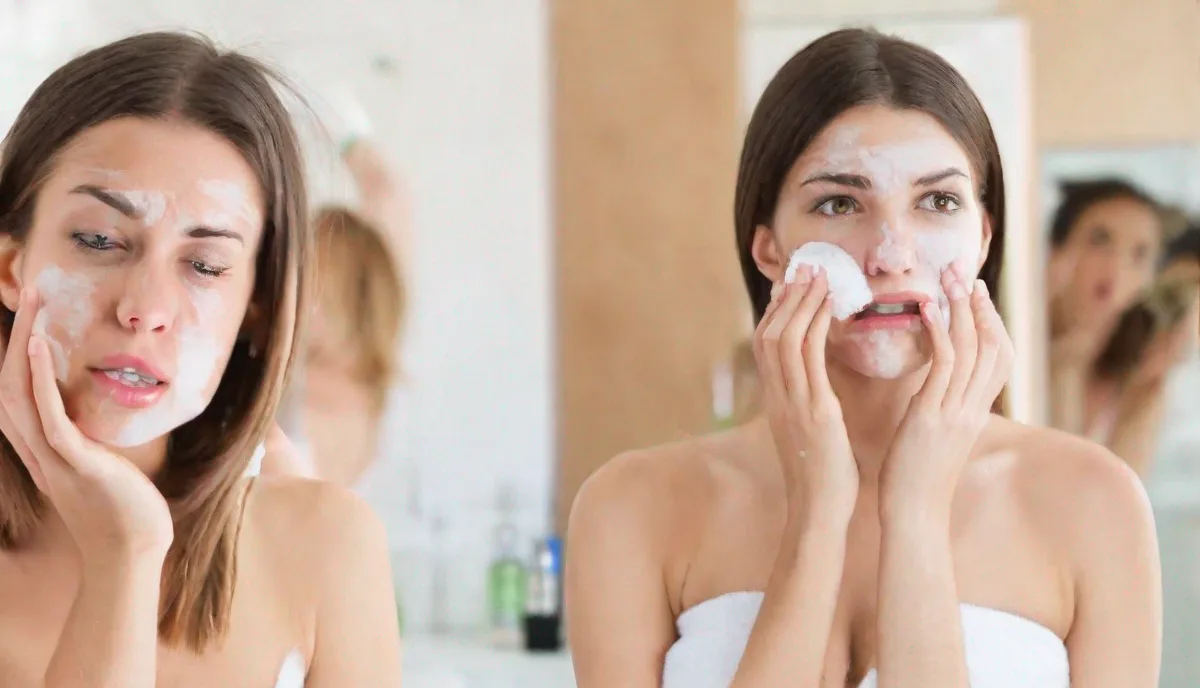
Dealing with acne can be a frustrating experience, especially when a zit pops up right before an important event. While it may be tempting to use harsh chemicals or expensive treatments, there are natural remedies that can help clear up that pesky pimple quickly. In this article, we’ll explore 10 natural ways to make a zit disappear faster, so you can regain your clear, confident skin.
1. Apply Ice to Reduce Inflammation
Ice can be an effective way to reduce redness and swelling. Wrap an ice cube in a clean cloth and hold it against the zit for a few minutes, taking breaks in between to avoid irritating the skin.
2. Use Tea Tree Oil
Tea tree oil has antimicrobial properties that can kill acne-causing bacteria. Dilute a couple of drops in water or a carrier oil and apply it directly to the zit with a cotton swab.
3. Dab on Some Honey
Honey is known for its antibacterial and anti-inflammatory benefits. Dab a small amount of raw honey onto the zit and leave it for about 30 minutes before rinsing off.
4. Try a Clay Mask
Clay masks can help absorb excess oil and remove impurities from the pores. Apply a clay mask to the affected area and let it dry before washing it off.
5. Spot Treat with Lemon Juice
The acidic properties of lemon juice can help to dry out a zit. Apply a small amount of juice to the zit with a cotton swab. Be cautious with this method as lemon juice can make your skin sensitive to sunlight.
6. Use Aloe Vera to Soothe
Aloe vera has soothing and anti-inflammatory properties. Apply fresh aloe vera gel to the zit and leave it on for 20-30 minutes before rinsing.
7. Exfoliate with Baking Soda
Baking soda can help exfoliate the skin and reduce the appearance of zits. Create a paste with baking soda and water, apply it to the zit, and rinse off after a few minutes.
8. Try Apple Cider Vinegar
Apple cider vinegar contains alpha hydroxy acids that help to unclog pores and dissolve dead skin cells. Dilute it with water and apply it to the zit with a cotton swab.
9. Use Green Tea
Green tea is rich in antioxidants and can reduce inflammation. Steep a tea bag in hot water, let it cool, and then apply the tea bag to the zit for several minutes.
10. Keep Your Skin Clean
Maintaining a regular skincare routine is crucial. Gently clean the affected area twice a day with a mild cleanser and avoid picking or squeezing zits.
The Science of Zinc Supplements for Internal Healing
While topical treatments address the surface of a breakout, systemic support can speed up the healing cycle from within. Zinc is a vital trace mineral that plays a significant role in skin health by regulating oil production and reducing inflammation. Studies have shown that oral zinc supplementation can be as effective as some antibiotics for moderate acne without the risk of antibiotic resistance. To leverage this, consider incorporating zinc-rich foods into your diet, such as pumpkin seeds, lentils, and chickpeas. If choosing a supplement, look for zinc gluconate or picolinate, as these forms are highly bioavailable. Always start with a low dose, around 15-30mg daily, and take it with food to prevent the common side effect of nausea. Consistency is key; it often takes 4 to 8 weeks to see significant systemic improvements in skin clarity.
Harnessing Witch Hazel as a Natural Astringent
Witch hazel is a powerful botanical extract that serves as a non-drying alternative to harsh alcohol-based toners. It contains tannins, which are natural plant compounds that act as an astringent, helping to shrink pores and tighten the skin. For an active zit, soak a clean cotton pad in alcohol-free witch hazel and press it against the area for thirty seconds. This action helps to remove excess sebum and debris that may be trapping bacteria inside the follicle. Unlike lemon juice or apple cider vinegar, witch hazel is gentle enough for daily use and maintains the skin’s natural pH balance, making it an excellent bridge between a breakout and a healed complexion.
The Role of Probiotics in Microbiome Regulation
Acne is frequently linked to a gut-skin axis imbalance, where inflammation in the digestive tract manifests as skin eruptions. Introducing high-quality probiotics can help stabilize your internal microbiome, which in turn reduces systemic inflammation. Fermented foods like kimchi, sauerkraut, kefir, and kombucha are excellent natural sources of beneficial bacteria. By fostering a diverse gut environment, you help your body better process nutrients that are essential for skin repair, such as Vitamin A and Omega-3 fatty acids. If you are experiencing persistent, cyclical hormonal acne, a daily probiotic supplement containing strains like Lactobacillus acidophilus may provide the internal support necessary to prevent new zits from forming while existing ones recover.
Strategic Use of Turmeric for Potent Anti-Inflammatory Action
Turmeric contains curcumin, a bioactive compound renowned for its intense anti-inflammatory and antiseptic properties. It is particularly effective for deep, painful cystic acne that resides beneath the surface. To create a targeted mask, mix a half-teaspoon of organic turmeric powder with a small amount of Greek yogurt or manuka honey to create a thick paste. The lactic acid in the yogurt provides gentle exfoliation, while the turmeric works to neutralize the bacteria in the pore. Apply this mixture specifically to the inflamed area for 15 minutes. Note that turmeric can temporarily stain the skin yellow, so it is best used in the evening and removed with a gentle oil-based cleanser to ensure no residue remains.
Botanical Steam Treatments for Pore Decongestion
Facial steaming is an age-old practice that effectively loosens trapped oils and softens the skin, making it easier for natural remedies to penetrate. To maximize the benefits, add dried herbs such as chamomile or lavender to your boiling water. Chamomile is naturally calming, which helps reduce the redness associated with angry pimples, while lavender offers mild antibacterial benefits. Lean over the bowl with a towel draped over your head for no more than 5-7 minutes. This process increases circulation to the face, which accelerates the delivery of oxygen and nutrients to the site of the zit, effectively shortening its lifespan. Always follow up with a cool water rinse to close your pores and lock in moisture.
Optimizing Sleep Hygiene for Faster Skin Recovery
The body performs its most critical repair work during deep sleep, particularly between the hours of 10 PM and 2 AM. During this phase, the body increases blood flow to the skin and produces collagen, both of which are essential for repairing the tissue damage caused by a zit. To optimize this, invest in a silk or satin pillowcase, which creates less friction against the skin compared to cotton and harbors fewer bacteria. Additionally, ensure your pillowcase is changed every few days to avoid re-introducing oils and dirt to your face while you sleep. Elevating your head with an extra pillow can also help reduce fluid retention in the face, which minimizes the morning swelling of an inflamed pimple.
FAQ
Q1: How long does it take for a zit to disappear with natural remedies?
A1: The time it takes for a zit to disappear can vary depending on the individual and the severity of the acne. Natural remedies may show improvement within a few days.
Q2: Can I use multiple natural remedies at the same time?
A2: It’s best to use one remedy at a time to avoid skin irritation and to monitor how your skin responds to each treatment.
Q3: Are natural remedies safe for all skin types?
A3: Most natural remedies are safe, but it’s important to do a patch test first, especially if you have sensitive skin.
Q4: Can I prevent zits from forming?
A4: While you can’t always prevent zits, maintaining a healthy skincare routine and lifestyle can reduce the likelihood of breakouts.
Q5: When should I see a dermatologist?
A5: If you have severe or persistent acne, it’s best to consult with a dermatologist for a personalized treatment plan.
Related posts:
 The Slow Beauty Movement’s Secret Hydration Recipes
 The Best Toners for Acne-Prone Skin That Won’t Strip Your Face
 Liquid Gold: The Surprising Health Benefits of Drinking Aloe Vera Juice
 Five Turmeric Tonic Recipes That Taste Like Liquid Gold
 DIY Natural Acne Treatment
 Golden Summer: Creative Turmeric Recipes to Spice Up Your Season
 Foundation’s Impact on Skin
 K-Beauty’s Secret Weapons for Winning the War Against Acne