
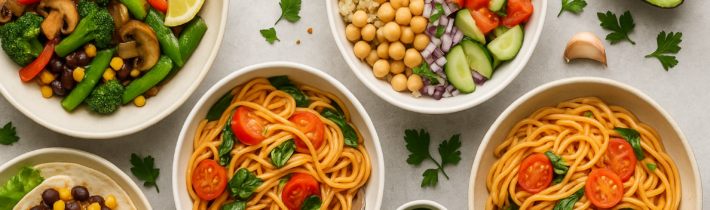
Weeknight dinners don’t have to be complicated or time-consuming, especially when you’re navigating a dairy-free diet. Whether you’re managing lactose intolerance, following a plant-based lifestyle, or simply exploring alternatives, finding quick, satisfying meals can feel challenging. The good news is that dairy-free cooking opens up a world of flavors and cuisines that naturally sidestep dairy altogether, from Asian stir-fries to Mediterranean dishes to Latin American fare.
The key to success with 15-minute dairy-free dinners is strategic planning and smart ingredient choices. By keeping your pantry stocked with versatile basics and learning a few foundational techniques, you can have a complete meal on the table faster than you’d spend waiting for delivery. This article explores practical, genuinely delicious options that work for busy families, solo diners, and anyone who wants to eat well without the stress.
Sheet Pan Teriyaki Salmon with Roasted Vegetables
Sheet pan meals are the ultimate time-saver because everything cooks simultaneously, minimizing cleanup and active cooking time. This teriyaki salmon approach requires just one pan and delivers restaurant-quality results.
Start by preheating your oven to 425°F while you prepare your ingredients. Arrange salmon fillets on a sheet pan lined with parchment paper, then scatter baby bok choy, snap peas, and sliced bell peppers around them. In a small bowl, whisk together 3 tablespoons tamari (a naturally dairy-free soy sauce alternative), 1 tablespoon rice vinegar, 1 teaspoon sesame oil, 1 tablespoon honey or maple syrup, and minced ginger and garlic.
Brush this mixture over the salmon and vegetables, then roast for 12-14 minutes until the salmon flakes easily with a fork. The natural oils in the salmon and the moisture from the vegetables create a cohesive, flavorful dish without any added cream or butter. Finish with a sprinkle of sesame seeds and sliced green onions. Serve with steamed rice or cauliflower rice to round out the meal.
Chickpea Pasta with Garlic Oil and Fresh Herbs
Italian cooking often relies on dairy, but this aglio e olio variation proves that simplicity and quality ingredients shine through. Chickpea pasta offers more protein and fiber than traditional pasta, keeping you satisfied longer.
Bring a pot of salted water to boil and cook your pasta according to package directions, aiming for al dente texture. While the pasta cooks, pour 1/4 cup olive oil into a large skillet and gently warm it over medium heat. Add 6-8 thinly sliced garlic cloves and red pepper flakes, cooking for just 2-3 minutes until fragrant but not browned. Reserve some pasta water before draining.
Toss the cooked pasta into the garlic oil, adding a cup of fresh spinach or kale and a handful of cherry tomatoes. Add pasta water gradually until you reach your desired consistency—the starch in the pasta water creates a silky sauce. Season with sea salt, black pepper, and fresh lemon juice. Top with fresh basil or parsley and nutritional yeast for a cheesy flavor note. This dish comes together in under 15 minutes and proves that dairy-free doesn’t mean flavor-free.
Thai Green Curry with Tofu and Vegetables
Thai cuisine naturally accommodates dairy-free cooking through coconut milk, which provides creaminess and richness. A good quality green curry paste contains garlic, ginger, lemongrass, and chilies—all powerful flavor builders.
Heat 1 tablespoon coconut oil in a large skillet or wok over medium-high heat. Press a block of firm tofu between paper towels to remove excess moisture, then cube it and add to the hot oil, cooking for 3-4 minutes until lightly golden. Remove the tofu temporarily and set aside.
Add 2-3 tablespoons green curry paste to the pan and cook for 1-2 minutes to release its flavors. Pour in 1 can of full-fat coconut milk and 1 cup vegetable broth. Return the tofu to the pan along with snap peas, Thai eggplant if available, and baby corn. Simmer for 8-10 minutes until vegetables are tender-crisp. Season with fish sauce (naturally dairy-free), lime juice, and fresh basil. Serve over jasmine rice for a complete meal that tastes like you spent hours cooking.
Cilantro Lime Chicken with Cauliflower Rice
This Latin-inspired dish combines lean protein with nutrient-dense vegetables for a light yet satisfying meal. The cilantro-lime marinade infuses chicken breast with brightness and prevents it from drying out.
Mix together juice and zest of 2 limes, 1/2 cup fresh cilantro, 3 minced garlic cloves, 1 teaspoon cumin, and 2 tablespoons olive oil in a bowl. Cut chicken breasts horizontally to create thinner cutlets that cook faster, then coat them thoroughly with this marinade. Let them sit for 5 minutes while you heat a cast iron skillet or stainless steel pan over high heat.
Cook the chicken for 5-6 minutes per side until golden and cooked through. While the chicken rests, prepare riced cauliflower by sautéing it in the same pan with lime juice, garlic, and a pinch of salt for 4-5 minutes. Serve the chicken over the cauliflower rice with a side of black beans or with sautéed peppers and onions. Add avocado slices for healthy fat and creaminess.
Lentil Bolognese with Zucchini Noodles
Hearty, satisfying, and packed with plant-based protein, this meat-free bolognese proves that dairy-free and vegetarian cooking can be deeply comforting. Lentils provide substance and earthiness that mimics the richness traditionally supplied by meat and cream.
Heat olive oil in a large saucepan and sauté diced onion, celery, and carrot for 3-4 minutes. Add minced garlic and cook briefly until fragrant, then stir in 1 cup cooked lentils (canned works fine), 1 can crushed tomatoes, 2 tablespoons tomato paste, 1 teaspoon balsamic vinegar, and Italian herbs. Simmer while you prepare the zucchini noodles.
Spiralize fresh zucchini or use a vegetable peeler to create ribbons. Heat a separate skillet and quickly sauté the zucchini noodles for 2-3 minutes with a pinch of salt—don’t overcook or they’ll become mushy. Plate the noodles and top with the lentil bolognese, finishing with fresh basil and a drizzle of olive oil. The result is nutritious, filling, and done in about 14 minutes.
Vietnamese Banh Mi-Inspired Bowl
Banh mi sandwiches traditionally feature pâté and mayonnaise, but this deconstructed bowl version captures the same bright flavors while remaining completely dairy-free. It’s a great way to use rotisserie chicken for convenience.
Start by cooking instant rice or ramen noodles according to package directions and set aside. While they cook, shred store-bought rotisserie chicken and toss it with a mixture of 2 tablespoons soy sauce, 1 tablespoon rice vinegar, 1 teaspoon sesame oil, and minced garlic. Toast a handful of cashews in a dry pan until fragrant, about 2 minutes.
Assemble your bowl with the rice base, warm chicken mixture, quick-pickled vegetables (carrots and daikon radish in rice vinegar), fresh cilantro, crushed peanuts, the toasted cashews, and sliced jalapeños. Drizzle with a simple sauce made from 2 tablespoons soy sauce, 1 tablespoon rice vinegar, 1 teaspoon honey, and minced garlic. This bowl offers contrasting textures and flavors in a cohesive package that comes together in 12-14 minutes.
Mediterranean Chickpea Salad with Crispy Pita
When it’s too hot to cook or you simply want something light, this substantial salad satisfies without requiring any heating. Quality olive oil and fresh ingredients do the heavy lifting here.
Open a can of chickpeas, drain and rinse thoroughly, then toss with diced cucumber, cherry tomatoes, red onion, fresh dill, and parsley. Make a simple dressing with 3 tablespoons olive oil, 1 tablespoon lemon juice, 1 minced garlic clove, and sea salt and pepper. Combine the salad with the dressing and let it sit while you prepare the pita.
Brush whole wheat pita bread with olive oil, sprinkle with dried oregano and salt, then bake at 400°F or toast in a pan for 3-4 minutes until crispy. Break it into pieces and serve alongside the salad, or toss it in for added texture. Add kalamata olives and dairy-free feta (made from cashews or tofu) if available. This meal requires minimal active cooking time and makes excellent leftovers for lunch.
Black Bean and Sweet Potato Tacos
Tacos are infinitely customizable and require minimal cooking time, especially when you use simple fillings that highlight quality ingredients. Black beans and roasted sweet potato create a satisfying, protein-rich base.
Cut sweet potato into thin sticks and toss with cumin, chili powder, garlic powder, and olive oil. Spread on a sheet pan and roast at 425°F for 10-12 minutes until caramelized and tender. Meanwhile, warm a can of black beans with a pinch of cumin and lime juice in a small pot.
Quickly char corn or flour tortillas over a gas flame or in a skillet. Fill each tortilla with warm black beans, roasted sweet potato, shredded cabbage, cilantro, and sliced avocado. Add salsa, hot sauce, or a squeeze of lime juice. Serve with a simple side salad or cilantro-lime rice for a meal that feels like a treat but comes together in 15 minutes or less.
Shrimp Fried Rice with Mixed Vegetables
Fried rice is an excellent vehicle for using up vegetables and leftover cooked rice, though day-old rice works best because it’s drier and less sticky. Shrimp cooks quickly, making this entire meal feasible in a short timeframe.
Heat oil in a large wok or skillet over high heat and add shrimp that’s been patted dry and seasoned with salt and white pepper. Cook for 2-3 minutes per side until pink, then remove and set aside. In the same pan, scramble 2 beaten eggs, then push them to the side and add minced garlic and ginger, cooking for 30 seconds.
Add your cooked rice, breaking up any clumps, then add frozen peas and carrots, diced bell peppers, and green onions. Stir everything together and drizzle with tamari and a splash of sesame oil. Return the shrimp to the pan and toss to combine. Finish with chopped cilantro and a squeeze of fresh lime juice. The entire dish comes together in 12-14 minutes and provides complete nutrition in one bowl.
Building Flavor Without Dairy: Essential Technique Foundations
Dairy traditionally provides richness, binding, and depth to dishes, so understanding how to replace these functions technically is crucial for confident dairy-free cooking. The difference between a bland dairy-free meal and an exceptional one often comes down to technique rather than ingredient substitution. When you lose cream or butter, you’re not just losing fat—you’re losing emulsification, richness, and the ability to round out harsh flavors. Strategic use of acid, salt, fat, and aromatics can replicate these effects without any animal products.
Emulsification is one of the most important concepts to master. In traditional cooking, cream stabilizes sauces and suspends ingredients; in dairy-free cooking, you achieve this through starchy pastas waters, nut butters, or oil-based reductions. When making a sauce from scratch, reserve starchy cooking water before draining pasta or rice—this liquid contains starches that naturally thicken and emulsify without any cream. A quarter cup of reserved pasta water whisked into 3 tablespoons of olive oil with garlic creates a silky coating that rivals any cream sauce, and it happens in under two minutes. Similarly, adding a tablespoon of tahini or almond butter to a curry or soup creates body and richness without dairy; these ingredients contain their own emulsifiers that help distribute fat evenly throughout the dish.
Understanding fat layering also transforms your results. Rather than relying on a single source of dairy fat, dairy-free cooking benefits from multiple fat components working together. A stir-fry might start with coconut oil for its high smoke point, include sesame oil for aromatic richness, and finish with a drizzle of peanut oil for depth. Each fat brings distinct flavor and mouthfeel. In a 15-minute context, this doesn’t mean using three separate pans—it means strategic timing. Heat your primary cooking fat first, cook your main ingredients, then add secondary fats at the end when you can control their exposure to heat. This prevents delicate flavored oils from breaking down while ensuring they still contribute to the final dish.
Acid is your secret weapon for brightness and perceived richness. A squeeze of lemon, lime, or a splash of vinegar at the very end of cooking—added literally in the last 30 seconds—creates a perception of complexity and depth that makes dishes taste more substantial. Dairy tends to mellow and round out flavors, so when you remove it, you need acid to provide that dimension of contrast and liveliness. The difference between a flat curry and a vibrant one is often just a tablespoon of lime juice added at plating. Similarly, finishing with fresh herbs provides textural contrast and aromatic intensity that compensates for the mouthfeel of dairy; the volatile oils in fresh basil, cilantro, or parsley contribute complexity that dried herbs cannot match in a short timeframe.
Umami depth becomes even more important in dairy-free cooking because it provides savory satisfaction traditionally associated with rich, creamy foods. Miso paste, tamari, fish sauce, nutritional yeast, and tomato paste all contain glutamates that trigger umami receptors on your palate, creating a sense of fullness and satisfaction. Rather than stirring a tablespoon of miso into 15 minutes’ worth of cooking time and muddying other flavors, dissolve it in a small amount of hot liquid and add it at the end, or use it as part of a finishing sauce. This concentrated umami punch requires only a teaspoon or two and creates the savory depth that might otherwise come from cheese or cream.
High-Protein Dairy-Free Meals for Sustained Energy
Dairy provides protein in traditional cooking, so replacing it while maintaining adequate protein intake requires intentional ingredient selection. For truly satisfying 15-minute meals that keep you full through the afternoon, you need protein sources that cook quickly and provide complete amino acid profiles or combine complementarily with other ingredients on the plate.
Shrimp and white fish are your fastest animal proteins for dairy-free cooking. Shrimp cooks in 3-4 minutes total, making it ideal for fried rice, stir-fries, and pasta dishes. Because shrimp has minimal connective tissue, there’s almost no risk of overcooking if you stay attentive. Pat shrimp completely dry before cooking to ensure proper browning and flavor development—moisture on the surface creates steam that prevents caramelization. White fish like cod, halibut, or sea bass similarly cooks in 12-15 minutes depending on thickness, and its delicate flavor pairs beautifully with bright acids and bold spices common in dairy-free cuisines. Canned salmon or tuna provides protein without any cooking time; while less exciting than fresh options, they work perfectly in grain bowls, pasta dishes, or composed salads.
Tofu and tempeh deserve more attention than they typically receive in quick-cooking contexts. Firm or extra-firm tofu, when pressed thoroughly to remove excess moisture, crisps beautifully in 3-4 minutes in a hot skillet, creating a textural contrast that makes it satisfying rather than soft and unappetizing. Press tofu between paper towels for at least 5 minutes, or wrap it and place a heavy skillet on top while you prepare other ingredients—this passive pressing happens while you’re actively working on other components. Tempeh, which is made from fermented soybeans, has more texture and nutty flavor than tofu; it also requires less pressing and develops a crispy, appealing surface quickly. Both contain complete proteins and work particularly well in Asian-inspired dishes where their neutral flavor absorbs surrounding seasonings.
Legumes—canned beans, lentils, and chickpeas—provide protein and fiber that keep you satisfied far longer than refined carbohydrates alone. For 15-minute cooking, canned legumes are non-negotiable; dried legumes require hours of cooking. A can of chickpeas, drained and tossed into a salad with olive oil and acid, provides as much protein as a dairy yogurt serving while offering more fiber and micronutrients. Black beans and kidney beans mash slightly when sautéed, creating a creamy texture without any dairy; this works particularly well in tacos, grain bowls, or as a base for quick soups. Lentils, especially red and green varieties, hold their shape during quick cooking and absorb surrounding flavors beautifully. A half-can of lentils tossed into a vegetable stir-fry 3 minutes before serving adds substance and protein while cooking through completely.
Nuts and seeds offer protein plus healthy fats that enhance satiety. Tahini (sesame seed butter) stirred into dressings or drizzled over grain bowls provides creamy richness with 3 grams of protein per tablespoon. Nut butters similarly add protein and fat; almond butter works in both savory applications (thinned with vegetable broth for a sauce) and sweet preparations. Whole nuts—almonds, cashews, walnuts—provide texture and nutrition when toasted and scattered over finished dishes. A quarter cup of toasted nuts adds 5-7 grams of protein to any meal while requiring minimal preparation time. Seeds like hemp, pumpkin, and sunflower seeds offer complete proteins in compact form; sprinkle them on bowls, in salads, or over cooked grains for nutritional density that doesn’t require any cooking or preparation beyond opening a package.
Creating complete proteins from plant sources within 15 minutes is absolutely feasible through thoughtful combination. Pairing beans or lentils with whole grains creates complete amino acid profiles—black beans with brown rice, chickpeas with whole wheat pita, or lentils with quinoa all provide all nine essential amino acids. This combination doesn’t require simultaneous cooking; it requires assembly. Cook grains in bulk ahead of time and portion them into the freezer, then simply reheat while your quick-cooking legume component cooks, and you achieve complete protein in minimal active time.
Spice and Seasoning Strategies for Depth in Minutes
When working without dairy’s ability to mellow and round flavors, strategic use of spices and seasonings becomes paramount. However, spices require time to bloom and release their essential oils—time you don’t have in a 15-minute context. The solution is blooming spices correctly and understanding which seasonings deliver impact immediately versus which require extended contact with heat.
Blooming spices in fat for just 30 seconds to 2 minutes is one of the highest-impact techniques in fast cooking. This brief exposure to heat releases volatile oils that distribute throughout your dish, creating vastly more flavor than simply stirring dry spices into liquid. When making a curry, toast the curry paste in oil or coconut oil before adding liquid; when making a quick stew, briefly warm cumin and coriander in oil before adding other ingredients; when starting a stir-fry, bloom garlic and ginger in the cooking oil for 30 seconds before adding vegetables. This minimal time investment creates exponentially more flavor than adding the same spices at the end or stirring them into a finished dish. The key is monitoring carefully—spices burn quickly and bitterness develops rapidly, so 30-60 seconds is usually ideal. If you’re uncertain, err on the side of shorter times; you can always taste and adjust.
Layering spices at different points in cooking creates complexity that reads as depth. A curry might start with cumin and coriander bloomed in oil, include ginger and garlic added after initial cooking, have curry paste added mid-cooking, and finish with fresh lime juice and cilantro. Each addition happens at a slightly different temperature and timing, preventing any single spice from dominating and creating a more interesting final flavor. For applications with even shorter timeframes, finish-stage spice additions provide bright, fresh impact; freshly grated ginger stirred in literally at plating, fresh cracked black pepper added at the last moment, or a pinch of smoked paprika dusted over a finished dish all provide immediate sensory impact without requiring cooking time.
Understanding which spices and seasonings work in raw applications is crucial for dairy-free quick cooking. Some spices need heat to become palatable—raw cumin seeds taste bitter and harsh—while others shine without cooking. Fresh herbs like cilantro, parsley, and basil taste best when raw or added at the very end; garlic and ginger can be minced raw and stirred in at plating for bright, sharp impact; lemon or lime juice works better added at the last moment than cooked into a dish where it becomes muted. Conversely, dried spices generally require some heat, and onions and bell peppers develop more sweetness and flavor when cooked rather than raw. Building these preferences into your 15-minute meal planning—knowing which components benefit from cooking and which benefit from remaining raw—creates more interesting dishes.
Salt deserves specific attention because it’s the most critical seasoning and the easiest to misjudge. Rather than adding salt at the beginning of cooking, season progressively throughout, tasting as you go. A dish that needs salt should receive it in multiple small additions rather than one large addition at the end; this distributes the salt throughout and prevents any single component from tasting overly salty. For dairy-free cooking specifically, salt becomes even more important because it’s one of the primary ways your palate registers depth and complexity when dairy richness isn’t present. A properly seasoned dairy-free dish tastes more vibrant than an under-seasoned creamy dish; you’re not replacing flavor, you’re replacing the sensation that cream provides while ensuring all other flavors are clearly perceptible. This means your dairy-free meal likely needs slightly more salt than its dairy-containing counterpart, though this varies by individual taste preferences.
Strategic Ingredient Substitutions for Common Dairy Components
Understanding what each dairy ingredient does in a dish—not just its flavor—allows you to make substitutions that maintain the dish’s integrity rather than simply removing dairy and hoping for the best. Different dairy products serve different functions, and knowing which function you’re replacing determines which substitute works best.
Butter’s role varies by application. As a cooking fat, olive oil, coconut oil, or any neutral oil serves the same function—the choice depends on flavor profile and smoke point. For high-heat cooking (stir-fries, searing), coconut oil and refined neutral oils work better than olive oil because they have higher smoke points. For medium-heat cooking and flavor contribution, olive oil excels. For richness in baked goods or finishing dishes, coconut oil or nut butters replace butter’s fat content, though coconut oil brings distinctive coconut flavor that may or may not be desired. Understanding these distinctions prevents substitution mistakes—replacing butter with olive oil in a cookie recipe produces an entirely different texture, while replacing butter with coconut oil maintains more similarity. In savory quick cooking, this distinction matters less because you’re primarily replacing fat’s functional role rather than its contribution to texture.
Milk functions primarily as a liquid that adds slight richness and helps hydrate dishes. For quick cooking without dairy, full-fat canned coconut milk, oat milk, or cashew milk substitute directly in most applications. Coconut milk is particularly valuable for curries and Asian-inspired dishes where its flavor complements other ingredients; oat milk works well in soups and sauces where a subtle, neutral richness is desired; cashew milk brings creaminess and subtle nuttiness that works in Italian-style sauces or drizzled over grain bowls. For simply adding liquid to a dish without particular need for richness, vegetable broth or water works perfectly, though you’ll lose slight richness. The substitution ratio is typically one-to-one: replace one cup of milk with one cup of any dairy-free milk product, though you may need to adjust other seasonings as some milk alternatives taste slightly sweet.
Cream represents richness, emulsification, and often finishing luxury. In quick cooking without dairy, full-fat canned coconut milk serves as the closest substitute because its fat content and emulsifying properties most closely mirror cream. A tablespoon or two stirred into a finished curry or soup provides similar richness. For applications where coconut flavor is unwanted, cashew cream—blended raw cashews with water and salt—provides pure richness, though this requires a blender and advance preparation unsuitable for true 15-minute cooking. Instead, oat cream (from a carton) provides neutral creaminess; nut butters thinned with broth provide richness plus body; starchy pasta or rice water provides subtle richness through emulsification. Understanding that you’re replacing an emulsifier and richness provider rather than a specific flavor opens up multiple options depending on your context and what you have available.
Cheese serves multiple roles: richness, saltiness, umami depth, and textural crunch depending on cheese type. In quick cooking without dairy, the best substitutes depend on which role cheese plays. For umami and saltiness, nutritional yeast provides umami depth and slightly cheesy flavor; miso paste provides umami plus saltiness; tamari-marinated nuts provide saltiness plus texture. For richness, coconut milk or nut butters serve this function. For textural crunch, toasted nuts, seeds, or crispy breadcrumbs replace cheese’s structural role. For a dish where cheese contributes multiple functions—like a pasta where parmesan provides saltiness, umami, and texture—you likely need multiple substitutes: nutritional yeast for umami and saltiness, a drizzle of olive oil or nut butter for richness, and toasted breadcrumbs or nuts for texture. This multi-component approach acknowledges that cheese isn’t a single-function ingredient and requires thoughtful replacement rather than one-to-one substitution.
Batch-Cooking Components for Faster Assembly
The mathematical reality of 15-minute meals becomes much more achievable when you batch-cook components ahead of time. Rather than cooking entire meals from raw ingredients on busy weeknights, strategic advance preparation means weeknight assembly takes only 5-10 minutes of active work, with the final dish hitting the table in 15 minutes including reheating and plating.
Cooked grains are the single most valuable batch-cooked component because they store well, reheat quickly, and form the base for innumerable bowls and composed plates. Brown rice, quinoa, farro, and barley all cook in 40-50 minutes using the absorption method, then store for 4-5 days refrigerated or up to three months frozen. Portion them into glass containers or portion-controlled freezer bags immediately after cooking while still warm; they cool faster in thinner layers and reheat more evenly. On a busy weeknight, scoop a portion of frozen rice into a small skillet over medium heat with a splash of water or broth, and it reheats to fresh in 3-4 minutes. This component forms the foundation for at least half of the 15-minute meals you’ll prepare; the proteins, vegetables, and sauces you add on top determine the final flavor profile.
Pre-cooked proteins similarly reduce active cooking time dramatically. A batch of baked tofu cubes lasts 5 days refrigerated and can be added to any meal requiring only gentle reheating or even served cold in salads. Bake pressed tofu tossed with tamari and sesame oil at 400°F for 25 minutes, stirring halfway through; the pieces develop caramelized edges and absorb seasoning. Similarly, poached shrimp stores for 3-4 days and can be added to grain bowls, tossed with pasta, or served cold in salads without any additional cooking. Chickpeas and black beans, once opened from a can, store for 3-4 days and can be warmed simply or used cold. Some cooks batch-cook chicken breasts by poaching them in broth, then shredding and storing in containers; the broth itself becomes a flavorful base for quick sauces.
Chopped aromatics stored in small containers reduce prep time significantly. Mince garlic and ginger in bulk, storing each in a separate small jar with enough oil to prevent oxidation; these keep for 2-3 weeks and are ready the moment you need them. Slice onions and bell peppers, storing them in separate containers; they last 4-5 days and can be sautéed in minutes. Pre-spiralized or pre-cut vegetables from quality grocers save time despite higher cost; if budget allows, these are worthwhile investments for busy weeks. The time saved on prep—literally minutes reduced to seconds—directly translates to more reasonable 15-minute meal timelines.
Sauces and dressings prepared in advance mean you’re only assembling components at meal time. A batch of simple vinaigrette lasts two weeks and works with nearly any composition. Thai-inspired peanut sauce, tahini-based dressing, or lime-cilantro vinaigrette all prepare in 5 minutes, store for a week refrigerated, and instantly transform simple components into coherent meals. Some cooks prepare multiple sauce bases simultaneously—perhaps a basic Italian herb oil, an Asian soy-ginger sauce, and a Mexican cilantro-lime combination—and choose their meal direction based on which sauce they pair with available components. This approach means your 15-minute meal timeline includes little more than reheating a grain, adding a pre-cooked protein, tossing in prepared vegetables, and dressing the bowl.
Troubleshooting Common Dairy-Free Quick-Cooking Challenges
Even with solid technique and ingredient knowledge, certain predictable problems emerge in dairy-free quick cooking. Understanding why these problems occur and having solutions ready makes the difference between consistent success and frustrating failures.
Oily, separated sauces commonly occur in dairy-free cooking when fat-based sauces haven’t been properly emulsified. This happens most often with olive oil-based preparations where the oil hasn’t bonded with other components. The solution is either adding an emulsifier—even a teaspoon of cornstarch dissolved in a tablespoon of water whisked in while simmering—or reducing heat and whisking the sauce constantly while adding liquid very slowly, allowing each addition to incorporate before adding more. Prevention involves understanding that oil and water naturally separate; when you’re creating a sauce from primarily fat and acid, you need either a binding agent (starch, nut butter, miso) or heat and agitation to hold them together. Adding liquid in tiny amounts while whisking continuously forces the oil into tiny droplets suspended in the other ingredients rather than separating into a distinct layer.
Bland-tasting dishes result from underestimating how much seasoning dairy-free meals need and how late to add acid and fresh components. If a dish tastes flat, the solution is rarely adding more salt (though sometimes that helps); more often, the dish needs acid, fresh herbs, or a finishing fat to come alive. A curry that seems underwhelming often just needs a squeeze of lime juice and a handful of fresh cilantro. A grain bowl that seems dull might simply need a sprinkle of toasted nuts and a splash of vinegar. Building the habit of tasting immediately before serving and asking what the dish needs—brightness, richness, texture, salt—prevents disappointment. Adding these elements at plating rather than during cooking also preserves their impact; toasted nuts stay crispy, fresh herbs maintain bright flavor, and acid provides sharp contrast rather than becoming muted through cooking time.
Watery dishes happen when vegetables release excess moisture during cooking, diluting sauces. This is particularly common in stir-fries where vegetables are crowded in a pan and steam rather than sauté. Prevention involves patting vegetables dry before cooking, ensuring adequate pan space so items sauté rather than steam, and cooking vegetables at sufficient heat that moisture evaporates rather than accumulating. If a dish has already become watery, solutions include removing vegetables temporarily to cook down liquid, increasing heat to evaporate excess moisture, or whisking in a slurry (cornstarch dissolved in cold water) to thicken without diluting further. Building these solutions into your mental toolkit prevents wasted ingredients and disappointing meals.
Tofu that’s mushy rather than crispy results from insufficient pressing before cooking or from crowding the pan during cooking. Firm tofu pressed for a full 5-10 minutes, then cooked in a single layer at high heat without moving constantly, develops a golden, crispy exterior within 5-7 minutes per side. If your tofu emerges pale and soft, you’ve either not pressed adequately, cooked at insufficient heat, or moved it around too much, preventing surface contact with heat. Learning this specific technique prevents one of the most common dairy-free cooking frustrations and opens up tofu as a viable quick-cooking protein.
Frequently Asked Questions
What are the best dairy-free substitutes for cream in 15-minute cooking?
Coconut milk, cashew cream, and oat cream are your fastest options for adding richness to dishes within a tight time frame. Full-fat canned coconut milk works immediately without any preparation. For cashew cream, you’d need a blender and soaking time, which isn’t practical for 15-minute meals. Oat cream from a carton is convenient and works well in curries, pastas, and soups. Quality olive oil also creates silkiness through emulsification, as demonstrated in garlic oil pasta dishes.
How can I make sure I’m getting enough nutrition in quick dairy-free meals?
Focus on including a protein source (legumes, tofu, tempeh, fish, poultry), plenty of vegetables for vitamins and minerals, a whole grain or starchy component for sustained energy, and a healthy fat source like nuts, seeds, avocado, or oil. The meals outlined above follow this framework, ensuring you’re receiving macronutrient balance and micronutrient density even when cooking quickly. Batch-cooking grains and proteins ahead of time also supports faster weeknight assembly.
Are there specific pantry items that make dairy-free 15-minute cooking easier?
Essential items include quality olive oil, tamari or coconut aminos, sesame oil, canned coconut milk, various vinegars (rice, balsamic, apple cider), canned beans and lentils, frozen vegetables, garlic, ginger, and a variety of spices and dried herbs. Pre-minced garlic and ginger in jars save time. Keeping cooked grains in your freezer and having rotisserie chicken available reduces active cooking time significantly. Shelf-stable items like nuts, seeds, and nutritional yeast add nutrition and flavor without requiring refrigeration.
Can I make these meals ahead and reheat them?
Most of these dishes store well and reheat successfully. Sheet pan meals, curries, and bolognese actually taste better the next day as flavors meld. Fried rice and grain bowls pack well for lunch. The main exceptions are salads and dishes with crispy elements like the pita chips, which are best assembled fresh. Store components separately when possible—keep dressing separate from salads and crispy elements separate from soft components—to maintain texture and freshness.
What about dining out dairy-free when I don’t have time to cook?
Most cuisines offer naturally dairy-free options if you know what to request. Asian restaurants can provide vegetable stir-fries, rice bowls, and noodle dishes without fish sauce (request it separately if you eat it). Mediterranean restaurants naturally offer olive oil-based dishes. Mexican restaurants provide bean and vegetable options. Always communicate your dietary needs clearly and ask about hidden dairy in sauces, dressings, and broths. Many restaurants are accommodating once they understand your needs, and having reliable options reduces the pressure to cook every single night.
Related posts:
 The Coconut Pudding That Tastes Like Dessert But Isn’t
 Keto Mexican Night: Cauliflower Enchiladas That Actually Taste Amazing
 Candice Kumai’s Healthy Turmeric Fried Rice Recipe
 Delicious Ground Chicken Recipes
 High-Protein Foods That Pack a Serious Nutritional Punch
 Vegetable-Rich Dinner Ideas
 Perfect Somen Noodles Recipe
 Beyond Breakfast: The Plant-Based Sausage That’s Changing the Morning Game