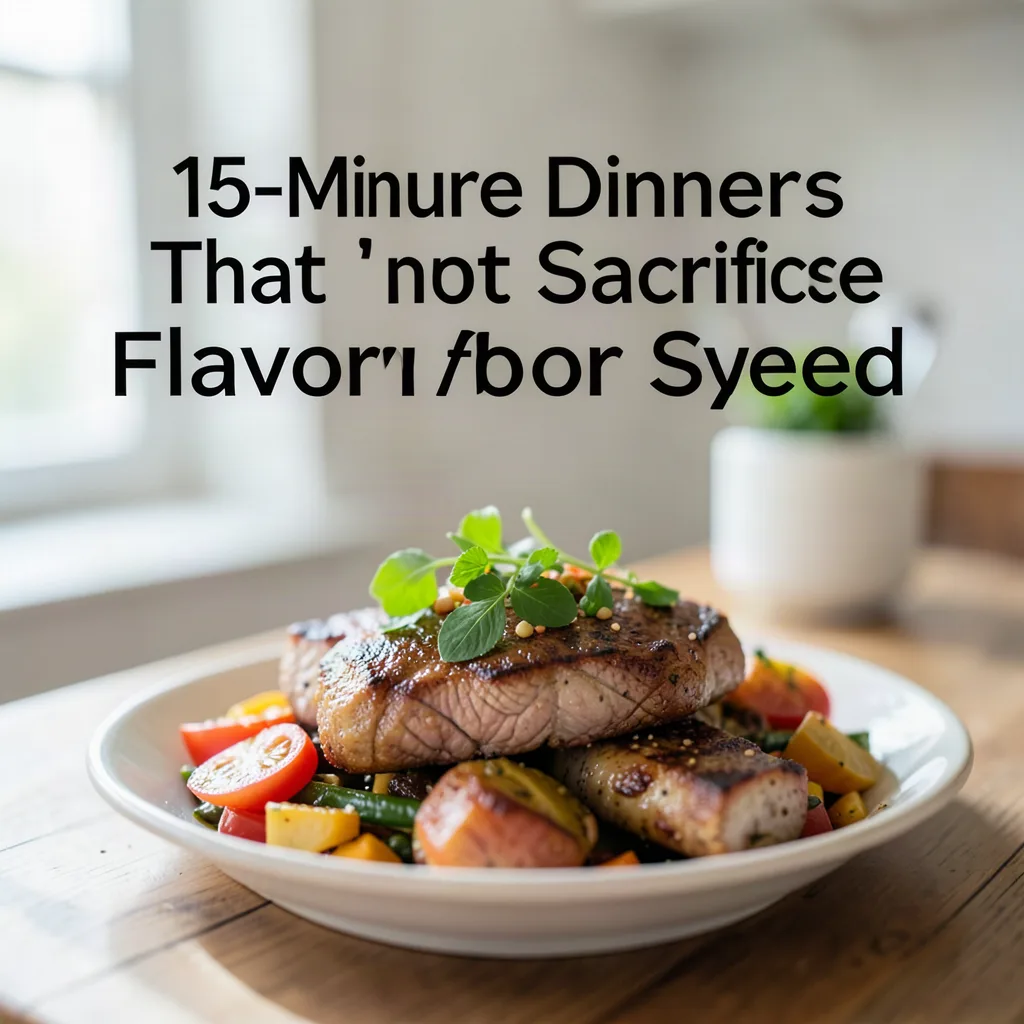
Busy evenings often leave us yearning for a hot meal that respects both our time and taste buds. The myth that speed must come at the expense of flavor can be shattered with a handful of strategic shortcuts and a willingness to rethink how we approach dinner preparation. This article walks through practical, repeatable methods that turn a 15‑minute window into an opportunity to enjoy richly layered, nutritious dishes without the stress of a marathon cook session. By the end you’ll have a toolbox of techniques, ingredient swaps, and batch strategies that make quick meals feel intentional and satisfying.
Mastering the 15‑Minute Mindset
The first step is mental. When the clock starts ticking, the way we organize our kitchen and our thoughts can shave minutes off prep and cooking. Begin by grouping all ingredients for a single dish before you start cutting. Keep a small “speed kit” on the counter: a sharp knife, a cutting board, a measuring spoon set, and a timer. Use the timer to remind yourself when to turn vegetables, when to add sauce, or when to check protein doneness. This disciplined approach prevents wandering around the stove, hunting for missing items, which can easily eat ten precious minutes.
Another mindset trick is to accept that perfection isn’t required in the first 15 minutes. A slightly under‑cooked pasta will finish in the sauce’s residual heat; a pan that looks a touch dry can be rescued with a splash of broth. Focus on achieving three core qualities: flavor, texture, and visual appeal. Even a modest amount of garlic, a pinch of smoked paprika, or a drizzle of high‑quality olive oil can elevate the perception of a dish dramatically. When you trust that these basics are in place, you can move quickly without second‑guessing every step.
Smart Ingredient Swaps That Boost Flavor Instantly
Flavor is the fastest way to make a dish feel gourmet, and a few well‑chosen substitutions can transform a routine meal into something memorable. Replace generic onion powder with freshly minced shallots for a sweeter, more complex base. Swap plain chicken broth for a splash of fish sauce or soy sauce to introduce umami without extra salt. A handful of frozen herbs like basil or cilantro can be tossed into a skillet late in cooking to preserve brightness, eliminating the need to chop fresh herbs right before service.
Consider using pantry staples as flavor amplifiers. A dash of Worcestershire sauce works wonders in beef or pork dishes. Toasted cumin or coriander adds depth to vegetable stir‑fries without requiring extra cooking time. When you keep a small spice drawer stocked with high‑quality powders, you can adjust seasoning on the fly, ensuring each bite hits the right note. These swaps keep the pantry minimal while maximizing taste, a crucial advantage when minutes are scarce.
One‑Pan Wonders: Minimal Cleanup, Maximum Taste
One‑pan meals are the backbone of speedy cooking because they reduce the number of utensils, lower cleanup time, and keep flavor concentrated. Start with a protein like chicken thighs, pork tenderloin, or firm tofu. Season generously with salt, pepper, and a spice blend. Toss into a hot pan with a splash of oil and cook until golden, then set aside. Add vegetables like broccoli florets, sliced bell peppers, and cherry tomatoes. If they need a minute more, deglaze the pan with a splash of wine or broth, scrape up any browned bits, and pour back over the protein and veg.
For a complete dish, finish with a quick sauce: a mixture of Dijon mustard, honey, and soy sauce for chicken; a balsamic reduction for beef; or a simple soy‑ginger glaze for tofu. Serve directly from the pan onto plates or a serving platter. The visual of everything cooked together creates an appealing presentation, and the cleanup is limited to one pan and one lid. This method also ensures even heat distribution, preventing dry spots and overcooked edges.
Quick Pasta Hacks That Skip the Boiling Time
Pasta often feels like a time sink, but there are ways to get a plate on the table in under 15 minutes without sacrificing texture. Opt for ultra‑fast‑cooking shapes like thin spaghetti, angel hair, or even rice noodles. If you’re using regular pasta, choose the smallest size – vermicelli or perciatelli cook faster and absorb sauce quickly. Boil water in a large pot while you prep the sauce; once water boils, add pasta and set a timer for 2‑3 minutes, depending on the shape.
While pasta cooks, build a sauce in the same pot or a separate skillet. A simple garlic‑olive oil base works: sauté minced garlic in olive oil until fragrant, add a can of crushed tomatoes, a pinch of red pepper flakes, salt, and a handful of fresh basil. Let it simmer for 3–4 minutes. When pasta is al dente, drain and immediately toss with sauce, adding a splash of pasta water to help the flavors meld. Finish with grated Parmesan and a drizzle of extra‑virgin olive oil for shine. This method keeps noodles tender, sauce glossy, and the whole process under 15 minutes.
Stir‑Fry Strategies for Lightning Speed
Stir‑frying is ideal for speed because everything cooks simultaneously in a hot pan. The secret is pre‑cutting all vegetables and proteins into uniform bite‑size pieces. Uniform size ensures even cooking, which reduces the need to move items around excessively. Keep a high‑heat stove setting ready, but don’t overload the pan – a crowded wok leads to steaming rather than searing, extending cooking time.
Prepare a quick sauce while the proteins sear. A classic Asian-inspired sauce blends soy sauce, honey, rice vinegar, grated ginger, and a touch of chili sauce. Whisk together in a small bowl before adding to the pan. Once proteins are cooked, remove them and set aside. In the same oil, add aromatics: minced garlic, sliced ginger, and diced carrots. After a minute, add the remaining vegetables, stirring constantly for 2‑3 minutes until crisp‑tender. Return the protein, pour the sauce, and toss until everything is lightly coated. Serve over cooked rice or noodles for a complete meal. The entire process can be done in 12–14 minutes.
When Convenience Meets Nutrition: Balanced Plate Building
Speed meals don’t have to be empty calories. A balanced plate includes lean protein, complex carbohydrates, and a rainbow of vegetables. For protein, choose options that cook quickly: ground turkey, chicken breast strips, canned beans, or tofu. Complex carbs can be pre‑cooked rice, quinoa, or sweet potato cubes that microwave in 3‑4 minutes. Vegetables should be colorful and nutrient‑dense: spinach, kale, bell peppers, zucchini, and carrots.
Build each plate by portioning roughly half vegetables, a quarter protein, and a quarter carbs. Use herbs, spices, and healthy fats like avocado or olive oil to enhance satiety and flavor. A quick tip: keep a bag of frozen mixed vegetables in the freezer. They can be tossed directly into a hot pan with a splash of oil and cooked in under 5 minutes, preserving most nutrients. By focusing on proportion and color, you ensure the meal is both fast and nutritionally robust.
Batch Prep Basics: Ready‑to‑Eat Components
Even on the busiest nights, a little forward planning can save minutes. Batch prep involves cooking larger quantities of versatile components on a weekend or after work, then storing them in portion‑sized containers. Cook a big batch of grilled chicken breast, bake several sweet potato wedges, and steam a container of mixed veggies. These components can be recombined in minutes: toss sweet potatoes with olive oil and spices, roast while chicken rests, and finish with a quick stir‑fry of veggies and sauce.
Storage matters: use airtight containers that stack well. Label them with date and contents. Cooked proteins stay good for up of four days in the fridge; roasted vegetables hold up similarly. When you have ready‑to‑use elements, the only active cooking required is reheating or assembling. This approach also reduces decision fatigue, as the answer to “what’s for dinner?” is already present in your freezer or fridge.
Troubleshooting Common Speed Cooking Issues
Even with perfect prep, things can go awry in a fast‑paced kitchen. Dry chicken is a frequent complaint. To avoid it, baste the meat with butter, oil, or sauce halfway through cooking, or finish the chicken in a covered pan with a splash of broth. Overcooked vegetables lose color and texture. To prevent this, add them to the pan just before the protein is done, or use a quick blast in the microwave before tossing into the skillet.
Flavor gaps can happen when a dish feels flat. A quick fix is to add a pinch of monosodium glutamate (MSG) or a splash of anchovy paste, both of which dissolve instantly and boost umami. If a sauce becomes too thick, dilute with a bit of warm water or broth. If too thin, simmer for a minute or add a cornstarch slurry (cornstarch mixed with cold water) to thicken. By anticipating these issues and having simple remedies on hand, you keep the cooking process smooth and the final plate enjoyable.
Frequently Asked Questions
Q: Can I really make a nutritious dinner in under 15 minutes without frozen ingredients?
A: Yes. Fresh vegetables like bell peppers, zucchini, and spinach can be quickly sautéed in a hot pan for 3‑4 minutes. Pair with pre‑seasoned protein such as rotisserie chicken and a small pot of instant brown rice, which cooks in about 5 minutes. This combination uses mostly fresh items and stays well under the time limit.
Q: How do I keep meals interesting without spending hours brainstorming?
A: Create a simple rotation of 5‑6 core recipes that use overlapping ingredient lists. For example, a one‑pan chicken recipe can be adapted by swapping spices for different flavors. Keep a spice drawer with at least ten bases (garlic, onion, paprika, cumin, etc.) and a handful of sauces (soy, lemon‑herb, mustard). Mixing and matching these yields dozens of unique dinners quickly.
Q: Are 15‑minute meals suitable for weight management or athletic performance?
A: Absolutely. Focus on balanced macros: lean protein, complex carbs, healthy fats, and fiber. Portion sizes matter more than speed. Use measured containers for protein (about palm‑size) and carbs (fist‑size). Adding a variety of vegetables fills the plate with volume and nutrients while keeping calories controlled. Quick meals can support any health goal when planned thoughtfully.
Q: What’s the best way to reheat leftover components without making them soggy?
A: For proteins and veggies, a quick toss in a hot skillet with a splash of oil revives texture in under 2 minutes. For grains, a splash of water and a cover in a microwave for 1–2 minutes works well. Avoid over‑microwaving, which can dry out foods. If you prefer oven‑reheating, set the temperature to 350 °F and heat for 5‑6 minutes.
Q: How can I involve kids in 15‑minute dinner prep safely?
A: Assign age‑appropriate tasks: washing produce, stirring sauce, setting the table, or measuring ingredients. Use kid‑safe tools like plastic knives and measuring cups. Let them choose between two vegetable options, giving a sense of control. Involving them speeds up the process because tasks are divided, and it creates positive cooking habits early on.
Related posts:
 One Pan Wonder: The Fried Rice Recipe That Will Change Your Meal Prep Game
 Delicious Ground Chicken Recipes
 Food Experts Share Their Go-To Healthy Dinner Ideas for Busy Nights
 High-Protein Foods That Pack a Serious Nutritional Punch
 Vegetable-Rich Dinner Ideas
 Magic Avocado Sauce Recipe
 Beyond Breakfast: The Plant-Based Sausage That’s Changing the Morning Game
 15-Minute Dairy-Free Dinner Ideas