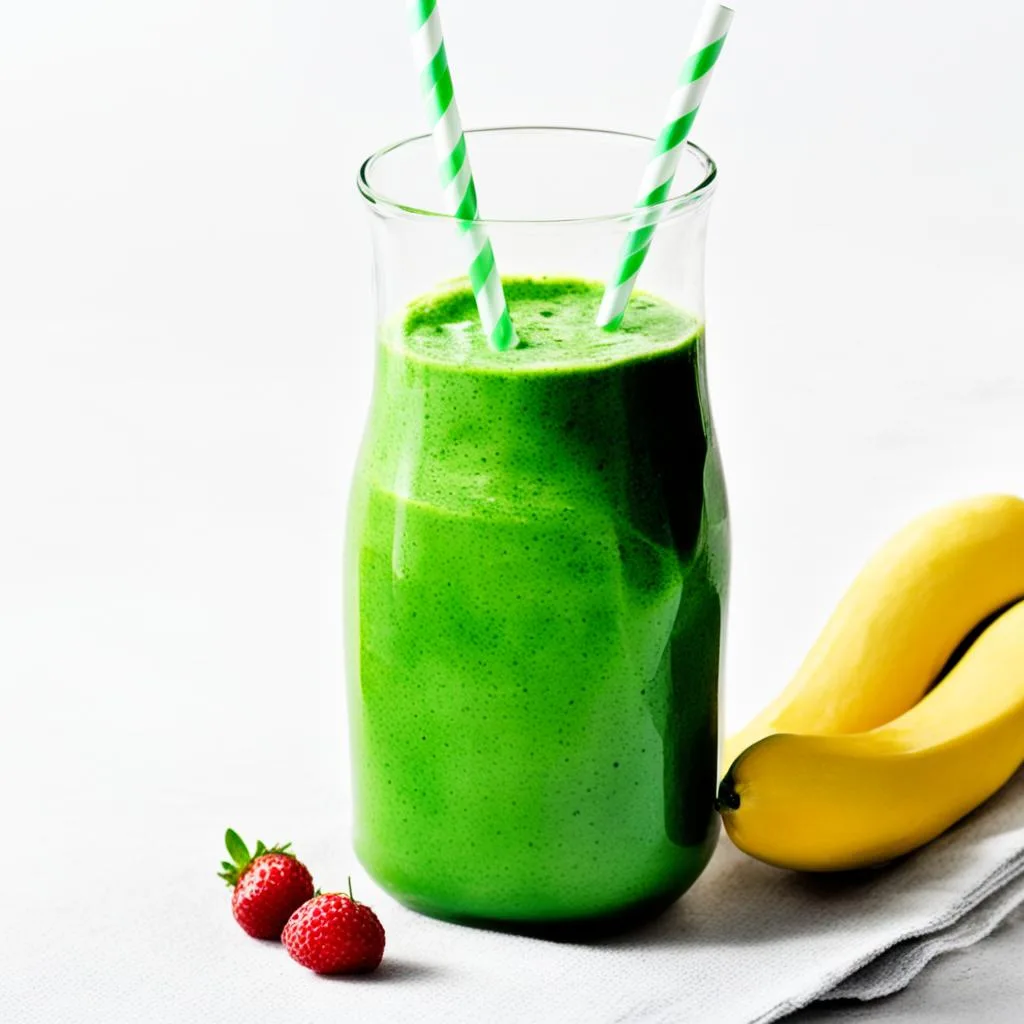
Are you looking to add a healthy twist to your daily routine? Green smoothies are a fantastic way to pack in your greens and enjoy a refreshing, nutritious beverage. However, not all green smoothies are created equal. We’re here to show you three green smoothie recipes that are not only packed with nutrients but also delicious enough that you’ll look forward to sipping on them every day.
1. The Classic: Spinach and Banana Smoothie
This green smoothie is a great starter for those new to the green smoothie game. The sweetness of the banana perfectly balances the earthiness of the spinach. Plus, it’s incredibly simple to make.
- 1 ripe banana
- 2 cups fresh spinach
- 1 cup unsweetened almond milk
- 1 tablespoon chia seeds
- 1 teaspoon honey (optional)
Blend all ingredients until smooth. If you prefer a thinner consistency, add more almond milk.
2. The Tropical Treat: Pineapple Kale Smoothie
Transport yourself to a tropical island with this zesty and sweet smoothie. Kale is a superfood powerhouse, and when combined with pineapple, you get a Vitamin C and antioxidant-rich treat.
- 1 cup chopped kale, stems removed
- 1 cup frozen pineapple chunks
- 1 ripe banana
- 1/2 cup coconut water
- 1 tablespoon flaxseeds
Blend all the ingredients until creamy. Enjoy the tropical flavors with a health kick!
3. The Avocado Dream: Creamy Avocado and Spinach Smoothie
For those who love a creamy texture, the avocado in this smoothie makes it almost dessert-like. Avocados add a dose of healthy fats, fiber, and a creamy consistency that will keep you full for hours.
- 1 ripe avocado
- 2 cups spinach
- 1 ripe banana
- 1 cup unsweetened almond milk
- 1 tablespoon honey
Blend all the ingredients until they reach a smooth and creamy texture. This smoothie is perfect for a filling breakfast or a satisfying snack.
Why Choose Green Smoothies?
Green smoothies are more than just a trend; they’re a convenient way to increase your intake of fruits and vegetables. They can help with weight management, provide a boost of energy, and improve your overall health. Packed with fiber, vitamins, and minerals, green smoothies are the perfect addition to a balanced diet.
Tips for the Perfect Green Smoothie
- Add liquids first to help blend the ingredients more smoothly.
- Use frozen fruits to chill your smoothie without diluting it with ice.
- Experiment with different greens like kale, spinach, or Swiss chard to vary the nutrient profile.
- Add a scoop of protein powder for an extra protein boost.
- For added sweetness, try natural sweeteners like honey, agave, or stevia.
Mastering the Green Gradient: From Gateway Greens to Advanced Leafy Powerhouses
While the transition into green smoothies usually begins with the mild, almost undetectable flavor of baby spinach, there is an entire world of leafy greens that offer varying nutritional profiles and flavor complexities. Understanding the “green gradient” allows you to slowly build your palate’s tolerance for more bitter, nutrient-dense leaves without ruining your morning beverage. Baby spinach is the ultimate gateway green because its cell walls break down easily in even a standard blender, and its high water content ensures a smooth liquid consistency. However, once you have mastered the spinach-banana base mentioned earlier, the next logical step is romaine lettuce or Swiss chard. Romaine is surprisingly high in minerals and provides a crisp, watery base that lightens up thicker smoothies, while chard offers a slightly salty, earthy undertone that pairs beautifully with citrus.
As you move into the intermediate level, you encounter the cruciferous family, led by kale. The existing article highlights kale in a tropical context, which is the best way to handle its tough fibrous structure and slightly bitter edge. To advance further, consider Lacinato kale (also known as dinosaur kale), which is less bitter than the curly variety. The edge case here involves the stems; while high-speed blenders can pulverize them, they often contain a concentrated bitterness that can overwhelm a smoothie. For those looking to maximize their nutrient density, the “advanced” tier includes dandelion greens, mustard greens, and arugula. These greens are highly alkaline and stimulate digestive enzymes, but they require a strong flavor counterpoint, such as grapefruit or ginger, to balance their sharp, peppery, or bitter profiles. By rotating through this gradient, you prevent “alkaloid buildup,” a niche but important concept where consuming the exact same green every day can lead to a minor accumulation of natural plant defense chemicals.
The Science of Satiety: Balancing Macros for Long-Lasting Energy
A common pitfall with green smoothies is the “sugar crash” that occurs about ninety minutes after consumption. This happens when a smoothie is too heavy on fruit and too light on the fats and proteins that slow down the absorption of fructose. To transform a green smoothie from a quick snack into a comprehensive meal replacement, you must engineer the macronutrient balance. While the Avocado Dream recipe provides an excellent source of monounsaturated fats, you can further enhance satiety by incorporating diverse lipid sources. Medium-chain triglyceride (MCT) oil, derived from coconuts, is a popular choice for those seeking an immediate cognitive boost, as it is rapidly metabolized by the liver for ketone energy rather than being stored as fat.
Protein is the second pillar of a satiating smoothie. Beyond the standard protein powders, consider whole-food sources like hemp hearts or pumpkin seeds. Hemp hearts are particularly valuable because they provide a complete amino acid profile along with a perfect 3:1 ratio of omega-6 to omega-3 fatty acids. If you are using a green smoothie as a post-workout recovery drink, the addition of collagen peptides can support joint health and gut lining without altering the flavor or texture of your greens. For a vegan alternative that adds significant creaminess, try adding a quarter cup of white cannellini beans. This might sound unconventional, but beans are a “resistant starch” that feeds beneficial gut bacteria and creates a thick, velvety texture that rivals any dairy-based additive, all while keeping your blood sugar levels remarkably stable throughout the morning.
Overcoming the “Grassy” Aftertaste: Advanced Flavor Masking Techniques
Even the most dedicated health enthusiast can be put off by a smoothie that tastes like a freshly mowed lawn. This “grassy” flavor is usually the result of chlorophyll-heavy greens like wheatgrass or mature kale. The secret to neutralizing this profile isn’t just adding more sugar; it’s about utilizing acidity and aromatics. Citric acid is a powerful tool in the green smoothie arsenal. A squeeze of fresh lemon, lime, or even a splash of apple cider vinegar doesn’t just add a bright note; it chemically alters our perception of bitterness. The acid cuts through the heavy chlorophyll, making the drink taste fresher and more vibrant. This is why the Pineapple Kale smoothie works so well—the natural acidity of the pineapple acts as a buffer for the kale’s intensity.
Another overlooked technique is the use of fresh herbs and spices. Mint is perhaps the most effective herb for masking “green” flavors, providing a cooling sensation that distracts the palate. Fresh ginger or turmeric root adds a spicy warmth that complements earthy greens like spinach or chard. If you find your smoothie is still missing something, a tiny pinch of high-quality sea salt can be a game-changer. Salt is a natural bitterness suppressor; it blocks the bitter receptors on the tongue, which in turn allows the natural sweetness of the fruit to shine through more clearly. This is a culinary trick used by chefs that applies perfectly to the world of liquid nutrition. For those who prefer a more savory profile, adding a stalk of celery and a pinch of black pepper can turn a green smoothie into a refreshing, gazpacho-style beverage that avoids the “grassy” trap entirely.
Maximizing Micronutrient Bioavailability and the Oxalate Rotation
It is not just about what you put into the blender, but how much of it your body can actually absorb. Many of the most important nutrients in green smoothies—specifically Vitamins A, D, E, and K—are fat-soluble. This means that if you drink a fat-free green smoothie (such as a blend of just spinach, apple, and water), your body will struggle to absorb these vital micronutrients. This is why the inclusion of avocados, flaxseeds, or chia seeds, as seen in the earlier recipes, is nutritionally essential rather than just a texture preference. To take this a step further, consider the “Vitamin C and Iron synergy.” Plant-based iron (non-heme iron) found in spinach and kale is much more easily absorbed when consumed alongside Vitamin C. Therefore, pairing your greens with strawberries, citrus, or bell peppers is a strategic move for anyone prone to iron deficiency.
An advanced consideration for daily smoothie drinkers is the presence of oxalates in certain greens. Spinach, beet greens, and Swiss chard are high in oxalates, which are naturally occurring compounds that can bind to calcium and, in some individuals, contribute to the formation of kidney stones if consumed in massive quantities every single day. The solution is not to avoid these greens—as they are incredibly healthy—but to practice “green rotation.” By switching your base from spinach to low-oxalate options like kale, romaine, bok choy, or watercress every few days, you ensure a diverse intake of phytonutrients while preventing the over-accumulation of any single plant compound. This rotation also ensures your gut microbiome is exposed to a wider variety of prebiotic fibers, fostering a more resilient digestive system.
Texture Engineering: How to Achieve the Perfect Mouthfeel Every Time
The difference between a gritty, separated green drink and a luxurious, cafe-quality smoothie often comes down to the order of operations and the temperature of the ingredients. While the tip to add liquids first is a great starting point, the “two-stage blend” is the real secret for those using mid-range blenders. First, blend your greens and your liquid base alone until they form a completely uniform “green water.” Only then should you add your frozen fruits, seeds, and powders. This ensures that no large fragments of kale or spinach remain, which can be a major deterrent for children or picky eaters. If you are dealing with particularly fibrous greens like collard greens, this extra thirty seconds of blending can be the difference between a drink you endure and a drink you enjoy.
For those looking to reduce the fruit content of their smoothies without sacrificing the thick, creamy texture, the “frozen vegetable hack” is an essential technique. Steamed and then frozen cauliflower florets or sliced zucchini are virtually tasteless when blended, but they provide an incredible thickness that mimics the effect of a frozen banana. This is particularly useful for those on low-carb or ketogenic diets who still want the “milkshake” consistency of a traditional smoothie. Additionally, the role of emulsifiers should not be ignored. Ingredients like lecithin (found in egg yolks or available as sunflower lecithin powder) or even a spoonful of nut butter help to bind the water and fat components of the smoothie together, preventing that unappealing separation that can occur if the drink sits for more than ten minutes.
Seasonal Green Smoothies: Adapting Your Blend to the Calendar
Our nutritional needs and flavor preferences change with the seasons, and your green smoothie should reflect that. In the heat of summer, the goal is hydration and cooling. This is the time to lean heavily on hydrating bases like cucumber and celery, which provide a high volume of mineral-rich water with very few calories. Pairing these with frozen melon or lime creates a refreshing, light beverage that feels appropriate for a July morning. During the summer, you can also take advantage of fresh garden herbs like basil or cilantro, which add a sophisticated, savory edge to your green blends. Cilantro, in particular, is noted for its heavy-metal chelating properties, making it a functional addition to a detox-focused routine.
In contrast, winter green smoothies should focus on “warming” the digestive system and supporting the immune system during cold and flu season. While a frozen smoothie might feel too cold in January, you can mitigate this by using room-temperature liquids and adding warming spices like cinnamon, cardamom, and cloves. Pears are a fantastic winter fruit alternative to bananas; they have a lower glycemic index and a soft, grainy texture that pairs perfectly with hearty winter greens like kale or radicchio. You can even use a base of warm (not boiling) herbal tea, such as peppermint or ginger tea, to create a “green latte” effect. This seasonal approach ensures that you are getting the widest possible variety of nutrients while keeping your smoothie habit sustainable and enjoyable year-round.
Functional Add-ins: Adaptogens, Algae, and Microgreens
Once you have mastered the flavor and texture of your green smoothies, you can begin to treat them as a delivery system for functional “superfoods” that target specific health goals. Adaptogens—herbs that help the body manage stress—are a popular addition. Ashwagandha, which has a slightly bitter, earthy taste, disappears easily into a creamy avocado-based smoothie. Maca root powder, with its malty, caramel-like flavor, is an excellent companion to spinach and almond milk blends. These ingredients work cumulatively, so adding a small amount to your daily smoothie is often more effective than taking a large dose sporadically.
For those looking to push the nutritional boundaries, aquatic greens like spirulina and chlorella offer a concentrated source of chlorophyll and B-vitamins. However, these algae have a very strong “ocean” flavor that can easily ruin a smoothie if overused. The key is to start with a quarter-teaspoon and pair it with strong citrus or pineapple to mask the scent. Finally, do not overlook the power of microgreens. These young versions of vegetables like broccoli, radish, or sunflower are often four to forty times more nutrient-dense than their mature counterparts. A handful of broccoli microgreens added to a standard spinach smoothie provides a massive dose of sulforaphane, a compound heavily researched for its potent antioxidant and cellular-protective properties. These small adjustments transform your morning beverage from a simple healthy choice into a sophisticated tool for long-term wellness.
FAQ
Can I make these smoothies ahead of time?
Yes, you can prepare your green smoothies in advance. Store them in an airtight container in the refrigerator for up to 24 hours. Shake well before drinking.
Are green smoothies actually healthy?
Absolutely! Green smoothies are a great way to get a concentrated dose of nutrients from greens and fruits. They can be very healthy as part of a balanced diet.
Can I use a different milk alternative in these recipes?
Definitely. Feel free to substitute almond milk with other plant-based milks like soy, oat, or cashew milk.
What can I use instead of banana for sweetness?
If you’re not a fan of bananas, you can use other sweet fruits like mango, peach, or even a bit of sweet potato to add natural sweetness to your smoothie.
How can I make my smoothie thicker?
Add less liquid or include ingredients like yogurt, oats, or frozen fruit to achieve a thicker consistency.
Related posts:
 Smoothie Reality Check: Are Your Healthy Drinks Actually Healthy?
 The Green Goddess Guide to Buying Leafy Perfection
 11 Innovative Healthy Recipes That Make Kale Exciting Again
 Healthy Frozen Banana Desserts
 This Pineapple Green Dream Smoothie Only Looks High-Maintenance
 Is Starbucks Almond Milk Healthy?
 Sweet Smoothies Without the Sugar Crash
 Nina Agdal’s Green Smoothie Recipe That Tastes Like Paradise