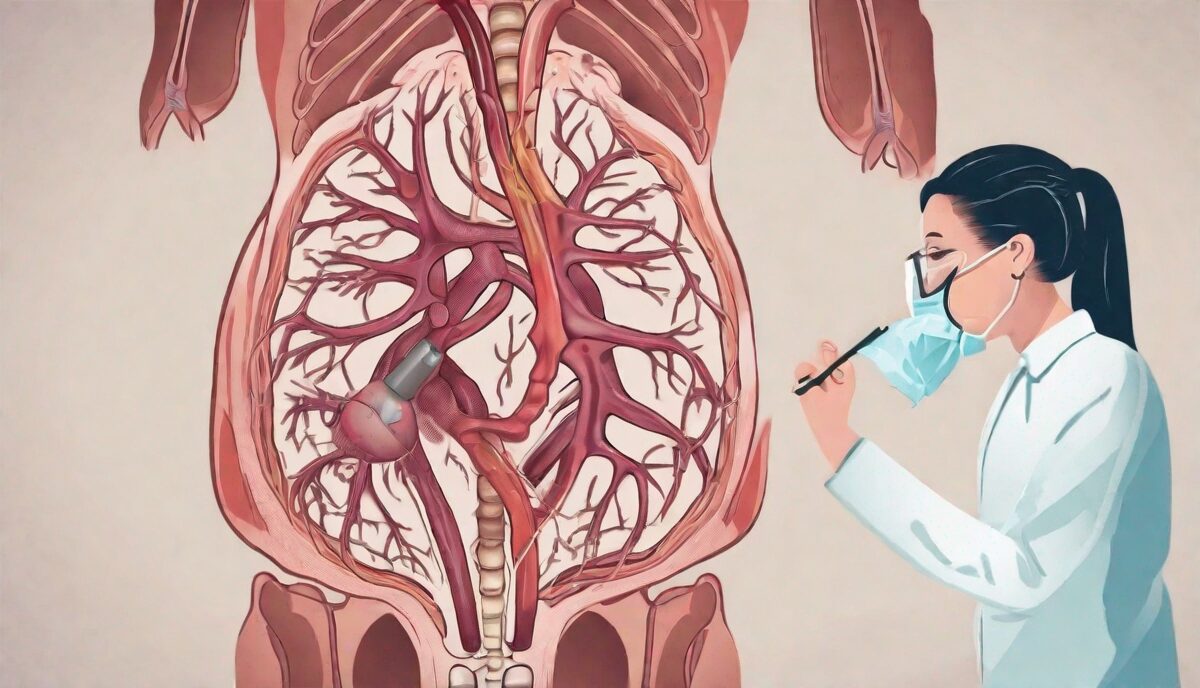
1. Hypertension
Hypertension, or high blood pressure, is known as the ‘silent killer’ because it often has no obvious symptoms. However, over time, it can lead to serious health conditions like stroke, heart attack, and kidney failure. We all need to be diligent about monitoring our blood pressure and making lifestyle changes to keep it in a healthy range. Together, through compassion for ourselves and others, we can work to prevent the suffering hypertension can cause.
2. Diabetes
Diabetes is another disease that can develop gradually without clear signs. The most common forms are type 1 diabetes, which is an autoimmune disorder, and type 2 diabetes, which is strongly linked to excess weight and lack of physical activity. Staying active, eating healthy foods, and getting regular checkups to catch diabetes early on allows us to manage it before complications occur. With understanding and support, those living with diabetes can still thrive.
3. Coronary Artery Disease
Coronary artery disease develops when plaque builds up in the heart’s arteries, restricting blood flow to the heart muscle. This slow process can lead to chest pain or discomfort and raise the risk for heart attack. Adopting heart-healthy habits like maintaining a healthy weight, not smoking, eating a balanced diet, and regular exercise helps reduce the likelihood of CAD-associated heart problems over time. Early detection through proper healthcare allows treatment to open blocked arteries and restore blood flow before damage occurs.
Understanding the Quiet Progression of Chronic Kidney Disease (CKD)
While hypertension and diabetes are well-known precursors to health complications, they often act as the primary drivers for a fourth silent threat: Chronic Kidney Disease (CKD). The kidneys are remarkable organs that filter approximately 120 to 150 quarts of blood daily to produce about 1 to 2 quarts of urine, composed of wastes and extra fluid. Because the kidneys are highly adaptable, they can compensate for lost function for a surprisingly long time. In many cases, an individual may lose up to 80% of their kidney function before they experience any physical symptoms, making early screening vital for those with existing cardiovascular risks.
The silence of CKD lies in its gradual nature. As the nephrons—the tiny filtering units within the kidneys—begin to fail, the remaining healthy nephrons work harder to take up the slack. This hyperfiltration mask keeps blood waste levels relatively stable for years, even as the underlying structure of the kidney degrades. By the time a person notices persistent fatigue, foamy urine (which indicates protein leakage), or swelling in the ankles and feet (edema), the disease has often progressed to stage 3 or 4. At these stages, the damage is frequently irreversible, though still manageable with strict dietary and medical interventions.
To catch CKD before it reaches a critical point, medical professionals rely on two specific markers: the Glomerular Filtration Rate (GFR) and the Urine Albumin-to-Creatinine Ratio (UACR). The GFR is a calculation based on blood creatinine levels that estimates how well the kidneys are filtering waste. A GFR below 60 for three months or more is a clinical indicator of CKD. Simultaneously, the UACR test looks for albumin, a type of protein, in the urine. Healthy kidneys do not let protein pass into the urine; therefore, even small amounts of albumin can serve as an early warning sign that the kidney’s filters are becoming leaky. For anyone managing high blood pressure or blood sugar, requesting these specific tests during annual checkups is a proactive step toward long-term renal health.
The Hidden Epidemic: Metabolic Dysfunction-Associated Steatotic Liver Disease (MASLD)
Often referred to in the past as Non-Alcoholic Fatty Liver Disease (NAFLD), MASLD is a condition characterized by the accumulation of excess fat in the liver in people who drink little to no alcohol. It has quickly become one of the most common chronic liver conditions worldwide, yet it remains largely invisible because the liver does not have pain receptors. Unless the liver becomes significantly enlarged or the capsule surrounding it is stretched, a person can live for decades with a fatty liver without feeling a single pang of discomfort. The danger arises when this fat triggers inflammation, leading to a more aggressive form of the disease known as MASH (Metabolic Dysfunction-Associated Steatohepatitis), which can progress to cirrhosis, liver failure, or liver cancer.
The progression of MASLD is often tied to metabolic syndrome—a cluster of conditions including increased blood pressure, high blood sugar, excess body fat around the waist, and abnormal cholesterol levels. When the body becomes resistant to insulin, it struggles to process fats efficiently, leading to storage in the liver cells (hepatocytes). This storage isn’t just passive; it can trigger oxidative stress and cellular damage. Because the liver is responsible for over 500 vital functions, including detoxification, protein synthesis, and glucose regulation, its silent decline can have systemic ripple effects on your energy levels and immune system.
Detecting MASLD usually happens incidentally during routine blood work or imaging for unrelated issues. Elevated liver enzymes, such as ALT (alanine aminotransferase) and AST (aspartate aminotransferase), may suggest inflammation, though it is possible to have MASLD with normal enzyme levels. Modern diagnostic tools like the FibroScan—a specialized ultrasound that measures liver stiffness and fat content—allow doctors to assess the health of the liver non-invasively. Managing this silent disease focuses heavily on nutritional changes, specifically reducing the intake of high-fructose corn syrup and processed carbohydrates, which are primary contributors to liver fat. Even a modest weight loss of 7% to 10% of total body weight has been shown to significantly reduce liver inflammation and potentially reverse early-stage scarring.
Osteoporosis: Protecting Your Skeleton from the Silent Thief
Osteoporosis is frequently called “the silent thief” because bone loss occurs without any outward signs or symptoms until a bone actually breaks. Many people mistakenly believe that bone is a static material, but it is actually living tissue that is constantly being broken down and rebuilt. Around the age of 30, most individuals reach their peak bone mass, after which the rate of bone resorption (breakdown) begins to outpace the rate of bone formation. If this imbalance becomes too great, the internal structure of the bone becomes porous and brittle, significantly increasing the risk of fragility fractures.
The first “symptom” of osteoporosis is often a fracture resulting from a minor incident, such as a sneeze, a cough, or a small trip that would not normally cause a break in a healthy individual. Another subtle sign is a loss of height over time or the development of a stooped posture (kyphosis). These changes occur when the vertebrae in the spine become so weak that they begin to crumble or suffer compression fractures. Because these fractures can happen gradually and may cause only dull back pain, they are often dismissed as a normal part of aging or muscle strain, allowing the disease to progress further unchecked.
Screening for osteoporosis is done via a Dual-Energy X-ray Absorptiometry (DEXA) scan, which measures bone mineral density (BMD) at the hip and spine. The results are reported as a T-score, comparing your bone density to that of a healthy young adult. While post-menopausal women are at the highest risk due to the drop in estrogen, which protects bone density, men are also susceptible, particularly if they have low testosterone levels or use certain medications like corticosteroids. Prevention and management involve a multi-faceted approach: ensuring adequate intake of calcium and Vitamin D, engaging in weight-bearing exercises like walking or resistance training to stimulate bone growth, and avoiding lifestyle factors like smoking and excessive alcohol consumption that accelerate bone depletion.
Glaucoma: Preserving Vision Against the Stealthy Increase of Ocular Pressure
Glaucoma is a group of eye conditions that damage the optic nerve, the health of which is vital for good vision. This damage is often caused by an abnormally high pressure in your eye (intraocular pressure). What makes glaucoma particularly dangerous is that the most common form, open-angle glaucoma, has no warning signs in its early stages. The loss of vision is so gradual that a person may not notice any change until the disease is at an advanced stage. It typically begins by eroding peripheral (side) vision, which the brain often compensates for by “filling in the blanks,” making the deficit nearly impossible to detect without professional equipment.
The mechanics of glaucoma involve the balance of fluid production and drainage within the eye. The eye produces a fluid called aqueous humor that circulates through the front part of the eye. To maintain a healthy pressure, an equal amount of fluid must drain out through a complex meshwork. In open-angle glaucoma, this drainage system becomes partially clogged, causing pressure to build up and slowly compress the delicate fibers of the optic nerve. Once these nerve fibers die, they cannot be regenerated, meaning any vision loss from glaucoma is permanent. This is why it is often referred to as the “silent thief of sight.”
Regular comprehensive eye exams are the only way to detect glaucoma early. These exams go beyond a simple vision chart test; they include tonometry to measure eye pressure, ophthalmoscopy to examine the shape and color of the optic nerve, and perimetry (visual field testing) to check for blind spots in your peripheral vision. Edge cases exist, such as normal-tension glaucoma, where the optic nerve is damaged even though eye pressure remains within the “normal” range. This underscores the importance of a thorough examination of the nerve itself rather than relying solely on pressure readings. If caught early, glaucoma can usually be managed with prescription eye drops or laser treatments that improve drainage and lower pressure, effectively halting the progression of the disease.
Obstructive Sleep Apnea and Its Hidden Cardiovascular Toll
Obstructive Sleep Apnea (OSA) is a condition where the muscles in the throat intermittently relax and block the airway during sleep. While many associate sleep apnea with loud snoring, the “silent” danger lies in what happens when the breathing stops. These pauses in breathing, called apneas, can occur dozens or even hundreds of times a night, leading to sharp drops in blood oxygen levels. Each time this happens, the brain triggers a survival response, briefly waking the person up to reopen the airway. Because these arousals are so brief, the individual often has no memory of them, believing they slept through the night while their body was actually in a state of high-stress turmoil.
The systemic impact of OSA is profound. Each apnea event triggers the sympathetic nervous system—the “fight or flight” response—causing a surge in adrenaline and a spike in blood pressure. Over time, this repetitive nighttime stress leads to chronic hypertension that is particularly difficult to treat with medication. Furthermore, the constant inflammation and oxidative stress caused by fluctuating oxygen levels can damage the lining of the blood vessels (endothelial dysfunction), accelerating the progression of coronary artery disease and increasing the risk of atrial fibrillation (an irregular heart rhythm).
Many people remain undiagnosed because they live alone or their partners assume snoring is merely a nuisance rather than a medical red flag. Symptoms to watch for include excessive daytime sleepiness, waking up with a dry mouth or sore throat, morning headaches, and irritability. A specialized sleep study, or polysomnography, is the gold standard for diagnosis, measuring heart rate, breathing patterns, and oxygen levels overnight. Treatment, most commonly through Continuous Positive Airway Pressure (CPAP) therapy, does more than just stop the snoring; it stabilizes the cardiovascular system, reduces the risk of stroke, and can even improve insulin sensitivity in those with diabetes. Addressing sleep apnea is a critical, yet often overlooked, component of managing overall metabolic and heart health.
Abdominal Aortic Aneurysm: Identifying the Hidden Vascular Threat
An Abdominal Aortic Aneurysm (AAA) is a localized enlargement or “bulge” in the lower part of the aorta, the major blood vessel that supplies blood to the body. The aorta is about the thickness of a garden hose, and its walls are designed to withstand the high pressure of blood being pumped from the heart. However, due to factors like smoking, high blood pressure, and genetic predisposition, the wall can become weak and begin to balloon outward. Much like a balloon that is over-inflated, the larger the aneurysm grows, the greater the risk that it will rupture—an event that is often fatal and frequently occurs without any prior warning.
The silence of an AAA is its most terrifying characteristic. Most people with an aneurysm have no symptoms at all. In some cases, a person might notice a pulsing sensation near the navel, similar to a heartbeat, or experience deep, persistent pain in the abdomen or side of the back. However, these symptoms are often vague and can be easily mistaken for simple back pain or digestive issues. Because the aorta is located deep within the abdominal cavity, a physical exam by a doctor may not always reveal the bulge, especially in individuals with a larger body habitus.
Screening is the most effective tool for preventing a rupture. A simple, non-invasive ultrasound of the abdomen can accurately measure the diameter of the aorta. Medical guidelines generally recommend a one-time screening for men aged 65 to 75 who have ever smoked, as they are at the highest risk. If an aneurysm is found, doctors will monitor its size closely. Small aneurysms may never require surgery and can be managed by controlling blood pressure and cholesterol. If the aneurysm reaches a certain size threshold (typically 5.5 centimeters for men or 5.0 centimeters for women) or grows rapidly, surgical intervention—either through traditional open repair or a less invasive endovascular procedure—can reinforce the vessel wall and prevent a catastrophic rupture.
The Role of Chronic Inflammation as a Silent Driver of Disease
While we have discussed specific diseases, it is important to recognize the underlying silent process that often links them all: chronic low-grade inflammation. Unlike the acute inflammation you experience when you cut your finger or catch a cold—which is a healthy, temporary response—chronic inflammation is a slow, smoldering fire that can persist for years. It occurs when the immune system remains in a state of constant alert, releasing white blood cells and chemical messengers that eventually begin to attack healthy tissues and organs. This process is a major contributor to the development of the silent diseases mentioned throughout this article, from the scarring of the liver to the hardening of the arteries.
Chronic inflammation is often fueled by lifestyle factors that may not seem immediately harmful. Diets high in ultra-processed foods, chronic psychological stress, sedentary behavior, and environmental toxins all keep the body’s inflammatory markers elevated. For example, visceral fat—the fat stored deep inside the abdomen around the organs—is metabolically active and secretes inflammatory cytokines that can lead to insulin resistance and vascular damage. This is why two people with the same body weight can have very different health profiles; the one with more internal inflammation is at a much higher risk for “silent” systemic decline.
Measuring chronic inflammation can be done through a blood test called High-Sensitivity C-Reactive Protein (hs-CRP). While not a diagnostic tool for a specific disease, a high hs-CRP level indicates that the body is in an inflammatory state, prompting a closer look at cardiovascular and metabolic health. Reducing systemic inflammation involves a holistic approach: prioritizing anti-inflammatory foods like leafy greens, fatty fish, and berries; ensuring adequate sleep to allow the body to repair; and finding effective ways to manage stress. By addressing inflammation, you are essentially cooling the embers before they can ignite into a more serious, silent condition. Vigilance and proactive lifestyle choices remain our best defense against the diseases that don’t make their presence known until the stakes are high.
Frequently Asked Questions
What are some symptoms of these silent diseases to look out for?
There may be no clear symptoms in the early stages of these diseases. Over time, possible symptoms can include fatigue, blurred vision, frequent urination, increased thirst, chest pain or tightness, shortness of breath, and pain or numbness in the limbs. Getting regular checkups is important for early detection and treatment before complications develop.
How can I reduce my risk of developing a silent disease?
Leading a healthy lifestyle is the best way to prevent these diseases. This includes getting regular exercise, eating a balanced diet, achieving and maintaining a healthy body weight, not smoking, limiting alcohol intake, and managing stress levels. It’s also essential to get regular medical checkups.
What should I do if I think I may have a silent disease?
If you have possible symptoms or are concerned you may be developing hypertension, diabetes, coronary artery disease or another condition, schedule an appointment with your doctor right away. Early detection and treatment are key to preventing serious complications from silent diseases down the road.
What routine screening tests help detect these silent diseases?
Your doctor can check your blood pressure, blood sugar, and cholesterol levels during routine well visits to help screen for hypertension, diabetes, and coronary artery disease. Other tests that may be used include an electrocardiogram (EKG) to check heart health and kidney function blood tests for indications of hypertension.
How can friends and family members provide support to those diagnosed with a silent disease?
It can mean everything for loved ones to provide understanding, encouragement, and assistance in making recommended lifestyle changes. Helping prepare healthy meals, going on walks together, and having open conversations about the emotional aspects can also make the journey easier for those managing chronic silent diseases.
Related posts:
 PHA Bodyweight Workout: Efficient Fitness Anywhere, Anytime
 Nutmeg’s Impact on Liver Health
 The Incredible Health Benefits of Beets Will Surprise You
 Liquid Gold: The Surprising Health Benefits of Drinking Aloe Vera Juice
 Bone Broth Gets a Coffee Shop Makeover
 Does Calorie Counting Actually Matter for Diabetes and Heart Disease?
 Foods for Liver and Gut Cleansing
 Yerba Mate Benefits