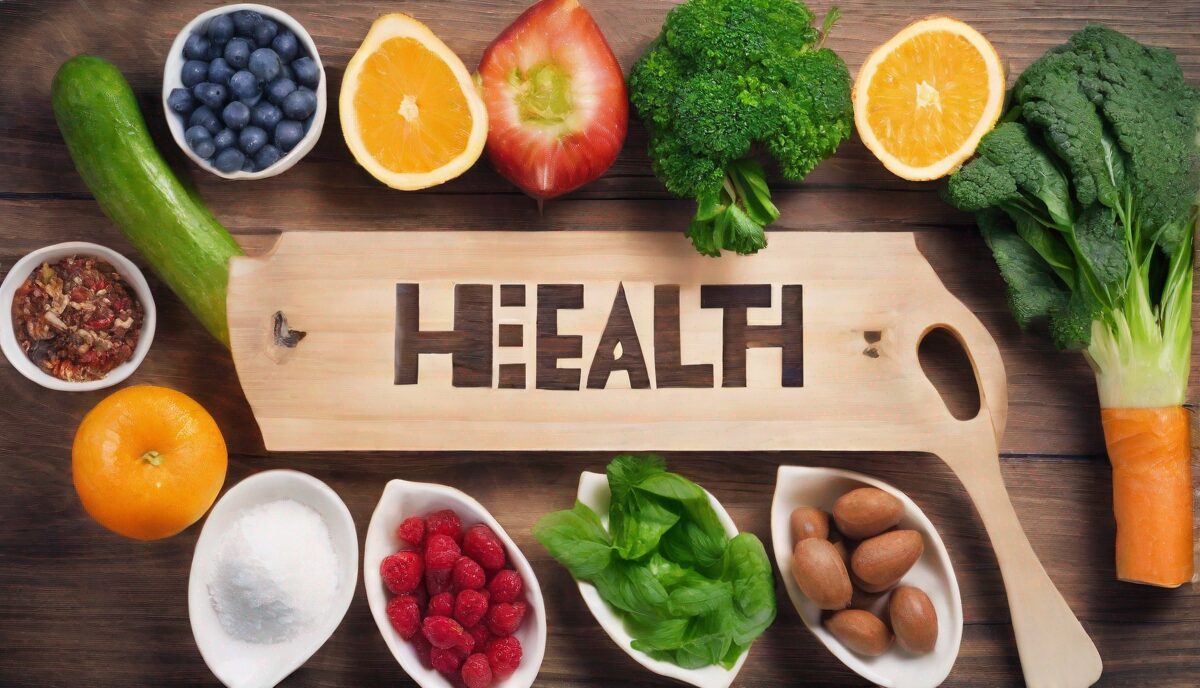
When it comes to health and nutrition, there’s so much confusing and contradictory information out there. It can be hard to know what to believe. Many so-called “health foods” are marketed as superfoods or miracle cures, but the reality often doesn’t live up to the hype.
1. Coconut Oil
Coconut oil has been promoted as a heart-healthy cooking oil, but according to the American Heart Association, coconut oil actually raises LDL (bad) cholesterol. While it’s fine to use occasionally, it’s best not to rely on it as your everyday cooking oil.
2. Agave Nectar
Agave nectar is marketed as a natural, healthy sweetener, but it contains even more fructose than high fructose corn syrup. Consuming too much added fructose has been linked to metabolic problems. Honey and maple syrup have more nutrients and may be better options in moderation.
3. Granola Bars
Granola bars are often positioned as an on-the-go health food, but many popular brands are high in added sugars, unhealthy fats, and calories. Read labels carefully or choose bars with whole food ingredients like nuts, seeds, and dried fruit.
4. Veggie Chips
Veggie chips and crisps like kale chips sound healthy, but they typically contain just as much or more fat and sodium as regular potato chips. As an occasional treat they’re fine, but they shouldn’t replace whole vegetables and fruits.
5. The Gluten-Free Halo Effect and Processed Substitutes
For individuals with celiac disease or a medically diagnosed gluten sensitivity, avoiding gluten is a biological necessity. However, for the general population, the “gluten-free” label has become a powerful marketing tool, creating what psychologists call a “health halo.” This phenomenon leads consumers to believe that a product is inherently healthier, lower in calories, or more nutritious simply because it lacks gluten. In reality, many processed gluten-free products are nutritionally inferior to their wheat-based counterparts. To replicate the elasticity and texture provided by gluten, manufacturers often rely on highly refined starches such as white rice flour, tapioca starch, potato starch, and cornstarch. These ingredients are low in fiber and have a high glycemic index, meaning they can cause rapid spikes in blood sugar and insulin levels.
Furthermore, because gluten-free flours can be bland or crumbly, food scientists frequently add extra sugar, salt, and unhealthy fats to improve the flavor and mouthfeel. If you compare a standard whole-wheat cracker to a gluten-free alternative, you may find that the gluten-free version contains twice the fat and significantly less protein and fiber. This lack of fiber is a critical edge case; fiber is essential for gut health and satiety. Without it, you are likely to feel hungry again shortly after eating, which can lead to overconsumption of calories throughout the day. If you are choosing gluten-free options for general health, you are often better off sticking to naturally gluten-free whole foods like quinoa, buckwheat, sweet potatoes, and legumes rather than reaching for the boxed “gluten-free” cookies or breads that mimic junk food.
It is also worth noting the cost-to-benefit ratio. Gluten-free specialty products typically carry a significant price premium. Paying more for a product that offers less nutritional value is a double-edged sword for the health-conscious consumer. To navigate this, look at the ingredient list: if the first three ingredients are refined starches or sugars, the product is likely a nutritional downgrade. Transitioning away from the gluten-free aisle and toward the produce section is the most effective way to ensure you aren’t falling for the marketing hype surrounding these processed substitutes.
6. Liquid Gold or Liquid Sugar? The Cold-Pressed Juice Dilemma
Cold-pressed juices are often marketed as a convenient way to “reset” the body or consume a massive dose of vitamins in a single sitting. While it is true that these juices contain concentrated amounts of vitamins and minerals, the juicing process removes one of the most vital components of fruits and vegetables: insoluble fiber. Fiber is the structural framework of the plant that slows down the absorption of sugar in the bloodstream. When you strip away the fiber, you are left with a concentrated hit of fructose that the liver must process all at once. This can lead to a rapid insulin spike, followed by a “sugar crash” that leaves you feeling fatigued and irritable.
Even “green” juices can be deceptive. To make kale or spinach juice palatable to the average consumer, brands often blend them with high-sugar fruit bases like apple, pineapple, or orange juice. A single 16-ounce bottle of a popular commercial green juice can contain upwards of 50 grams of sugar—more than a standard can of soda. While the sugar in juice is naturally occurring, the body processes it similarly to added sugar when the fiber is absent. This is particularly problematic for individuals managing insulin resistance or those trying to lose weight, as liquid calories do not trigger the same satiety signals in the brain as solid food. You can drink 500 calories of juice in minutes without feeling full, whereas eating 500 calories of whole apples and kale would require significant time and effort.
There is also the myth of the “detox.” The human body is equipped with a highly efficient detoxification system consisting of the liver, kidneys, and lungs. There is no scientific evidence that consuming expensive cold-pressed juices “cleanses” the blood or organs more effectively than a balanced diet. If you enjoy the taste of juice, consider it a treat rather than a health tonic. For a truly healthy liquid option, blending whole fruits and vegetables into a smoothie is a superior choice, as it retains the fiber and provides a more sustained release of energy. Always check the label for the “sugars” count and the “fiber” count; if the fiber is zero, you are essentially drinking expensive sugar water with a vitamin garnish.
7. The Saturated Fat and Sodium in Plant-Based Meat Mimics
The rise of plant-based eating has led to a surge in high-tech meat alternatives designed to look, bleed, and taste like beef. While these products are a win for animal welfare and environmental sustainability, they are often mistakenly categorized as “health foods.” Many of these burgers and sausages are ultra-processed foods (UPFs) that contain a long list of additives, stabilizers, and emulsifiers like methylcellulose and yeast extract. To achieve the juicy texture of a beef burger, manufacturers frequently use coconut oil or palm oil, both of which are high in saturated fats. In some cases, a plant-based patty can contain as much, if not more, saturated fat than a traditional 80/20 lean beef burger.
Sodium is another major concern with these meat substitutes. Because plant proteins like soy or pea protein can be naturally bland, heavy amounts of salt are added to enhance the savory profile. A single plant-based patty can contain 15% to 20% of your daily recommended sodium intake, which is significantly higher than an unseasoned ground beef patty. For individuals with hypertension or heart health concerns, substituting traditional meat with these highly processed alternatives may not provide the health benefits they expect. The processing involved also means that some of the natural nutrients found in the source plants are lost, replaced by synthetic vitamins added back in during manufacturing.
The edge case here is the transitioner: if these products help someone move away from a diet heavy in processed red meats, they can serve as a useful bridge. However, they should not be viewed as a daily staple. For a truly healthy plant-based protein source, whole foods like lentils, chickpeas, tempeh, and extra-firm tofu are far superior. These options are naturally low in sodium, high in fiber, and free from the industrial oils found in lab-engineered meat mimics. When shopping, compare the ingredient labels; if the list looks more like a chemistry experiment than a recipe, it is probably a food that doesn’t live up to the health hype.
8. Low-Fat and Fat-Free Yogurt: The Sugar Trade-Off
During the low-fat craze of the late 20th century, fat-free yogurt was hailed as the ultimate diet food. Unfortunately, removing fat from dairy often makes it taste thin, chalky, and unappealing. To compensate for the loss of flavor and texture, food manufacturers frequently pump these products full of added sugars, high-fructose corn syrup, and artificial thickeners like modified corn starch or carrageenan. As a result, a small container of fat-free fruit-flavored yogurt can contain as much sugar as a candy bar. While you are saving on fat grams, you are consuming empty calories that can lead to weight gain and metabolic dysfunction over time.
Beyond the sugar content, there is the issue of satiety and nutrient absorption. Dietary fat plays a crucial role in triggering the release of hormones that tell your brain you are full. When you eat fat-free yogurt, you may find yourself reaching for a snack shortly after because the meal lacked the staying power of healthy fats. Furthermore, vitamins A and D, which are often added to dairy, are fat-soluble. Without a small amount of fat present in the food, your body cannot efficiently absorb these nutrients. This makes the “fortified” aspect of fat-free yogurt less effective than it appears on the label.
The healthiest approach to yogurt is to choose plain, full-fat or low-fat (2%) Greek yogurt. Greek yogurt is strained to remove excess whey, resulting in a higher protein content that promotes fullness. By choosing the plain version, you avoid the hidden sugars and can add your own sweetness using fresh berries or a small sprinkle of nuts. This allows you to control the sugar levels while benefiting from the probiotics and protein that make yogurt a legitimate health food in its unprocessed state. Don’t be afraid of the fat; in the context of a balanced diet, the natural fats in dairy can actually help with weight management by preventing overeating later in the day.
9. Deciphering the “Multigrain” and “Seven-Grain” Marketing Trap
Walking down the bread or cracker aisle, you will see many products proudly displaying terms like “multigrain,” “seven-grain,” or “made with whole grains.” These terms are often intentionally misleading. “Multigrain” simply means that the product contains more than one type of grain; it does not mean those grains are whole. In many cases, the primary ingredient is still “enriched wheat flour,” which is just another name for refined white flour that has been stripped of its bran and germ. The “seven grains” might be present only in tiny amounts, sprinkled on top of the crust for visual appeal rather than nutritional substance.
Refined grains are problematic because the refining process removes the fiber, B vitamins, and minerals. This results in a product that the body converts into glucose very quickly, leading to the same blood sugar spikes associated with white sugar. Some manufacturers even add caramel coloring or molasses to the dough to give the bread a darker, “healthier” brown hue, tricking consumers into thinking they are buying a high-fiber product. To truly get the benefits of grains, you must look for the word “whole” as the very first ingredient on the label—specifically “100% whole grain” or “100% whole wheat.”
A useful rule of thumb is the 10:1 ratio: for every 10 grams of total carbohydrates, there should be at least 1 gram of fiber. If a “multigrain” bread has 20 grams of carbs but only 1 gram of fiber, it is essentially white bread in disguise. Whole grains are linked to a reduced risk of heart disease, type 2 diabetes, and certain cancers, but these benefits are lost when you consume the refined “multigrain” versions. Don’t let the rustic packaging or the list of exotic grains fool you; the ingredient list and the fiber count are the only reliable indicators of whether the bread is actually a health food or just another refined carb.
10. Protein-Fortified Junk Food and the “Pro-Snack” Trend
We are currently living in an era of “protein washing,” where manufacturers add protein isolates to traditionally unhealthy foods—like cookies, brownies, chips, and even ice cream—to market them as functional health foods. While protein is a vital macronutrient for muscle repair and satiety, the source and the delivery method matter. These protein-fortified snacks are often highly processed and contain sugar alcohols (like erythritol or xylitol) to keep the calorie count low. For many people, these sugar alcohols can cause significant digestive distress, including bloating, gas, and cramping.
Moreover, the protein used in these snacks is typically a highly processed isolate, such as soy protein isolate or whey protein isolate. While these provide the amino acids your body needs, they don’t offer the same complex nutritional profile as whole-food protein sources like eggs, fish, or beans. There is also the psychological trap of the “healthier choice.” If you eat a “protein cookie” that contains 250 calories and 15 grams of sugar, you might feel justified in eating it every day, whereas you would treat a regular cookie as an occasional indulgence. Over time, these “healthy” snacks can contribute to a high-calorie, high-sugar diet that hinders weight loss goals.
An edge case exists for high-performance athletes who need a quick, portable way to hit high protein targets, but for the average person, these snacks are rarely necessary. Most people in developed nations already consume more than enough protein through their regular meals. Instead of reaching for a processed protein brownie, try a handful of almonds or a hard-boiled egg. These provide high-quality protein along with healthy fats and micronutrients without the artificial sweeteners and fillers found in the “pro-snack” aisle. If you do buy them, look out for “nitrogen spiking,” a practice where manufacturers add cheap amino acids to inflate the protein count on the label without providing complete proteins.
11. Commercial Smoothie Bowls and the Hidden Calorie Bomb
The acai bowl or smoothie bowl has become the quintessential Instagram-friendly health food. While they look like a vibrant bowl of fruit, they can be one of the most deceptive items on a cafe menu. The base of these bowls is often a thick blend of frozen fruit and sweetened juice or nut milk, which can contain a massive amount of sugar before any toppings are even added. Because the fruit is blended, the mechanical breakdown of the fiber means the sugar is absorbed more quickly than if you ate the fruit whole. A typical store-bought acai bowl can easily contain 60 to 90 grams of sugar—equivalent to two or three cans of soda.
The toppings are where the calorie count really sky-rockets. It is common to see a bowl topped with a heavy layer of honey-sweetened granola, a large swirl of nut butter, shredded coconut, honey, and more fruit. While these toppings contain healthy fats and nutrients, the sheer volume can push a single bowl’s calorie count to 800 or 1,000 calories. For many people, this is intended to be a light breakfast or a snack, but it is calorically equivalent to a large double cheeseburger. Because it is a “liquid” or semi-liquid meal, it often fails to provide the long-term satiety that a solid meal of the same calorie count would provide.
To enjoy smoothie bowls without the health pitfalls, the key is portion control and ingredient transparency. If you are ordering out, ask for the bowl without added honey or agave and limit the granola to a small sprinkle. Better yet, make them at home using unsweetened almond milk, a small amount of fruit, and plenty of vegetables like frozen cauliflower or spinach to add bulk without the sugar. Use seeds like chia or hemp for crunch instead of sugary granola. By treating the smoothie bowl as a nutrient-dense meal rather than a “free” health food, you can avoid the common trap of consuming a day’s worth of sugar before noon.
FAQ
What are some examples of health foods that don’t live up to their hype?
Some examples include coconut oil, agave nectar, granola bars, and veggie chips or crisps. While they may be marketed as healthy, they often contain high amounts of sugar, unhealthy fats, sodium, and calories.
Why isn’t coconut oil as healthy as claimed?
Coconut oil contains a high percentage of saturated fat, which has been shown to raise LDL (bad) cholesterol levels. The American Heart Association recommends limiting saturated fat for heart health.
What should I use instead of agave nectar?
Small amounts of real maple syrup or raw honey are better options than agave nectar. But moderation is still key, as they are still forms of added sugar.
How can I choose healthier granola bars?
Read ingredient lists carefully and look for bars made with whole food ingredients like nuts, seeds, oats, and dried fruit with limited added sugars. Or make your own healthy granola bars at home.
Are veggie chips ever healthy?
Veggie chips can be an occasional treat in moderation, but shouldn’t become an everyday snack. Your best bet is always whole, minimally processed fruits and vegetables, which provide more nutrients.
Related posts:
 NYC’s Healthiest Bakeries
 Vegan vs Plant-Based: Which is Healthier?
 Managing Fiber Intake with IBS
 The One-Ingredient Swap That Makes Any Salad Dressing Healthier
 Gluten-Free Beauty Guide
 High-Protein Foods That Pack a Serious Nutritional Punch
 Does Calorie Counting Actually Matter for Diabetes and Heart Disease?
 Why Gluten-Free Brownies Are a Healthy Choice