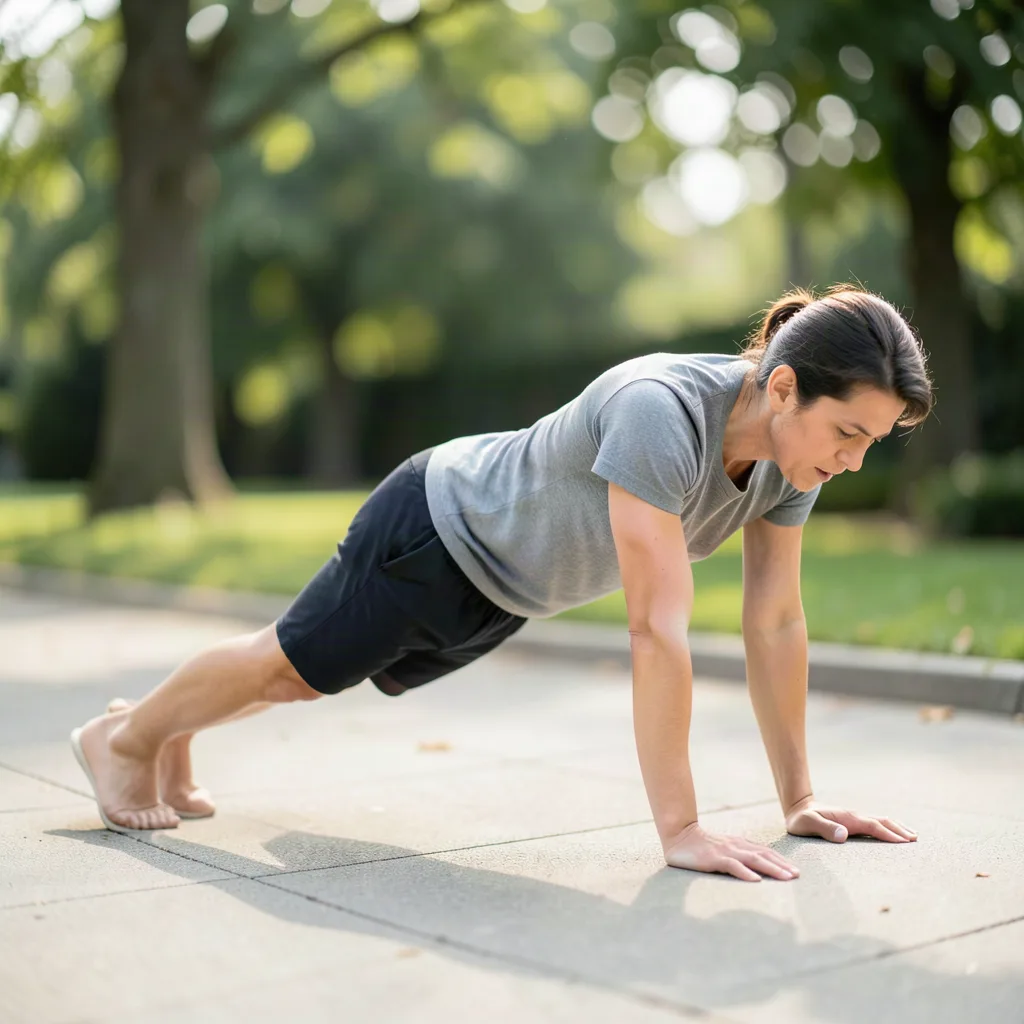
Looking for a quick, effective way to boost your core strength and add some energy to your daily routine? The 5-Minute Plank Challenge is a simple yet powerful workout that can fit into even the busiest schedules. In just five minutes a day, you can improve posture, enhance stability, and support overall fitness. This article guides you through the challenge, offers tips for success, and explains how to maximize your results.
Why Choose the 5-Minute Plank Challenge?
The plank is a foundational exercise that engages multiple muscle groups, including the abdominals, back, shoulders, and legs. Unlike exercises that require equipment or a gym, planking can be done anywhere, anytime. The 5-Minute Plank Challenge is ideal because it delivers measurable results in a short period, encourages consistency, and helps build mental discipline.
Understanding the Plank: Muscles and Benefits
Planking primarily targets the core, but it also recruits the glutes, quads, chest, and upper back. A strong core is crucial for everyday movements, balance, and injury prevention. Regular planking can help:
- Improve posture
- Increase stability
- Enhance athletic performance
- Reduce the risk of back pain
The challenge also encourages discipline and mindfulness, as holding a plank requires focus and control.
How to Perform a Proper Plank
To get the most from the 5-Minute Plank Challenge, form is crucial. Here’s how to execute a correct plank:
- Start in a forearm plank position. Place your forearms on the ground, elbows directly under your shoulders.
- Extend your legs behind you, keeping feet hip-width apart.
- Engage your core by pulling your belly button toward your spine.
- Keep your body in a straight line from head to heels—no sagging hips or raised buttocks.
- Look down, keeping your neck neutral.
Breathe steadily throughout, and focus on maintaining tension in your entire body.
The 5-Minute Plank Challenge Structure
The challenge can be adapted to suit different fitness levels. Here are three sample structures:
- Beginner: Five sets of 1-minute planks, resting 30 seconds between sets.
- Intermediate: Two sets of 2.5-minute planks, resting 1 minute between sets.
- Advanced: One continuous 5-minute plank.
If you’re new to planking, start with shorter holds and gradually increase your time. The key is consistency: aim to complete the challenge daily for at least one week.
Common Plank Variations
Mixing up plank variations can target different muscle groups and keep your routine interesting. Try these during the challenge:
- Side Plank: Focuses on the obliques and improves balance.
- Reverse Plank: Engages the posterior chain, including glutes and hamstrings.
- Plank with Leg Lift: Adds instability, recruiting more muscle fibers.
- High Plank: Performed with arms extended, targets shoulders and wrists.
Alternate variations each day to prevent plateaus and maintain motivation.
Tips for Success and Injury Prevention
Planking may seem simple, but improper form can lead to discomfort or injury. Follow these tips:
- Warm up before starting to activate your muscles.
- Keep your elbows directly under your shoulders for stability.
- Engage your glutes and legs, not just your core.
- Breathe deeply and avoid holding your breath.
- Stop if you feel pain in your lower back or shoulders.
Listen to your body and adjust duration or variation as needed. If necessary, consult a fitness professional for personalized guidance.
Tracking Progress and Staying Motivated
Documenting your plank times and feelings each day can help you stay motivated. Use a journal or smartphone app to record:
- Plank duration and variation
- Physical sensations and energy levels
- Any improvements in posture or stability
Set small goals, like increasing your hold by 10 seconds each week. Share your progress on social media or with workout buddies to stay accountable.
Integrating the Plank Challenge Into Your Routine
The beauty of the 5-Minute Plank Challenge is its flexibility. You can fit it into your morning routine, during work breaks, or as part of a larger workout. Here are practical ways to integrate it:
- Morning Energizer: Complete your plank challenge first thing to wake up your body.
- Desk Break: Use the challenge as a midday reset during office hours.
- Workout Finisher: Add planks at the end of your exercise session for extra core activation.
Consistency is key. Try to plank at the same time each day to build a sustainable habit.
Sample Weekly Plank Challenge Schedule
Here’s an example schedule to keep things varied and engaging:
| Day | Plank Variation | Duration |
|---|---|---|
| Monday | Forearm Plank | 5 x 1 min |
| Tuesday | Side Plank | 2 x 2.5 min (each side) |
| Wednesday | High Plank | 5 x 1 min |
| Thursday | Reverse Plank | 2 x 2.5 min |
| Friday | Forearm Plank with Leg Lift | 5 x 1 min |
| Saturday | Side Plank | 2 x 2.5 min (each side) |
| Sunday | Rest or gentle stretching | – |
Adjust the schedule based on your fitness level and preferences. The goal is to challenge your core in different ways while allowing for recovery.
Breaking Through Plateaus: Advanced Plank Progressions
Once you’ve established a solid foundation with the 5-Minute Plank Challenge, it’s common to encounter a plateau where further improvements seem elusive. Overcoming these plateaus requires strategic progression and targeted training techniques. Here are several strategies and advanced plank variations to keep your core development moving forward:
- Weighted Plank: Add a weight plate or sandbag to your upper back. Start with light resistance and focus on maintaining perfect form for shorter intervals, gradually increasing the load as your strength builds.
- RKC Plank: The Russian Kettlebell Challenge (RKC) plank involves actively pulling your elbows toward your toes and your toes toward your elbows (without movement) to create maximal tension throughout the body. This intensifies the contraction and dramatically increases core activation.
- Stir-the-Pot Plank: Place your forearms on a stability ball and make slow, controlled circles. This dynamic variation challenges your core stability and shoulder strength.
- Single-Arm or Single-Leg Plank: Lift one arm or one leg at a time while maintaining a straight body line. Alternate sides to balance muscle development and improve anti-rotational strength.
- Band-Resisted Plank: Loop a resistance band around your wrists or ankles in a high or forearm plank position. The band adds lateral tension, forcing your muscles to stabilize against the pull.
To incorporate these into your routine, substitute one advanced variation for a standard plank in your daily challenge. For example, perform a weighted plank for 30-45 seconds, rest, and then complete the remaining time with a standard plank. Always prioritize form and quality over duration, especially with more demanding progressions.
Plank Challenges for Specific Goals: Sports, Aesthetics, and Rehabilitation
The versatility of the plank makes it an excellent tool for addressing diverse fitness goals. Here’s how to tailor your 5-Minute Plank Challenge to meet specific objectives:
- Sports Performance: Athletes in sports such as running, cycling, and team sports benefit from core stability and anti-rotational strength. Incorporate side planks, single-arm planks, and plank rows (renegade rows) to enhance your ability to transfer force, stabilize under pressure, and resist unwanted movement.
- Aesthetic Goals: For those focusing on visible abs and a toned midsection, combine planks with dynamic core exercises like mountain climbers, plank jacks, and hip dips. Cycling through static and dynamic movements within your five minutes maximizes muscle engagement and caloric burn.
- Rehabilitation and Injury Prevention: If recovering from an injury or working on imbalances, opt for modified planks such as knee planks, incline planks, or wall planks. Emphasize slow, controlled holds and prioritize quality over quantity. Consult with a physiotherapist or qualified trainer to personalize your approach.
In all scenarios, consistency and gradual progression are key. Adjust your daily structure to reflect your goals, and monitor how your body responds to different plank variations.
Planking for Different Body Types and Ages
Planking is accessible to people of all ages and body types, but individual needs and anatomical differences should be considered for optimal results and safety. Here’s how to adapt the challenge for various populations:
- Children and Adolescents: For younger participants, planking helps develop foundational strength and body awareness. Keep sessions playful and short (20-40 seconds), and introduce variety to maintain engagement. Supervision and encouragement are important to ensure proper form.
- Older Adults: Core stability is crucial for balance, fall prevention, and daily function. Use knee or incline planks to reduce joint stress, and focus on shorter holds (15-30 seconds) with more frequent rest. Gradually increase duration as comfort improves, and consider using a padded surface for wrist and elbow support.
- Larger or Heavier Individuals: Start with incline or wall planks to reduce load on the shoulders and lower back. Progress to forearm or high planks as strength improves. Prioritize technique and don’t hesitate to take breaks as needed.
- Pregnant Individuals: Planks can be safe during early pregnancy, but always consult with a healthcare provider first. As pregnancy progresses, modify planks by raising the surface (e.g., hands on a bench) or performing them on the knees to minimize abdominal pressure. Discontinue if any discomfort arises.
Personalization is essential. Listen to your body and adjust the challenge structure or variation to suit your unique needs and circumstances.
Enhancing Mind-Body Connection Through Plank Practice
The plank’s static nature makes it an ideal exercise for cultivating mindfulness and improving the mind-body connection. Here are practical strategies to maximize the mental benefits of your plank practice:
- Breath Awareness: Focus on slow, diaphragmatic breaths throughout each plank hold. Count your inhales and exhales or coordinate your breathing with a mental mantra to maintain calm and steadiness.
- Bodyscan Technique: During your plank, systematically check in with each muscle group from head to toe—relax your jaw, activate your glutes, press evenly through your forearms or palms, and lengthen your spine. This self-check promotes optimal alignment and injury prevention.
- Visualization: Envision your body as a solid, unyielding bridge. Picture each muscle contributing to your stability, or imagine energy flowing through your core. Visualization can improve endurance and help you push through challenging moments.
- Setting Intentions: Before beginning each session, set a clear intention—whether it’s to complete the full five minutes, hold perfect form, or simply stay present. Reflect on your intention after finishing to reinforce positive habits and self-awareness.
Integrating these mindfulness techniques into your plank practice not only enhances physical results but also reduces stress and promotes a sense of accomplishment.
Combining Planks With Other Core Exercises for Maximum Impact
While planks are a cornerstone of core training, combining them with complementary moves can accelerate progress and prevent monotony. Here’s how to sequence planks with other effective core exercises for a well-rounded challenge:
- Plank Supersets: Alternate 30-60 seconds of planking with another core move such as Russian twists, dead bugs, or bird dogs. Repeat for five minutes to target multiple planes of movement.
- Core Circuits: Build a circuit that includes planks, side planks, mountain climbers, V-ups, and hollow holds. Complete as many rounds as possible in five minutes, or cycle through each exercise for set intervals (e.g., 1 minute per move).
- Active Rest: Instead of complete rest between plank sets, perform low-intensity movements such as standing marches or gentle stretches. This approach maintains your heart rate and enhances overall conditioning.
Sample five-minute combination routine:
- 1 minute forearm plank
- 1 minute dead bug
- 1 minute side plank (30 seconds per side)
- 1 minute mountain climbers
- 1 minute high plank
This blend of static and dynamic exercises ensures comprehensive core engagement and keeps your workouts fresh and effective.
Addressing Common Plank Problems and Troubleshooting Form
Even with careful attention to technique, some participants may encounter discomfort or difficulties during the 5-Minute Plank Challenge. Here’s how to troubleshoot and resolve common issues:
- Wrist Pain: Switch to forearm planks or use push-up bars to keep wrists in a neutral position. You can also practice wrist mobility drills and warm-ups to reduce strain.
- Shoulder Discomfort: Ensure elbows are directly under shoulders and shoulders remain engaged (not collapsing or shrugging). Strengthening the upper back and rotator cuff with accessory exercises can also help.
- Lower Back Sag: Engage your glutes and legs, tuck your pelvis slightly, and avoid overarching. If fatigue sets in, take a brief rest or modify the plank (e.g., drop to knees) to maintain alignment.
- Neck Strain: Keep your gaze slightly forward or directly down and avoid craning your neck. Imagine lengthening through the crown of your head.
- Hip Piking or Sinking: Check your body line in a mirror or film yourself for feedback. Practice engaging your entire core and glutes to hold a straight position.
Addressing these issues promptly helps you build strength safely. If discomfort persists, consult a fitness professional for personalized guidance and corrective strategies.
Making the Challenge Social: Group and Family Plank Activities
Involving others in your plank journey can boost motivation and accountability while making exercise more enjoyable. Here are creative ways to make the 5-Minute Plank Challenge a shared experience:
- Plank Competitions: Organize friendly contests with colleagues, friends, or family to see who can hold a plank the longest or complete the most creative variation. Use video calls for virtual participation.
- Team Challenges: Form groups and accumulate total plank time over a week or month. Set milestones and celebrate reaching collective goals.
- Family Plank Time: Make planking a daily family ritual. Encourage children and adults alike to participate, adapting the duration and variation to individual abilities. Add music, games, or storytelling for fun.
- Online Communities: Join social media groups or fitness forums to share progress, exchange tips, and find inspiration from others participating in plank challenges around the world.
Social engagement can transform the challenge from a solitary activity into a source of support and connection, making it easier to stick with your daily practice.
Nutritional Strategies to Support Core Strength and Recovery
Optimal nutrition plays an underappreciated role in supporting your progress during the 5-Minute Plank Challenge. Here’s how to fuel your body for sustained energy, muscle growth, and recovery:
- Balanced Meals: Prioritize a mix of lean proteins (chicken, fish, tofu), complex carbohydrates (whole grains, legumes), and healthy fats (avocado, nuts, olive oil) to provide steady energy for your workouts.
- Hydration: Dehydration can impair muscle function and concentration. Aim for at least 8 cups (2 liters) of water daily, and increase intake after strenuous sessions or in hot weather.
- Pre-Workout Snacks: If planking in the morning or after a long break, a light snack such as a banana, yogurt, or a handful of nuts can enhance performance and prevent dizziness.
- Post-Workout Recovery: Replenish with a combination of protein and carbohydrates within an hour after your challenge. Options include a smoothie with protein powder and fruit, or hummus with whole grain crackers.
- Micronutrients: Ensure adequate intake of vitamins and minerals, particularly magnesium, calcium, and vitamin D, to support muscle contraction and recovery.
Consult a registered dietitian or nutritionist for individualized advice, especially if you have dietary restrictions or specific health considerations. Remember, nutrition and exercise work together to produce the best results.
Adapting the 5-Minute Plank Challenge for Travel and Busy Lifestyles
One of the greatest advantages of the plank is its adaptability to any environment. Here’s how to maintain your 5-Minute Plank Challenge when you’re traveling or pressed for time:
- Minimal Equipment: All you need is a flat surface. A yoga mat or towel can provide added comfort in hotel rooms or outdoor settings. If space is limited, opt for static planks instead of dynamic variations.
- Time-Saving Splits: If you can’t dedicate five continuous minutes, break the challenge into shorter intervals (e.g., five 1-minute planks spread throughout the day). Consistency matters more than timing.
- Mobile Tracking: Use fitness apps or the timer on your phone to monitor your plank durations and variations. Set reminders to prompt you at regular intervals.
- On-the-Go Variations: Try wall planks or incline planks using a bench, desk, or sturdy countertop when you can’t get on the floor. These modifications are perfect for airports, offices, and other unconventional spaces.
Flexibility and creativity ensure that your core training stays on track, no matter where life takes you.
Measuring Long-Term Progress: Beyond Time and Reps
While increasing plank duration is a straightforward way to track improvement, long-term progress involves a broader perspective. Here are alternative metrics and milestones to consider as you continue your plank journey:
- Quality of Form: Film yourself periodically or have a partner observe your alignment. Improved posture and body control are key indicators of progress.
- Core Endurance in Daily Life: Notice whether everyday tasks such as lifting groceries, climbing stairs, or maintaining posture at your desk feel easier. Enhanced stability and reduced fatigue are signs of a stronger core.
- Reduced Discomfort: Less lower back or hip pain during and after planking often signals improved technique and muscle balance.
- Increased Confidence: Completing the challenge consistently and mastering new variations can boost self-efficacy and motivation to tackle other fitness goals.
- Physical Appearance: Track changes in muscle tone, waist circumference, or body composition, if desired, as part of your overall fitness assessment.
Set periodic check-ins—monthly or quarterly—to reflect on your achievements and adjust your routine. Celebrate all progress, big and small, as you build a resilient and functional core.
Frequently Asked Questions
- Is it safe to plank every day?
- Yes, planking daily is generally safe for most healthy individuals, as it is a low-impact exercise. However, listen to your body and rest if you experience pain or excessive fatigue. If you have any health concerns, consult your healthcare provider before starting a new routine.
- How long should I hold a plank if I’m a beginner?
- If you’re new to planking, start with 20-30 seconds and gradually increase your hold as your strength improves. It’s better to maintain good form for a short time than to compromise form for a longer duration.
- Can planking help with back pain?
- Planking strengthens the core, which can support the lower back and promote better posture. However, if you have existing back issues, consult a professional before attempting planks, and stop if you experience any pain during the exercise.
- What if I can’t complete the full 5 minutes?
- No problem! The challenge is about progress, not perfection. Break the time into smaller sets and gradually build your endurance. Consistency and correct form are more important than reaching five minutes immediately.
- Are there alternatives to the standard plank?
- Yes, there are many plank variations that can suit different needs and abilities, such as knee planks, incline planks, and side planks. These alternatives can help you build core strength safely and effectively.
Related posts:
 Celebrity Planking Exercise Trends
 5-Minute Core Blast Workout
 Proper Plank Form Guide
 PHA Bodyweight Workout: Efficient Fitness Anywhere, Anytime
 J.Lo’s Glider Plank Technique
 Common Plank Mistakes
 Spider Planks: The Ultimate Core-Strengthening Exercise
 Are Planks Cardio? Exploring the Benefits of Isometric Exercise