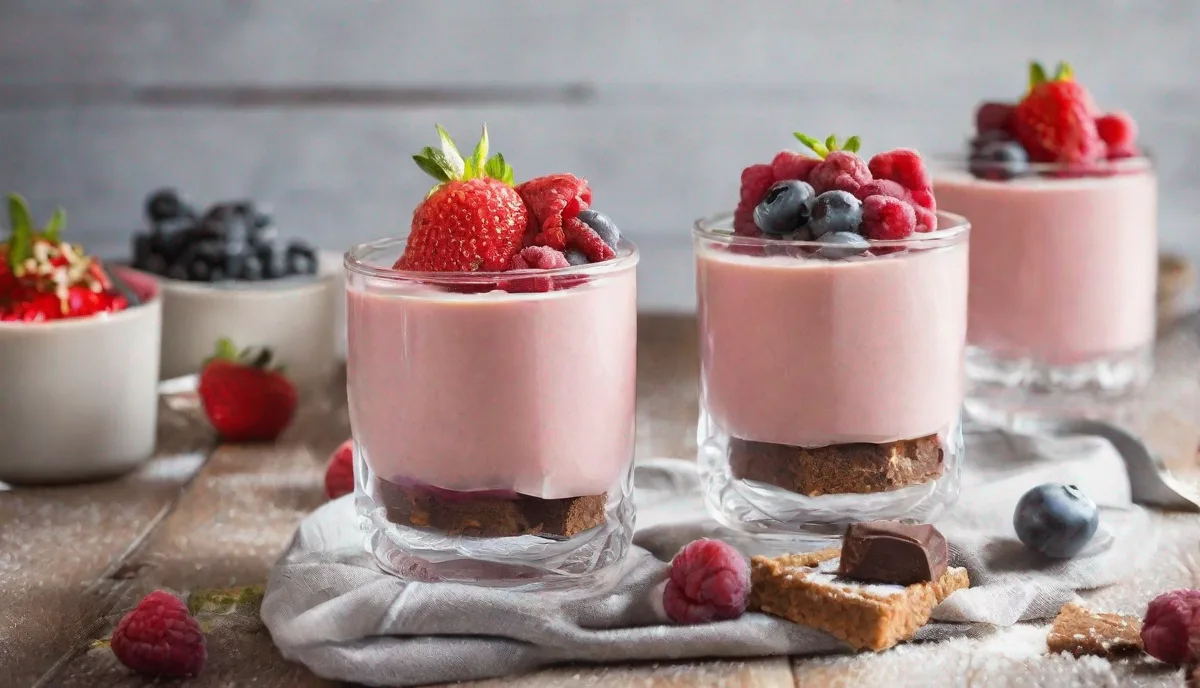
Indulging in dessert doesn’t have to mean derailing your healthy eating goals. With these 5 sugar-free dessert recipes, you can enjoy sweet treats that are not only delicious but also kind to your body and your sugar intake. Whether you’re diabetic, looking to lose weight, or simply aiming for a healthier lifestyle, these recipes are the perfect solution to satisfy your sweet tooth without the guilt.
1. Avocado Chocolate Mousse
This creamy and velvety mousse is made with ripe avocados, providing a healthy dose of fats and a smooth texture without the need for added sugar. Ingredients include ripe avocados, unsweetened cocoa powder, a pinch of salt, vanilla extract, and a sugar substitute like stevia or erythritol. Blend until smooth and chill before serving.
2. Greek Yogurt Berry Parfait
Layer Greek yogurt with fresh berries and homemade granola for a simple and refreshing dessert. Opt for full-fat, unsweetened yogurt to get the creaminess you desire, and sweeten it with a bit of honey or your favorite sugar-free sweetener. Top with nuts or seeds for added crunch and nutrients.
3. Baked Apples with Cinnamon
Coring apples and filling them with a mixture of cinnamon, nutmeg, and a sugar-free sweetener, then baking until tender, creates a warm and comforting dessert. Serve with a dollop of sugar-free whipped cream or a scoop of sugar-free vanilla ice cream for an extra treat.
4. Almond Flour Lemon Cake
This light and zesty cake uses almond flour for a gluten-free and low-carb option. Sweetened with a sugar-free sweetener and flavored with fresh lemon juice and zest, it’s a delightful dessert that won’t leave you feeling heavy. Enjoy it with a cup of herbal tea for a perfect afternoon delight.
5. No-Bake Peanut Butter Balls
These no-bake treats are packed with protein and healthy fats. Made with natural peanut butter, ground flaxseed, sugar-free sweetener, and a touch of vanilla, they’re rolled into balls and refrigerated until firm. Dip them in melted sugar-free dark chocolate for an extra layer of indulgence.
Mastering the Science of Sugar Substitutes in Baking
To successfully transition from traditional baking to sugar-free alternatives, one must understand that sugar provides more than just sweetness; it provides bulk, moisture, and structural integrity. When you remove sucrose, you are removing a humectant—a substance that bonds with water to keep cakes moist. This is why many sugar-free desserts can turn out crumbly or dry if the substitute isn’t managed correctly. To counter this, it is essential to categorize your sweeteners by their chemical behavior. For instance, erythritol is a sugar alcohol that is roughly 70% as sweet as sugar. It does not dissolve as easily as sucrose, which can lead to a grainy texture in frostings or delicate mousses. A professional tip is to pulse your granulated erythritol in a high-speed blender until it reaches a powdered consistency before incorporating it into fats like butter or cream cheese.
Allulose is another game-changer in the sugar-free world. Unlike erythritol, allulose is a rare sugar that actually undergoes the Maillard reaction—the chemical process responsible for browning and the development of complex flavors in baked goods. If you find that your sugar-free cookies or cakes look pale and unappealing, substituting a portion of your sweetener with allulose can provide that golden-brown crust and a slight caramel-like depth that other sweeteners lack. However, be mindful that allulose is highly hygroscopic, meaning it attracts moisture. While this keeps your desserts soft, it can also lead to a “sticky” surface if left out in humid environments. Balancing allulose with a more stable sweetener like monk fruit can create the perfect textural equilibrium.
Furthermore, the “cooling effect” of certain sugar alcohols can be off-putting in warm desserts. This sensation, similar to the feeling of mint, occurs because erythritol and xylitol absorb heat from the mouth as they dissolve. To mask this, incorporate warm spices like ginger, cardamom, or extra cinnamon, which naturally counteract the cooling sensation. Additionally, using a blend of sweeteners—such as a liquid stevia combined with a granulated erythritol—often results in a more rounded sweetness profile that mimics the complex taste of real sugar without the bitter aftertaste often associated with high concentrations of a single substitute.
Texture and Mouthfeel: Solving the Dryness Problem
One of the most frequent complaints regarding sugar-free baking is the lack of a tender “crumb.” Because sugar helps to tenderize dough by interfering with gluten development (or by providing bulk in gluten-free applications), its absence often results in a rubbery or overly dense texture. To remedy this, sugar-free bakers must rely on alternative moisture-retaining ingredients. Pureed vegetables and fruits are secret weapons in this department. Unsweetened applesauce, pumpkin puree, or even finely grated zucchini can add the necessary weight and hydration to a batter without significantly altering the flavor profile. For a chocolate cake, a quarter cup of brewed espresso or coffee can also enhance the cocoa flavor while providing the liquid needed to keep the almond or coconut flour hydrated.
The role of fats becomes even more critical in the absence of sugar. In traditional recipes, sugar and butter are creamed together to trap air, creating a light and fluffy texture. In sugar-free recipes, this aeration is harder to achieve. To compensate, consider using a combination of fats with different melting points. For example, mixing butter with a small amount of neutral-flavored oil (like light olive oil or avocado oil) ensures that the dessert remains soft even when refrigerated. Additionally, adding a teaspoon of xanthan gum or guar gum to your dry ingredients can mimic the binding properties of sugar and gluten, providing that slight chewiness found in traditional brownies or cookies. These hydrocolloids work by thickening the batter and trapping moisture, preventing the “sawdust” texture that often plagues low-carb treats.
Edge cases, such as sugar-free meringues or pavlovas, require even more precision. Since sugar is the stabilizing agent that holds the air bubbles in whipped egg whites, sugar-free versions often collapse. Using a combination of cream of tartar for acidity and a very finely powdered sweetener is necessary. Allulose is particularly effective here because it behaves most like sugar in a syrup form. If you are struggling with a recipe that feels too “light” or lacks body, increasing the egg count by one yolk can provide emulsifiers (lecithin) that bridge the gap between the fats and liquids, resulting in a much richer mouthfeel.
The Art of Sugar-Free Chocolate Work
Chocolate is a staple of the dessert world, but sugar-free chocolate behaves differently under heat than standard semi-sweet or milk chocolate. Most sugar-free chocolate chips are sweetened with stevia or erythritol, which can make the chocolate more prone to seizing or becoming grainy when melted. To melt sugar-free chocolate successfully, always use a double boiler (bain-marie) rather than a microwave. The indirect, gentle heat prevents the sweetener from crystallizing and the cocoa solids from burning. Adding a teaspoon of coconut oil or cocoa butter to the melting chocolate can also help achieve a glossy, pourable consistency perfect for dipping or drizzling.
For those who want to move beyond pre-packaged chips, making your own sugar-free chocolate coating is surprisingly simple and allows for complete control over the ingredients. By combining food-grade cocoa butter, unsweetened cocoa powder, and a concentrated liquid sweetener, you can create a rich, dark chocolate that sets firmly at room temperature. The key is tempering: heating the mixture to a specific point and then cooling it slightly while stirring. This aligns the fat crystals in the cocoa butter, giving the finished chocolate a professional “snap” when you bite into it. If your chocolate ends up with white streaks (bloom), it’s usually a sign of improper tempering or moisture contamination, but it remains perfectly edible and can be remelted for a second attempt.
When using chocolate as an inclusion, such as in cookies, remember that sugar-free chocolate does not always melt and spread the same way. It tends to hold its shape more rigidly. If you prefer “puddles” of chocolate in your cookies, try chopping a sugar-free chocolate bar into irregular chunks rather than using uniform chips. The varying sizes will create different textures throughout the dessert, with smaller shards melting into the dough and larger pieces providing a substantial bite. This technique also helps distribute the sweetness more evenly, ensuring that every mouthful has a balance of bitter cocoa and sweet substitute.
Fruit-Forward Techniques: Concentrating Natural Sweetness
While the existing article mentions using fruit as a sweetener, the technique of *concentrating* that sweetness is what separates a mediocre sugar-free dessert from a gourmet one. Simply adding raw fruit can sometimes lead to a watery result. Instead, try roasting your fruits before incorporating them into recipes. Roasting strawberries, peaches, or plums at a low temperature evaporates their water content, intensifying their natural fructose and creating a jam-like consistency without any added pectin or sugar. These roasted fruits can be swirled into sugar-free cheesecakes or folded into almond flour muffins for a burst of flavor that tastes far sweeter than the raw equivalent.
Another advanced technique is the use of fruit reductions. By simmering unsweetened fruit juices or purees until they reduce by half or more, you create a thick syrup that can be used as a natural glaze. For example, a reduction of pomegranate juice or unsweetened cranberry juice provides a tart, complex sweetness that pairs beautifully with heavy, creamy desserts like panna cotta. Be cautious with the quantity, as even natural fruit sugars can impact blood glucose levels, but used sparingly, these reductions provide a depth of flavor that artificial extracts cannot match.
Dehydrated fruit powders are also an excellent way to add sweetness and color without adding moisture. You can make these by drying thin slices of fruit in a low oven until brittle and then grinding them into a fine powder. A tablespoon of raspberry powder added to a sugar-free frosting provides a vibrant pink hue and a concentrated tart-sweet flavor. This is particularly useful in recipes where adding liquid (like fruit juice) would ruin the consistency, such as in a buttercream or a shortbread cookie. It allows you to layer flavors, using the fruit powder in the dough and the roasted fruit as a topping, creating a sophisticated, multi-dimensional dessert.
Dairy-Free and Sugar-Free: Navigating Dual Restrictions
Many individuals seeking sugar-free options are also looking for dairy-free alternatives, which adds another layer of complexity to dessert chemistry. Sugar and dairy fats often work together to create a smooth emulsion. When you remove both, you risk a “broken” or oily texture. Coconut cream is the most robust substitute for heavy dairy cream, but it requires specific handling. To make a sugar-free whipped topping, chill a can of full-fat coconut milk overnight and use only the solidified cream at the top. When whipping, use a touch of cream of tartar to help hold the peaks, as coconut fat melts at a lower temperature than dairy fat and can go flat quickly in a warm kitchen.
Nut-based creams, particularly cashew cream, offer a neutral flavor profile that is excellent for sugar-free custards or puddings. To make a smooth cashew cream, soak raw cashews for at least four hours before blending them with a small amount of water or nut milk until completely homogenous. The natural fats in cashews provide a “weight” on the tongue that mimics the mouthfeel of traditional dairy. This is especially useful in sugar-free lemon curds or chocolate ganaches where you want a silky, lingering finish. Because cashews have a slight inherent sweetness, you may find you need less sugar substitute when using them as a base.
For egg-heavy desserts like flan or custard, replacing dairy with almond milk can sometimes lead to a thin, watery consistency because almond milk lacks the protein and fat density of cow’s milk. To fix this, you can whisk in a small amount of collagen peptides or a teaspoon of egg yolk powder. These additions provide the structural proteins necessary for the dessert to “set” properly. If you are making a vegan and sugar-free dessert, using agar-agar (a seaweed-based gelatin substitute) is highly effective, but remember that agar-agar sets much firmer than traditional gelatin. Use it sparingly—usually about one teaspoon per two cups of liquid—to avoid a rubbery texture.
Advanced Flour Alternatives for Superior Crumbs
While almond flour is the “gold standard” for sugar-free baking, it is not a one-size-fits-all solution. Almond flour is high in fat and low in starch, which means it doesn’t always provide the “lift” needed for airy cakes. To improve the structure of almond flour-based desserts, try blending it with other low-carb flours. Coconut flour is a common companion, but it is extremely absorbent. A general rule of thumb is that for every cup of almond flour, you can add two tablespoons of coconut flour to help soak up excess oil and provide a more cake-like crumb. However, you must increase the liquid or egg count accordingly to prevent the final product from being too dry.
Lupin flour is a lesser-known but highly effective alternative for sugar-free baking. Derived from the lupin bean, it is high in protein and fiber but very low in net carbs. It has a yellow tint and a slightly nutty, savory flavor that works exceptionally well in sugar-free bread puddings or savory-sweet scones. Because of its high protein content, it provides excellent structure and browning. Another option is sunflower seed flour, which is a great nut-free alternative to almond flour. Note that sunflower seed flour can react with leavening agents like baking soda, occasionally turning the inside of your baked goods green. This is a harmless chemical reaction with the chlorophyll in the seeds, but it can be neutralized by adding a teaspoon of lemon juice or apple cider vinegar to the batter.
For those looking for a “short” texture in cookies or pie crusts, adding a small amount of golden flax meal can provide the necessary binding without the need for gluten or sugar. Flax meal, when hydrated, creates a mucilaginous consistency that acts as a glue. In a sugar-free tart crust, for example, a mix of almond flour, cold butter, and a tablespoon of flax meal will result in a base that is sturdy enough to hold a heavy filling but still crumbles perfectly when cut with a fork. Always store these alternative flours in the refrigerator or freezer, as their high oil content makes them prone to rancidity, which can impart a bitter flavor to your desserts.
Flavor Enhancers: The Secret to Depth Without Glucose
In the absence of sugar, other flavors must work harder to provide a satisfying experience. Salt is the most underrated ingredient in sugar-free desserts. A pinch of high-quality sea salt or fleur de sel doesn’t just make things salty; it suppresses bitterness and enhances the perception of sweetness. In a sugar-free chocolate mousse or peanut butter ball, a slightly aggressive use of salt can make the sugar substitute taste more like real sugar. Vanilla is another essential tool, but move beyond standard extract. Vanilla bean paste or the seeds from a fresh pod provide aromatic oils that create a “sweet” scent, which tricks the brain into perceiving the dish as sweeter than it actually is.
Citrus zests—lemon, lime, and orange—contain essential oils that provide a bright top note, cutting through the heavy fats often found in sugar-free recipes. When using zest, always add it to the fat (like butter or oil) first. Fats are excellent carriers of flavor, and “blooming” the zest in the fat before adding the rest of the ingredients ensures the citrus flavor is distributed throughout the entire dessert. Similarly, using espresso powder or a dash of balsamic vinegar in chocolate-based recipes adds an acidic and bitter complexity that mimics the nuanced flavors of high-end, sugar-laden dark chocolate.
Finally, consider the power of toasted flavors. Toasting your almond flour in a dry pan for a few minutes before baking, or browning your butter (beurre noisette) until it smells like toasted hazelnuts, adds a layer of savory sweetness that compensates for the lack of caramelized sugar. These “brown” flavors provide a sensory cue that the dessert is rich and indulgent. Even a small amount of toasted coconut or chopped toasted pecans on top of a sugar-free parfait can provide the olfactory and textural variety needed to satisfy a sweet craving completely. By focusing on the harmony of salt, acid, fat, and aroma, you can create sugar-free desserts that are not just “good for being sugar-free,” but are objectively delicious culinary creations.
FAQ
Can I use fruit as a natural sweetener in sugar-free desserts?
Yes, fruits like bananas, apples, and dates can provide natural sweetness to desserts without the need for added sugars. However, keep in mind that they still contain natural sugars and should be consumed in moderation.
Are sugar-free desserts suitable for diabetics?
Many sugar-free desserts can be suitable for diabetics, but it’s important to check the recipe for other carbohydrates that may affect blood sugar levels. Consult with a healthcare provider for personalized advice.
How can I ensure my sugar-free desserts taste good?
Using high-quality ingredients and flavor enhancers like vanilla extract, spices, and cocoa powder can help enhance the taste of sugar-free desserts. Experimenting with different sugar alternatives can also help you find the one that tastes best to you.
Can I use honey or maple syrup in sugar-free recipes?
Honey and maple syrup are natural sweeteners, but they are not considered sugar-free. If you’re avoiding all sugars, use a sugar substitute like stevia, erythritol, or monk fruit sweetener instead.
What are some common sugar substitutes used in sugar-free baking?
Stevia, erythritol, xylitol, monk fruit sweetener, and allulose are some of the most common sugar substitutes used in sugar-free baking. Each has its own unique properties and conversion rates, so be sure to follow the recipe’s recommendations.
Related posts:
 Low-Sugar Dessert Recipes
 Almond Flour or Meal: How to Use It and Where to Get It
 Healthy Frozen Banana Desserts
 Is Starbucks Almond Milk Healthy?
 Hu Kitchen’s New Milk Chocolate Adventure
 Healthy Homemade Peanut Butter Cup Recipe
 Low-Sugar Mexican Desserts to Curb Your Sweet Tooth
 Sweet Tooth Salvation: Sugar-Free Keto Dessert Bites That Actually Taste Amazing