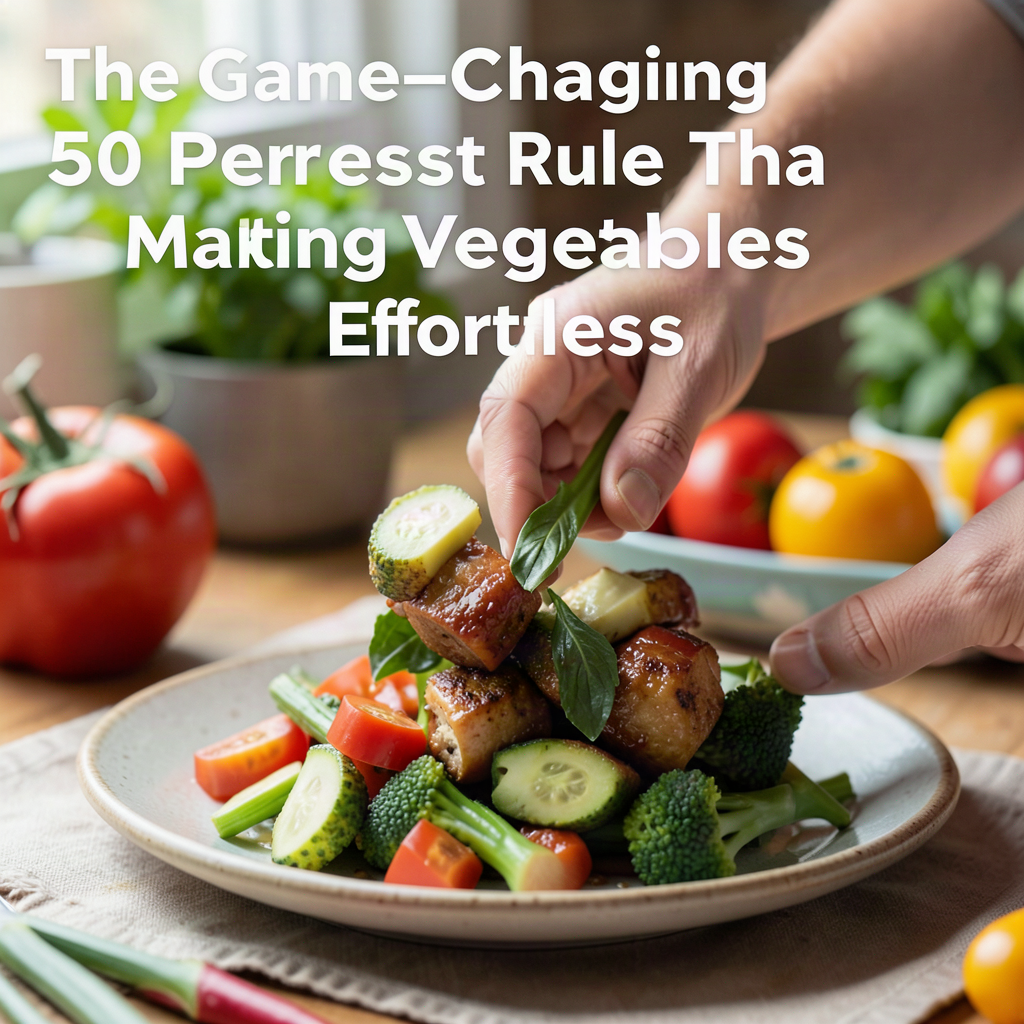
If you’ve ever stared at your plate wishing there were more vegetables on it—and actually felt excited about eating them—you’re not alone. Most people know they should eat more vegetables. The gap between knowing and doing feels enormous. Enter the 50 percent rule: a refreshingly simple approach that transforms vegetable consumption from a chore into an effortless habit.
What Exactly Is the 50 Percent Rule?
The concept is straightforward: fill half your plate with vegetables at every meal. Not as a side dish hiding in the corner, but as the main event occupying genuine real estate on your dish. This isn’t about restriction or elimination. It’s about reorganization and abundance.
Unlike complicated counting systems or restrictive diets that demand you track every bite, the 50 percent rule works with visual cues. Your eyes become your guide. No apps, no calculations, no measuring cups. Just a simple glance at your plate to confirm that vegetables claim their rightful half.
The beauty lies in what this approach adds rather than subtracts. Instead of focusing on what you’re cutting out, you’re focusing on what you’re adding in. This psychological shift makes the practice feel expansive rather than limiting, which is precisely why it sticks.
Why This Approach Actually Works Long-Term
Most nutrition advice fails because it fights against human nature. Willpower depletes. Rules feel oppressive. Restriction triggers rebellion. The 50 percent rule succeeds because it works with your psychology, not against it.
First, it’s visually obvious. You don’t need to remember serving sizes or gram measurements. Your plate provides instant feedback. When the vegetable portion looks sparse, you know immediately what needs adjusting.
Second, it creates natural portion control without deprivation. When half your plate contains fiber-rich, water-dense vegetables, you naturally feel satisfied with smaller portions of calorie-dense foods. This happens organically, without the mental gymnastics of traditional dieting.
Third, it builds a sustainable habit loop. Every meal becomes practice. The repetition strengthens neural pathways until the behavior becomes automatic. What once required conscious effort transforms into your default setting.
Research on habit formation suggests that simple, concrete behaviors become habitual faster than complex ones. The 50 percent rule offers that simplicity. You’re not overhauling your entire relationship with food overnight. You’re making one consistent choice, meal after meal, until it feels strange to do anything else.
How to Implement the Rule Without Overwhelm
Starting a new habit feels daunting until you break it into manageable pieces. The key is progressive implementation rather than overnight transformation.
Begin with one meal. Dinner often works well as a starting point because you have more control over preparation and plating. Commit to making vegetables half your dinner plate for one week. Don’t worry about breakfast or lunch yet. Master one domain before expanding.
Once dinner feels natural, add lunch to the equation. Breakfast might seem trickier, but vegetables absolutely belong at the morning table. Spinach in scrambled eggs, leftover roasted vegetables alongside toast, or a quick vegetable-packed frittata all count toward your half-plate goal.
Prepare for the inevitable obstacle: convenience. When vegetables require washing, chopping, and cooking, they lose to grab-and-go options. Combat this by batch-preparing vegetables once or twice weekly. Roast a sheet pan of mixed vegetables, wash and store leafy greens ready for salads, keep cut vegetables visible in your refrigerator. The easier vegetables are to eat, the more likely you’ll reach for them.
Consider your environment. Keep a bowl of cherry tomatoes on the counter. Store pre-cut vegetables at eye level in the fridge. Freeze portions of vegetable soup for quick meals. When healthy options feel accessible, they become the path of least resistance.
Creative Ways to Hit Your Half-Plate Goal
Semantic satiation happens when you eat the same foods repeatedly until they lose appeal. A rotating cast of vegetables keeps meals interesting and ensures you’re receiving a spectrum of nutrients.
Think beyond the familiar trio of broccoli, carrots, and salad greens. Explore the vast world of vegetables waiting to occupy your plate. Bitter greens like radicchio and endive add sophistication to salads. Cruciferous vegetables like Brussels sprouts and cauliflower roast beautifully. Root vegetables like parsnips and turnips offer unexpected sweetness when caramelized.
Preparation methods dramatically alter vegetable appeal. If you’ve only experienced boiled Brussels sprouts, you haven’t really experienced Brussels sprouts. Try roasting with olive oil and balsamic vinegar. Sautéing with garlic. Grilling until charred. Steaming and finishing with fresh herbs and lemon. Each method creates distinct flavors and textures.
Sauces and seasonings transform vegetables from obligation to craving. A drizzle of tahini dressing makes roasted cauliflower luxurious. A sprinkle of Parmesan elevates asparagus. A splash of soy sauce and sesame oil turns simple bok choy into something memorable. Build a repertoire of vegetable-enhancing flavors.
Don’t overlook the strategy of hiding vegetables in plain sight. Blend spinach into smoothies where fruit masks its flavor. Grate zucchini into pasta sauce. Fold diced bell peppers into ground meat dishes. These additions supplement your visible half-plate vegetables rather than replacing them.
Making It Work for Families and Picky Eaters
Implementing the 50 percent rule with family members who view vegetables with suspicion requires strategy and patience. The goal is exposure without pressure.
Start by modeling the behavior. Children and reluctant adults alike respond to observation. When they consistently see you enjoying vegetables as half your plate, the behavior normalizes. What was foreign becomes familiar.
Involve resistant eaters in selection and preparation. A child who chooses the vegetable at the farmers market feels ownership over that choice. Someone who helps prepare the salad feels invested in eating it. Participation creates buy-in.
Offer choices rather than mandates. Would you prefer broccoli or green beans with dinner? This question provides autonomy while ensuring vegetables appear on the plate either way. Two vegetable options double your chances of acceptance.
Separate components rather than mixing everything together. Some eaters reject dishes where vegetables hide among other ingredients. Placing vegetables in their own distinct section allows selective eaters to engage with each component individually. They might try the roasted carrots on their own terms, separate from the potatoes they already love.
Celebrate small wins. A few bites of a new vegetable represents progress. Continued exposure matters more than immediate enthusiasm. Research suggests it can take ten to fifteen exposures before a new food becomes accepted. Keep offering without pressure.
Navigating Restaurants and Social Situations
The 50 percent rule feels straightforward at home where you control the kitchen. Restaurants and social gatherings present challenges, but not insurmountable ones.
When ordering at restaurants, scan the menu for vegetable-forward options. Many establishments offer sides of vegetables that can supplement entrées. Order a side salad or extra serving of vegetables to bring your plate into balance. Don’t hesitate to ask for substitutions—many restaurants accommodate requests to replace fries with roasted vegetables or add extra greens to a dish.
At buffet-style events, survey the options before filling your plate. Identify the vegetables first, then plan the rest of your choices around them. This approach ensures vegetables don’t get crowded out by more attention-grabbing options.
For dinner parties and gatherings, offer to bring a vegetable dish. This guarantees at least one substantial vegetable option and takes pressure off the host. A beautiful roasted vegetable platter or substantial salad contributes to the meal while supporting your half-plate goal.
When vegetables are scarce, do the best you can with what’s available. The 50 percent rule works as a guiding principle, not an all-or-nothing mandate. One meal with less-than-ideal proportions doesn’t undermine the overall habit. Return to the practice at your next opportunity.
The Surprising Benefits Beyond Nutrition
While the nutritional benefits of increased vegetable consumption are well-documented—vitamins, minerals, fiber, antioxidants, and phytonutrients that support overall health—the 50 percent rule delivers benefits that extend beyond the nutritional.
Cooking becomes more creative. When vegetables occupy half your plate, you naturally expand your culinary repertoire. New ingredients demand new techniques. New techniques build kitchen confidence. What began as a nutrition goal transforms into a cooking journey.
Food budgets often improve. Pound for pound, vegetables typically cost less than meat and processed foods. When you’re filling half your plate with roasted seasonal vegetables rather than additional portions of protein, grocery spending often decreases while nutrition improves.
Energy levels frequently stabilize. Vegetables provide sustained energy without the spikes and crashes associated with refined carbohydrates and sugar-laden foods. Many people report feeling more energetic and mentally clear when vegetables become dietary staples.
Environmental impact decreases. Plant foods generally require fewer resources to produce than animal products. A plate that prioritizes vegetables represents a more sustainable approach to eating, even without eliminating other food groups.
Perhaps most importantly, your relationship with food may shift toward abundance rather than restriction. Instead of focusing on what you shouldn’t eat, you’re focusing on what you get to eat more of. This reframing reduces the psychological struggle that often accompanies dietary changes.
Common Pitfalls and How to Overcome Them
Every habit encounters obstacles. Anticipating common pitfalls prepares you to navigate them successfully.
The quality trap catches many well-intentioned vegetable eaters. French fries technically come from potatoes. Ketchup contains tomatoes. These highly processed options shouldn’t occupy your vegetable half-plate. The rule works best with vegetables prepared simply—roasted, steamed, sautéed, or raw. Processing that adds excessive oil, sugar, or sodium undermines the benefits you’re seeking.
Preparation burnout strikes when you’re cooking vegetables the same way every time. Avoid monotony by cycling through different cooking methods and flavor profiles. Keep a list of favorite preparations so you can rotate through them without falling into a rut.
Social friction sometimes emerges when your eating patterns differ from those around you. Handle this gracefully by focusing on your own choices rather than commenting on others’. You don’t need to explain or defend your half-plate habit. Let your energy and satisfaction speak for themselves.
The perfectionism trap can derail progress. Missing the half-plate goal at one meal doesn’t invalidate your efforts. The rule describes a pattern over time, not a standard you must hit perfectly at every single eating occasion. Consistency matters more than perfection.
Seasonal challenges arise when fresh vegetables feel limited or expensive. Frozen vegetables offer comparable nutrition at lower cost with longer storage life. Canned vegetables work in a pinch, though watch sodium content. Seasonal eating actually introduces variety—different vegetables peak at different times, naturally rotating your options throughout the year.
The Science Behind Why Half Your Plate Works
Visual plate-based guidance isn’t arbitrary—it taps into cognitive psychology principles that make healthy eating sustainable. The plate method bypasses the mental fatigue that derails most dietary approaches.
Decision fatigue depletes willpower throughout the day. By breakfast, you’ve already made dozens of choices. By dinner, your brain seeks shortcuts. Complex nutrition systems require calculation, tracking, and constant vigilance—precisely the mental energy you lack after a demanding day. Visual plate methods eliminate decision points. One quick assessment replaces multiple calculations.
Research on portion distortion reveals that modern plates have expanded significantly, with dinner plates growing from roughly 9 inches in the 1950s to 12 inches or more today. Larger plates naturally encourage larger portions. When you fill half a larger plate with vegetables, you’re still getting more vegetables overall while naturally limiting space for calorie-dense options. The geometry works in your favor.
Studies examining visual cues and eating behavior demonstrate that people eat with their eyes before their stomachs register fullness. When vegetables visually dominate half the plate, your brain registers abundance before you take a single bite. This perception of plenty counteracts the scarcity mindset that often accompanies vegetable consumption—no more feeling like vegetables are merely garnish.
The half-plate proportion also aligns with how satiety signals operate. Vegetables typically contain high water content and fiber, which contribute to gastric distension—a key signal that triggers fullness hormones. When half your plate consists of these foods, you’re physically filling your stomach with volume that registers satisfaction before you’ve overconsumed calorie-dense options.
Vegetable Categories Worth Understanding
Not all vegetables deliver identical benefits, and understanding their categories helps you build more satisfying half-plates. The goal isn’t rigid classification but rather developing intuition for what creates a fulfilling meal.
Leafy greens form the foundation for many vegetable portions. Spinach, kale, arugula, romaine, Swiss chard, and collard greens provide volume with minimal calories while delivering vitamins K, A, and folate. A large salad can occupy substantial plate real estate, creating visual abundance. These greens wilt dramatically when cooked, so what seems like an enormous raw portion becomes reasonable on the plate. This shrinkage works in your favor—you can pack more nutrition into each serving.
Cruciferous vegetables—broccoli, cauliflower, Brussels sprouts, cabbage, bok choy—offer satisfying crunch and substance. Their dense texture means they hold up well to various cooking methods and contribute genuine chew to meals. These vegetables contain compounds that support liver function and cellular health. Their bitter notes, when properly prepared, add complexity that prevents palate fatigue.
Root vegetables behave differently depending on preparation. Beets, carrots, parsnips, turnips, and sweet potatoes bring natural sweetness, especially when roasted. This sweetness can satisfy cravings for dessert-like flavors without added sugar. Their starch content makes them more filling, though they’re less voluminous than leafy options. A half-plate featuring root vegetables might pair them with lighter greens to balance the composition.
Nightshade vegetables—tomatoes, peppers, eggplant—contribute umami and brightness. Tomatoes bridge vegetable and fruit categories with their acidity and sweetness. Peppers range from mild to fiery, adding flavor dimension. Eggplant absorbs flavors beautifully and creates substantial texture. These vegetables work particularly well when you want bold flavors without heavy seasonings.
Alliums—onions, garlic, leeks, shallots, scallions—often serve as flavor foundations rather than main attractions. However, caramelized onions can absolutely occupy plate space, and roasted whole onions make satisfying vegetable portions. Grilled scallions contribute both vegetable matter and intense flavor. Don’t discount these aromatics as merely seasoning.
Understanding these categories helps you build plates with textural variety. A half-plate of only soft cooked spinach feels monotonous. Combining leafy greens with crunchy roasted broccoli, sweet roasted carrots, and bright fresh tomatoes creates a vegetable portion that’s genuinely exciting to eat.
Practical Meal Templates That Satisfy
Translating the 50 percent rule into actual meals benefits from concrete templates. These frameworks provide starting points you can adapt based on what vegetables you have available.
The sheet pan dinner template simplifies weeknight cooking. Spread vegetables across half a large sheet pan—think broccoli florets, sliced bell peppers, and red onion chunks. Drizzle with olive oil, season generously, and roast at 425°F until caramelized. Protein occupies the other half of the pan. Everything finishes simultaneously, and cleanup means washing one pan. The visual of the completed plate—half roasted vegetables, half protein—reinforces the habit.
The grain bowl template offers endless variation. Start with a base of grains—quinoa, brown rice, farro, or barley occupy roughly a quarter of the bowl. Load vegetables over half the surface area: raw shredded cabbage, roasted sweet potato cubes, sliced cucumber, and pickled onions for brightness. Add protein and a compelling dressing. The bowl format naturally encourages vegetable abundance because the vessel can hold more volume than a flat plate.
The stir-fry template works when time is short. Heat oil in a large wok or skillet. Add aromatics—garlic, ginger, scallions. Then add vegetables in order of cooking time: carrots and broccoli first, quicker-cooking vegetables like snap peas and bok choy last. The ratio should feel like vegetables dominate. Serve over a modest portion of rice or noodles. Stir-fries can easily reach 70 percent vegetables without feeling vegetable-heavy because the preparation integrates everything.
The substantial salad template redefines what salad means. Forget wimpy lettuce leaves—think chopped vegetables as the base: diced cucumbers, halved cherry tomatoes, shredded carrots, diced bell peppers, perhaps some roasted vegetables from earlier in the week. Add protein and a fat source like avocado, nuts, or cheese. The salad becomes a complete meal, and by volume, vegetables easily claim half or more.
The breakfast plate template requires a mindset shift. Instead of defaulting to toast and eggs, envision a plate where vegetables play a starring role. Sautéed spinach and mushrooms occupy half, with eggs and perhaps a small portion of toast completing it. Or try leftover roasted vegetables reheated alongside scrambled eggs. Even avocado toast can include sliced tomatoes and sprouts to boost the vegetable proportion.
The snack plate template applies the rule outside meal times. A half-plate snack might feature sliced cucumbers, bell pepper strips, and carrot sticks with hummus. This approach turns snacking into an opportunity to get more vegetables rather than a nutritional compromise. Children often respond well to snack plates—the visual appeal of colorful vegetables arranged on a plate can make them more enticing than the same vegetables served alongside a regular meal.
Seasonal Strategies for Year-Round Success
Vegetable availability fluctuates throughout the year, and embracing seasonal rhythms keeps the 50 percent rule interesting rather than monotonous. Each season offers distinct advantages.
Spring brings tender greens and early vegetables. Asparagus, peas, radishes, and spring onions feel like rewards after winter’s heavier fare. This season naturally lightens your vegetable portions—think fresh salads, quickly sautéed greens, and raw vegetable platters. Spring vegetables often need minimal preparation; their delicate flavors shine with simple treatments. Steam asparagus and finish with lemon. Toss fresh peas with mint and a touch of butter. The half-plate feels effortless when vegetables taste this fresh.
Summer delivers peak abundance. Tomatoes finally taste like tomatoes. Zucchini proliferates. Eggplant, peppers, and corn reach their best. This season invites raw preparations alongside cooked ones. Gazpacho packs multiple vegetables into cooling soup form. Grilled vegetables develop smoky depth. Caprese salad celebrates tomatoes in their glory. Summer’s half-plate might alternate between raw and cooked vegetables at the same meal—grilled zucchini alongside a fresh tomato salad.
Autumn transitions toward heartier vegetables. Winter squash—butternut, acorn, delicata—arrives with sweet, dense flesh. Brussels sprouts, cauliflower, and broccoli improve after frost. Root vegetables gain sweetness. This season invites roasting, which concentrates flavors and creates satisfying heft. A half-plate of autumn vegetables might feature roasted squash wedges, caramelized Brussels sprouts, and sautéed kale—substantial enough that you barely notice there’s less room for other foods.
Winter can feel challenging, but offers its own opportunities. Hard root vegetables—potatoes, carrots, parsnips, turnips—store well and roast beautifully. Cabbage and kale improve with cold weather. Frozen vegetables maintain quality. Winter half-plates lean toward cooked vegetables: braised cabbage, roasted root vegetable medleys, hearty greens simmered with garlic. Warm vegetable dishes feel nurturing when temperatures drop.
Frozen vegetables deserve particular attention during seasons when fresh options feel limited or expensive. Flash-frozen at peak ripeness, they often retain more nutrients than fresh vegetables that traveled days to reach your store. Frozen peas, corn, green beans, and spinach work seamlessly in cooked dishes. Frozen broccoli and cauliflower roast well straight from frozen—just add a few extra minutes to cooking time. Keeping frozen vegetables stocked ensures you can always fill half your plate regardless of what’s seasonal.
The Economics of Half-Plate Eating
Cost concerns often surface when people consider eating more vegetables. The perception that fresh produce is expensive can create resistance. Understanding vegetable economics reveals a more nuanced picture.
Pound for pound, vegetables typically cost less than animal proteins. A head of broccoli serves several people for a few dollars. A bag of carrots costs minimal and lasts weeks. Dried beans and lentils—technically vegetables in the broadest sense—cost pennies per serving. When vegetables replace some portion of more expensive foods, grocery bills often decrease rather than increase.
Seasonal purchasing dramatically affects cost. Asparagus in April costs a fraction of what it costs in December. Tomatoes at peak summer cost less and taste better. Learning to eat with seasons aligns your vegetable consumption with periods of abundance when prices drop. Farmers markets often offer better value than grocery stores for seasonal produce, especially near closing time when vendors prefer selling to packing up.
Frozen vegetables present the strongest economic argument for budget-conscious half-plate eating. A bag of frozen mixed vegetables costs a few dollars and serves multiple meals. Frozen spinach works in cooked dishes where fresh spinach would shrink to nothing. Frozen peas add protein and sweetness to grain bowls and pastas. Keeping frozen vegetables on hand ensures you can always fill half your plate without budget stress.
Reducing food waste improves vegetable economics significantly. Americans discard roughly 30 percent of food they purchase. When vegetables spoil before use, you’re throwing away money. Strategies like batch preparation, proper storage, and using vegetables before they wilt directly impact your food budget. Plan meals around what needs using first. Vegetable drawer looking full? That’s your cue to make a large stir-fry or frittata that uses everything up.
Consider also the economic argument of health. Vegetables deliver nutrients that support long-term health. Chronic diseases associated with poor nutrition impose substantial costs—medical expenses, reduced productivity, diminished quality of life. From this perspective, vegetables represent an investment rather than an expense. The half-plate habit pays dividends that compound over time.
Common Mistakes That Undermine Half-Plate Success
Even with a simple rule, certain missteps can derail progress. Recognizing these patterns helps you course-correct before frustration sets in.
The bland vegetable trap catches many people. They prepare vegetables without seasoning, oil, or flavor enhancement, then wonder why eating them feels like punishment. Vegetables deserve culinary respect. Salt enhances their natural flavors. Fat carries flavor and improves absorption of fat-soluble vitamins. Acid brightens and balances. Herbs and spices add dimension. A properly seasoned half-plate transforms obligation into genuine pleasure.
The repetition rut creates another obstacle. Eating steamed broccoli every single night—even well-prepared steamed broccoli—eventually breeds resentment. Your palate craves novelty. Keep rotating through different vegetables, different preparations, different flavor profiles. The half-plate rule describes a proportion, not specific contents. The vegetables occupying that space should vary constantly.
The portion distortion mistake involves misjudging what actually constitutes half. A few sprigs of asparagus doesn’t count. A tablespoon of corn doesn’t count. The half-plate refers to visual surface area on a standard plate. Vegetables should be clearly visible, clearly abundant, clearly occupying their designated territory. When in doubt, add more vegetables.
The protein priority error occurs when people treat the vegetable half as secondary. They plan the protein first, then whatever vegetable fits around it. Flip this thinking. Plan the vegetable portion first. What vegetables are in season? What vegetables do I want to eat? What vegetables need using up? Then let the other half of the plate complement the vegetables. When vegetables become the foundation rather than the afterthought, the habit strengthens.
The social avoidance pattern emerges when people fear adhering to the rule in front of others. They skip the practice at restaurants, parties, and family gatherings to avoid standing out. This perfectionism undermines habit formation. The goal is consistency over time, not flawless execution at every meal. Apply the rule where you can. At restaurants, order extra vegetables or choose vegetable-forward options. At gatherings, seek out whatever vegetables exist. One meal that doesn’t perfectly hit the half-plate mark doesn’t erase your overall pattern.
The all-or-nothing mentality threatens sustainable change. Missing the half-plate goal at lunch doesn’t mean dinner should be abandoned. Had a weekend where vegetables barely appeared? Monday offers a fresh start. The beauty of the 50 percent rule lies in its simplicity—you can return to it at any meal without complicated catch-up protocols. No calorie calculations to compensate, no punishment required. Just fill half your plate with vegetables next time you eat.
Frequently Asked Questions
Does the 50 percent rule work for breakfast?
Absolutely, though breakfast requires some creative thinking. Vegetables integrate beautifully into egg scrambles, frittatas, and breakfast burritos. Leftover roasted vegetables pair well with toast and eggs. Green smoothies pack spinach or kale alongside fruit. Even a simple plate of sliced tomatoes and cucumbers alongside your usual breakfast items counts. The key is expanding your breakfast definition to welcome vegetables.
What about starchy vegetables like potatoes and corn?
Starchy vegetables occupy a middle ground—they count as vegetables but behave differently nutritionally than non-starchy options. Including some starchy vegetables on your half-plate is fine, but aim for variety. Mix potatoes with broccoli. Pair corn with leafy greens. The goal is diversity rather than filling your entire vegetable portion with starchier options.
Do I need to measure or weigh my vegetables?
No measurement required. The 50 percent rule works through visual estimation. Look at your plate and assess whether vegetables roughly occupy half the space. Precision isn’t the goal—consistent approximation builds the habit effectively. Your eyes learn to recognize the right proportion over time.
What if I genuinely dislike most vegetables?
Taste preferences can shift with exposure and preparation. If boiled vegetables from childhood created negative associations, try roasting, which brings out natural sweetness through caramelization. Experiment with unfamiliar vegetables—you might discover options you’ve never properly tried. Focus on the vegetables you can tolerate, then gradually expand. Palates change, especially when you approach vegetables with curiosity rather than dread.
Can I still eat the foods I love while following this rule?
The 50 percent rule doesn’t eliminate foods—it adds vegetables. The other half of your plate remains available for whatever foods you enjoy. This approach works because nothing is forbidden. You’re simply adjusting proportions so vegetables claim more space. The pasta, the sandwich, the steak—they all still fit. They just share the plate more generously with their plant-based companions.
Related posts:
 Meet the Woman Making Periods Safer for Everyone
 The Ultimate Green Soup Recipe for Detox and Health
 Fall Cauliflower Recipes You’ll Love
 Portion vs Serving Size Guide
 Easy Trader Joe’s Dinner Ideas
 Pegan Diet Explained: The Paleo-Vegan Hybrid Taking Over
 The Green Goddess Guide to Buying Leafy Perfection
 The 1 Percent Rule of Skin Care for Optimal Results