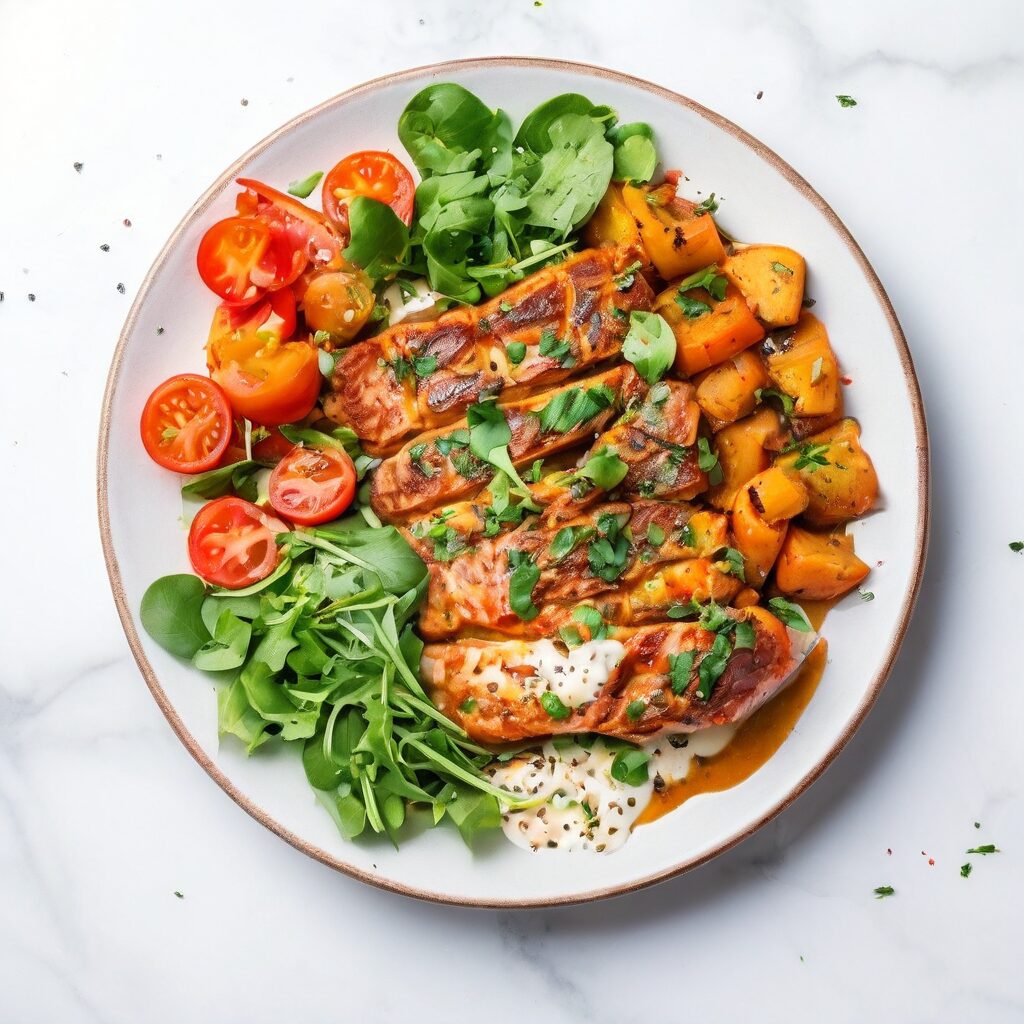
The Low FODMAP diet is designed to help those suffering from irritable bowel syndrome (IBS) and other digestive disorders. It focuses on eliminating certain carbohydrates that are difficult to digest. Here is a comprehensive 7-day meal plan that is both delicious and gut-friendly.
Key takeaways
- Reduce fermentable carbohydrates to alleviate bloating, gas, and stomach pain associated with IBS and other digestive disorders.
- Opt for low FODMAP fruits like berries and bananas instead of high FODMAP options like apples and pears.
- Replace standard dairy and grains with lactose-free products, gluten-free alternatives, and grains such as quinoa or rice.
- Consult a healthcare provider before starting this short-term elimination diet to identify personal digestive triggers safely.
What is a Low FODMAP Diet?
A Low FODMAP diet involves reducing the intake of foods that are high in fermentable oligosaccharides, disaccharides, monosaccharides, and polyols. These short-chain carbohydrates are poorly absorbed in the small intestine and can cause digestive issues like bloating, gas, and stomach pain.
Day 1: Getting Started
Breakfast
Scrambled eggs with spinach and tomatoes.
Lunch
Grilled chicken breast with quinoa and a side of low FODMAP vegetables like carrots and zucchini.
Dinner
Baked salmon with a side of mashed potatoes and steamed green beans.
Day 2: Keeping It Simple
Breakfast
Oatmeal made with lactose-free milk, topped with blueberries and a sprinkle of chia seeds.
Lunch
Turkey and cucumber wraps using gluten-free tortillas.
Dinner
Beef stir-fry with bell peppers, broccoli, and a serving of rice.
Day 3: Mid-Week Boost
Breakfast
Smoothie made with lactose-free yogurt, strawberries, and a banana.
Lunch
Quinoa salad with grilled shrimp, cherry tomatoes, and a lemon vinaigrette.
Dinner
Pork chops with roasted sweet potatoes and sautéed spinach.
Day 4: Variety is Key
Breakfast
Scrambled tofu with bell peppers and a side of gluten-free toast.
Lunch
Grilled chicken salad with mixed greens, cucumbers, and a balsamic vinaigrette.
Dinner
Baked cod with a side of quinoa and roasted Brussels sprouts.
Day 5: Weekend Starts
Breakfast
Rice cakes topped with avocado and a poached egg.
Lunch
Chicken and vegetable soup with a side of gluten-free bread.
Dinner
Grilled steak with mashed potatoes and a side of steamed carrots.
Day 6: Keep It Light
Breakfast
Greek yogurt with strawberries and a drizzle of honey.
Lunch
Tuna salad with mixed greens, tomatoes, and a lemon dressing.
Dinner
Chicken fajitas with bell peppers and a side of rice.
Day 7: Finish Strong
Breakfast
Scrambled eggs with a side of gluten-free toast and avocado.
Lunch
Grilled salmon salad with mixed greens, cucumbers, and a lemon vinaigrette.
Dinner
Roasted chicken with a side of quinoa and steamed broccoli.
Navigating Hidden FODMAPs in Condiments and Sauces
One of the most common pitfalls when following a 7-day meal plan is accidentally consuming high FODMAP ingredients hidden within store-bought sauces and seasonings. Many pre-made marinades, ketchups, and salad dressings rely on garlic powder and onion powder for depth of flavor; unfortunately, these are potent sources of fructans. When preparing your meals, scrutinize labels for “natural flavors” or “spices,” as these often mask high-FODMAP additives. Instead, embrace the “garlic-infused oil” trick: since fructans are water-soluble but not oil-soluble, you can achieve that savory garlic punch by sautéing garlic cloves in olive oil and removing the solids before cooking your protein. This provides the aromatic profile without the digestive distress. For salad dressings, stick to simple emulsions of high-quality extra virgin olive oil, fresh lemon juice, Dijon mustard (check for garlic-free varieties), and fresh herbs like basil or dill to keep your meals flavorful without the risk.
The Importance of Portion Control and Stacking
Even foods considered “low FODMAP” can become problematic if you practice “stacking.” This phenomenon occurs when you eat multiple types of low FODMAP foods in a single sitting that contain the same type of carbohydrate. For example, while a small portion of almonds is safe, and a small serving of blackberries is safe, eating a large bowl of both at the same time may exceed your threshold for polyols, triggering a symptomatic response. To mitigate this, aim for a gap of at least three to four hours between meals containing different low FODMAP carbohydrate sources. Additionally, keep an eye on serving sizes for vegetables like broccoli; while the florets are generally well-tolerated, the stems are higher in fructans. By sticking to the recommended serving sizes provided by reputable databases like Monash University, you ensure that your digestive system remains in a state of calm throughout the week.
Fiber Management and Digestive Comfort
Transitioning to a new meal plan often involves a shift in fiber intake, which can temporarily exacerbate bloating if the change is too sudden. When increasing your consumption of low FODMAP grains like quinoa or rice, ensure you are also increasing your water intake. Hydration is critical for the proper movement of fiber through the digestive tract. If you find that certain grains cause discomfort, consider soaking your quinoa before cooking to further reduce antinutrients. Furthermore, prioritize soluble fiber sources, such as cooked carrots or peeled potatoes, as these are generally gentler on an inflamed gut compared to raw, fibrous stalks. If you feel sluggish during your first few days, introduce cooked vegetables rather than raw salads, as the cooking process essentially “pre-digests” some of the cellular structure, making the meal easier on your stomach.
Smart Substitutions for Busy Weeknights
When your schedule becomes packed, the temptation to reach for processed convenience foods is high. To stay on track, keep a “low FODMAP pantry” stocked with versatile staples. Canned chickpeas (thoroughly rinsed and limited to a 1/4 cup serving) are excellent for adding protein to a quick salad, while canned tuna or sardines can be mixed with mayonnaise and fresh chives for a rapid, safe lunch. If you rely on bread, seek out sourdough made from traditional long-fermentation processes; the fermentation bacteria break down many of the fructans, making it much more digestible than standard commercial wheat bread. Having a stash of frozen, pre-portioned protein—such as chicken breasts or white fish—allows you to bypass the need for elaborate meal prep while ensuring you always have a base for a gut-friendly dinner ready in under twenty minutes.
Managing Social Situations and Dining Out
Sticking to your meal plan doesn’t mean you have to become a social hermit. When dining out, look for restaurants that offer grilled protein options—steaks, grilled fish, or plain roasted chicken are almost always safe bets. The challenge lies in the preparation. Always ask the server if the food is cooked in garlic or onion butter, and request that your proteins be cooked in olive oil or butter without the aromatics. When it comes to side dishes, ask for plain white rice, steamed potatoes, or a side salad with oil and vinegar on the side. Most chefs are happy to accommodate dietary requests if you describe them as an “intolerance to garlic and onions” rather than a “dietary trend.” Being proactive and clear with your requests empowers you to enjoy restaurant meals without the fear of an unexpected flare-up the following morning.
The Role of Mindful Eating and Stress Reduction
It is important to remember that the gut-brain axis plays a significant role in digestive health. Even if you follow your meal plan perfectly, high levels of stress can trigger IBS symptoms independently of your food intake. Incorporate mindful eating habits into your 7-day routine: chew your food thoroughly to aid the mechanical breakdown of carbohydrates, and avoid eating while distracted by screens or work. Taking a few deep, diaphragmatic breaths before you begin your meal can shift your nervous system from a “fight or flight” state into a “rest and digest” state, which significantly improves your body’s ability to process and absorb nutrients. If you find your symptoms lingering despite a strict diet, consider pairing your meal plan with gentle movement, such as walking or restorative yoga, which can help reduce physical tension in the abdomen and promote healthy digestion.
Transitioning Beyond the Elimination Phase
Once you have completed your 7-day meal plan and feel your symptoms have stabilized, remember that this is only the beginning. The goal of the Low FODMAP diet is not permanent restriction, but rather the identification of your unique triggers. After the initial elimination phase, you should begin the “reintroduction phase” under the guidance of a dietitian. This involves systematically testing one FODMAP group at a time to see how much of a specific trigger you can tolerate. Many people find that they can eventually reintroduce certain foods in smaller, controlled amounts, significantly broadening their culinary horizons. Keep a detailed food and symptom diary throughout this process to track your reactions objectively, ensuring that your long-term diet is as inclusive and nutritionally diverse as possible while still keeping your digestive system happy and healthy.
FAQ
What are FODMAPs?
FODMAPs are a group of short-chain carbohydrates that are not well absorbed in the small intestine. They include fermentable oligosaccharides, disaccharides, monosaccharides, and polyols.
Who should follow a Low FODMAP diet?
People with irritable bowel syndrome (IBS) or other digestive disorders may benefit from a Low FODMAP diet. It is best to consult with a healthcare provider before starting the diet.
Can I eat fruits on a Low FODMAP diet?
Yes, but it’s important to choose Low FODMAP fruits like strawberries, blueberries, and bananas. Avoid high FODMAP fruits like apples, pears, and mangoes.
Is the Low FODMAP diet safe for long-term use?
The Low FODMAP diet is typically used as a short-term elimination diet to identify trigger foods. Long-term use should be monitored by a healthcare provider.
Can I drink coffee on a Low FODMAP diet?
Yes, you can drink coffee, but it is best to limit it to one cup per day and avoid high FODMAP ingredients like regular milk. Opt for lactose-free or plant-based milk instead.
Related posts:
 Surprising FODMAP Foods
 Are We Really Too Busy for Breakfast?
 Healthy Lunch Ideas
 Rice Revealed: Is This Pantry Staple Actually Good for You
 Delicious Ground Chicken Recipes
 Best Garlic Press Guide
 Candice Kumai’s Healthy Turmeric Fried Rice Recipe
 Quick and Healthy Low-FODMAP Recipes for Busy Weeknights