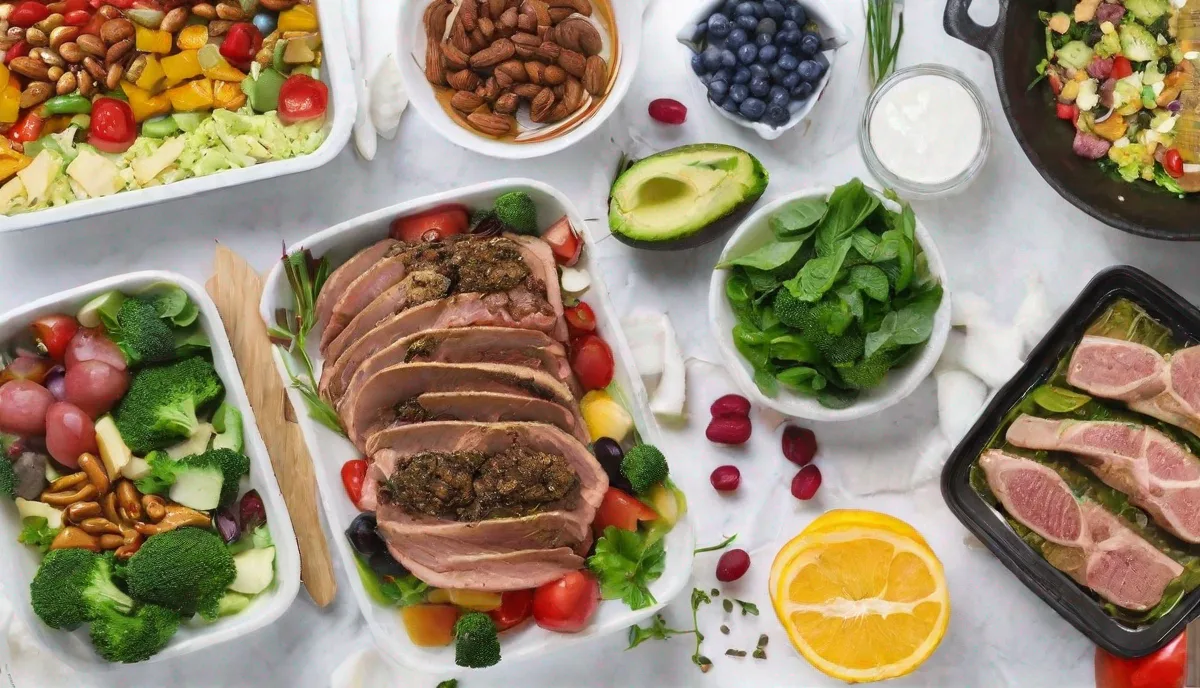
Embarking on a Paleo diet journey can be both exciting and daunting. The Paleo diet emphasizes eating whole foods that our ancestors might have eaten, such as meat, fish, fruits, vegetables, nuts, and seeds, while avoiding processed foods, grains, and dairy. To help you get started, we’ve crafted a 7-day Paleo meal plan that’s both delicious and nourishing. Read on for your guide to a week of eating Paleo with ease and enjoyment.
Key takeaways
- Use anchor proteins like roasted chicken or ground beef to create multiple meals and reduce weekday cooking time.
- Combat Paleo flu symptoms by increasing intake of sea salt, magnesium, and water to replace lost electrolytes.
- Replace industrial seed oils with avocado oil, olive oil, or ghee, and use almond or coconut flour for baking.
- Read labels carefully to avoid hidden soy, industrial seed oils, and non-Paleo thickeners like carrageenan or guar gum.
- Adjust carbohydrate intake using sweet potatoes or plantains based on activity levels to support athletic performance and recovery.
Day 1 – Kickstart Your Paleo Journey
- Breakfast: Scrambled eggs with spinach and mushrooms
- Lunch: Grilled chicken salad with mixed greens and avocado
- Dinner: Baked salmon with asparagus and a side of sweet potato
Day 2 – Power Through with Protein
- Breakfast: Banana almond smoothie
- Lunch: Tuna salad stuffed in bell peppers
- Dinner: Herb-crusted pork loin with roasted Brussels sprouts
Day 3 – Flavorful and Filling
- Breakfast: Coconut yogurt with fresh berries and nuts
- Lunch: Beef and vegetable stir-fry
- Dinner: Lemon-garlic shrimp with zucchini noodles
Day 4 – Refresh and Recharge
- Breakfast: Paleo pancakes with a drizzle of raw honey
- Lunch: Chicken Caesar salad with Paleo-friendly dressing
- Dinner: Grass-fed steak with roasted root vegetables
Day 5 – Keep it Simple and Satisfying
- Breakfast: Avocado and egg toast on grain-free bread
- Lunch: Mixed berry salad with grilled salmon
- Dinner: One-pan roasted chicken thighs with peppers and onions
Day 6 – Indulge in Comfort Foods
- Breakfast: Sweet potato and bacon hash
- Lunch: Paleo taco salad with ground turkey
- Dinner: Spaghetti squash Bolognese
Day 7 – End Strong with Fresh Flavors
- Breakfast: Fruit salad with a squeeze of lime and chopped mint
- Lunch: Cucumber and smoked salmon rolls with a side of olives
- Dinner: Grilled lamb chops with rosemary and garlic, served with sautéed kale
Mastering the Art of Paleo Meal Prep and Batch Cooking
While the 7-day meal plan provides a blueprint for what to eat, the logistical reality of cooking three fresh meals every day can be overwhelming for those with a busy schedule. To sustain a Paleo lifestyle long-term, mastering the art of meal prep is essential. This doesn’t necessarily mean spending your entire Sunday in the kitchen; rather, it involves strategic batch cooking and ingredient preparation that reduces active cooking time during the work week.
Start by focusing on “anchor proteins.” For example, roasting two whole chickens on a Sunday evening allows you to have shredded meat ready for salads, stir-fries, or quick tacos throughout the week. Similarly, browning three pounds of grass-fed ground beef with basic seasoning (salt, pepper, garlic) creates a versatile base that can be transformed into a Bolognese sauce, a taco bowl, or a breakfast hash in under ten minutes. When you cook once to eat three times, you significantly lower the barrier to entry for healthy eating.
Vegetable preparation is the second pillar of efficient Paleo eating. Many people find that the most time-consuming part of Paleo is the chopping. Dedicate time to washing, peeling, and dicing hardy vegetables like carrots, broccoli, and Brussels sprouts immediately after your grocery haul. Store these in glass containers with a damp paper towel to maintain crispness. If you find yourself frequently running out of time, don’t shy away from the freezer aisle; frozen cauliflower rice, pre-cut peppers, and frozen berries are Paleo-compliant and can be lifesavers on nights when your energy is low.
Another advanced strategy is “sauce prepping.” Since many store-bought condiments contain soybean oil, sugar, or cornstarch, making your own Paleo-friendly dressings and sauces is vital. A simple lemon-tahini dressing, a homemade avocado oil mayonnaise, or a batch of fresh pesto made with walnuts instead of cheese can elevate a basic piece of grilled protein into a gourmet meal. These sauces usually keep for 5-7 days in the refrigerator and provide the variety needed to prevent palate fatigue.
Essential Paleo Pantry Staples and Sourcing Guidelines
Transitioning to Paleo often requires a complete overhaul of your pantry. To avoid standing in the grocery aisle reading every label, it is helpful to build a foundation of staples that are inherently Paleo-compliant. The primary focus should be on healthy fats, which are the cornerstone of satiety in the absence of grains. Avocado oil and extra virgin olive oil should be your primary cold-use oils, while refined coconut oil, ghee (clarified butter), and tallow are preferred for high-heat cooking due to their stability.
For baking and thickening, traditional wheat flour is replaced by nut and root-based alternatives. Almond flour provides a moist texture and healthy fats, making it ideal for grain-free muffins or breading for chicken. Coconut flour is highly absorbent and requires more liquid, often used in smaller quantities for pancakes. Cassava flour, derived from the yuca root, is perhaps the most versatile as it behaves most similarly to wheat flour in savory applications like tortillas or thickening stews. Keep these in airtight containers, ideally in the refrigerator, to prevent the natural oils in nut flours from going rancid.
Sourcing quality is a frequent topic of discussion within the Paleo community. While “Paleo” can be done on a budget with conventional produce and meats, the philosophy emphasizes nutrient density and the avoidance of toxins. When possible, prioritize grass-fed and finished beef, which contains a higher ratio of Omega-3 fatty acids compared to grain-fed counterparts. For poultry and pork, look for “pastured” labels, which indicate the animals had access to their natural diet and environment. When it comes to the “Dirty Dozen”—the list of produce most contaminated by pesticides—opting for organic versions of strawberries, spinach, and kale can further reduce your toxic load.
Don’t overlook the importance of bone broth. Rich in collagen, glycine, and minerals, bone broth is a Paleo superfood that supports gut health. Keeping jars of high-quality, store-bought bone broth (ensure no added sugar or yeast extract) or making your own from leftover roasted chicken carcasses provides a quick base for soups or a nourishing warm beverage in the mornings.
Navigating the Transition: Managing the Paleo Flu and Electrolytes
When you first transition from a diet high in processed carbohydrates and grains to the Paleo lifestyle, your body undergoes a significant metabolic shift. This period, often referred to as the “Paleo Flu,” occurs as your body shifts from being a primary sugar-burner to a more efficient fat-burner. Common symptoms include fatigue, headaches, irritability, and brain fog. Understanding that these symptoms are temporary and manageable is key to not giving up in the first week.
The primary cause of the Paleo flu is the rapid loss of water weight and electrolytes. Grains and sugars cause the body to retain water; as insulin levels drop on a Paleo diet, the kidneys begin to excrete excess sodium. This process takes potassium and magnesium with it. To combat this, you must be proactive with your mineral intake. Do not be afraid to salt your food liberally with high-quality sea salt or Himalayan pink salt. Drinking a glass of water with a pinch of salt and a squeeze of lemon in the morning can often alleviate a headache within minutes.
Magnesium deficiency is also common during this transition. Since many modern soils are depleted of magnesium, even a diet rich in leafy greens might not provide enough. Consider taking a magnesium glycinate supplement in the evening, which can help with muscle cramps and improve sleep quality during the adjustment phase. Additionally, ensure you are eating enough fat. Many beginners make the mistake of cutting out grains but not replacing those calories with healthy fats, leading to an accidental and unsustainable caloric deficit that worsens fatigue.
Patience is required during this metabolic adaptation. It typically takes 10 to 21 days for the body to upregulate the enzymes necessary for efficient fat oxidation. During this time, it is often wise to scale back high-intensity workouts and focus on low-impact movement like walking or yoga. Once your body becomes “fat-adapted,” you will likely experience a surge in steady energy levels and a significant reduction in the mid-afternoon energy crashes common with high-carb diets.
Smart Snacking: Paleo-Friendly Bites for On-the-Go
While the goal of a well-formulated Paleo diet is to reach a state of satiety where snacking becomes less necessary, life often demands portable fuel. The challenge with Paleo snacking is that most convenience store options are laden with vegetable oils, corn syrup, and soy. Preparing your own snacks ensures you stay within the Paleo framework even during a frantic workday or a long hike.
Jerky and meat sticks are classic Paleo snacks, but you must be a vigilant label reader. Many commercial jerkies use soy sauce (which contains wheat) and cane sugar as a marinade. Look for brands that use coconut aminos instead of soy and are sweetened with apple juice or are entirely sugar-free. For a vegetarian-leaning snack, olives are an excellent source of monounsaturated fats and provide the salt your body needs during the initial transition phase.
Nuts and seeds are the most convenient Paleo snack, but they come with a caveat: it is very easy to overconsume them. A handful of raw almonds or macadamia nuts is nutrient-dense, but eating an entire jar of almond butter can lead to an inflammatory imbalance due to high Omega-6 content. To make nuts more digestible, some Paleo adherents prefer “activated” or sprouted nuts, which have been soaked to reduce phytic acid—an antinutrient that can interfere with mineral absorption.
For those who crave something fresh, hard-boiled eggs are the ultimate portable protein. When paired with half an avocado or some sliced cucumbers, they provide a balanced mini-meal. If you have a sweet tooth, keep berries or a small piece of dark chocolate (at least 85% cocoa) on hand. While Paleo allows for natural sugars, treating fruit as a garnish or a snack rather than a main meal component helps maintain stable blood sugar levels throughout the day.
Hidden Non-Paleo Ingredients and Reading Food Labels
As the Paleo diet has grown in popularity, food manufacturers have rushed to create “Paleo-friendly” packaged goods. However, the presence of a Paleo logo doesn’t always mean the product aligns with your health goals. Learning to decipher ingredient lists is a critical skill for anyone serious about the ancestral health movement. The general rule is: if you can’t pronounce it or your great-grandmother wouldn’t recognize it as food, it’s probably not Paleo.
One of the most common hidden ingredients is soy. It appears in various forms, such as soybean oil, soy lecithin (an emulsifier), and hydrolyzed vegetable protein. Soy is avoided in the Paleo framework because of its high concentration of phytoestrogens and its status as one of the most genetically modified crops. Similarly, industrial seed oils like canola, sunflower, safflower, and grapeseed oil are often found in “healthy” salad dressings. These oils are highly processed and can contribute to systemic inflammation; always look for dressings made exclusively with avocado or olive oil.
Sweeteners are another area of confusion. While honey and maple syrup are Paleo, they are often used to mask the presence of other additives. Watch out for “natural flavors,” which is a catch-all term that can include hundreds of chemicals, or sugar alcohols like xylitol and erythritol. While these may be low-carb, they are not strictly Paleo and can cause significant digestive distress for some individuals. Thickeners like carrageenan and guar gum are also frequently added to almond and coconut milks to give them a creamier texture, but these can irritate the gut lining.
Finally, be wary of the “Paleo-fied” version of junk food. Paleo cookies, pizzas, and crackers are great for occasional treats, but they are still calorie-dense and can trigger the same overeating patterns as their non-Paleo counterparts. The core of the Paleo diet is whole, unrecognizable-as-anything-else food. If a product comes in a box with a long shelf life, it should be the exception in your diet, not the rule.
Adapting Paleo for Performance and Specific Health Goals
The standard Paleo diet is not a one-size-fits-all solution; it can and should be adjusted based on your activity level and health objectives. For instance, a competitive athlete has vastly different carbohydrate requirements than someone looking to lose weight while working a sedentary job. Understanding how to toggle your intake of macronutrients within the Paleo framework is key to peak performance.
For those focused on high-intensity performance or muscle gain, “Low Carb Paleo” can actually be detrimental. Athletes often need more glucose to fuel anaerobic efforts. In this case, increasing the intake of Paleo starches is vital. This includes not just sweet potatoes, but also plantains, yuca, taro, and even white rice (which many in the “Primal” or “Paleo 2.0” community accept as a safe starch because it is low in toxins compared to other grains). Consuming these dense carbohydrates in the post-workout window helps replenish glycogen stores and aids in recovery.
Conversely, if the primary goal is weight loss or managing insulin resistance, a “Keto-Paleo” approach might be more effective. This involves emphasizing non-starchy vegetables like leafy greens, cauliflower, and asparagus while keeping fruit and root vegetable intake to a minimum. By focusing on high-satiety proteins and healthy fats, you can naturally reduce your caloric intake without the hunger pangs associated with traditional dieting.
There is also the Autoimmune Protocol (AIP), a specialized version of Paleo designed for those with autoimmune conditions. This version is more restrictive, temporarily removing nuts, seeds, nightshades (tomatoes, peppers, eggplants), and eggs to help identify specific food triggers for inflammation. After a period of healing, these foods are systematically reintroduced. Whether you are an athlete or someone seeking to heal a chronic condition, the Paleo diet serves as a flexible template that can be fine-tuned to your body’s unique bio-individuality.
Beyond the Plate: Social Dynamics and Sustainable Lifestyle Habits
The success of a 7-day plan often depends on what happens outside the kitchen. Living in a world that is not designed for Paleo eating requires a strategy for social situations and travel. When attending a dinner party, the most effective approach is often to offer to bring a dish. A large roasted vegetable platter or a Paleo-friendly salad ensures that you have at least one substantial thing to eat without making your dietary choices the center of conversation.
When traveling, preparation is your best defense. Airport food is notoriously difficult for Paleo eaters, often consisting of sandwiches and pasta. Packing a “travel kit” of beef sticks, individual nut butter packets, and hard fruit like apples can prevent you from having to settle for a non-compliant meal. Most restaurants are increasingly accommodating to dietary restrictions; a simple request to swap fries for extra steamed vegetables or to have your steak cooked in butter or olive oil instead of vegetable oil is usually granted without issue.
It is also important to remember that Paleo is an “ancestral lifestyle,” not just a diet. The food you eat works in tandem with other lifestyle factors like sleep, movement, and stress management. Our ancestors didn’t just eat whole foods; they also moved frequently at a slow pace, lifted heavy things occasionally, and slept in alignment with natural light cycles. If you are eating a perfect Paleo diet but only sleeping five hours a night and living in a state of chronic stress, you may not see the full health benefits you expect.
Finally, aim for progress over perfection. The “80/20 rule” is a popular concept in the Paleo community, suggesting that if you eat strictly Paleo 80% of the time, your body can likely handle the occasional non-Paleo meal without significant setbacks. This flexibility makes the lifestyle sustainable for years rather than weeks. Focus on how the food makes you feel—your energy, your digestion, and your mood—and use those signals as your ultimate guide to long-term success.
FAQ About the Paleo Diet
What are the benefits of following a Paleo diet?
The Paleo diet can lead to weight loss, improved insulin sensitivity, reduced inflammation, and better digestion, among other benefits, as it focuses on whole, unprocessed foods.
Can I have dairy on the Paleo diet?
Traditional Paleo guidelines exclude dairy; however, some follow a more lenient version that allows for full-fat, fermented, or raw dairy products in moderation.
Is the Paleo diet suitable for vegetarians?
While challenging due to its emphasis on animal proteins, vegetarians can adapt the Paleo diet by incorporating plant-based protein sources like nuts and seeds.
How do I handle dining out while on the Paleo diet?
When dining out, opt for simple dishes like grilled proteins and salads, and be sure to ask about cooking methods and ingredients to avoid non-Paleo items.
Are sweet potatoes Paleo-friendly?
Yes, sweet potatoes are considered Paleo-friendly due to their high nutrient content and are a great source of complex carbohydrates.
Related posts:
 Why Avocado Toast Dominated Breakfast Trends in 2017
 Mini Avocados at Trader Joe’s
 When Paleo Meets Vegan: Easy Recipes for the Best of Both Worlds
 Are We Really Too Busy for Breakfast?
 Paleo Diet: Fact vs Fiction
 Digestive Issues on the Paleo Diet
 Pegan Diet Explained: The Paleo-Vegan Hybrid Taking Over
 4 Soy Sauce Substitutes for Cooking