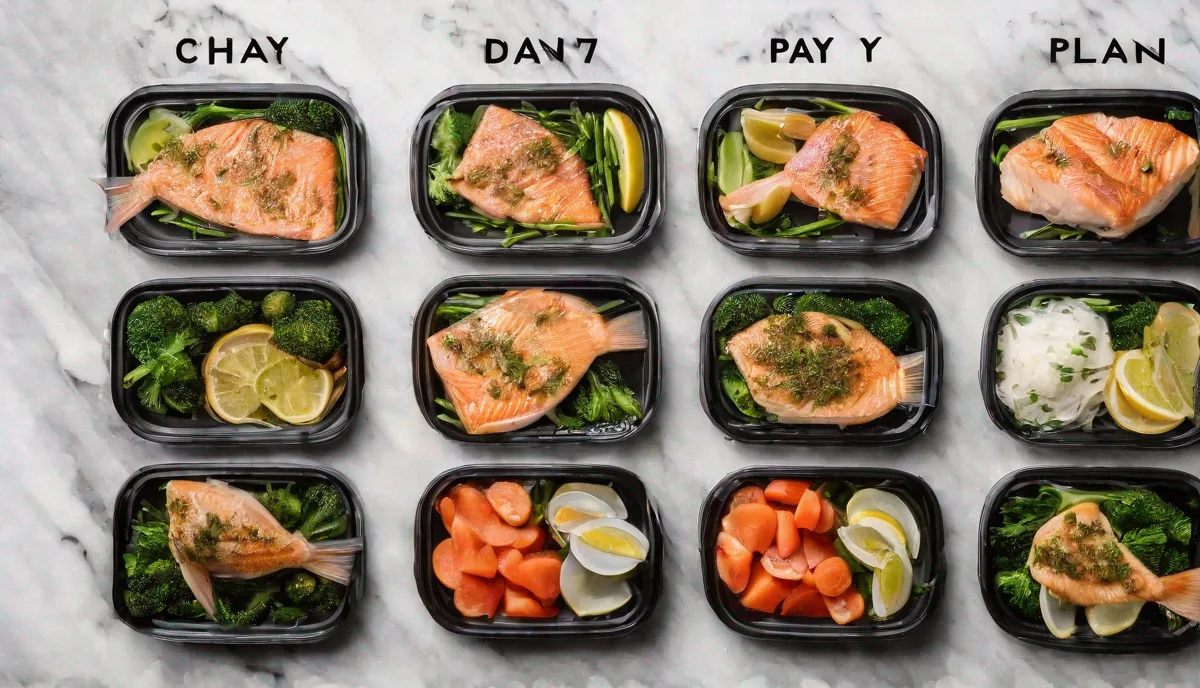
Transitioning to a pescatarian diet, which includes seafood but not other meats, can nourish our bodies and spirits. With thoughtfulness, we can extend our circle of compassion to all beings while enjoying delicious and healthy meals.
Understanding Pescatarianism
Pescatarians avoid land meats but include fish and shellfish like salmon, tuna, shrimp and more. By eliminating chicken, beef, pork and other meats from our plates, we open our hearts to their wellbeing. Yet with mindful preparation, seafood can still delight our palates.
A Week of Kindness
Try this 7-day meal plan that is friendly for people and planet. It features good-for-you grains, produce and sustainable seafood.
Day 1
- Breakfast: Overnight oats with berries and almond milk
- Lunch: Lentil soup and whole grain bread
- Dinner: Baked tilapia with quinoa and roasted veggies
Day 2
- Breakfast: Veggie omelet with whole wheat toast
- Lunch: Black bean burrito bowl
- Dinner: Pasta with white beans, spinach and shrimp
Day 3
- Breakfast: Greek yogurt with granola and fruit
- Lunch: Falafel pita wrap
- Dinner: Seafood paella
Day 4
- Breakfast: Avocado toast with smoked salmon
- Lunch: Lentil dal with brown rice
- Dinner: Fish tacos with cabbage slaw
Day 5
- Breakfast: Tofu scramble wrap
- Lunch: Quinoa tabbouleh salad
- Dinner: Coconut curry with tofu and shrimp
Day 6
- Breakfast: Breakfast burrito with eggs, beans and veggies
- Lunch: Veggie and hummus sandwich
- Dinner: Baked cod with wild rice pilaf and roasted broccoli
Day 7
- Breakfast: Banana almond pancakes
- Lunch: Tomato bisque and grilled cheese sandwich
- Dinner: Veggie sushi rolls
Nourishing Our Bodies and Spirits
This pescatarian meal plan provides satisfying plant-based meals alongside mindfully-sourced seafood. May it nourish our bodies and spirits with compassion.
Nutritional Synergy and the Pescatarian Edge
While the basic structure of a pescatarian diet is straightforward, achieving optimal health requires a deeper look at the nutritional synergy between plant-based foods and seafood. One of the primary advantages of this lifestyle is the abundant access to long-chain Omega-3 fatty acids, specifically EPA (eicosapentaenoic acid) and DHA (docosahexaenoic acid). While plant sources like walnuts and flaxseeds provide ALA (alpha-linolenic acid), the human body’s conversion rate to EPA and DHA is relatively low. By incorporating fatty fish such as salmon, mackerel, and sardines, you provide your brain and heart with these essential fats directly. To maximize absorption, consider pairing your seafood with fat-soluble vitamin sources; for instance, a piece of grilled mackerel alongside a kale salad massaged in olive oil helps the body utilize the vitamin K in the greens and the vitamin D in the fish simultaneously.
Iron is another critical consideration. Pescatarians have a distinct advantage over strict vegetarians because seafood contains heme iron, which is more easily absorbed by the body than the non-heme iron found in beans and spinach. However, to maintain high energy levels, it is wise to practice “iron pairing.” When eating a plant-heavy meal like a lentil stew, add a squeeze of lemon or a side of bell peppers. The vitamin C in these additions significantly boosts the absorption of non-heme iron. Furthermore, be mindful of your intake of calcium and zinc. While dairy and eggs provide calcium, canned fish with soft, edible bones—such as sardines or pink salmon—are exceptional mineral goldmines that support bone density and metabolic function.
Mercury exposure is a common concern for those increasing their fish intake. The key is to focus on the “SMASH” acronym: Sardines, Mackerel (specifically Atlantic, not King), Anchovies, Salmon, and Herring. These species are generally lower on the food chain, meaning they accumulate far less mercury than long-lived apex predators like swordfish, shark, or king mackerel. For those who are pregnant or nursing, sticking to these low-mercury options while limiting albacore tuna to once a week ensures you reap the developmental benefits of DHA without the risks associated with heavy metal bioaccumulation.
Navigating the Waters of Sustainable Sourcing
Embracing a pescatarian lifestyle often stems from a desire to live more compassionately and reduce one’s environmental footprint. However, not all seafood is created equal in the eyes of ecology. To truly honor the planet, it is helpful to understand the nuances of sustainable sourcing. The gold standard for wild-caught fish is the Marine Stewardship Council (MSC) blue fish label, which ensures the fishery operates in a way that maintains healthy fish populations and minimizes impact on the marine ecosystem. For farmed seafood, look for the Aquaculture Stewardship Council (ASC) or Best Aquaculture Practices (BAP) certifications, which monitor water quality and ethical labor practices.
The debate between wild-caught and farm-raised is often oversimplified. While wild-caught is often seen as more “natural,” certain modern land-based recirculating aquaculture systems (RAS) are incredibly sustainable, preventing the escapes and nutrient runoff often associated with older ocean-pen farming. Conversely, some wild-caught methods, like bottom trawling, can be devastating to seafloor habitats. A mindful pescatarian might prioritize bivalves—mussels, clams, and oysters. These creatures are “extractive” rather than “fed” species; they filter the water as they grow, improving local water quality and requiring no external feed, making them perhaps the most environmentally friendly animal protein on the planet.
To stay updated, tools like the Monterey Bay Aquarium Seafood Watch app are invaluable. This resource categorizes seafood into “Best Choice,” “Good Alternative,” and “Avoid.” For example, you might discover that while US-farmed rainbow trout is a fantastic choice, certain imported shrimp might be linked to mangrove deforestation. By making these informed choices, your meal plan becomes a form of activism, supporting fisheries that prioritize the long-term health of our oceans over short-term profit.
The Pescatarian Pantry: Essential Staples and Budget Strategies
Transitioning to a diet that includes high-quality seafood can initially seem expensive, but with a strategic approach to your pantry and freezer, it can be remarkably cost-effective. The secret lies in the “high-low” approach: pairing affordable, bulk-bought plant staples with carefully selected seafood. Your pantry should be anchored by versatile grains like farro, bulgur, and brown rice, alongside a variety of dried legumes. These provide the bulk of your calories and fiber for pennies per serving, allowing you to spend more on sustainable fish.
Canned and tinned seafood, often referred to as “seafood charcuterie,” is a budget-conscious pescatarian’s best friend. Tinned sardines in olive oil, smoked mussels, and canned wild salmon are not only shelf-stable but often more nutrient-dense than their fresh counterparts because they are processed immediately after harvest. They are perfect for quick lunches, such as mashing sardines onto whole-grain crackers with a bit of mustard and capers, or tossing canned salmon into a pasta primavera. When buying fresh, check the “previously frozen” labels at the fish counter. These are often cheaper and, unless you live on the coast, frequently fresher than the “fresh” fish that has spent days in transit.
Another way to save is by purchasing “off-cuts” or lesser-known species. While salmon fillets and shrimp are popular, fish collars (like yellowtail or salmon collars) are incredibly fatty and flavorful but often sold at a fraction of the price. Similarly, choosing smaller, silver fish or local seasonal catches—such as porgy on the East Coast or rockfish on the West Coast—can reduce your grocery bill while expanding your culinary horizons. Buying frozen seafood in bulk bags is also a wise move; because individual quick-frozen (IQF) portions can be thawed one at a time, you eliminate the risk of food waste, which is one of the biggest hidden costs of a fresh seafood diet.
Culinary Techniques for Perfect Seafood Every Time
One of the biggest hurdles for new pescatarians is the fear of overcooking fish, which can result in a dry, unappealing texture. Mastering a few gentle cooking techniques will ensure your seafood remains succulent and flavorful. The “En Papillote” (in paper) method is perhaps the most foolproof. By folding a fish fillet, such as cod or tilapia, into a parchment paper pouch with a splash of white wine, a few lemon slices, and fresh herbs, you create a steam chamber. The fish cooks in its own juices, making it nearly impossible to dry out. This method also allows for easy cleanup and a beautiful presentation when the pouch is opened at the table.
For those who prefer a crispy texture, pan-searing is essential. The key to a perfect sear is ensuring the fish is bone-dry before it hits the pan. Use a paper towel to pat down the surface of a salmon or snapper fillet, then place it skin-side down in a hot, lightly oiled stainless steel or cast-iron skillet. Resist the urge to move it; the fish will naturally release from the pan once the skin is crisp. This “skin-side-down” approach protects the delicate flesh from direct heat, acting as a heat shield that results in a tender, medium-rare interior and a crackling exterior.
Poaching is another technique that honors the delicate nature of seafood. Rather than boiling, which can toughen the proteins, submerge white fish or shrimp in a flavorful liquid—such as coconut milk infused with ginger and lemongrass, or a simple court bouillon of water, vinegar, and aromatics—maintained at a bare simmer. The gentle heat ensures the seafood remains buttery and soft. For thicker cuts like tuna or swordfish, consider a quick sear followed by a rest, similar to how you would treat a steak. This allows the residual heat to finish the cooking process without toughening the outer layers.
Advanced Meal Prepping: Batch Cooking for the Week Ahead
Efficiency in a pescatarian kitchen involves recognizing which components can be prepared in advance and which require a “just-in-time” approach. While seafood is generally best enjoyed shortly after cooking, the plant-based elements of your meal plan are perfect for batch prepping. Spend a Sunday afternoon roasting large trays of seasonal vegetables—sweet potatoes, broccoli, and red onions—and cooking a large pot of a hearty grain like quinoa or black rice. These can be stored in the fridge for 4-5 days and serve as the foundation for your seafood bowls.
When it comes to the seafood itself, focus on preparations that hold up well or can be quickly assembled. For example, you can bake a large batch of salmon cakes or shrimp fritters; these can be refrigerated and reheated in an air fryer or toaster oven to maintain their texture. Pickled or marinated seafood, such as ceviche or pickled herring, actually improves with a little time and can be a refreshing addition to salads throughout the week. If you enjoy tuna or salmon salad, prep the vegetables (celery, onions, herbs) ahead of time, but wait to mix in the fish and dressing until the morning you plan to eat it to keep the flavors bright.
A clever strategy for busy weeknights is “component prepping.” Make a variety of sauces—a zesty chimichurri, a creamy tahini dressing, or a spicy chipotle mayo—and keep them in jars. Having these on hand means that even a simple 10-minute steamed piece of fish becomes a gourmet meal. Additionally, consider freezing shrimp or scallops in single-serving portions. Since they thaw in less than 15 minutes in a bowl of cool water, they are the ultimate “fast food” for those evenings when you haven’t planned ahead. By combining these pre-prepped plant bases with quick-cooking seafood, you can have a balanced meal on the table in less time than it takes to order takeout.
Global Cuisines: A Passport to Pescatarian Variety
The pescatarian diet is far from restrictive when you look at it through a global lens. Many of the world’s healthiest and most flavorful cuisines are naturally pescatarian-leaning, offering endless inspiration for your 7-day plan. The Mediterranean diet, for instance, is a masterclass in using olive oil, garlic, and tomatoes to elevate simple grilled fish. Consider a Sicilian-style swordfish with capers and olives, or a Greek-inspired baked sea bass with plenty of oregano and lemon. These flavors are bright, heart-healthy, and emphasize the natural sweetness of the seafood.
Turning toward East Asia, you can explore the umami-rich world of miso-glazed cod or ginger-soy steamed snapper. Japanese cuisine, in particular, offers a wealth of knowledge on handling raw and lightly cooked fish, emphasizing the importance of freshness and seasonality. You might experiment with making your own poke bowls at home, using sushi-grade tuna, edamame, seaweed salad, and pickled ginger over a bed of seasoned rice. The use of seaweed (nori, wakame, kombu) in these dishes adds a unique oceanic depth of flavor while providing essential minerals like iodine that are often missing from land-based diets.
In Latin American cuisine, the focus shifts to vibrant acidity and spice. Ceviche, where raw fish is “cooked” in the citric acid of lime juice, is a refreshing and protein-packed option for warm days. You can also explore the hearty seafood stews of Brazil, like Moqueca, which uses coconut milk, palm oil, and bell peppers to create a rich, comforting base for firm white fish and shrimp. By rotating through these different cultural flavor profiles, you prevent “palate fatigue” and ensure that your 7-day meal plan feels like an adventurous journey rather than a repetitive routine. Each cuisine brings its own set of protective phytonutrients and spices, further enhancing the health benefits of your pescatarian lifestyle.
Mindful Dining: Navigating Social Situations and Hidden Ingredients
Living as a pescatarian in a meat-centric world requires a blend of preparation and polite communication. When dining out, the most common challenge is not the absence of fish on the menu, but the presence of hidden animal fats or stocks in seemingly vegetarian or seafood dishes. For example, many traditional French sauces use veal stock as a base, and some Thai curries may contain shrimp paste (which is fine for pescatarians) but might also be cooked with lard. When in doubt, don’t hesitate to ask your server if a vegetable soup is made with chicken or vegetable broth, or if the beans are seasoned with pork.
In social settings like dinner parties or weddings, it is often helpful to notify your host of your dietary choice well in advance, framed in a way that emphasizes what you *do* eat. Instead of saying “I don’t eat meat,” try “I follow a pescatarian diet, so I enjoy all kinds of fish, shellfish, and vegetables.” This often makes it easier for a host to plan. If you find yourself at a steakhouse or a BBQ where seafood options are limited, look to the sides. A combination of a baked potato, a large garden salad, and a side of grilled shrimp or a salmon appetizer can often create a more satisfying and balanced meal than a single entrée.
Finally, being a “mindful pescatarian” means being aware of the subtle ways animal products creep into modern food processing. Ingredients like gelatin (found in some candies and yogurts), lard in pie crusts, or even certain brands of Worcestershire sauce (which contains anchovies and is thus pescatarian-friendly, but some versions may use beef extracts) deserve a quick label check. By staying informed and advocating for your choices with grace, you can navigate any social situation while remaining true to your commitment to a compassionate and health-conscious way of eating. This mindfulness extends the spirit of the diet beyond the plate, turning every meal into an opportunity for conscious living.
FAQ
What is a pescatarian?
A pescatarian diet includes seafood but avoids other meats like chicken, pork and beef.
Is a pescatarian diet healthy?
Yes, pescatarian diets focus on plants, whole grains and sustainable seafood, which provide important nutrients for health.
How do you transition to being pescatarian?
Start by cutting out red meat, then poultry, while introducing more beans, lentils, tofu and eggs for protein. Finally focus on cooking flavorful seafood dishes.
Is being pescatarian better for the environment?
Pescatarian diets generally have a smaller environmental impact by reducing land animal agriculture, a major contributor to climate change.
Where do you get enough protein from seafood?
Fish and shellfish like salmon, tuna, shrimp and scallops provide high quality protein. Balancing them with plant proteins from beans, lentils, nuts and whole grains ensures sufficient daily protein.
Related posts:
 Beyond Breakfast: The Plant-Based Sausage That’s Changing the Morning Game
 Plant-Based Seafood Innovation
 15-Minute Dairy-Free Dinner Ideas
 Ashley Benson’s Go-To Salmon Recipe is Surprisingly Simple
 High-Protein Foods That Pack a Serious Nutritional Punch
 Fish-Free Mediterranean Diet
 Are We Really Too Busy for Breakfast?
 Understanding the Pescatarian Lifestyle