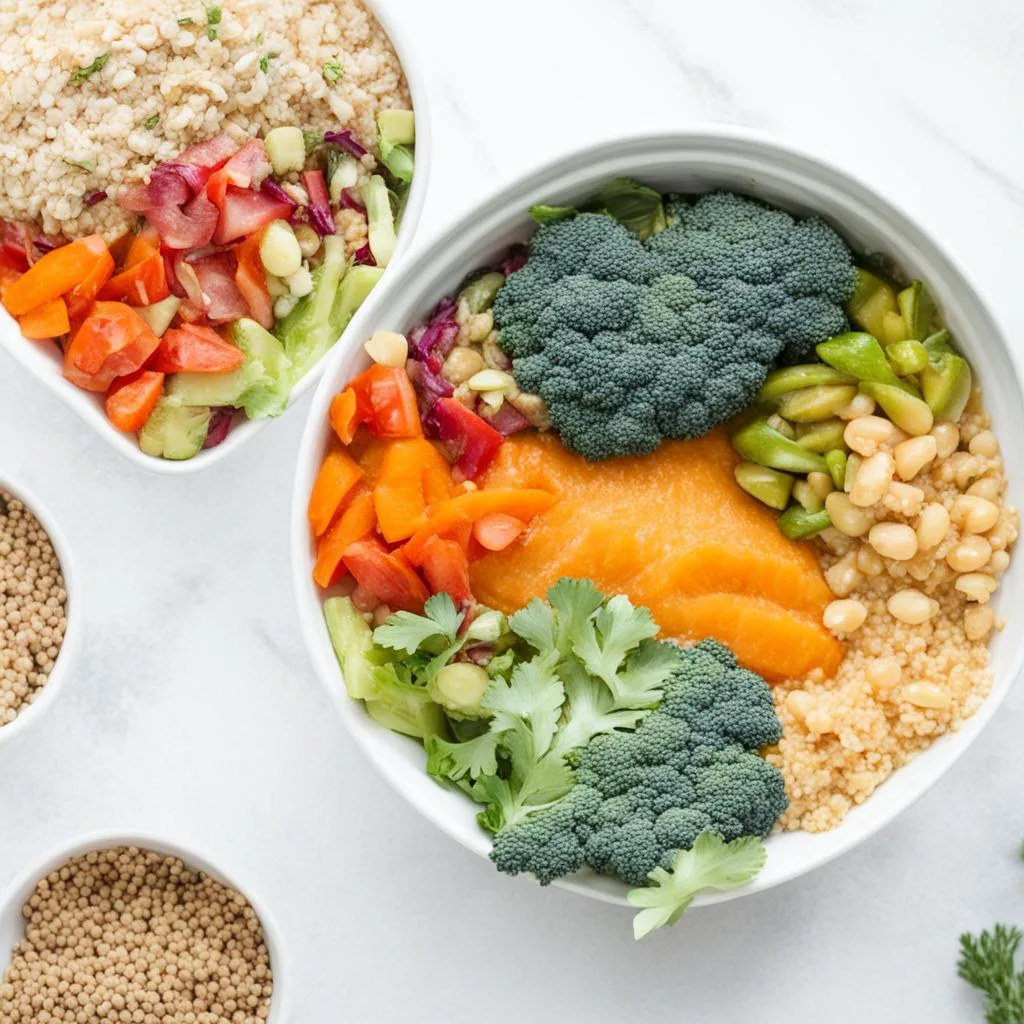
Navigating the first trimester of pregnancy can be challenging, especially when it comes to nutrition. It’s essential to ensure that your diet is balanced, wholesome, and packed with the necessary nutrients for your growing baby. In this article, we’ll share a 7-day meal plan with ideas, recipes, and prep tips specifically tailored for the first trimester of your pregnancy journey.
Day 1: Starting Strong
Breakfast: Avocado toast with a side of cottage cheese and fresh berries.
Lunch: Quinoa salad with roasted vegetables and feta cheese.
Dinner: Baked salmon with steamed broccoli and sweet potato mash.
Day 2: Energy-Packed Meals
Breakfast: Greek yogurt with honey, almonds, and sliced banana.
Lunch: Turkey and spinach wrap with a side of carrot sticks.
Dinner: Grilled chicken breast with quinoa and mixed greens salad.
Day 3: Comfort Food with a Healthy Twist
Breakfast: Oatmeal with chia seeds, apples, and cinnamon.
Lunch: Lentil soup with a slice of whole-grain bread.
Dinner: Veggie stir-fry with tofu and brown rice.
Day 4: Hydration and Nutrients
Breakfast: Smoothie bowl with spinach, blueberries, banana, and a sprinkle of granola.
Lunch: Chickpea salad with cucumbers, tomatoes, and olives drizzled with lemon vinaigrette.
Dinner: Baked cod with a side of asparagus and quinoa.
Day 5: Protein-Rich Meals
Breakfast: Scrambled eggs with spinach and whole-grain toast.
Lunch: Chicken Caesar salad with homemade dressing.
Dinner: Beef stir-fry with broccoli and brown rice.
Day 6: Fiber-Focused Foods
Breakfast: Berry parfait with granola and Greek yogurt.
Lunch: Black bean and corn salad with avocado.
Dinner: Grilled shrimp with a medley of roasted vegetables.
Day 7: Simple and Satisfying
Breakfast: Peanut butter and banana smoothie.
Lunch: Caprese salad with whole-grain bread.
Dinner: Lemon-herb roasted chicken with a side of mixed vegetables.
Meal Prep Tips for the First Trimester
To make your week simpler and ensure you’re getting the right nutrition, meal prep is key. Here are some tips:
- Plan your meals for the week and shop accordingly to avoid waste.
- Wash and chop vegetables ahead of time for quick and easy cooking.
- Batch cook grains and proteins to save time during the week.
- Store prepped meals in clear, labeled containers for easy identification.
Strategic Snacking to Maintain Blood Sugar and Reduce Nausea
While the three-meal structure provided in the 7-day plan is a fantastic foundation, many women find that the first trimester necessitates a “grazing” approach. Nausea often peaks when the stomach is empty, a phenomenon caused by the rapid rise in pregnancy hormones like hCG and progesterone. To counteract this, strategic snacking every two to three hours is essential. The goal is to keep blood sugar levels stable, as dips can trigger both dizziness and increased morning sickness. When selecting snacks, aim for a combination of a complex carbohydrate and a lean protein or healthy fat.
Consider keeping a “bedside snack” such as plain saltine crackers or rice cakes. Eating a few bites before even sitting up in bed can neutralize stomach acid and provide enough glucose to get you through your morning routine. During the day, look for portable options like string cheese paired with an apple, or a handful of walnuts with dried apricots. Walnuts are particularly beneficial as they provide plant-based omega-3 fatty acids, supporting the baby’s neurological development during these critical early weeks. If you find yourself struggling with a metallic taste in your mouth—a common first-trimester symptom known as dysgeusia—tart snacks like citrus segments or Greek yogurt with a drizzle of lemon honey can help cleanse the palate.
Edge cases often arise for those working long shifts or commuting. In these instances, shelf-stable protein is your best friend. Roasted chickpeas, pumpkin seeds, and individual almond butter packets are excellent because they don’t require refrigeration and provide the magnesium necessary to help mitigate early pregnancy leg cramps and headaches. Remember that snacking isn’t just about calories; it’s about maintaining a steady stream of nutrients to support the placenta’s rapid formation, which is a high-energy process for your body.
Microbiome Health and Managing Digestive Shifts
The surge of progesterone in the first trimester does more than just support the pregnancy; it also relaxes smooth muscle tissue throughout the body, including the gastrointestinal tract. This often results in slower digestion, leading to common discomforts like bloating, gas, and constipation. To manage these symptoms through your diet, focus on supporting your gut microbiome. While the meal plan includes fiber-rich foods like lentils and brown rice, the way you introduce these is key. If your body isn’t used to high fiber, increase your intake gradually and pair it with significantly increased water consumption to prevent further backup.
Probiotic-rich foods are vital during this stage. Beyond the Greek yogurt mentioned in the Day 2 and Day 6 plans, consider incorporating kefir, mild kimchi, or pasteurized sauerkraut. These fermented foods introduce beneficial bacteria that can help regulate digestion and may even play a role in supporting your immune system, which is naturally slightly suppressed during pregnancy. If you find the taste of fermented vegetables too strong due to heightened smell and taste sensitivities, stir a tablespoon of flaxseeds or chia seeds into your morning oatmeal. These seeds provide mucilaginous fiber, which acts as a gentle, natural stool softener.
For those experiencing significant bloating, it may be helpful to temporarily limit “gas-producing” vegetables like raw broccoli or cabbage, even though they are nutrient-dense. Steaming these vegetables thoroughly, as suggested in the Day 1 dinner, breaks down the complex sugars that are harder to digest, making them much gentler on your system. If heartburn begins to manifest early, try to avoid lying down for at least 45 minutes after eating any of the meals in the plan, and consider elevating your head with extra pillows at night to keep stomach acid where it belongs.
Food Safety Protocols and Ingredient Substitutions
In the first trimester, your immune system is uniquely tuned to protect the developing embryo, making you more susceptible to foodborne illnesses like Listeria, Salmonella, and Toxoplasmosis. While the 7-day plan lists healthy options like turkey wraps and Caesar salads, specific safety precautions must be taken. For the Day 2 turkey wrap, it is highly recommended to heat deli meats until they are steaming hot (165°F) before consuming them, even if you intend to eat the wrap cold later. This process kills any potential Listeria bacteria that may have contaminated the meat during processing or at the deli counter.
When preparing the Day 5 Chicken Caesar salad, be mindful of the dressing. Traditional Caesar dressing contains raw egg yolks, which pose a risk of Salmonella. Always opt for a pasteurized, store-bought version or a homemade recipe that uses avocado or Greek yogurt as a creamy base instead of raw eggs. Similarly, for any recipe calling for cheese, such as the quinoa salad with feta on Day 1, ensure the label explicitly states the cheese is made from “pasteurized milk.” In the United States, most commercial feta and soft cheeses are pasteurized, but it is always worth a double-check, especially with imported varieties or those purchased at farmers’ markets.
If you encounter a food aversion to a specific protein listed—such as the Day 5 beef stir-fry—don’t force yourself to eat it. Aversions are your body’s way of reacting to perceived threats, even if the food is perfectly safe. You can substitute beef with extra-firm tofu, which is rich in iron and calcium, or double up on the beans and lentils in other meals. The goal is to find a balance between safety and palatability. Always wash all produce, including “pre-washed” bagged salads, under cold running water to remove any traces of soil that could carry Toxoplasma gondii, a parasite especially dangerous during the first trimester.
Hydration Strategies Beyond Plain Water
Staying hydrated is a cornerstone of first-trimester health, as your blood volume increases significantly to support the placenta and the baby. However, many women develop a sudden aversion to the taste of plain water, or find that drinking large amounts of liquid at once triggers nausea. To meet your fluid goals without discomfort, focus on “eating” your water and utilizing infusions. Foods with high water content, such as the cucumbers in the Day 4 chickpea salad or the berries in the Day 6 parfait, contribute to your overall hydration levels while providing essential vitamins.
If plain water is unappealing, try “spa water” combinations. Adding slices of cucumber and mint can be very soothing, as mint is a natural anti-nausea herb. Alternatively, a splash of 100% cranberry or pomegranate juice in sparkling water can provide a refreshing tartness that cuts through the “flat” taste many pregnant women report. Electrolyte balance is also crucial, especially if you are losing fluids due to vomiting. Coconut water is a natural source of potassium and magnesium and is often better tolerated than sugary sports drinks. For a warm option, ginger tea made from fresh ginger root is a double-win: it hydrates and is clinically shown to reduce the severity of morning sickness.
Be cautious with herbal teas, however. While peppermint and ginger are generally considered safe, some herbal blends contain ingredients like hibiscus or high amounts of lemongrass which should be consumed in moderation or avoided. Always check with your midwife or OB-GYN before introducing medicinal-grade herbal infusions. A good rule of thumb for hydration is to check the color of your urine; it should be a pale straw color. If it’s dark yellow, you need to increase your intake, perhaps by setting a timer on your phone to take small sips every 15 minutes rather than drinking a full glass at once.
Managing Sensory Overload: Scent-Free Cooking and Cold Meals
One of the most surprising aspects of the first trimester is the heightened sense of smell (hyperosmia). A kitchen filled with the aroma of cooking salmon or sautéing onions—normally pleasant smells—can suddenly become unbearable. To stick to your meal plan without triggering a wave of nausea, you may need to adjust *how* you cook. Cold meals are often much better tolerated because they emit significantly fewer odors. The Day 4 chickpea salad, the Day 6 black bean and corn salad, and the Day 7 Caprese salad are perfect examples of nutrient-dense meals that don’t require heat.
When you do need to cook protein, such as the Day 1 baked salmon or the Day 2 grilled chicken, consider using a slow cooker or an outdoor grill. Placing a slow cooker in a well-ventilated utility room or even on a covered porch can keep the cooking smells out of the main living areas. Alternatively, poaching chicken or fish in a liquid with a little lemon and ginger can minimize the heavy “seared” smell that often lingers in the air. If the smell of the kitchen is still too much, try wearing a mask while prepping, or delegate the cooking to a partner or family member while you stay in a different, well-ventilated room.
For meals that require browning meat, like the Day 5 beef stir-fry, doing this in bulk once a week (as mentioned in the prep tips) and then freezing the cooked meat in portions can save you from having to smell the raw-to-cooked transition every day. When it’s time to eat, a quick reheat in the microwave usually produces much less scent than a pan on the stove. Also, don’t underestimate the power of “beige foods” during a sensory-overload week. If the vibrant colors and smells of a veggie stir-fry are too much, a simple bowl of brown rice with a little butter and a side of plain steamed peas still provides fiber, complex carbs, and a bit of protein without the sensory tax.
Bioavailability: Maximizing Nutrient Intake from Every Bite
During the first trimester, it’s not just about what you eat, but how your body absorbs those nutrients. Iron is a primary concern because your body needs it to make hemoglobin for the extra blood you’re producing. However, non-heme iron (the kind found in plant sources like the spinach in Day 5 or the lentils in Day 3) is not absorbed as easily as heme iron from animal products. To maximize absorption, always pair your iron-rich plant foods with a source of Vitamin C. For example, squeeze fresh lemon juice over your lentil soup or eat a few strawberries after your spinach omelet. The Vitamin C chemically alters the iron into a form that is much easier for your gut to take up.
Conversely, be mindful of “calcium-iron competition.” Calcium can inhibit the absorption of iron if consumed in large quantities at the same time. While both are essential, if you are taking an iron supplement or focusing on a high-iron meal like the beef stir-fry, try to avoid having a large glass of milk or a big serving of cheese at that same sitting. Space your high-calcium snacks, like the cottage cheese on Day 1, at least two hours away from your iron-focused meals to ensure you’re getting the maximum benefit from both.
Folate is another critical nutrient mentioned in the FAQ, but its bioavailability can be tricky. While the meal plan includes many folate-rich foods like asparagus, broccoli, and leafy greens, folate is water-soluble and can be destroyed by high heat or long cooking times. To preserve the folate in your Day 4 asparagus or Day 1 broccoli, use quick-cooking methods like light steaming or blanching rather than boiling them for long periods. If you prefer roasting, keep the temperature moderate and the time short. This ensures that the delicate B-vitamins remain intact to support the baby’s neural tube development, which is largely completed by the end of the first trimester.
Building a Resilient Pregnancy Pantry for Low-Energy Days
Fatigue in the first trimester can be bone-deep, making even the simplest meal prep feel like a marathon. To ensure you stay on track with your 7-day plan even when your energy craters, it’s vital to have a “resilient pantry.” This means stocking up on items that require zero prep but offer high nutritional value. Canned beans (rinsed to reduce sodium), vacuum-sealed precooked beets, and frozen quinoa blends are lifesavers. Frozen vegetables are often just as nutritious as fresh—sometimes more so, as they are flash-frozen at peak ripeness—and they eliminate the need for chopping when you’re too tired to stand at the counter.
Your freezer should also be a tool for your future self. When you have a “good” day with higher energy, double the recipe for the Day 3 lentil soup or the Day 1 sweet potato mash. These items freeze and reheat beautifully. Having a stash of homemade, nutrient-dense “frozen dinners” prevents the temptation to rely on highly processed takeout, which is often high in sodium and can exacerbate swelling and bloating. Stocking up on high-quality bone broth is another excellent strategy; it’s rich in collagen and amino acids, and sipping it warm can be very soothing for a sensitive stomach while providing a gentle protein boost.
FAQ: First Trimester Nutrition
Q: What nutrients are most important during the first trimester?
A: Folate, calcium, iron, and omega-3 fatty acids are crucial for the development of the baby’s brain and body.
Q: How can I manage morning sickness?
A: Opt for bland, easy-to-digest foods and eat small, frequent meals. Ginger and peppermint can also help soothe your stomach.
Q: Is it safe to eat fish during pregnancy?
A: Yes, but choose low-mercury fish like salmon, cod, and tilapia, and limit intake to 2-3 servings per week.
Q: Can I still drink coffee?
A: It’s recommended to limit caffeine intake to less than 200 mg per day, which is about one 12 oz cup of coffee.
Q: What if I’m too sick to eat?
A: Focus on staying hydrated and eating whatever you can tolerate. Speak with your healthcare provider for personalized advice.
Related posts:
 High Protein Breakfast Ideas for Busy Mornings
 Cheese’s Impact on Dental Health
 7-Day 2nd Trimester Pregnancy Meal Plan
 High-Protein Foods That Pack a Serious Nutritional Punch
 NYC’s Healthiest Meal Delivery Services That Actually Taste Amazing
 Are We Really Too Busy for Breakfast?
 The Game-Changing 50 Percent Rule That Makes Eating Vegetables Effortless
 7-Day Third Trimester Pregnancy Meal Plan Ideas, Recipes and Prep