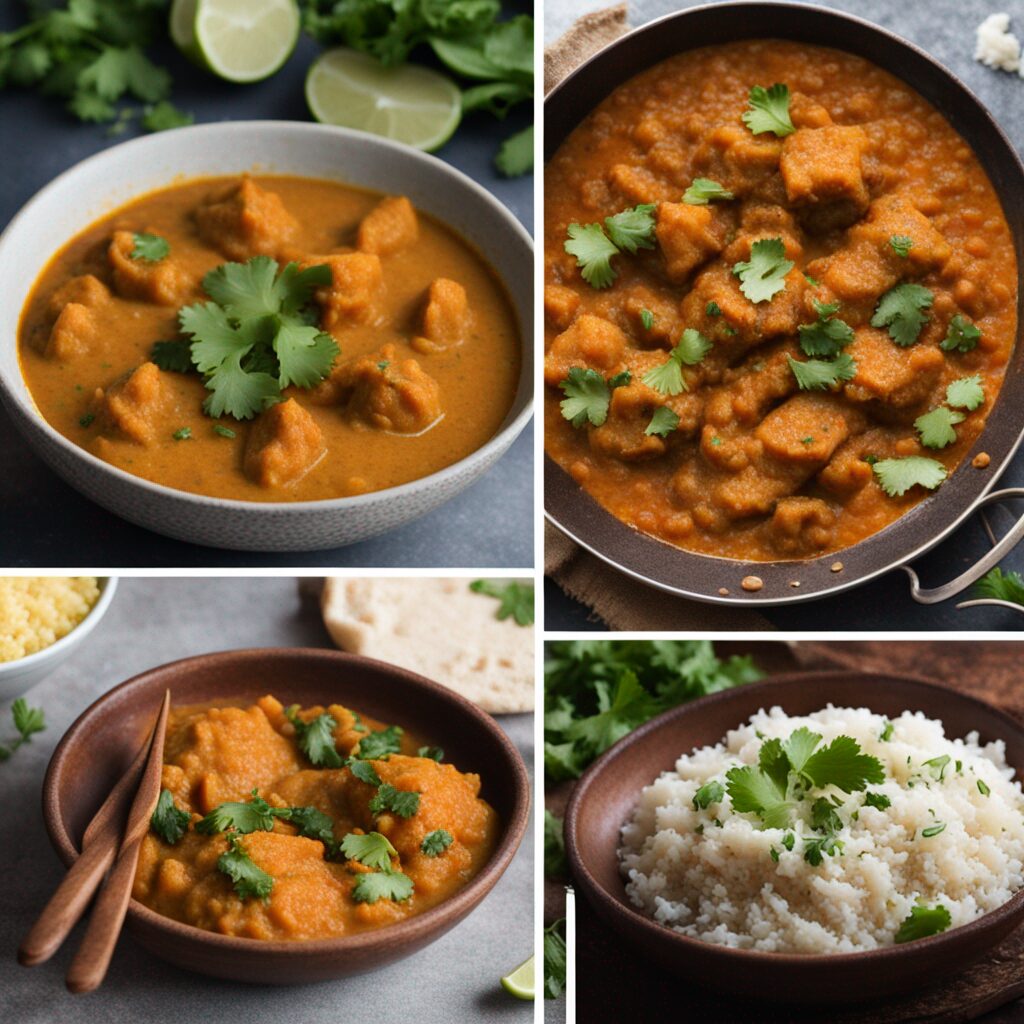
For those who follow a dairy-free diet, either by choice or due to lactose intolerance, finding flavorful dinner options can be a challenge. Indian cuisine, known for its rich and creamy dishes, might seem off-limits, but there are plenty of dairy-free options that are both delicious and satisfying. In this article, we’ll explore seven Indian dinner recipes that are perfect for anyone looking to enjoy a dairy-free feast.
Key takeaways
- All seven featured recipes are vegan-friendly and naturally free from dairy products.
- Substitute plant-based oils like coconut or olive oil for ghee when preparing a traditional spice tempering.
- Use canned chickpeas as a convenient time-saving alternative to dried chickpeas when making Chana Masala.
- Legume-based dishes such as Rajma and Dal Tadka provide high amounts of plant-based protein and fiber.
1. Chana Masala (Chickpea Curry)
Chana Masala is a hearty and flavorful dish made with chickpeas simmered in a spicy tomato-based sauce. It’s packed with protein and fiber, making it a fulfilling dairy-free dinner option.
2. Baingan Bharta (Mashed Eggplant)
This smoky and aromatic dish is prepared by grilling eggplants until tender, then mashing them and cooking with onions, tomatoes, and a blend of spices. Serve it with dairy-free naan or rice for a complete meal.
3. Aloo Gobi (Potato and Cauliflower Curry)
Aloo Gobi is a popular vegetarian dish made with potatoes and cauliflower. The vegetables are cooked with turmeric, cumin, and coriander, creating a flavorful and comforting curry.
4. Dal Tadka (Spiced Lentils)
Lentils are a staple in Indian cuisine and Dal Tadka is a simple yet delicious way to prepare them. The lentils are seasoned with a mixture of herbs and spices and then finished with a sizzling tempering of oil and spices.
5. Vegetable Biryani
This one-pot dish is made with fragrant basmati rice, mixed vegetables, and a bouquet of spices. It’s a complete meal that’s not only dairy-free but also full of flavor.
6. Bhindi Masala (Spicy Okra)
Bhindi Masala is a dry curry dish made with okra, onions, tomatoes, and a selection of spices. It’s a unique and tasty dish that pairs well with flatbreads or rice.
7. Rajma (Red Kidney Bean Curry)
Rajma is a comforting North Indian dish made with red kidney beans in a thick gravy. It’s typically served with rice and is a great source of protein for a dairy-free diet.
Mastering the Art of Dairy-Free Creaminess
One of the biggest misconceptions regarding dairy-free Indian cooking is that you must sacrifice the velvety mouthfeel characteristic of restaurant-style curries. To replicate that luxurious texture without heavy cream or yogurt, focus on emulsification techniques. Cashew cream is your best ally; by soaking raw cashews in boiling water for thirty minutes and blending them with a splash of fresh water until silky, you create a neutral-flavored base that thickens sauces beautifully. Alternatively, whisking in full-fat canned coconut milk—specifically the thick cream layer found at the top of the can—provides a rich, tropical undertone that complements earthy spices like turmeric and cumin. For recipes that require a slightly acidic tang to replace yogurt, a tablespoon of coconut aminos mixed with a teaspoon of lemon juice can mimic the brightness of dahi without any dairy components.
The Science of Spice Tempering (Tadka)
The secret to a restaurant-quality Indian dinner lies in the ‘tadka’ or ‘chhonk.’ This process involves blooming whole spices in hot fat to release their essential oils. When moving away from ghee, choose your oil carefully based on the regional profile of the dish. For South Indian preparations, refined coconut oil is the authentic choice, offering a subtle sweetness. For North Indian dishes, cold-pressed mustard oil provides a pungent, sharp kick that is traditional, though it must be heated until it just begins to smoke to remove its raw bitterness. Always add spices in a specific order: start with seeds (cumin, mustard, fenugreek), follow with aromatics (ginger, garlic, green chilies), and finish with powdered spices (red chili powder, turmeric) at the very last second to prevent them from burning, which would impart a bitter, acrid flavor to your entire dinner.
Selecting and Preparing Your Legumes
While canned legumes are a fantastic time-saver, there is a distinct difference in texture when using dried pulses. For dishes like Rajma or Dal, soaking your beans overnight with a pinch of baking soda can significantly improve their digestibility and texture. This technique softens the outer skin, allowing the inside to become creamy rather than grainy. If you are pressed for time and must use canned beans, always rinse them thoroughly under cold running water to remove the metallic, salty brine. To elevate these basic ingredients, try ‘pressure-cooking’ your lentils with a handful of fresh spinach or fenugreek leaves (methi). The leaves disintegrate during the cooking process, thickening the dal naturally and adding a deep, iron-rich complexity that makes the meal feel much more substantial.
Vegetable Prep: Beyond the Basics
To ensure your vegetable curries maintain their integrity rather than turning into mush, consider the method of ‘searing’ your vegetables before adding them to the sauce. In a dish like Aloo Gobi, instead of boiling the cauliflower, roast the florets in the oven at 400°F (200°C) with a drizzle of oil and salt until they develop charred, caramelized edges. This adds a depth of flavor that a simple simmer cannot achieve. Similarly, when working with Bhindi (okra), the primary challenge is avoiding the ‘slimy’ texture that occurs when the vegetable is sliced too thinly or over-stirred. The trick is to sauté the okra on high heat with a splash of amchur (dried mango powder) or lemon juice; the acid acts as a stabilizer, keeping the okra firm and distinct even after it is incorporated into the masala base.
Regional Variations and Flavor Balancing
Indian cuisine is incredibly diverse, and dairy-free options vary wildly by region. In coastal regions, you will find a heavy reliance on tamarind and coconut, which are naturally dairy-free and provide a complex flavor profile that balances heat with acidity. If your dinner feels one-dimensional, don’t reach for more salt—reach for a balancing agent. A pinch of jaggery (or dark brown sugar) can round out the sharp edges of a spicy tomato gravy, while a splash of tamarind concentrate can cut through the richness of a coconut-based curry. If you find your dish is too spicy, avoid the urge to add dairy substitutes; instead, serve the meal with a side of pickled onions or a fresh cucumber salad tossed with lime and cilantro, which provides a cooling, palate-cleansing contrast.
Elevating Your Dairy-Free Flatbreads
While many commercial naans contain yogurt or milk, making traditional unleavened breads like Roti or Phulka is remarkably simple and inherently dairy-free. The key is in the hydration of the dough. Use warm water to knead your whole-wheat flour (atta) and let it rest for at least twenty minutes. This allows the gluten to relax, resulting in a soft, pliable bread that puffs up beautifully over an open flame. To add luxury without butter, brush your finished rotis with a mixture of melted coconut oil and finely minced fresh garlic or nigella seeds. This mimics the ‘garlic butter’ experience found in restaurants while keeping the meal entirely plant-based. For a heartier option, try making ‘Parathas’ stuffed with spiced mashed potatoes or cauliflower, which serve as a complete, satisfying dinner on their own.
Storage, Reheating, and Flavor Development
Indian curries are famously better the next day, as the spices have more time to penetrate the vegetables and legumes. When storing your dairy-free dinners, use glass containers to prevent the potent spices from staining or lingering in plastic. Because these recipes rely on oil rather than dairy fats, they reheat exceptionally well without separating. When reheating, add a tablespoon of water to the pan to loosen the sauce, and heat gently over low heat. If you find the flavor has become too muted, a final ‘tadka’—a quick sizzle of spices in a teaspoon of oil poured over the dish just before serving—will ‘wake up’ the spices and make the meal taste as vibrant as if it had been cooked from scratch only moments before.
FAQ
- Are these recipes suitable for vegans?
Yes, all the recipes provided are not only dairy-free but also vegan-friendly. - Can I use canned chickpeas for Chana Masala?
Yes, canned chickpeas are a convenient alternative to dried chickpeas and can be used to save time. - Is it necessary to use basmati rice for Vegetable Biryani?
While basmati rice is traditional for its fragrance and texture, other long-grain rice varieties can be used as a substitute. - How can I make my Dal Tadka more flavorful?
Using fresh spices and a generous tempering (tadka) of ghee or oil with spices can enhance the flavor of your Dal Tadka. - What can I use instead of ghee for a dairy-free tadka?
For a dairy-free tadka, you can use any plant-based oil like coconut oil, olive oil, or canola oil.
Related posts:
 Recipe: This Ayurvedic Stew Is the Dish Govind Das Says Every Yogi Should Be Eating
 Rice Revealed: Is This Pantry Staple Actually Good for You
 Healthy Canned Foods Worth Stocking Up On
 Candice Kumai’s Healthy Turmeric Fried Rice Recipe
 15-Minute Dairy-Free Dinner Ideas
 Zoe Kravitz’s Coconut Oil Hair Care Secret
 Chickpea Rice Is Here to Replace Your Grain Game
 Masala Popcorn Recipe: A Spicy Twist on a Classic Snack