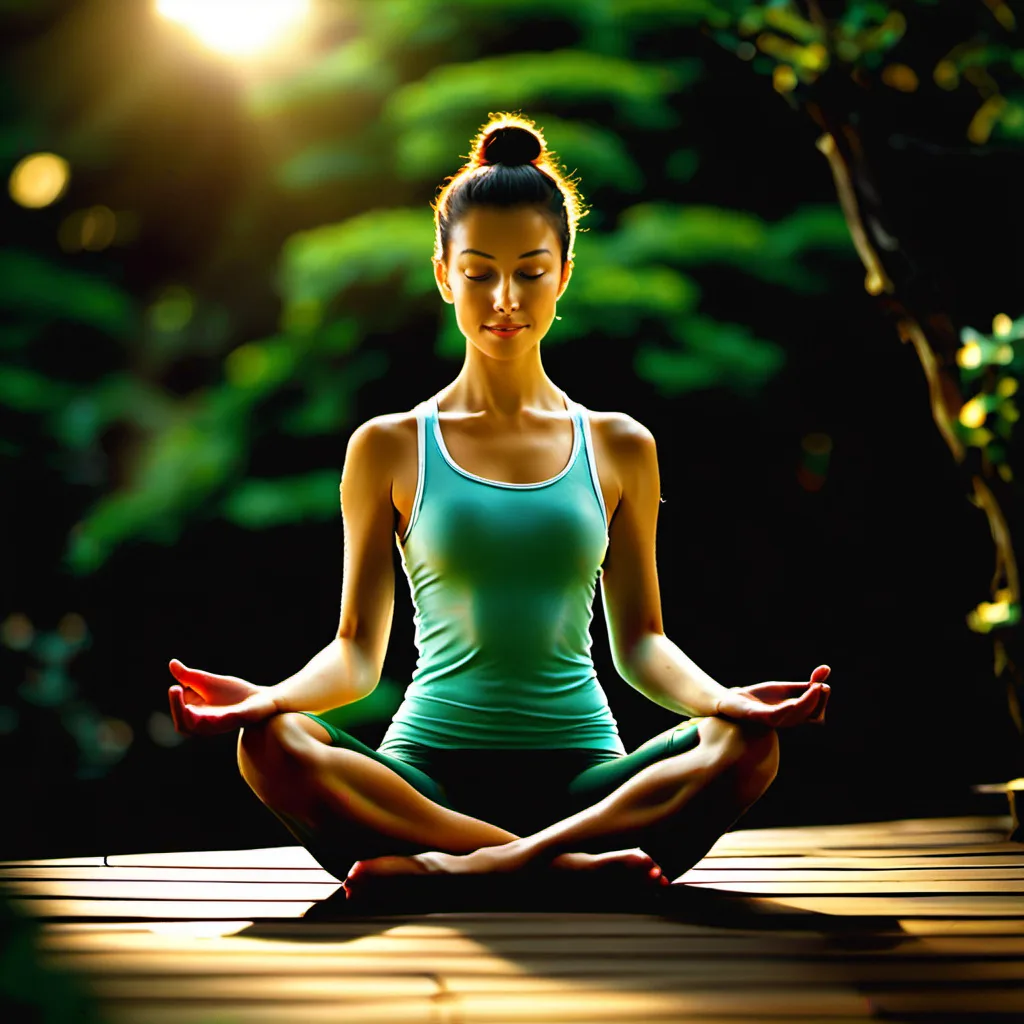
The eight limbs of yoga, known as Ashtanga yoga, form a structured path outlined by the sage Patanjali in the Yoga Sutras. Rather than a mere series of physical postures, this framework offers a gradual progression from external conduct to inner absorption. Each limb builds upon the previous one, guiding practitioners toward greater self‑awareness, ethical living, and a sense of interconnectedness. The following sections explain each limb in plain language, provide concrete examples of how to apply it in daily life, and offer simple practices you can start today. The goal is not to achieve perfection but to cultivate habits that support a clearer mind and a more compassionate outlook.
Key takeaways
- Practice ethical restraints like kindness and honesty to reduce inner conflict and improve daily social interactions.
- Incorporate basic postures and diaphragmatic breathing to build bodily awareness and regulate the nervous system's stress response.
- Use short sensory fasts and focused concentration exercises to train the mind to be less reactive to external chaos.
- Focus on consistency rather than perfection by starting with short daily sessions of movement, breathwork, and meditation.
1. Yama – Ethical Restraints
Yama consists of five universal principles that govern how we interact with the world and others. They are ahimsa (non‑violence), satya (truthfulness), asteya (non‑stealing), brahmacharya (wise use of energy), and aparigraha (non‑possessiveness). Practicing yama begins with self‑observation: notice moments when you react harshly, speak untruthfully, or cling to possessions. Small shifts, such as choosing a kind word instead of a sarcastic remark, pausing before taking something that isn’t yours, or simplifying a cluttered workspace, embody these restraints. Over time, the repeated choice to act with integrity reduces inner conflict and creates a calmer mental environment, making the deeper limbs more accessible.
2. Niyama – Personal Observances
While yama addresses our relationship with the external world, niyama focuses on personal discipline and inner attitudes. The five observances are saucha (purity), santosha (contentment), tapas (discipline), svadhyaya (self‑study), and Ishvara pranidhana (surrender to a higher principle). Saucha can be practiced by keeping your living space tidy and eating nourishing foods. Santosha invites gratitude; a simple habit is to note three things you appreciate each evening. Tapas is the willingness to sustain effort, like committing to a short daily stretch even when motivation wanes. Svadhyaya involves studying teachings that resonate—reading a passage from a yoga text or journaling about your experiences. Ishvara pranidhana encourages letting go of rigid expectations, perhaps by dedicating a few breaths to acknowledge something larger than your individual concerns.
3. Asana – Physical Posture
Asana is the limb most recognized in the West: the practice of steady, comfortable postures. The original intent is not to achieve impressive feats of flexibility but to cultivate a stable seat for meditation. Begin with foundational poses such as mountain pose (tadasana), cat‑cow (marjaryasana‑bitilasana), and child’s pose (balasana). Focus on aligning the spine, breathing evenly, and sensing the contact points with the floor. Hold each pose for three to five breaths, noticing any tension and releasing it on the exhale. Consistency matters more than duration; five minutes of mindful movement each day builds bodily awareness, reduces habitual holding patterns, and prepares the nervous system for subtler practices.
4. Pranayama – Breath Regulation
Pranayama expands the vital energy (prana) through conscious breath work. Simple techniques include diaphragmatic breathing, where you inhale deeply into the belly and exhale fully, and nadi shodhana (alternate nostril breathing), which balances the two sides of the nervous system. To practice diaphragmatic breathing, sit upright, place one hand on the chest and the other on the abdomen. Inhale slowly through the nose, feeling the lower hand rise while the upper hand remains relatively still. Exhale gently, contracting the abdomen. Start with three to five cycles, gradually extending the length of the inhale and exhale. Alternate nostril breathing involves closing the right nostril with the thumb, inhaling through the left, closing the left with the ring finger, exhaling through the right, then reversing. These practices help regulate stress responses, sharpen focus, and create a smoother transition into meditation.
5. Pratyahara – Sense Withdrawal
Pratyahara is the deliberate turning inward of awareness, reducing the dominance of external stimuli. It does not mean suppressing the senses but rather choosing where to place attention. A practical way to explore pratyahara is to engage in a short “sensory fast”: dim the lights, turn off electronic notifications, and sit quietly for five minutes, focusing solely on the sensation of the breath or the weight of the body on the seat. Another method is to practice mindful eating—chew slowly, notice flavors, textures, and aromas without distraction. By regularly creating pockets of reduced sensory input, you train the mind to be less reactive to external chaos, making concentration and meditation easier to sustain.
6. Dharana – Concentration
Dharana is the practice of fixing the mind on a single point of focus. Common objects include the breath, a mantra, a candle flame (tratak), or a visual symbol. To develop dharana, select a simple focus, such as the sensation of air at the nostrils. Set a timer for two minutes and gently bring attention back to that point whenever the mind wanders. The act of noticing distraction and returning focus strengthens the mental “muscle” of sustained attention. Over time, you can extend the duration or shift to a more subtle focus, like the internal sound of a mantra. Consistent dharana cultivates mental clarity and reduces the habit of scattered thinking.
7. Dhyana – Meditative Flow
When concentration becomes effortless and continuous, the practice flows into dhyana, or meditation. In this state, the observer and the observed begin to merge; there is a sense of seamless awareness without the strain of forcing focus. To nurture dhyana, build on your dharana routine: after a few minutes of concentrated breath awareness, allow the focus to soften, letting thoughts arise and pass without engagement. You may notice a subtle shift where the mind feels spacious rather than tense. Regular short sessions—starting with five minutes and gradually increasing—help the nervous system recognize this relaxed yet alert mode as a familiar state. Dhyana is not about achieving a blank mind but about cultivating a steady, non‑reactive presence.
8. Samadhi – Union and Bliss
Samadhi is often described as the culmination of the eight‑limb path, where the sense of individual separateness dissolves into a profound feeling of unity. While traditional texts describe various levels of samadhi, the essential idea is an experience of deep peace, clarity, and interconnectedness that transcends ordinary thought patterns. It is not a permanent state to be chased but a natural arising when the previous limbs have been cultivated with sincerity. Practitioners may glimpse moments of samadhi during extended meditation, in nature, or during acts of selfless service. Rather than aiming for a specific outcome, the focus remains on living the ethical and disciplinary foundations, allowing the mind to settle naturally into quieter, more expansive states.
Frequently Asked Questions
What if I struggle with the ethical limbs like non‑violence or truthfulness?
It is common to notice gaps between intention and action. Begin by observing without judgment: notice moments when you speak sharply or act impulsively. Keep a simple log for a week, noting the situation, your reaction, and a possible alternative response. Over time, this awareness builds a habit of pausing before reacting. Remember that the limbs are guides, not rigid rules; gradual improvement is more valuable than perfection.
Do I need to master asana before practicing pranayama?
No. The limbs are designed to be worked on simultaneously, though each supports the others. You can start with basic breath awareness while seated comfortably, even if your asana practice is minimal. As you become more familiar with steady posture, your breath regulation will feel easier, and vice‑versa. The key is consistency rather than sequential mastery.
How long should I meditate to experience dhyana?
There is no fixed timeline. Some practitioners notice a flow state after a few weeks of daily five‑minute sessions; others may take longer. The quality of attention matters more than the duration. Start with a length that feels sustainable—perhaps three minutes—and gradually add time as your ability to stay present improves. Regular, short practice builds the foundation for longer, deeper meditation.
Is it necessary to follow a specific diet or lifestyle to practice the eight limbs?
The eight limbs emphasize internal attitudes and habits rather than external rules. While a balanced diet and adequate rest support physical comfort for asana and pranayama, they are not prerequisites. Focus on integrating the yamas and niyamas into your existing routine—such as practicing kindness, contentment, and self‑study—before adding more complex changes. Adjustments to diet or lifestyle can arise naturally as your awareness grows.
Can practicing the eight limbs conflict with my religious beliefs?
The eight limbs are a philosophical framework that can complement many spiritual traditions. They emphasize universal values like honesty, non‑violence, self‑discipline, and inner awareness, which are often shared across faiths. If you have concerns, you can adapt the language—for example, interpreting Ishvara pranidhana as dedication to your own sense of purpose or the divine as you understand it. The practice is meant to be inclusive, allowing you to align it with your personal worldview.
Related posts:
 Hillary Clinton’s Breathing Techniques
 Stress Relief Meditation
 60 Meditation Exercises and Activities to Relieve Stress & Anxiety
 5 Steps to Inner Calm
 You’ve Been Breathing Wrong Your Entire Life: Here’s How to Fix It
 The Art of Relaxation Time That Everyone Needs to Master
 Lindsay Ellingson’s Stress-Relieving Yoga Move
 Black Healing: Breathwork for Black Women’s Wellness