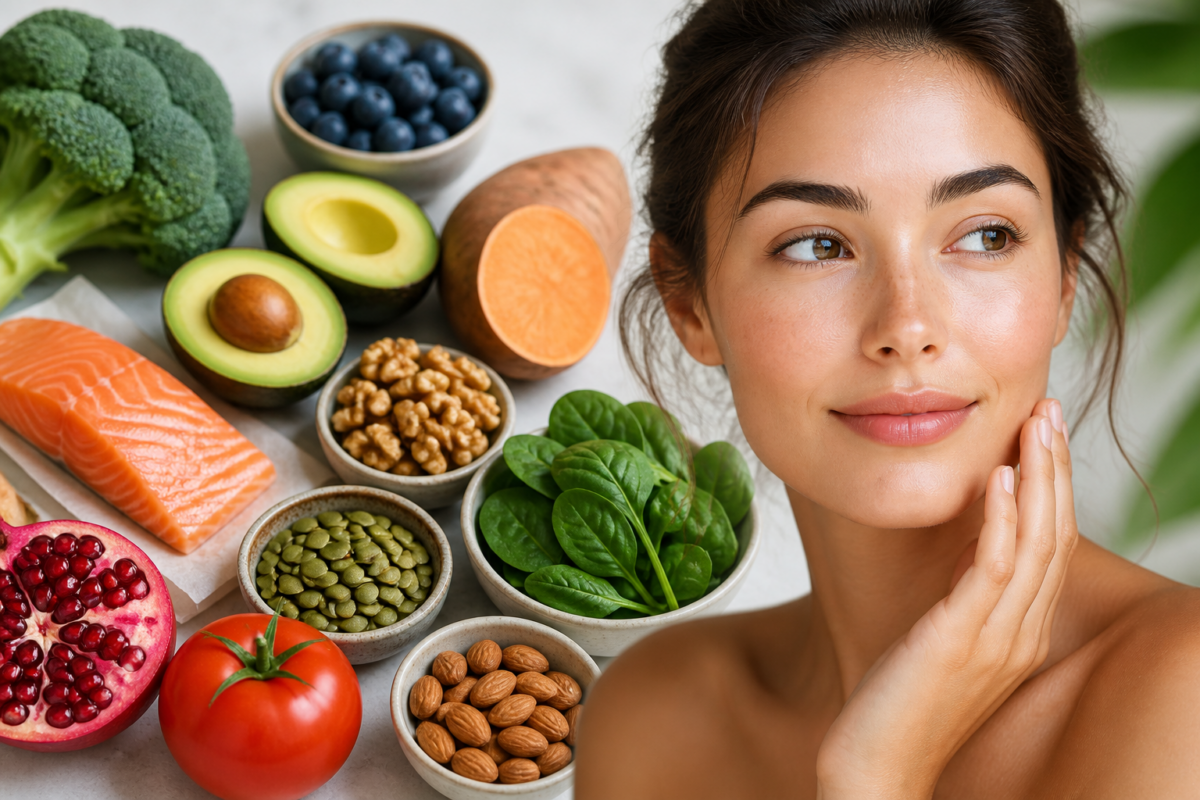
When we think about skincare, our minds often gravitate toward expensive serums, overnight masks, and intricate multi-step routines. While topical treatments certainly play a role in maintaining the skin’s surface, the most profound and lasting changes often begin from within. The skin is the body’s largest organ, and like any other organ, its health is deeply influenced by the nutrients we consume. The concept of the “gut-skin axis” suggests that our digestive health and dietary choices are reflected directly on our faces, influencing everything from inflammatory conditions like acne and eczema to the rate at which we develop fine lines.
Key takeaways
- Incorporate fatty fish and walnuts to provide essential omega-3 fatty acids for skin moisture and reduced inflammation.
- Boost collagen production by consuming bell peppers, sweet potatoes, and tomatoes, which are rich in vitamins C and A.
- Prioritize dark chocolate with at least 70% cocoa content to improve skin texture and hydration through powerful flavanols.
- Improve skin resilience by consuming broccoli for sulforaphane and green tea for protective catechins.
- Maintain consistency and focus on whole foods, as skin cell regeneration typically takes about 28 to 30 days.
Embracing a diet rich in specific vitamins, minerals, and healthy fats provides the building blocks for collagen production, protects against environmental damage, and maintains the integrity of the skin barrier. However, it is important to approach nutritional skincare with patience and compassion. Skin cells regenerate roughly every 28 to 30 days, meaning the dietary changes you make today may take a full month or more to manifest as a visible glow. In this guide, we explore nine powerhouse foods that are scientifically recognized for their ability to support vibrant, resilient skin, along with practical ways to integrate them into your lifestyle.
1. Fatty Fish: The Omega-3 Powerhouse
Fatty fish, such as salmon, mackerel, and herring, are arguably the most important foods for a radiant complexion. Their primary benefit lies in their high concentration of omega-3 fatty acids. These essential fats are crucial for maintaining skin thickness, suppleness, and moisture. A deficiency in omega-3s can lead to dry, flaky skin and may even exacerbate inflammatory conditions. Omega-3s work by reinforcing the skin’s lipid barrier, which helps lock in moisture and keep out irritants.
Beyond hydration, fatty fish are a significant source of high-quality protein, which is necessary for maintaining the structural integrity of the skin. They also provide Vitamin E, one of the most important antioxidants for the skin. Vitamin E protects the skin against oxidative stress and inflammation caused by free radicals. Furthermore, fatty fish contain zinc, a mineral vital for regulating inflammation and the production of new skin cells. A deficiency in zinc can lead to delayed wound healing and increased skin sensitivity.
Practical Guidance: Aim for at least two servings of fatty fish per week. If you are not a fan of salmon, try sardines on whole-grain toast or mackerel mixed into a Mediterranean salad. For those following a plant-based diet, while you won’t get the same direct EPA and DHA found in fish, you can supplement your omega-3 intake with algae-based oils or flaxseeds, though the conversion rate in the body is lower.
2. Avocados: Nature’s Internal Moisturizer
Avocados are celebrated in the wellness community for good reason. They are rich in monounsaturated fats, which are healthy fats that help keep the skin flexible and moisturized. Research has suggested that a high intake of total fat—specifically the healthy fats found in avocados—is associated with more supple, springy skin. Unlike saturated fats, these monounsaturated fats support the skin’s natural oil barrier without contributing to systemic inflammation.
Avocados are also an excellent source of Vitamin E and Vitamin C. These two vitamins work synergistically; Vitamin C is required for the creation of collagen, the main structural protein that keeps skin firm and strong, while Vitamin E helps prevent the oxidative damage that breaks collagen down. Interestingly, avocados also contain compounds that may protect your skin from sun damage. While they are not a replacement for sunscreen, the lutein and zeaxanthin found in avocados help filter harmful UV rays from the inside out.
Practical Guidance: Integrate avocados into your morning routine by spreading half an avocado on sprouted grain bread, topped with a squeeze of lemon and a pinch of red pepper flakes. You can also blend avocado into smoothies for a creamy texture that doesn’t alter the flavor but adds a massive boost of skin-loving nutrients.
3. Walnuts: The Balanced Nut for Skin Repair
While many nuts are healthy, walnuts stand out as a premier skin food because they contain a balanced ratio of omega-3 and omega-6 fatty acids. Most modern diets are overly high in omega-6 (found in many vegetable oils), which can promote inflammation. Walnuts provide the necessary omega-3s to help balance this ratio, thereby reducing the inflammatory response in the skin. This can be particularly helpful for those dealing with inflammatory acne or redness.
In addition to healthy fats, walnuts are a good source of zinc, Vitamin E, and selenium. Selenium is a powerful antioxidant that works alongside other vitamins to protect the skin from environmental stressors. The zinc in walnuts is particularly beneficial for the skin’s healing processes and serves as a barrier against bacteria. Because walnuts are nutrient-dense, you only need a small amount to reap the benefits.
Practical Guidance: A small handful of walnuts (about 1 ounce) is the ideal daily serving. Toss them into your oatmeal, sprinkle them over a pear and arugula salad, or keep a small container in your bag for a quick, skin-boosting snack. Ensure you are eating raw or dry-roasted walnuts rather than those roasted in inflammatory seed oils.
4. Sweet Potatoes: A Natural Source of Retinoids
Sweet potatoes are one of the best sources of beta-carotene, a nutrient that the body converts into Vitamin A (retinol). Vitamin A is perhaps the most well-known nutrient in dermatology because it is essential for cell production and growth. Without enough Vitamin A, the skin can become overly dry and rough. By consuming beta-carotene, you are essentially providing your body with the raw materials it needs to perform natural cell turnover, keeping the surface of your skin smooth and bright.
Beta-carotene is also a carotenoid, a type of pigment that functions as a natural sunblock. When consumed, these antioxidants are incorporated into your skin and help protect skin cells from sun exposure. This can help prevent sunburn, cell death, and the subsequent wrinkled, leathery skin that results from chronic UV damage. Interestingly, high levels of beta-carotene can also add a warm, healthy tint to your skin, often referred to as a “carotenoid glow.”
Practical Guidance: To maximize the absorption of beta-carotene, always eat sweet potatoes with a small amount of healthy fat, such as olive oil or avocado, as Vitamin A is fat-soluble. Try roasting sweet potato wedges with cinnamon and coconut oil, or bake a whole sweet potato and stuff it with black beans and salsa for a nutrient-packed lunch.
5. Bell Peppers: The Collagen Synthesizers
Bell peppers, particularly the red and yellow varieties, are exceptional sources of beta-carotene and Vitamin C. While most people think of citrus fruits when they think of Vitamin C, a single cup of chopped red bell pepper contains more than 300% of the daily recommended value. Vitamin C is the absolute cornerstone of collagen production. It acts as a co-factor for the enzymes that stabilize and cross-link collagen fibers, ensuring that the skin remains firm and elastic.
As we age, our natural collagen production declines, leading to thinning skin and the formation of wrinkles. Consuming high amounts of Vitamin C can help mitigate this process. Furthermore, Vitamin C is a potent antioxidant that helps neutralize free radicals generated by pollution and smoke. Studies have shown that women who consume higher amounts of Vitamin C have a lower likelihood of wrinkled and dry skin as they age.
Practical Guidance: Bell peppers are incredibly versatile. Slice them into strips for dipping into hummus, or sauté them with onions and lean protein for fajitas. To preserve the maximum amount of Vitamin C, try to eat them raw or lightly steamed, as prolonged high heat can degrade the vitamin content.
6. Broccoli: The Multi-Vitamin Vegetable
Broccoli is a nutritional powerhouse that provides a wide array of vitamins and minerals important for skin health, including zinc, Vitamin A, and Vitamin C. However, what makes broccoli truly unique is a special compound called sulforaphane. Sulforaphane is a potent protective agent that may help protect against sun damage in a unique way. Instead of just neutralizing free radicals, it switches on protective systems in your body that can defend against UV radiation for several days.
In addition to sulforaphane, broccoli contains lutein, a carotenoid that works like beta-carotene to protect your skin from oxidative damage that can cause your skin to become dry and wrinkled. Because broccoli is also high in fiber, it supports healthy digestion and regular elimination, which is vital for clearing toxins out of the body before they can affect the skin’s appearance.
Practical Guidance: To get the most sulforaphane out of your broccoli, let it sit for about 10 minutes after chopping before you cook it. This allows the enzymes to activate the compound. Lightly steaming broccoli ensures you don’t lose the water-soluble vitamins (like Vitamin C) into the cooking water. Serve it with a drizzle of lemon juice to further enhance the absorption of its minerals.
7. Tomatoes: The Lycopene Shield
Tomatoes are the primary dietary source of lycopene, a powerful carotenoid that has been shown to protect the skin against damage from the sun. In one study, participants who consumed tomato paste daily for ten weeks showed a significantly higher resistance to sunburn compared to those who did not. Lycopene helps to quench free radicals produced by UV light, acting as an internal layer of defense against photo-aging.
Tomatoes also contain all the major carotenoids, including lutein and beta-carotene, which have been shown to protect skin against light-induced damage and may help prevent wrinkling. Because tomatoes are also high in Vitamin C, they provide a comprehensive approach to skin health by both protecting existing collagen and encouraging the production of new fibers.
Practical Guidance: Unlike many other vegetables, the lycopene in tomatoes is actually more bioavailable when the tomatoes are cooked. Cooking breaks down the cell walls, making it easier for your body to absorb the nutrients. For the best results, cook your tomatoes with a healthy fat like olive oil, which further increases absorption. Think homemade tomato sauce, roasted tomatoes, or even a high-quality organic tomato soup.
8. Green Tea: The Soothing Protector
Green tea is widely regarded as one of the healthiest beverages on the planet, and its benefits for the skin are particularly impressive. The secret lies in catechins, which are powerful antioxidants that can protect your skin against damage and aging. These compounds can help reduce redness, improve hydration, and increase the elasticity of the skin. By reducing inflammation, green tea can also be a helpful tool for those struggling with chronic skin conditions.
One study found that women who drank green tea daily for 12 weeks experienced less redness from sun exposure and saw improvements in their skin’s moisture and thickness. Green tea also helps regulate sebum production, which can be beneficial for those with oily or acne-prone skin. It is a much gentler way to get a caffeine boost compared to coffee, which can sometimes trigger stress hormones that lead to breakouts in sensitive individuals.
Practical Guidance: To maximize the benefits, brew your green tea for at least 3-5 minutes to ensure the catechins are released. Avoid adding milk, as some research suggests that the proteins in dairy can bind to the antioxidants in tea and reduce their effectiveness. If you find the taste too bitter, add a squeeze of lemon, which actually helps stabilize the antioxidants so your body can use them more effectively.
9. Dark Chocolate: The Indulgent Skin Booster
If you needed another reason to enjoy a piece of chocolate, its effects on the skin are a compelling one. Cocoa is rich in flavanols, a type of antioxidant that has been shown to improve skin texture and hydration. In several studies, participants who consumed high-flavanol cocoa powder daily for several weeks experienced thicker, more hydrated skin that was less sensitive to sunburn. The flavanols also improve blood flow to the skin, which brings more oxygen and nutrients to the cells.
However, not all chocolate is created equal. To reap the skin benefits, you must choose dark chocolate with at least 70% cocoa content. Milk chocolate and highly processed cocoa powders are often loaded with sugar and dairy, which can actually trigger inflammation and worsen skin conditions like acne. The higher the cocoa percentage, the lower the sugar and the higher the antioxidant load.
Practical Guidance: Treat dark chocolate as a supplement rather than a candy bar. A small square (about 10-20 grams) of 70% or higher dark chocolate after dinner is enough to provide a significant dose of flavanols. Look for brands that use minimal ingredients and avoid those with “alkalized” or “dutched” cocoa, as the processing involved in alkalization destroys many of the beneficial antioxidants.
Actionable Guidance for a Skin-Healthy Lifestyle
While adding these nine foods to your diet is a fantastic start, the best results come from a holistic approach. Nutrition works best when it is supported by other healthy habits. Here are a few ways to ensure your diet translates into better skin:
- Prioritize Whole Foods: Focus on the perimeter of the grocery store where fresh produce and proteins are located. Minimize processed foods, which are often high in refined sugars and trans fats that can lead to “glycation,” a process where sugar molecules attach to collagen and make it brittle.
- Stay Consistent: You don’t need to eat all nine foods every day. Instead, aim to include 2-3 of them in your daily meals. Consistency over time is more important than a single day of perfect eating.
- Hydrate with Intention: While water itself doesn’t “wash away” wrinkles, proper hydration is essential for cellular function and nutrient transport. Pair your skin-healthy foods with plenty of water and herbal teas.
- Monitor Your Triggers: Everyone’s skin is unique. Some people find that dairy or high-glycemic foods trigger breakouts, while others are unaffected. Keep a food and skin diary for two weeks to see if you notice any patterns between what you eat and how your skin looks and feels.
10. Fermented Foods: Cultivating the Gut-Skin Axis
While the previous sections focused on direct nutrients like vitamins and fats, the role of the microbiome in skin health cannot be overstated. The “gut-skin axis” is a bidirectional communication pathway where the balance of bacteria in your digestive tract influences the inflammatory markers in your skin. Fermented foods such as kimchi, sauerkraut, kefir, and miso are rich in probiotics—live beneficial bacteria that help maintain a healthy gut barrier. When the gut lining is compromised (often referred to as “leaky gut”), pro-inflammatory cytokines can enter the bloodstream and manifest as skin issues like acne, rosacea, or psoriasis. By consuming fermented foods, you help suppress these systemic inflammatory responses.
Specific strains, such as Lactobacillus and Bifidobacterium, have been studied for their ability to improve skin hydration and reduce the sensitivity of the skin’s nerve endings. This is particularly beneficial for individuals with reactive or “stressed” skin that flares up due to environmental changes. Furthermore, fermented foods often contain organic acids and enzymes that aid in the absorption of other skin-loving nutrients, such as the zinc found in walnuts or the iron in leafy greens.
Practical Guidance: Start small to allow your digestive system to adjust. A tablespoon of unpasteurized sauerkraut or a small bowl of miso soup daily can make a difference. Ensure you are purchasing “live” or “raw” fermented products found in the refrigerated section, as the high heat used in shelf-stable canning kills the beneficial probiotics. For an advanced skin-boosting snack, try a bowl of plain coconut milk kefir topped with wild blueberries.
11. Berries and Anthocyanins: Strengthening the Microvasculature
Berries—including blueberries, raspberries, blackberries, and strawberries—are frequently cited for their antioxidant content, but their specific benefit for skin lies in a class of compounds called anthocyanins. These are the pigments responsible for the deep reds, blues, and purples in the fruit. Anthocyanins are exceptionally effective at protecting the skin’s microvasculature. They help strengthen the walls of the tiny capillaries that deliver oxygen and nutrients to the skin’s surface. When these capillaries are strong and flexible, the skin maintains a natural, healthy flush and is better equipped to repair itself from minor injuries or blemishes.
In addition to vascular support, berries contain ellagic acid, a polyphenol that helps prevent the breakdown of collagen caused by UV exposure. While tomatoes protect against burning via lycopene, berries offer a secondary line of defense by inhibiting the enzymes that “chew up” collagen fibers after you’ve been in the sun. Because they are low on the glycemic index, berries provide these benefits without causing the insulin spikes associated with high-sugar fruits, which can lead to glycation and premature aging.
Practical Guidance: Opt for wild blueberries whenever possible, as they have been shown to contain significantly higher antioxidant concentrations than conventional varieties. Berries are also one of the few fruits where frozen is often just as good as fresh; they are typically frozen at the peak of ripeness, preserving their nutrient profile. Add a cup of mixed berries to your morning yogurt or blend them into a protein shake to provide your skin with a steady supply of protective polyphenols.
12. Seeds: The Mineral-Dense Foundations for Skin Repair
While nuts are often the stars of the snack world, seeds—specifically pumpkin, sunflower, and hemp seeds—offer a unique mineral profile that is essential for skin repair and sebum regulation. Pumpkin seeds are perhaps the best plant-based source of zinc, a mineral that is often deficient in people struggling with chronic acne. Zinc acts as a natural antibacterial agent and helps control the production of oil in the pores. It also plays a critical role in the synthesis of new skin cells, making it indispensable for healing post-inflammatory hyperpigmentation (the dark spots left behind after a breakout).
Sunflower seeds are an overlooked source of Vitamin E and copper. Copper is a trace mineral that works with Vitamin C and zinc to develop elastin, the fibers that allow skin to “snap back” into place. Hemp seeds, on the other hand, provide a rare source of Gamma-Linolenic Acid (GLA), an omega-6 fatty acid that is actually anti-inflammatory. GLA is particularly effective for soothing the dry, itchy skin associated with eczema and dermatitis. By incorporating a variety of seeds, you provide your body with the structural minerals required for a resilient skin barrier.
Practical Guidance: To maximize the bioavailability of the minerals in seeds, consider soaking or sprouting them, which neutralizes phytic acid that can otherwise block mineral absorption. Sprinkle pumpkin seeds over salads for a crunch, or use hemp hearts as a topping for avocado toast. A daily intake of two tablespoons of mixed seeds provides a significant portion of your daily zinc and Vitamin E requirements without the inflammatory potential of processed seed oils.
13. Legumes and Phytoestrogens: Balancing Hormonal Skin Changes
Legumes, such as chickpeas, lentils, and organic soy (like edamame), are vital for skin health due to their high fiber content and the presence of phytoestrogens. As we age, especially for women approaching perimenopause and menopause, estrogen levels begin to decline. Since estrogen is a key driver of collagen production and skin thickness, this decline often leads to a sudden increase in dryness and sagging. Phytoestrogens, such as the isoflavones found in soy, can weakly mimic the effects of estrogen in the body, helping to maintain skin density and moisture levels during hormonal shifts.
Furthermore, legumes are an excellent source of plant-based protein and iron. Iron is necessary for the production of hemoglobin, which carries oxygen to your skin cells. Pale, sallow skin can often be a sign of low iron levels. The high fiber content in beans also ensures that the body effectively eliminates waste products, preventing the “re-absorption” of toxins that can lead to dullness and congestion. By stabilizing blood sugar, legumes also help prevent the insulin spikes that trigger hormonal acne in younger individuals.
Practical Guidance: Focus on whole, minimally processed forms of legumes. Choose organic, non-GMO edamame, tempeh, or lentils. If you find that beans cause digestive discomfort, try soaking them with a piece of kombu (seaweed) or opting for red lentils, which are easier to digest. Aim for three to four servings of legumes per week to support both hormonal balance and steady oxygenation of the skin.
14. Anti-Inflammatory Spices: Managing Systemic Redness from the Spice Rack
The health of your skin is often a reflection of the level of systemic inflammation in your body. Culinary spices like turmeric, ginger, and garlic are powerful tools for dampening this inflammation. Turmeric contains curcumin, a bioactive compound that has been shown to inhibit the molecular pathways that lead to inflammatory skin conditions. It is particularly effective for reducing the redness and swelling associated with cystic acne and rosacea. Ginger, similarly, contains gingerols which possess potent antioxidant and anti-inflammatory properties that can help improve skin tone and texture.
Garlic provides a different kind of benefit through its high sulfur content. Sulfur is often called the “beauty mineral” because it is required for the production of glutathione, the body’s master antioxidant, and is a key component of keratin and collagen. Sulfur helps the skin stay tough yet elastic and aids in the detoxification processes of the liver. When the liver is functioning optimally, it can more efficiently process the hormones and toxins that might otherwise be excreted through the skin, leading to clearer results.
Practical Guidance: Curcumin in turmeric is notoriously difficult for the body to absorb on its own. To unlock its benefits, always consume turmeric with black pepper (which contains piperine) and a source of fat, such as olive oil or coconut milk. Fresh ginger can be steeped into a morning tea, while garlic is best consumed crushed and allowed to sit for ten minutes before cooking to activate its beneficial allicin compounds. Incorporating these spices daily creates a continuous anti-inflammatory environment for your skin cells.
15. Allium and Sulfur-Rich Vegetables: Supporting the Liver-Skin Connection
Building on the benefits of garlic, the wider allium family—including onions, leeks, shallots, and chives—serves as a primary dietary source of organic sulfur. While we often focus on vitamins, sulfur is the third most abundant mineral in the human body and is essential for the cross-linking of collagen fibers. Without adequate sulfur, the collagen matrix becomes disorganized, leading to a loss of structural integrity and the early appearance of fine lines. Alliums also support the Phase II detoxification pathway in the liver, which is responsible for neutralizing fat-soluble toxins.
When the liver is overburdened by a poor diet or environmental pollutants, the skin often acts as a “backup” elimination organ. This is why many people experience breakouts or rashes when their digestion or liver function is sluggish. By providing the sulfur needed for glutathione production, allium vegetables help ensure that toxins are neutralized and excreted through the proper channels. This results in skin that looks clearer, brighter, and less prone to unexplained sensitivities.
Practical Guidance: Try to include at least one member of the allium family in your main meals every day. Sautéed leeks make an excellent base for soups, while raw red onions in a salad provide the highest concentration of quercetin, an antioxidant that further helps stabilize the mast cells that cause allergic skin reactions. If you are sensitive to the fermentable carbohydrates (FODMAPs) in onions and garlic, you can use garlic-infused oils to get the flavor and some of the fat-soluble benefits without the digestive distress.
16. Citrus and Bioflavonoids: Maximizing Collagen Stability
While the existing article mentions bell peppers for Vitamin C, citrus fruits like lemons, limes, oranges, and grapefruits deserve their own spotlight due to their high concentration of bioflavonoids. Bioflavonoids, such as hesperidin and naringenin, work synergistically with Vitamin C to protect it from oxidation and enhance its absorption. This is crucial because Vitamin C is highly unstable; bioflavonoids act as a protective shield, ensuring the vitamin reaches the dermis where it can effectively stimulate collagen synthesis.
Citrus fruits also contain d-limonene, a compound found primarily in the peel, which has been studied for its potential to support the skin’s natural defense against environmental carcinogens. Furthermore, the acidity of citrus fruits—specifically lemons—helps stimulate the production of stomach acid and bile, which are essential for breaking down fats and absorbing the fat-soluble vitamins (A, D, E, and K) that are so vital for a glowing complexion. Improved digestion leads to better nutrient delivery to the skin.
Practical Guidance: Don’t just settle for the juice; the white pith of citrus fruits is where many of the bioflavonoids are concentrated. When possible, use the zest of organic lemons or limes in your cooking to capture the d-limonene. A simple habit of drinking warm lemon water in the morning can prime your digestive system for the day, while adding orange slices to your water provides a slow-release source of Vitamin C and hydrating electrolytes that keep the skin looking plump and refreshed.
Frequently Asked Questions
How long does it take for dietary changes to show on my skin?
Generally, it takes about 4 to 6 weeks to see visible changes in your skin after adjusting your diet. This is because the skin’s natural regeneration cycle takes approximately 28 to 30 days. You are essentially feeding the new cells that are forming deep within the dermis; it takes time for those cells to migrate to the surface where you can see them. For chronic conditions like deep-seated acne or significant sun damage, it may take 3 months of consistent nutritional support to see a transformative difference.
Can drinking more water replace the need for these foods?
While hydration is vital, water alone cannot provide the structural building blocks (like protein and Vitamin C) or the protective antioxidants (like lycopene and catechins) that these foods offer. Think of water as the transport system that moves nutrients to your skin cells. If the nutrients aren’t in your system to begin with, the water has nothing to deliver. A combination of high-quality nutrition and adequate hydration is the gold standard for skincare.
Does sugar really cause wrinkles?
Yes, there is a scientific basis for the “sugar-wrinkle” connection known as glycation. When you have excess sugar in your bloodstream, the sugar molecules can permanently attach to proteins, including collagen and elastin. This creates “Advanced Glycation End-products” (AGEs), which cause collagen to become stiff, dry, and brittle. Over time, this leads to a loss of elasticity and the formation of fine lines. Reducing refined sugar is one of the most effective ways to protect your skin’s youthful structure.
Are supplements as effective as eating these whole foods?
In most cases, whole foods are superior to supplements because they contain a complex matrix of nutrients that work together. For example, the Vitamin E in avocados is accompanied by healthy fats that help you absorb it. Furthermore, whole foods contain fiber and phytonutrients that are often missing from isolated supplements. However, if you have a diagnosed deficiency or cannot eat certain foods due to allergies, a high-quality supplement can be a helpful bridge. Always consult with a healthcare provider before starting a new supplement regimen.
Does dairy cause acne?
The link between dairy and acne is a subject of much research. For some individuals, dairy can increase levels of insulin-like growth factor-1 (IGF-1), which can stimulate sebum production and lead to clogged pores. Additionally, some milk contains hormones that may influence the skin. However, this is highly individual. If you suspect dairy is affecting your skin, try eliminating it for three weeks and then slowly reintroducing it to see if your skin reacts. Many people find that fermented dairy, like plain Greek yogurt or kefir, is easier on their skin than fluid milk.
Related posts:
 The Best Toners for Acne-Prone Skin That Won’t Strip Your Face
 Omega-3 Benefits for Skin Health
 The Hidden Mental Health Cost of Adult Acne
 Collagen Pairing Perfection: The Best Foods to Maximize Your Supplement Benefits
 Daily Anti-Inflammatory Tips
 PHA Bodyweight Workout: Efficient Fitness Anywhere, Anytime
 K-Beauty’s Secret Weapons for Winning the War Against Acne
 Inside Out Beauty: How Your Plate and Skincare Routine Connect