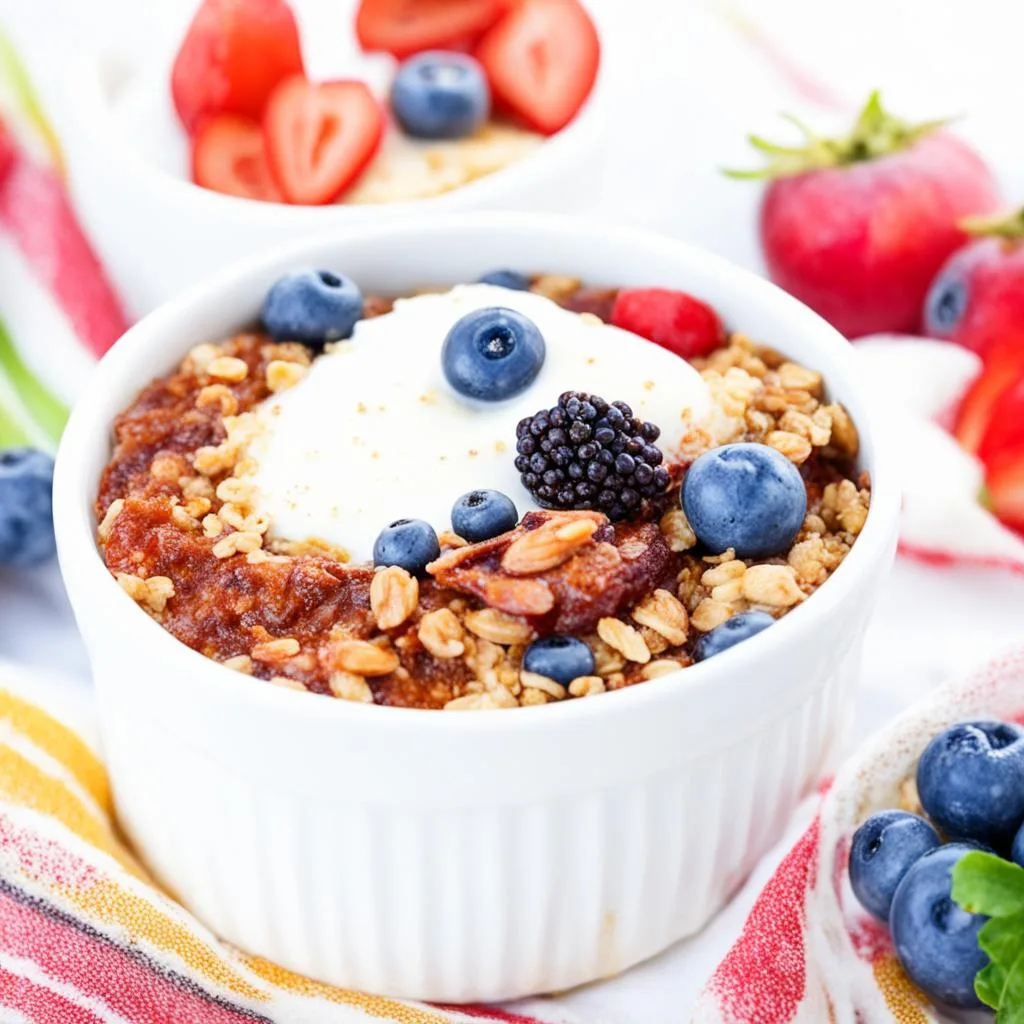
Oatmeal is a nutritious breakfast choice, but variety is important. Many delicious and healthy breakfasts can give you the energy you need to start your day right. Try these 9 oatmeal alternatives when you want something different for breakfast.
1. Avocado Toast
Avocado toast is simple to make and provides a nutritional boost in the morning. Toast a slice of whole grain bread, then mash half an avocado onto it. Top with salt, pepper, lime juice, an egg, tomato slices or whatever sounds good. The healthy fats and fiber in avocado will fill you up.
2. Smoothies
Blend your favorite fruits with yogurt or milk for a refreshing and quick breakfast smoothie. You can boost the nutritional value by adding spinach, peanut butter or chia seeds. Smoothies are versatile and you can create endless flavor combinations.
3. Scrambled Eggs
Eggs are loaded with protein to give you lasting energy. Make them fluffy scrambled, folded into an omelet or baked in a muffin tin for easy on-the-go egg bites. Add veggies like spinach or tomatoes to boost nutrition.
4. Greek Yogurt Parfaits
Layer your favorite fruits, nuts and granola in a tall glass with Greek yogurt for a delicious parfait. The probiotics and protein in yogurt paired with fiber-rich fruits and nuts make this a balanced meal.
5. Breakfast Tacos
Warm up a tortilla and fill it with scrambled eggs mixed with veggies, cheese, beans or meat for a warm and satisfying hand-held breakfast. The variations are endless, so get creative!
6. Breakfast Sandwiches
Toast an English muffin half, biscuit or bagel half and top with egg, cheese and ham or bacon for a classic hot sandwich. The whole grains give you sustained energy and the protein keeps you full.
7. Overnight Oats
While not technically cooked oatmeal, overnight oats make for an easy grab-and-go morning meal. Mix oats with milk and refrigerate overnight so you have a creamy, ready-to-eat bowl waiting in the morning. Customize with mix-ins like fruit, nut butter or protein powder.
8. Whole Grain Cereal
A bowl of whole grain cereal with low-fat milk provides fiber, protein and key nutrients. While sugary kids cereals should be avoided, healthy whole grain options can be a well-balanced choice when paired with fruit or yogurt.
9. Breakfast Salad
While salad may not be the traditional breakfast choice, starting your day with veggies and protein sets you up for success. Top greens with boiled eggs, lean protein, nuts, seeds and avocado or a vinaigrette dressing for a nourishing morning meal.
1. Savory Quinoa and Ancient Grain Bowls
While oatmeal is the most common hot cereal, quinoa and other ancient grains offer a completely different nutritional profile and a satisfyingly chewy texture. Quinoa is a rare plant-based source of a complete protein, meaning it contains all nine essential amino acids your body cannot produce on its own. This makes it an exceptional foundation for a breakfast that keeps you full well into the afternoon. Unlike the mushier consistency of rolled oats, quinoa maintains a slight crunch, providing a sophisticated mouthfeel that pairs beautifully with savory ingredients.
To transition from sweet to savory, consider a Mediterranean-inspired quinoa bowl. Start with a base of cooked quinoa—ideally prepared in vegetable broth for added depth—and top it with a soft-poached egg, sautéed kale, and a dollop of pesto. The runny yolk acts as a natural sauce, binding the grains and greens together. For those who prefer a bit of heat, a drizzle of harissa or a sprinkle of crushed red pepper flakes can elevate the dish further. If you are looking for more texture, toasted pine nuts or sunflower seeds add a delightful crunch and a dose of healthy fats.
Other ancient grains like farro, amaranth, and buckwheat offer similar benefits. Farro is particularly notable for its high fiber content and nutty flavor, which stands up well to hearty toppings like roasted mushrooms or wilted spinach. Buckwheat, despite its name, is gluten-free and can be served as “groats,” which are similar in size to rice but offer a much more robust, earthy flavor. These grains can be batch-cooked at the beginning of the week, making them just as convenient as instant oats for a busy morning. Simply reheat a portion with a splash of water or broth, add your toppings, and you have a gourmet-level breakfast in under five minutes.
2. High-Protein Cottage Cheese Bowls
Cottage cheese is often overlooked in favor of Greek yogurt, yet it contains a similar, if not higher, protein-to-calorie ratio. This makes it an ideal choice for those focused on muscle maintenance or weight management. One of the most significant advantages of cottage cheese is its versatility; while it is traditionally served with canned fruit, it shines as a savory base. Its mild, slightly salty flavor profile allows it to act as a blank canvas for a wide array of toppings that you might typically associate with a salad or a sandwich.
For a savory twist, try topping a cup of low-fat cottage cheese with diced cucumbers, cherry tomatoes, and a generous sprinkle of “everything bagel” seasoning. The contrast between the creamy cheese and the crisp vegetables creates a refreshing start to the day. If you want to lean into the healthy fats, add some sliced radishes and a drizzle of extra virgin olive oil. For those who still prefer a sweet start but want to avoid the sugar spikes associated with traditional cereals, try blending cottage cheese until smooth. This creates a texture similar to a thick mousse, which can be topped with fresh berries, cinnamon, and a few crushed walnuts.
An often-missed edge case for cottage cheese is using it as a warm component. While it may sound unusual, cottage cheese can be gently warmed or incorporated into a hot dish like a “crustless quiche” in a bowl. When mixed with a beaten egg and microwave-heated for 60 to 90 seconds, it creates a high-protein, soufflé-like texture that is incredibly satisfying. This method is perfect for those who find the cold texture of cottage cheese unappealing in the winter months. Pair this with a side of steamed asparagus or sautéed bell peppers for a micronutrient-dense meal that covers all your nutritional bases.
3. Mediterranean-Style Shakshuka and Poached Egg Skillets
Moving beyond basic scrambled eggs, Shakshuka offers a vibrant, vegetable-forward way to enjoy eggs for breakfast. Originating from North Africa and popularized throughout the Middle East, this dish consists of eggs poached directly in a simmering sauce of tomatoes, chili peppers, onions, and a complex blend of spices like cumin, paprika, and cayenne. Because the eggs are cooked in a liquid base, they remain incredibly tender, and the surrounding sauce provides a rich source of lycopene and vitamin C.
To make a quick weekday version, you can utilize high-quality jarred marinara as a base, enhancing it with freshly sautéed peppers and onions. Create small wells in the sauce, crack your eggs into them, and cover the pan for a few minutes until the whites are set but the yolks remain liquid. This dish is naturally low in carbohydrates but high in flavor and volume, making it a great option for those who want a large, filling meal without feeling weighed down. To add a creamy element, crumble some feta cheese over the top just before serving; the saltiness of the cheese perfectly complements the acidity of the tomatoes.
For a unique variation, consider a “Green Shakshuka.” Instead of a tomato base, use a mixture of sautéed leeks, spinach, kale, and poblano peppers. This version is packed with chlorophyll and iron. You can even add a splash of heavy cream or coconut milk to the greens to create a more luxurious, velvety sauce for the eggs. Serving this with a small side of whole-grain sourdough or even eating it on its own makes for a sophisticated breakfast that feels like a weekend brunch but is healthy enough for daily consumption. It’s an excellent way to clear out the vegetable crisper drawer while ensuring you hit your daily fiber goals early.
4. Chickpea Flour Pancakes and Legume-Based Hashes
If you enjoy the ritual of a pancake breakfast but want to avoid the refined flour and sugar, chickpea flour (also known as gram or besan flour) is a revolutionary alternative. Common in Indian and French cuisines (where it is used to make “socca”), chickpea flour is high in protein and fiber, and it is naturally gluten-free. When mixed with water and a little olive oil, it creates a savory batter that cooks up into a golden, slightly nutty pancake that is much more substantial than its wheat-based counterparts.
To prepare these, whisk together equal parts chickpea flour and water, adding a pinch of salt, turmeric, and cumin. Let the batter sit for at least ten minutes to allow the flour to hydrate fully—this is a crucial step for the best texture. Cook them in a lightly oiled skillet until the edges are crispy. These pancakes are delicious when topped with a dollop of Greek yogurt and a squeeze of lemon, or rolled up with sautéed mushrooms and spinach inside. Because they are so savory, they satisfy the craving for a warm, bready breakfast while providing a slow-release form of energy that prevents mid-morning crashes.
Beyond pancakes, legumes like black beans and lentils can form the base of a hearty breakfast hash. Instead of using potatoes as the primary starch, sauté canned and rinsed black beans with diced onions, bell peppers, and smoked paprika. The beans provide a creamy interior and a slightly crispy exterior when pan-fried. Top this hash with a fried egg or some sliced avocado for a meal that is rich in folate and potassium. This approach is particularly useful for those following a plant-based diet, as legumes offer a density of nutrients that many other breakfast foods lack, ensuring you stay satiated for hours.
5. Sweet Potato Toasts and Roasted Root Veggie Medleys
For those looking to eliminate grains entirely, sweet potato “toast” is a nutrient-dense alternative to bread. Sweet potatoes are rich in beta-carotene, vitamin A, and potassium, and their natural sweetness pairs surprisingly well with both sweet and savory toppings. The process is simple: slice a large sweet potato lengthwise into half-inch thick “planks.” You can actually cook these in a standard toaster by running them through two or three high-heat cycles until they are tender and slightly charred on the outside. Alternatively, a batch can be roasted in the oven for about 20 minutes at 400°F (200°C) to prep for the week.
Once you have your sweet potato base, the topping possibilities are endless. For a savory option, spread a thin layer of tahini or almond butter and top with sliced hard-boiled eggs and a dash of hot sauce. The creaminess of the nut butter balances the heat and the density of the potato. For a sweeter profile that still avoids refined sugar, try topping the sweet potato with a smear of ricotta cheese, a few thin slices of pear, and a sprinkle of cinnamon. The fiber in the sweet potato skin (which you should leave on) helps regulate blood sugar levels, making this a much more stable energy source than a traditional bagel or white toast.
If you prefer a bowl-style breakfast, consider a roasted root vegetable medley. Cubed sweet potatoes, carrots, and parsnips can be roasted with rosemary and thyme and served with a side of lean turkey sausage or a few slices of Canadian bacon. This type of breakfast is excellent for meal prepping, as roasted root vegetables hold their texture well when reheated. It provides a comforting, warm meal that feels indulgent but is composed entirely of whole, unprocessed foods. Adding a handful of arugula or microgreens at the end adds a fresh, peppery bite that cuts through the sweetness of the roasted vegetables.
6. Smoked Fish and Nordic-Inspired Breakfast Plates
In many Nordic and Mediterranean cultures, fish is a breakfast staple, providing a high dose of omega-3 fatty acids and vitamin D—nutrients that are often lacking in the standard Western diet. Smoked salmon (lox), smoked trout, or even sardines are excellent choices for a breakfast that feels elevated and provides significant brain-boosting benefits. These proteins are lean and require no cooking, making them perfect for quick assemblies on busy mornings.
A classic Nordic-style plate might include a few slices of smoked salmon, a hard-boiled egg, a portion of rye crispbread or pumpernickel bread, and some fresh dill and capers. Pumpernickel is a particularly good choice here; it is a dense, whole-grain rye bread that is fermented, making it easier on the digestive system and giving it a low glycemic index. The combination of the healthy fats from the fish and the complex carbohydrates from the rye provides a steady stream of energy. For a creamier element that isn’t heavy, use a small amount of labneh or thickened yogurt instead of traditional cream cheese.
If you’re feeling adventurous, tinned sardines on whole-grain toast with a squeeze of lemon and a few red onion slices is a nutritional powerhouse. Sardines are low on the food chain, meaning they have lower mercury levels than larger fish, and they are packed with calcium if you eat the softened bones. This type of breakfast is a favorite among longevity researchers because of its anti-inflammatory properties. The strong flavors also tend to be very satisfying, which can help reduce cravings for sugary snacks later in the day. It’s a sophisticated, savory departure from the typical sweet breakfast landscape.
7. Tofu Scrambles and Savory Plant-Based Proteins
For those who want a warm, egg-like experience without using animal products, a tofu scramble is a versatile and highly nutritious option. Firm or extra-firm tofu can be crumbled into a pan and sautéed with seasonings to mimic the texture of scrambled eggs. The key to a successful tofu scramble lies in the spices: turmeric provides the classic yellow color, while nutritional yeast adds a savory, cheesy flavor profile. For a truly “egg-like” taste, many plant-based chefs use kala namak (Himalayan black salt), which has a high sulfur content that replicates the scent and flavor of eggs perfectly.
The beauty of a tofu scramble is that it doesn’t get “rubbery” like overcooked eggs can, making it an excellent candidate for meal prepping. You can load it with an abundance of vegetables—think diced zucchini, shredded carrots, and sliced mushrooms—to increase the volume of the meal without significantly increasing the calorie count. Tofu is also an excellent carrier for bolder flavors; you can easily pivot to a Southwest theme by adding black beans, corn, and salsa, or an Asian-inspired theme by adding ginger, soy sauce, and bok choy.
Beyond tofu, other plant-based proteins like tempeh can be crumbled and browned to create a savory “breakfast crumble” that works well in bowls or over whole-grain toast. Tempeh is fermented, which provides probiotic benefits for gut health, and it has a firmer, meatier texture than tofu. Sautéing tempeh with a little maple syrup, liquid smoke, and soy sauce creates a plant-based alternative to bacon bits that can be sprinkled over any of the other breakfast options mentioned. This focus on diverse protein sources ensures that you aren’t just avoiding oatmeal, but actively building a breakfast that supports metabolic health and long-term satiety.
Frequently Asked Questions
What are some healthy breakfasts besides oatmeal?
Some healthy oatmeal alternatives for breakfast include avocado toast, smoothies, scrambled eggs, Greek yogurt parfaits, breakfast tacos or sandwiches, overnight oats, whole grain cereal or even a breakfast salad.
Do you have to eat breakfast?
While eating breakfast is not required, having a balanced morning meal can benefit both your health and productivity. A mix of whole grains, protein and fruit helps start your day off right by providing sustained energy.
What breakfast has the most protein?
Breakfast foods highest in protein include Greek yogurt, cottage cheese, eggs, ham/bacon, smoked salmon and high protein whole grain cereals or bread. Getting enough protein helps you feel full and energized.
Is a smoothie enough for breakfast?
For most people, smoothies make for a tasty and nutritious breakfast if you include protein, fiber and micronutrients like vitamin C. Blend Greek yogurt and fruit like berries that also have fiber to help keep you satisfied.
What breakfast foods give you energy?
The best breakfast foods for lasting energy include high-fiber whole grains, lean protein, healthy fats and fruit. Oatmeal, whole grain toast, vegetable-packed eggs or Greek yogurt with fruit cover all those bases to properly fuel your body and brain.
Related posts:
 Perfect Hard-Boiled Eggs: A Simple Guide
 Oatmeal and Eggs: The Perfect Breakfast Duo
 High-Protein Foods That Pack a Serious Nutritional Punch
 Managing Fiber Intake with IBS
 Are We Really Too Busy for Breakfast?
 Why Avocado Toast Dominated Breakfast Trends in 2017
 Golden Turmeric Deviled Eggs Meet Avocado Toast in This Genius Mashup
 Creative Cottage Cheese Recipes