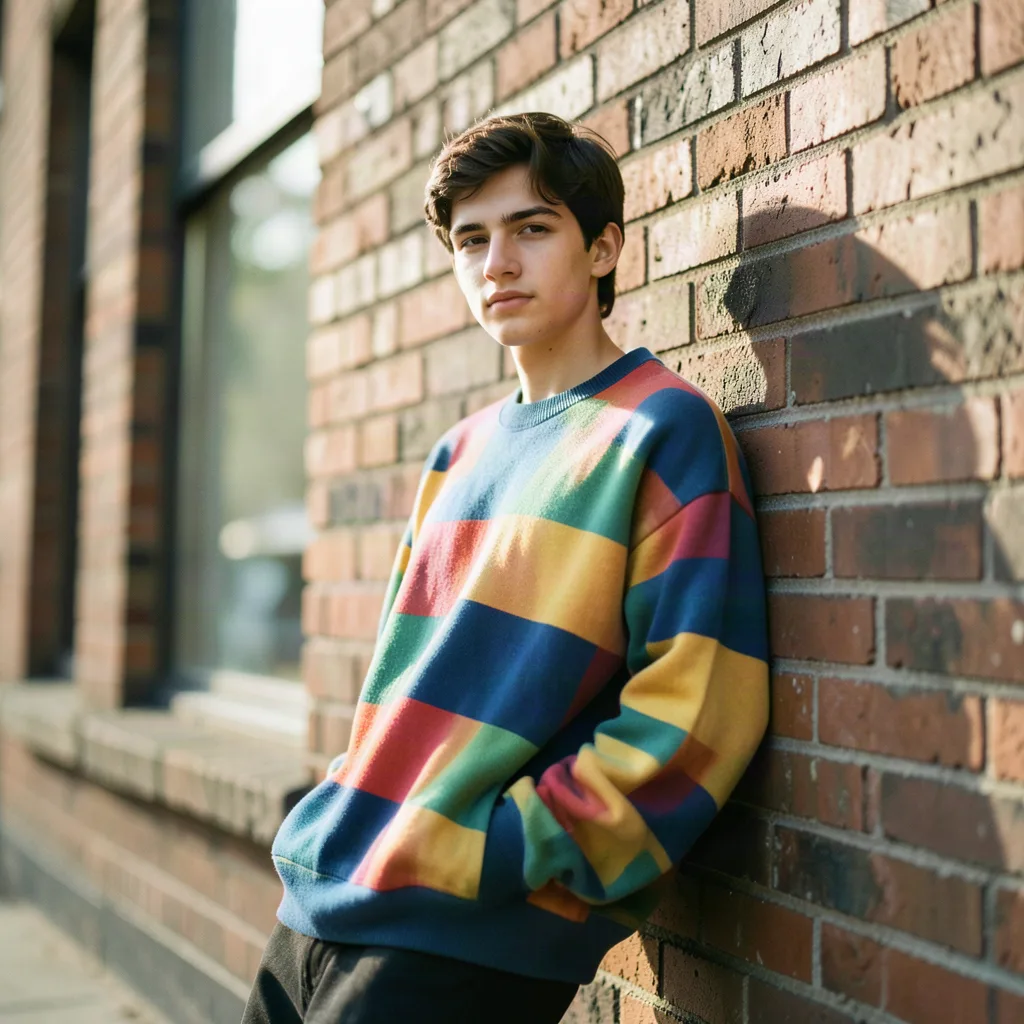
The 1990s have made a powerful comeback in fashion, and one of the most iconic pieces from that era is the humble sweatshirt. What was once dismissed as purely casual loungewear has transformed into a legitimate style statement that bridges the gap between comfort and sophistication. Today’s 90s-inspired sweatshirts are everywhere—from high-fashion runways to everyday street style—proving that nostalgia paired with thoughtful design creates enduring appeal.
Key takeaways
- Look for heavy cotton blends and oversized fits to ensure authentic 90s styling and garment durability.
- Shop vintage marketplaces or heritage brands like Champion to find high-quality pieces with genuine retro appeal.
- Wash sweatshirts inside out in cold water and air dry to preserve graphics and prevent fabric shrinkage.
- Balance oversized sweatshirts with tailored trousers or slim denim to create a modern, polished silhouette.
- Store sweatshirts folded instead of hanging to avoid permanent shape distortion and fabric stretching over time.
The revival of 90s sweatshirts represents more than just a cyclical fashion trend. It reflects a cultural shift toward valuing comfort without sacrificing style, a sentiment that has only strengthened post-2020. Whether you’re looking to refresh your wardrobe with authentic vintage pieces or invest in contemporary brands that capture the era’s essence, understanding the key elements of 90s sweatshirt style will help you navigate this trend authentically.
The Cultural Context of 90s Fashion
To truly appreciate the 90s sweatshirt revival, it helps to understand why this decade produced such distinctive fashion. The 1990s were marked by a rejection of the excess and formality of the 1980s. Grunge emerged from Seattle, bringing flannel shirts and oversized silhouettes into mainstream consciousness. Simultaneously, hip-hop culture introduced baggy silhouettes, bold graphics, and sportswear as everyday fashion. These seemingly opposite aesthetics actually shared common ground: authenticity and comfort.
The 90s sweatshirt became the uniform of choice for everyone from college students to working professionals. It was unpretentious yet expressive, allowing people to signal their interests through brand choices and graphic designs. Brands like Champion, Russell Athletic, and Tommy Hilfiger became cultural touchstones. Independent designers and emerging brands used screen-printed graphics to convey personality and subcultural belonging.
This context matters because today’s 90s sweatshirt revival isn’t just about the garment itself—it’s about reclaiming that sense of casual authenticity that defined the decade. Modern consumers are drawn to sweatshirts that feel genuine rather than calculated, which is why vintage pieces and heritage brands dominate the conversation.
Key Design Elements of Authentic 90s Sweatshirts
Recognizing what makes a sweatshirt genuinely 90s will help you build an authentic collection. Several design characteristics define the era. First, oversized fits were standard. Sweatshirts were meant to be roomy and comfortable, often worn significantly larger than your actual size. This wasn’t fashion laziness—it was intentional and created the characteristic slouchy silhouette that defined the decade.
Fabric weight and texture matter considerably. Original 90s sweatshirts used heavier cotton blends, typically 50/50 cotton-polyester combinations. This weight gave sweatshirts structure and durability. Modern reproductions often use lighter, more contemporary blends, which can feel insubstantial compared to authentic vintage pieces.
Graphics and embellishments tell the 90s story. Screen-printed logos and designs were ubiquitous, often featuring brand names, college logos, sports teams, or abstract patterns. The quality of these graphics varied significantly—some were simple and bold, while others featured elaborate multi-color designs or metallic inks. Embroidered designs, particularly on chest areas, were also common, especially on higher-end sportswear pieces.
Color palettes leaned toward bold primaries, earth tones, and unexpected combinations. Neon details, color blocking, and washed-out finishes all appeared in 90s sweatshirts. Many contemporary revivals capture these aesthetics through intentional distressing or vintage-wash effects.
Shopping for Vintage 90s Sweatshirts
Authentic vintage 90s sweatshirts offer unmatched quality and genuine style credibility. However, shopping vintage requires strategy and knowledge. Thrift stores like Goodwill and Salvation Army remain reliable sources, though inventory varies by location and season. Vintage-specific retailers like Depop, Grailed, and The RealReal offer curated selections with detailed descriptions and authentication, though prices reflect this curation.
When evaluating vintage sweatshirts, examine the fabric first. Authentic pieces should feel substantial and often have a slight fade from washing and age. Check the tag for material composition and care instructions—genuine 90s sweatshirts rarely feature modern sustainable fiber content or elaborate tag designs. Look at the stitching quality; authentic pieces typically show consistent, well-executed seams.
Pricing for vintage 90s sweatshirts ranges dramatically. A standard thrift find might cost five to fifteen dollars, while a rare brand like Stüssy, Supreme, or a vintage sports team piece can command hundreds. Heritage brand pieces from Champion or Russell Athletic in good condition typically fall in the thirty to eighty-dollar range. Condition significantly impacts price—holes, significant stains, or fading graphics reduce value, while pristine condition commands premiums.
Be cautious of counterfeits and reproductions sold as vintage. Learn the authentic tag designs for brands you’re interested in, and question prices that seem too good to be true for claimed rare pieces. Building relationships with reputable vintage sellers helps ensure reliability.
Contemporary Brands Capturing 90s Aesthetics
Not everyone wants to hunt for vintage pieces, and that’s where contemporary brands step in. Many modern companies intentionally recreate 90s sweatshirt styles using original designs or licensed heritage imagery. These pieces offer consistency, sizing accuracy, and modern durability while maintaining authentic aesthetic appeal.
Heritage brands that operated through the 90s have leaned heavily into nostalgia marketing. Champion, for instance, has explicitly repositioned itself around 90s athleticwear, using archive imagery and reclaimed designs. Their contemporary productions use similar construction methods to vintage pieces, though with modern fabric innovations.
Streetwear brands have also embraced the 90s sweatshirt. Stüssy, Carhartt WIP, and Fucking Awesome create original designs that capture the era’s aesthetic without direct imitation. These pieces often blend 90s sensibilities with contemporary design refinement, appealing to consumers seeking vintage vibes with modern construction.
Luxury brands have not ignored the trend. Brands like Balenciaga, Vetements, and Martine Rose have created high-fashion interpretations of 90s sweatshirts, often deconstructing or exaggerating signature elements. These pieces command premium prices but attract consumers seeking designer-level quality with retro appeal.
When shopping contemporary options, look for pieces that feel intentional rather than trendy. The best contemporary 90s sweatshirts use substantial fabrics, thoughtful graphics, and construction that justifies the price point. Be wary of pieces that feel like they’re simply slapping 90s graphics on cheap contemporary blanks.
Styling 90s Sweatshirts for Modern Wardrobes
The beauty of 90s sweatshirts lies in their versatility. These pieces work across multiple style contexts, from casual to surprisingly polished looks. Understanding styling principles helps maximize your sweatshirt investment.
The foundational 90s look pairs oversized sweatshirts with fitted or tapered pants, creating proportional balance. Vintage Levi’s 501s or 90s-appropriate denim work perfectly here. Add chunky sneakers—Adidas, New Balance, or vintage Nike models—and you’ve captured the era’s casual aesthetic. This combination works for weekend outings, casual Fridays, or college-appropriate settings.
For a more streetwear-influenced approach, combine oversized sweatshirts with cargo pants or baggy jeans. Layer with oversized jackets or vintage windbreakers. Accessorize with mini backpacks, crossbody bags, or vintage-appropriate watches. This styling leans into hip-hop and skate culture aesthetics that defined 90s youth culture.
Contemporary styling approaches treat 90s sweatshirts as statement pieces. Pair an oversized graphic sweatshirt with tailored trousers or midi skirts for an intentionally mixed aesthetic. This juxtaposition creates visual interest and feels fresh rather than costume-like. Add minimal jewelry and contemporary footwear to anchor the look in present-day fashion.
Layering dramatically expands sweatshirt versatility. Wear oversized sweatshirts over crisp button-up shirts, allowing the collar and cuffs to show. Pair with structured outerwear—blazers, trench coats, or tailored jackets—to elevate the casual sweatshirt into more refined contexts. This approach works well for professional environments embracing casual dress codes.
Seasonal considerations matter. In warmer months, opt for lighter sweatshirts in natural fabrics or those designed specifically for layering. Pair with linen trousers or cotton shorts. In cooler seasons, embrace heavier sweatshirts as standalone pieces or under wool coats. The key is treating your 90s sweatshirt as an intentional wardrobe component rather than a fallback option.
Building a Sustainable 90s Sweatshirt Collection
Investing in vintage pieces inherently embraces sustainability—you’re extending garment life and reducing demand for new production. However, building a thoughtful 90s sweatshirt collection requires intentionality beyond simply buying whatever looks cool.
Start by assessing your lifestyle and color preferences. Do you lean toward neutral tones or bold colors? Are you more skate culture or hip-hop aesthetic? What graphics or brands resonate with you personally? Answering these questions prevents impulse purchases that don’t align with your actual style.
Quality should drive purchasing decisions. A single well-made vintage Champion sweatshirt will outlast three contemporary reproductions made from flimsy fabric. Invest in pieces that demonstrate quality construction, substantial fabric, and graphics that will withstand repeated wearing and washing. These pieces appreciate in value and remain wearable for decades.
Care practices extend sweatshirt longevity significantly. Wash in cold water, inside out, on gentle cycles. Air dry rather than machine drying to prevent fabric deterioration and graphic damage. Store folded rather than hanging to prevent stretching. Occasional spot cleaning extends the time between full washes, reducing overall wear.
Consider capsule-collection thinking. Rather than collecting dozens of sweatshirts, curate a smaller collection of pieces that work together. A neutral Champion sweatshirt pairs with more adventurous graphic sweatshirts in your collection. A vintage sports team sweatshirt works alongside a contemporary streetwear piece. This approach creates more outfit combinations while reducing overall consumption.
Caring for Your 90s Sweatshirts
Whether you own vintage gems or contemporary reproductions, proper care determines longevity and maintains the piece’s original appeal. 90s sweatshirts require specific attention, particularly those featuring graphics or embroidery.
Washing methodology significantly impacts durability. Turn sweatshirts inside out before washing to protect graphics and reduce fading. Use cold water and gentle or delicate cycles, as hot water can damage fibers and set stains. Mild detergents specifically formulated for delicate garments are preferable to standard laundry detergent. Avoid fabric softeners, which can leave residue and reduce fabric breathability.
Stain treatment requires prompt attention. Treat stains immediately with cold water and gentle rubbing rather than heat, which can set many stains permanently. For stubborn marks, allow stain remover to sit for 15-30 minutes before washing. Never use bleach on colored sweatshirts, as it can cause permanent discoloration or weakening of fibers.
Drying practices prevent shrinkage and fabric damage. Air drying is universally preferable to machine drying. Lay flat on clean surfaces or hang on padded hangers to prevent stretching. Ensure adequate air circulation to prevent mildew or moisture retention. If you must use a machine dryer, select the lowest temperature setting and remove the sweatshirt while still slightly damp to complete air drying.
Storage matters for long-term preservation. Clean sweatshirts thoroughly before storage. Store in cool, dry environments away from direct sunlight, which fades colors and can weaken fibers. Avoid plastic storage containers that can trap moisture; use breathable cloth storage bags instead. Fold sweatshirts rather than hanging them, as extended hanging can cause stretching and permanent shape distortion. Check stored items occasionally for signs of moisture or pests.
The Psychology Behind Nostalgia Fashion
Understanding why 90s fashion resurfaces helps contextualize the current sweatshirt revival. Fashion operates in cycles, but nostalgia fashion specifically reflects broader cultural patterns and consumer psychology.
Nostalgia serves as emotional comfort during uncertain times. The 90s represent a period many associate with relative economic stability, simpler pre-digital social dynamics, and distinctive cultural production. As contemporary life becomes increasingly complex and digitized, 90s aesthetics offer a retreat to a more straightforward era. Sweatshirts, which embody that casual authenticity, carry particular nostalgic weight.
Generational cycles play a role too. Millennials, who grew up in the 90s, now have disposable income to purchase clothing. Gen Z, born in the late 90s and early 2000s, discovers the decade through media and discovers it as a distinctive aesthetic separate from their own lived experience. This double demographic interest creates sustained market demand.
The 90s also represent a pre-social media era, which paradoxically makes 90s aesthetics attractive to social media users. Posting vintage 90s sweatshirts on Instagram creates visual cohesion and nostalgic appeal without the self-consciousness of contemporary fast fashion. The seeming authenticity attracts audiences, even as they document it for public consumption.
Distinguishing Trends from Timeless Pieces
Not all 90s sweatshirts carry equal longevity in contemporary fashion. Understanding which pieces will remain stylistically relevant helps inform purchasing decisions and prevents regrettable trendy purchases.
Classic sportswear graphics from established brands—Champion, Russell Athletic, Adidas, Nike—remain timeless. These brands carry inherent cachet and the logos transcend temporal fashion cycles. A vintage Champion sweatshirt will look appropriate and intentional for decades, while a branded graphic commemorating a 1999 corporate event might feel dated by 2030.
Minimal, solid-color sweatshirts in neutral tones represent the safest investment. These pieces work across countless styling contexts and time periods. While less visually exciting than graphic pieces, they provide lasting versatility.
Distinctly trendy elements worth questioning include excessive graphic saturation (sweatshirts with multiple competing images), neon colors that feel more 2020s-inspired than authentically 90s, and overly distressed finishes that read more contemporary costume than genuine vintage.
The most sustainable purchases combine classic design elements with quality construction. A well-made vintage sweatshirt featuring a recognizable brand or timeless graphic will remain wearable and appropriate long after the specific trend cycle passes.
The Economics of 90s Sweatshirt Collecting
The 90s sweatshirt market has developed into a surprisingly sophisticated economy with distinct price tiers, market dynamics, and investment potential. Understanding these economic factors helps collectors make informed decisions about allocation and long-term value preservation.
Entry-level thrift finds represent the foundation of this market. A five-to-fifteen-dollar Champion or generic brand sweatshirt from your local Goodwill remains genuinely affordable, making this category ideal for experimentation without financial risk. This tier includes unlabeled or generic branded pieces, basic solid-color sweatshirts, and items with minor imperfections. Despite lower prices, many pieces in this category offer exceptional value when construction quality proves sound.
Mid-tier vintage pieces command prices reflecting brand recognition, condition, and design appeal. A 1990s Nautica windbreaker-style sweatshirt, vintage Adidas piece, or branded Tommy Hilfiger sweatshirt typically ranges from thirty to one hundred fifty dollars depending on condition and specific details. These pieces represent the sweet spot for many collectors—meaningful investment without prohibitive cost, recognizable brands with enduring appeal, and pieces that see regular wear without paralyzing concern about damage.
The premium tier encompasses rare pieces: early Supreme collaborations, limited-edition Nike sportswear, vintage Stüssy pieces from the 1990s, or sweatshirts commemorating specific cultural moments. These items regularly sell for three hundred to two thousand dollars, with exceptional pieces commanding even higher prices. Collectors in this tier typically research extensively, purchase from specialized vintage dealers, and view acquisitions as investment pieces rather than casual clothing.
Market dynamics have shifted considerably as the 90s aesthetic has gained mainstream attention. Prices for recognizable heritage brand pieces have appreciated steadily over the past five years, particularly for rare colorways or vintage sports collaborations. Conversely, generic graphic sweatshirts without brand recognition have remained relatively static or even declined as market saturation increases. This divergence suggests that brand equity and rarity, rather than era alone, drive long-term value appreciation.
Authentication premiums significantly impact pricing in the premium tier. A sweatshirt verified through specialized vintage dealers or accompanied by detailed provenance documentation commands substantially higher prices than the same piece purchased from an unknown seller. This reality reflects collector psychology and the legitimate risks of counterfeit designer pieces in secondary markets. Professional authentication services have emerged specifically to serve this market need, typically charging thirty to one hundred dollars per item.
Geographic and Cultural Variations in 90s Sweatshirt Aesthetics
While the 1990s represent a unified decade globally, regional fashion variations significantly influenced sweatshirt design and cultural significance. Understanding these geographic differences enriches appreciation for the era’s aesthetic diversity and helps identify authentic regional pieces.
American East Coast prep culture produced a distinctive sweatshirt aesthetic centered on heritage brands like Ralph Lauren, L.L.Bean, and Tommy Hilfiger. These pieces emphasized clean logos, classic color blocking, and understated sophistication. Northeast vintage markets overflow with these pieces, making them accessible and affordable in their origin region while commanding premium prices in other areas. The characteristic polo logo embroidered on sweatshirts remains an iconic East Coast 90s marker.
West Coast aesthetics split between skateboard culture and hip-hop influenced design. California skate brands like Stüssy, Vans, and Thrasher produced distinctive sweatshirts emphasizing graphic design over minimalism. Meanwhile, West Coast hip-hop’s influence manifested through baggy fits, bold color choices, and oversized silhouettes distinct from East Coast prep aesthetics. Vintage West Coast pieces often feature more elaborate graphics, neon accents, and experimental design approaches compared to their East Coast counterparts.
British 90s fashion introduced distinct elements through Britpop influence and football culture. Sweatshirts from British brands like Stone Island, CP Company, and football club merchandise carry specific design markers—particular collar constructions, fabric innovations, and graphic treatments—that differ substantially from American pieces. These British imports now represent a specialized collecting category, with dedicated communities and auction platforms specifically serving this market segment.
Japanese 90s streetwear developed independently, influenced by local fashion houses and streetwear pioneers. Japanese vintage sweatshirts often feature unique graphic sensibilities, different brand collaborations, and construction details reflecting Japanese manufacturing standards. The rise of Japanese vintage fashion has elevated prices for authentic 1990s Japanese streetwear sweatshirts, particularly pieces from brands like A Bathing Ape’s predecessors and emerging Tokyo designers.
Australian and New Zealand vintage markets produced region-specific sweatshirts influenced by local sports culture, particularly rugby and cricket branding. These pieces rarely appear outside Oceanic markets, making them particularly valuable to collectors seeking geographic diversity. The climate-appropriate lighter sweatshirts produced for these regions also differ materially from heavier American counterparts.
Understanding these regional variations helps collectors identify authentic geographic origins, appreciate design diversity, and make informed purchasing decisions. A sweatshirt featuring specific British construction details carries different authenticity markers than an American equivalent, and recognizing these distinctions prevents misidentification or overpayment for misattributed pieces.
The Role of Graphic Design and Typography in 90s Sweatshirt Identity
Graphics and typography fundamentally define 90s sweatshirt aesthetics, serving as visual language communicating brand identity, subcultural affiliation, and personal expression. The specific design approaches of the era distinguish genuine 90s pieces from contemporary reproductions.
Screen-printing dominated graphic application during the 1990s, creating distinctive visual characteristics persisting on authentic vintage pieces. Original screen-printed graphics display slight irregularities—subtle ink variations, minor misalignments, and texture variations—that reflect manual production processes. The ink sits atop fabric rather than penetrating deeply, creating perceptible texture differentiable by touch. Examining graphics closely reveals the characteristic halftone dot patterns visible at magnification, a distinctive feature of 1990s screen-printing technology. Contemporary digital printing creates flatter, more uniform graphics without these tactile qualities.
Typography reflects 1990s design sensibilities distinctly. The era favored bold sans-serif fonts, particularly variations of Helvetica and grotesque typefaces. Simultaneously, grunge aesthetics introduced deliberately distressed letterforms, intentionally imperfect typographic treatments, and hand-drawn qualities. Comic Sans emerged during the 1990s and appeared on numerous sweatshirts, now serving as a nostalgic marker of the decade’s design aesthetics. Block lettering, particularly on sports-influenced pieces, maintains characteristic proportions and weights specific to 90s design conventions.
Color application varied considerably based on production methods and intended aesthetic. Limited-color designs featured bold solid tones with minimal gradation. More elaborate pieces incorporated multiple colors, sometimes using specialty inks like metallics or puff printing for dimensional effects. Neon inks appeared on some pieces, particularly skateboard brand sweatshirts, creating distinctive visual impact. These color choices now serve as authentic markers—certain color combinations feel unmistakably 90s while others read as contemporary recreations.
Logo evolution within specific brands provides collecting categories unto themselves. Champion’s logo underwent subtle modifications throughout the decade, allowing knowledgeable collectors to date pieces with remarkable precision. Tommy Hilfiger’s flag logo appeared in various configurations and sizes. Understanding these iterations helps authenticate pieces and identify production periods, which can affect value and collectibility.
Graphic placement conventions differed from contemporary practices. Center-chest placement remained standard, but large back graphics appeared more frequently than modern streetwear conventions typically employ. Sleeve graphics, particularly on oversized pieces, created visual interest while distributing branding across larger surface areas. These placement choices reflected 90s design philosophy and distinguish authentic pieces from contemporary designs often featuring smaller, more minimalist graphic treatment.
Specialized graphic techniques emerged during the 1990s, creating distinctive effects now highly valued by collectors. Puff printing, which uses heat expansion to create three-dimensional lettering, appeared particularly on sports and athletic brand pieces. Crinkle printing created intentionally textured effects. Foil printing added reflective metallic qualities. These specialized techniques, now less common in contemporary production, serve as authenticity markers and aesthetic anchors attracting collectors seeking technical craftsmanship.
Practical Sizing Considerations for Modern Wearers
90s sweatshirt sizing operates according to different conventions than contemporary clothing, creating practical challenges for modern consumers accustomed to fitted, body-conscious silhouettes. Understanding these sizing patterns prevents purchasing mistakes and optimizes fit for contemporary styling.
Vanity sizing has shifted dramatically between the 1990s and 2020s. A sweatshirt labeled “Large” in 1995 typically measures significantly larger than a contemporary size Large. Many authentic vintage pieces labeled “Medium” actually fit like contemporary size Large or Extra Large. This shift reflects broader fashion industry practices where labeled sizes have become progressively smaller. Successful vintage shopping requires measuring actual garments rather than relying on labels. Chest measurements, sleeve length, and total garment length determine functional fit more reliably than size designations.
The intentional oversized silhouette of 90s sweatshirts further complicates sizing calculations. The era’s aesthetic actively embraced garments worn significantly larger than body dimensions. A genuinely 90s sweatshirt designed for someone with a 38-inch chest measurement might measure 44-46 inches across, creating the characteristic loose fit defining the decade. Modern wearers desiring authenticity should expect this substantial slack, though some consumers prefer sizing down from the typical 90s oversized standard.
Sleeve length presents particular consideration for vintage pieces. 90s sweatshirts often feature cropped sleeves hitting at or slightly above wrist bones, reflecting era-specific proportions. Contemporary wearers accustomed to sleeves extending to fingertips when arms rest at sides may find this length jarring. Measuring from shoulder seam to cuff helps identify whether a piece will suit your personal sleeve-length preferences before purchase.
Shoulder seam positioning significantly affects overall fit and can make or break a piece’s wearability. Authentic 90s sweatshirts often feature shoulder seams positioned further outward than contemporary construction, creating the dropped-shoulder silhouette characteristic of the era. This positioning creates visual width and contributes to the slouchy aesthetic. Conversely, oversized contemporary reproductions sometimes use conventional shoulder placements, creating different proportional relationships despite similar overall measurements.
Sleeve length proportions relative to body length vary across 90s pieces. Some sweatshirts feature particularly generous sleeve length extending well past wrist bones, while others maintain more conventional proportions. Verifying actual measurements prevents surprises, particularly when purchasing remotely. A thirty-two-inch sleeve length reads as dramatically long while a twenty-seven-inch length might feel cropped depending on your arm proportions.
Length considerations extend beyond simple vertical measurement. Some 90s sweatshirts hit at hip level creating balanced proportions with oversized width. Others extend considerably longer, creating tent-like silhouettes particularly popular in hip-hop influenced aesthetics. Contemporary styling often pairs shorter sweatshirts with high-waisted bottoms or longer pieces with oversized silhouettes, so understanding length proportions helps coordinate outfits thoughtfully.
Shrinkage history impacts sizing calculations for vintage pieces. Authentic aged sweatshirts may have shrunk measurably from original production sizing, particularly if washed multiple times over decades. Determining original size versus current measurements requires careful inspection. Conversely, some vintage pieces were washed minimally, maintaining original dimensions. This variability makes in-person inspection or detailed seller descriptions essential for confident purchasing.
The Intersection of Sustainability and Luxury in Vintage Acquisition
90s sweatshirt collecting exists at the intersection of sustainability consciousness and luxury consumption, creating interesting tensions and paradoxes worth examining. Understanding these dynamics contextualizes the practice within broader fashion and consumer behavior conversations.
Vintage purchasing unquestionably reduces environmental impact compared to new production. Acquiring existing garments extends their lifespan, eliminates manufacturing waste, reduces transportation emissions from new goods, and represents genuine circular economy participation. The sustainability argument represents a legitimate and significant component of vintage fashion appeal. Many contemporary consumers adopt vintage clothing partially motivated by environmental consciousness, viewing secondhand acquisition as ethically superior to fast fashion consumption.
However, the luxury positioning of premium vintage pieces complicates this narrative. A five-hundred-dollar vintage Stüssy sweatshirt, while technically sustainable through reuse, operates economically as a luxury good rather than a sustainable consumption compromise. The high price point often reflects scarcity and collectibility rather than environmental virtue alone. This reality suggests that environmental consciousness, while genuine for many buyers, operates alongside luxury consumption psychology and status signaling motivations. The sustainability narrative provides ethical framework legitimizing luxury spending.
The phenomenon of “investment vintage” further muddies sustainability positioning. Pieces purchased as speculative investments—held in storage awaiting value appreciation—defy traditional sustainability logic. These garments remain unworn, consuming storage resources and contributing zero utility during ownership. Only if and when these pieces eventually see active wear does their environmental case strengthen. The tension between preservation for value and actual use creates a paradox: pieces worth significant money often receive less wear than inexpensive vintage finds precisely because their monetary value creates psychological reluctance to risk damage.
Contemporary fashion industry responses to vintage popularity demonstrate how luxury frameworks incorporate sustainability rhetoric. Heritage brands producing new sweatshirts using archive designs position themselves as both sustainable (through design authenticity reducing waste) and premium (through heritage cachet and manufacturing cost). This framing allows consumers to purchase full-price new goods while maintaining sustainability self-image. The environmental benefit remains marginal compared to vintage acquisition, yet the luxury positioning creates consumer appeal.
The emergence of specialized premium vintage markets—boutiques, curated online platforms, professional authentication services—adds layers of consumption and environmental impact previously absent from thrifting. Transportation, storage, authentication, professional photography, and retail infrastructure surrounding luxury vintage acquisition creates environmental costs offset somewhat by the sustainability benefits of reuse. The net environmental advantage of premium vintage over contemporary fast fashion remains positive but less dramatic than simple thrifting represents.
This complexity need not undermine vintage engagement. Rather, it suggests that appreciating vintage fashion involves acknowledging multiple motivations—environmental, aesthetic, economic, and status-oriented—without privileging one narrative as solely determinative. Recognizing these layered motivations creates more honest consumer relationship with vintage goods and more realistic sustainability claims.
Building Narrative Coherence Through Sweatshirt Curation
Sophisticated collectors approach sweatshirt acquisition with narrative intentionality, assembling collections that tell stories about aesthetic philosophy, cultural interests, or historical periods rather than accumulating pieces randomly. This curatorial approach transforms personal wardrobes into functional narratives worth wearing and maintaining.
Some collectors organize collections around specific brands, becoming deeply knowledgeable about particular companies’ evolution and producing comprehensive holdings of that brand’s vintage output. A Champion collection might include pieces from different manufacturing eras, various colorways, and the brand’s product range—basic athletic pieces alongside collaborations or specialty releases. This approach develops intimate knowledge of a company’s design language and manufacturing practices, transforming collections into educational resources documenting corporate design history.
Geographic organizing principles create collections centered on regional aesthetics or production locations. A collector might specifically pursue British 90s pieces, creating a cohesive collection reflecting specific regional design traditions. Alternatively, a collection might map the East Coast prep aesthetic through pieces spanning multiple brands, creating visual narrative about a cultural moment and geographic tradition. These geographically-organized collections develop distinctive visual characteristics immediately recognizable as specific regional traditions.
Thematic collections organize around cultural movements or subcultural aesthetics. A skateboard culture collection gathers pieces from skate brands, regional skate shops, and skate events. A hip-hop influenced collection emphasizes baggy silhouettes, bold graphics, and urban aesthetic markers. A sports culture collection centers on athletic brand pieces and team merchandise. These thematic approaches create collections expressing genuine cultural engagement rather than simply accumulating whatever pieces appeal visually.
Timeline-based collections document specific periods within the 1990s decade. An early-90s collection might emphasize late-80s carryover aesthetics and pre-internet culture. A mid-90s collection captures peak grunge and emerging hip-hop mainstream visibility. A late-90s collection reflects digital culture emergence and turn-of-decade transition sensibilities. These temporal divisions acknowledge that 90s fashion varied significantly within the decade, preventing homogenization of a diverse ten-year period.
Color-based curation creates collections organized through intentional chromatic philosophy. Some collectors emphasize neutral earth tones and blacks, creating cohesive minimal collections. Others pursue bold neons and color-blocking, creating visually vibrant holdings. Monochromatic organizing principles—building collections in single-color variations—offer particularly sophisticated curation challenging traditional variety assumptions.
These curatorial approaches transform collections from random acquisitions into intentional expressions of aesthetic philosophy, historical interest, or cultural commitment. Wearing pieces from thoughtfully organized collections communicates identity and values more effectively than randomly assembled vintage goods. The discipline required for curatorial thinking also naturally limits acquisition quantities, encouraging mindful consumption aligned with sustainable principles.
Technical Construction Details Distinguishing Quality Tiers
Beyond visual aesthetics, technical construction details significantly differentiate quality levels and manufacturing standards across 90s sweatshirts. Understanding these specifications helps distinguish premium pieces from standard production and assess durability and longevity.
Seaming techniques reveal manufacturing standards with remarkable clarity. Premium 90s sweatshirts feature double-stitched seams reinforced with secondary stitching lines running parallel to primary seams. This construction prevents unraveling and distributes stress across multiple thread lines, substantially extending garment lifespan. Standard construction employs single-stitched seams sufficient for typical wear but more vulnerable to failure under stress. Examining internal seams through collar openings or side seams reveals these distinctions immediately. The density of stitches per inch also indicates quality—tighter stitching denotes more careful, deliberate production.
Ribbing construction defines fit and longevity for collar, cuff, and hem areas. Premium pieces feature thicker, denser ribbing maintaining elasticity through extended wear and washing. Lower-quality production employed thinner, more loosely-knitted ribbing prone to stretching and deterioration. Run your fingers across ribbing—premium ribbing feels substantial and springy while inferior ribbing feels thin and potentially limp. Examining ribbing under magnification reveals stitch density and fiber quality differences.
Fabric density directly impacts durability and characteristic feel. Premium 90s sweatshirts used substantial 14-ounce or heavier cotton-blend fleece creating significant weight and structure. Lower-tier production employed lighter 10-12-ounce fleece feeling insubstantial by comparison. Weighing pieces in-hand provides immediate tactile feedback—premium sweatshirts feel meaningfully heavier and more substantial than contemporary lightweight alternatives. This weight provides confidence and communicates quality through physical presence.
Yarn composition varies between premium and standard production. Higher-quality sweatshirts employed longer-staple cotton fibers creating smoother, more durable yarn. Lower-quality production used shorter fibers creating rougher yarn prone to pilling and deterioration. Examining fabric closely reveals fiber length differences—premium fabrics appear smoother and more uniform while lower-quality fabric displays visible irregularity and fiber variation.
Collar construction techniques differentiate quality tiers. Premium sweatshirts feature sewn-in collars with reinforced stitching throughout. Budget construction sometimes employed glued collars or minimal stitching, leading to early deterioration. Examining collar attachment by running fingers along the inside edge reveals stitch quality and reinforcement patterns. Premium collars maintain structure and integrity after extended wear while inferior construction deteriorates noticeably.
Pocket reinforcement indicates manufacturing attention to detail. Premium sweatshirts feature reinforced pocket openings with multiple stitching lines preventing pocket separation. Some pieces included hidden reinforcement tabs preventing pocket-corner tearing. Lower-tier production often employed minimal pocket reinforcement resulting in common pocket deterioration after moderate use. Examining pocket internals reveals reinforcement presence.
Label construction itself communicates quality tier and manufacturing context. Premium sweatshirts feature substantial woven labels with detailed color information and care instructions. Budget production sometimes employed printed labels on fabric directly, less durable and subject to fading. Label quality provides data points about original production tier and manufacturing standards applied throughout the garment.
Frequently Asked Questions
How do I distinguish authentic vintage 90s sweatshirts from reproductions? Examine tag design, fabric quality, and stitching details specific to each brand and era. Original 90s sweatshirts use heavier 50/50 cotton-polyester blends, show consistent stitching, and feature era-appropriate tag designs. Research specific brands’ authentic tag designs before purchasing. Reproductions often use lighter contemporary fabrics and modern tag construction. When in doubt, seek authentication from communities experienced with vintage sportswear, such as Grailed forums or dedicated vintage retailers.
What’s the appropriate price range for vintage 90s sweatshirts? Standard vintage sweatshirts from thrift stores typically range from five to twenty dollars. Heritage brand pieces (Champion, Russell Athletic, Tommy Hilfiger) in good condition generally cost thirty to eighty dollars. Designer or streetwear brand pieces (Supreme, Stüssy, vintage Nike collaborations) can range from one hundred to several hundred dollars depending on rarity and condition. Authenticity, condition, brand recognition, and rarity drive pricing. Be cautious of significantly discounted “vintage” pieces that may be reproductions or misrepresented items.
Can 90s sweatshirts work in professional settings? Absolutely, depending on how you style them. Pair sweatshirts with tailored trousers, structured jackets, and professional footwear to elevate casual pieces. Solid-color sweatshirts work better than graphic-heavy pieces in professional contexts. This approach suits creative industries, casual-dress workplaces, and contemporary business environments embracing athleisure. Read your specific workplace culture—some environments embrace this aesthetic while others maintain stricter dress codes. When uncertain, err toward minimalism in graphics and solid neutral colors.
How often should I wash my 90s sweatshirt? Wash sweatshirts only when visibly soiled or after multiple wears. Overwashing unnecessarily degrades fibers and fades colors. With proper care, sweatshirts can be worn 3-5 times between washes without adverse effects. Spot-clean minor stains immediately. Store clean sweatshirts properly between wears to minimize odor. This approach extends garment life significantly compared to washing after every wear, common with fast fashion mentality.
Are contemporary 90s sweatshirt reproductions worth the investment compared to thrifting? Both approaches have merit. Vintage pieces offer unmatched authenticity and sustainability but require hunting, luck with sizing, and potential quality variations. Contemporary reproductions provide consistency, guaranteed sizing, and modern construction innovations, though they cost more upfront. For investment pieces you’ll wear frequently, contemporary options may justify the cost through reliability. For occasional wear or collectors seeking authenticity, thrifting provides superior value. Many enthusiasts develop collections combining both approaches, using contemporary pieces as everyday staples and vintage pieces as occasional statement items.
Related posts:
 Fashion Meets Food: Inside Gucci’s Garden and Other Designer Dining Experiences
 Even Beyoncé Is Wearing Kale Sweatshirts Now
 SJP’s Sneaker Game: Sarah Jessica Parker’s Meteor Shoes Are Out of This World
 The Athleisure Outerwear Taking Over This Fall
 Green Fashion Face-Off: H&M’s Fall Collection vs. Truly Eco-Friendly Brands
 Art of Wall Hangings: Maryanne Moodie’s Instagram Guide
 ADAY’s Biofleece Sweatshirt
 Oversized Sweatshirt Fashion Trend