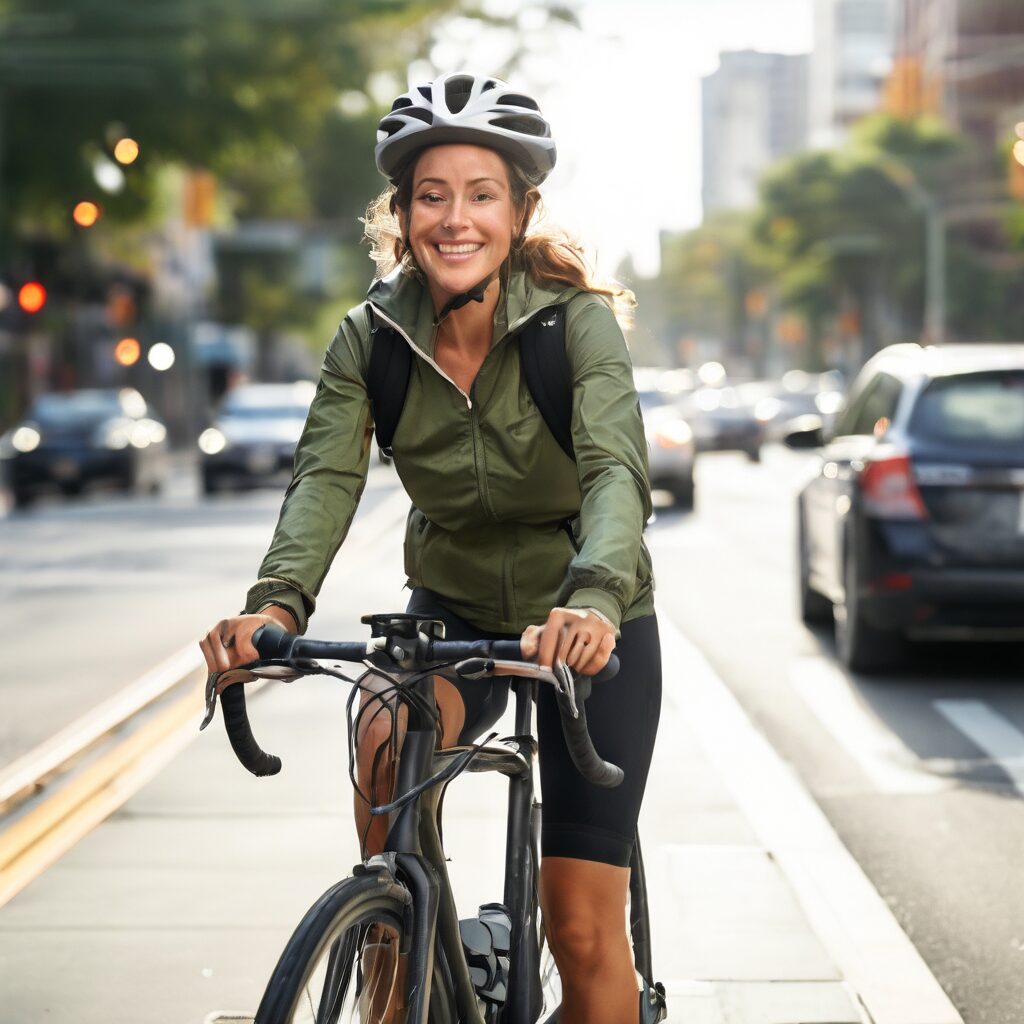
Why Choose Bike Commuting?
Bike commuting has surged in popularity in recent years. It’s an eco-friendly, cost-effective, and healthy way to get to work or run errands. For those looking to integrate physical activity into their daily routine, bike commuting offers a perfect solution. Not only do you save money on fuel and public transport, but you also contribute to reducing carbon emissions.
Essential Gear for Bike Commuting
Before you hit the road, ensuring you have the right gear is crucial for a safe and comfortable ride. Here’s a list of essentials:
- Helmet: Protects your head in case of accidents.
- Reflective Clothing: Increases your visibility to motorists, especially in low-light conditions.
- Bike Lock: Essential for securing your bike when you park it.
- Lights: Front and rear lights are a must for night rides.
- Bike Bag or Basket: Perfect for carrying your essentials without needing a backpack.
Planning Your Route
Choosing the right route can make a significant difference. Use bike-specific maps and apps to find the safest and most efficient paths. Look for routes with dedicated bike lanes to minimize interaction with vehicle traffic. Planning your route ahead of time can help you avoid busy roads and find scenic paths that make your commute more enjoyable.
Safety Tips for Bike Commuters
Safety should always be a top priority when bike commuting. Here are some essential tips:
- Obey Traffic Rules: Cyclists must follow the same traffic laws as motorists.
- Stay Alert: Always be aware of your surroundings and watch for obstacles.
- Use Hand Signals: Indicate your intentions to motorists and other cyclists.
- Avoid Distractions: Keep both hands on the handlebars and avoid using headphones.
- Regular Maintenance: Keep your bike in good condition with regular checks and servicing.
Health Benefits of Bike Commuting
Bike commuting is not only an environmentally friendly choice but also offers numerous health benefits. It’s a great cardiovascular workout that helps improve heart health, boosts mental well-being, and aids in weight management. Regular cycling can also strengthen muscles, improve joint mobility, and increase overall stamina.
Mastering the Art of Bike-to-Work Logistics
Transitioning from a casual cyclist to a daily commuter requires a shift in how you manage your arrival. Arriving at the office requires more than just pedaling; it requires a “transition strategy.” If your workplace lacks a shower, consider a “sponge bath” kit consisting of high-quality body wipes, travel-sized deodorant, and a change of clothes kept in a wrinkle-resistant garment bag. Many commuters find success by keeping a “commuter stash” at their desk: a spare pair of shoes, a blazer or cardigan for meetings, and a small grooming kit. If your commute is particularly hilly, consider a “cool-down” period; arrive ten minutes early to allow your body temperature to stabilize before heading to your desk, which helps prevent post-ride perspiration.
Choosing the Right Bike for Your Terrain
Not all bikes are created equal for the urban landscape. If your commute involves steep inclines or long distances, an e-bike can be a game-changer, allowing you to arrive at work without needing a shower. For those navigating pothole-ridden city streets, a gravel bike or a hybrid with wider, puncture-resistant tires offers superior stability and shock absorption compared to a thin-tired road bike. Consider the weight of the bike as well—if you have to carry your bike up stairs to reach your apartment or office, a lighter aluminum frame will save you significant frustration. For those with limited storage space, folding bikes offer a compact solution that can slide under a desk or fit in a closet, though they often require more frequent maintenance on the hinge mechanisms.
Navigating Inclement Weather and Seasonal Shifts
Cycling through winter or a rainy spring is entirely possible with the right technical layering. The secret is the “three-layer system”: a moisture-wicking base layer to manage sweat, an insulating mid-layer for warmth, and a waterproof, breathable outer shell. Avoid cotton at all costs, as it retains moisture and will leave you feeling chilled once you stop moving. For rainy days, full-coverage fenders are non-negotiable; they prevent the dreaded “skunk stripe” of muddy water up your back and protect your drivetrain from road grit. In the winter, consider “bar mitts” or pogies, which attach to your handlebars and keep your hands warm while allowing you to operate your shifters and brakes with thin, dexterous gloves.
Advanced Maintenance for the Daily Commuter
A daily commuter bike endures significantly more wear than a weekend cruiser. Establish a “Sunday Checkup” routine to keep your machine road-ready. This should include checking your tire pressure (under-inflated tires are the leading cause of “pinch flats”), inspecting your brake pads for wear, and wiping down your chain. A clean, lubricated chain not only shifts better but also lasts twice as long. Learn the “ABC” check: Air (pressure), Brakes (leverage), and Chain (cleanliness and tension). Keeping a basic flat-repair kit—including a spare tube, tire levers, and a mini-pump or CO2 inflator—in your bike bag is essential. Practice changing a tube at home once or twice so that you aren’t learning the process on the side of a busy road during a rainstorm.
Strategies for Urban Traffic and Defensive Riding
Interacting with motor vehicles is the most intimidating aspect for new commuters, but you can assert your space safely. Practice “taking the lane” when it is unsafe for a car to pass you, such as in narrow sections of road or near parked cars where “dooring” is a risk. Ride at least three feet from the line of parked cars to ensure you have a buffer zone. At intersections, avoid the “blind spot” of trucks and buses; never pull up alongside a heavy vehicle that is waiting to turn right. If you are ever unsure of your visibility, assume the driver does not see you. Making eye contact with drivers at four-way stops or intersections is the most effective way to confirm your right-of-way.
Optimizing Your Cargo and Load Management
Carrying a heavy backpack is a common mistake that leads to shoulder fatigue and a sweaty back. Instead, offload the weight onto the bike itself using a rear rack and panniers. Panniers lower your center of gravity, which improves handling and keeps your back dry. If you must use a backpack, look for models specifically designed for cycling that feature a suspended mesh back panel to encourage airflow. For smaller items like tools or keys, a frame bag or handlebar bag keeps weight centered and accessible without requiring you to stop and dig through a larger bag. Always distribute weight evenly between the left and right sides to prevent the bike from pulling to one side while you ride.
FAQ
1. Is bike commuting safe?
Yes, bike commuting is safe when you follow traffic rules, wear appropriate gear, and stay alert. Using dedicated bike lanes and planning your route can also enhance safety.
2. How do I start bike commuting?
Start by choosing the right bike, equipping yourself with essential gear, and planning a safe route. Practice your route on weekends to get comfortable before commuting on weekdays.
3. What should I wear for bike commuting?
Wear a helmet, reflective clothing, and comfortable attire suitable for the weather. Avoid loose clothing that can get caught in the bike.
4. Can I bike commute in bad weather?
Yes, but it requires extra precautions. Wear waterproof clothing, use fenders on your bike, and ensure your lights are functional. Be extra cautious as roads can be slippery.
5. How do I secure my bike?
Use a sturdy bike lock to secure both the frame and wheels to a fixed object. Consider using multiple locks for added security in high-risk areas.
Related posts:
 MYX Bike Review: A Comprehensive Look
 The At-Home Spinning Revolution Is Changing Everything
 IMAX Indoor Cycling Is the Immersive Fitness Trend Taking Over Gyms
 The Brutal Assault Bike Workout That Torches Calories in Minutes
 A Summer Cycling Day Trip From East Hampton to Montauk (With Map!)
 SoulCycle’s Home Bike That Brings Studio Energy to Your Living Room
 PHA Bodyweight Workout: Efficient Fitness Anywhere, Anytime
 Creating a Meaningful Commute When You Work From Home