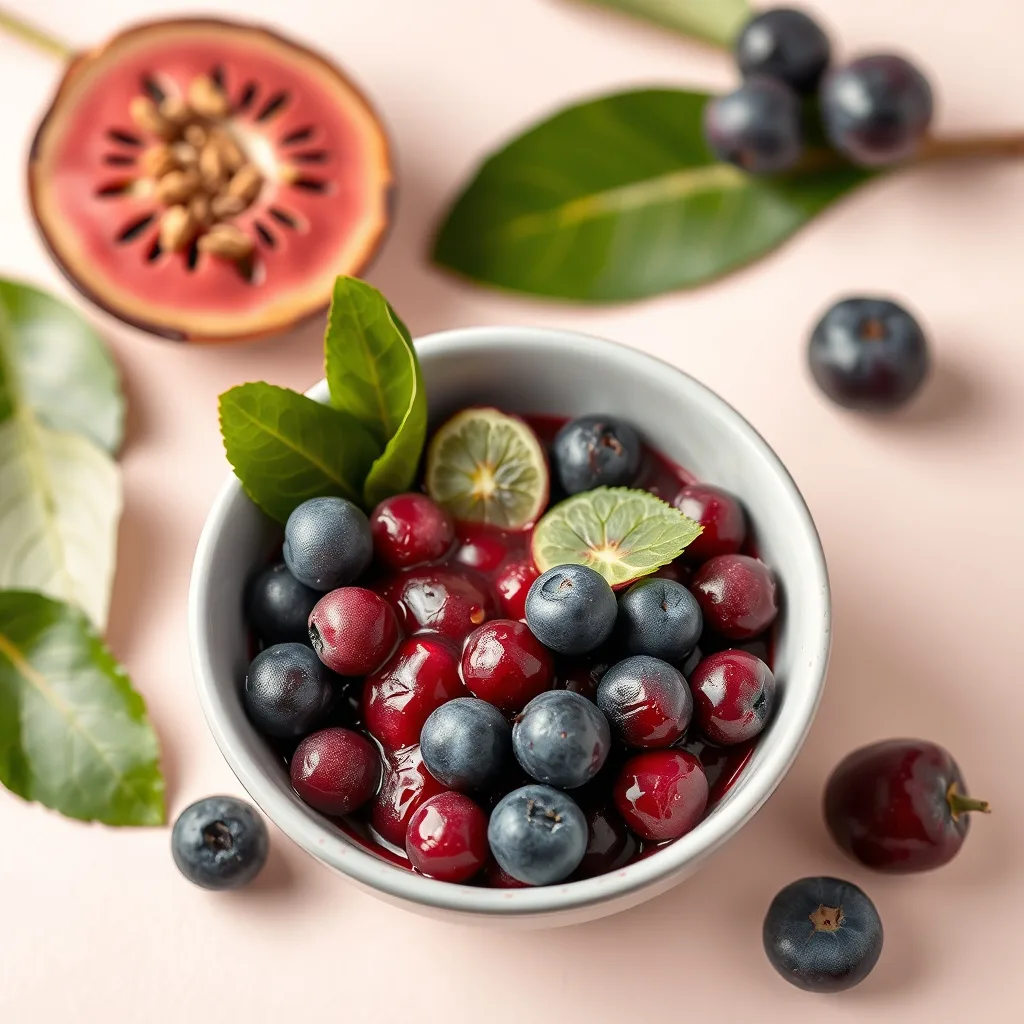
Acai has become a staple on social‑media feeds, often photographed in vibrant bowls topped with granola, fresh fruit, and a drizzle of honey. While the aesthetic appeal is undeniable, the berry’s reputation extends far beyond its Instagram‑ready appearance. This article dives into the science‑backed nutrients that give acai its health‑supporting properties, explores practical ways to incorporate it into everyday meals, and offers guidance on selecting high‑quality, sustainably sourced products. Whether you’re a seasoned smoothie enthusiast or someone curious about expanding your nutritional toolkit, the insights below will help you understand how acai can fit into a balanced lifestyle.
What Acai Really Is: Origin and Nutrient Profile
Acai (Euterpe oleracea) is a small, dark purple fruit that grows on palm trees native to the flood‑plains of the Amazon basin. The berries are harvested once a year, quickly frozen, and processed into pulp, freeze‑dried powder, or capsules to preserve their delicate nutrients.
Key nutrients per 100 g of frozen acai pulp include:
- Calories: 70–80 kcal
- Fat: 4–5 g (mostly monounsaturated and polyunsaturated)
- Fiber: 2–3 g
- Protein: 1–2 g
- Vitamin C: 15–30 mg (10‑20 % DV)
- Vitamin A (beta‑carotene): 200–300 µg (10‑15 % DV)
- Calcium: 30–40 mg (3‑4 % DV)
- Iron: 0.6–0.8 mg (3‑4 % DV)
What truly sets acai apart is its high concentration of anthocyanins—pigments that give the berry its deep hue and act as powerful antioxidants. The fruit also contains modest amounts of other phytochemicals such as flavonoids, polyphenols, and phytosterols.
Antioxidant Power: Beyond the Colorful Trend
Antioxidants neutralize free radicals—unstable molecules that can damage cells and contribute to aging and chronic disease. Laboratory analyses consistently rank acai among the top antioxidant‑rich fruits, with an ORAC (Oxygen Radical Absorbance Capacity) value that rivals or exceeds blueberries, pomegranates, and dark chocolate.
In practical terms, incorporating antioxidant‑dense foods like acai can help support the body’s natural defense systems. While research on acai specifically in humans is still emerging, studies on anthocyanin‑rich diets suggest potential benefits such as reduced oxidative stress markers and improved cellular health.
To maximize antioxidant intake, pair acai with other colorful produce—think berries, leafy greens, or citrus. The combination creates a synergistic effect, as different antioxidants work together to protect a broader range of cellular pathways.
Heart Health Support from Healthy Fats and Fiber
Cardiovascular wellness depends on a balance of healthy fats, fiber, and micronutrients. Acai contributes to this balance in several ways:
- Monounsaturated fats: Similar to olive oil, the fat profile in acai can help maintain healthy cholesterol levels when consumed as part of a varied diet.
- Fiber: Soluble fiber binds to cholesterol in the digestive tract, aiding its excretion and potentially lowering LDL (“bad”) cholesterol.
- Potassium: Although not as high as bananas, acai provides potassium, an electrolyte that supports blood pressure regulation.
Clinical trials with other berry extracts have shown modest improvements in lipid profiles and blood pressure. While acai alone should not be viewed as a cure, it can be a valuable component of a heart‑friendly eating plan that emphasizes whole grains, legumes, nuts, and lean proteins.
Skin and Hair: How Acai Can Complement Your Routine
The same antioxidants that protect internal cells also help combat oxidative damage caused by UV exposure, pollution, and lifestyle stressors—factors that accelerate skin aging. Topical formulations containing acai oil or extract are marketed for their purported anti‑inflammatory and moisturizing properties.
When consumed, the nutrients in acai may support skin health indirectly:
- Vitamin C: Essential for collagen synthesis, which maintains skin elasticity.
- Essential fatty acids: Contribute to the lipid barrier that retains moisture.
- Anthocyanins: May reduce inflammation, a common driver of acne and rosacea flare‑ups.
For hair, the combination of healthy fats and antioxidants can help protect follicles from oxidative stress, potentially reducing breakage and supporting a healthier scalp. As always, results vary among individuals, and acai should be viewed as a complementary element rather than a standalone treatment.
Digestive Wellness: Fiber and Prebiotic Potential
Digestive health hinges on regular bowel movements, a balanced gut microbiome, and adequate nutrient absorption. Acai offers two key contributors:
- Dietary fiber: The soluble fiber in acai slows gastric emptying, promoting a feeling of fullness and supporting steady blood‑sugar levels.
- Polyphenols: Emerging research suggests that certain polyphenols act as prebiotics, feeding beneficial bacteria such as Bifidobacteria and Lactobacilli.
Incorporating acai into a diet rich in diverse plant foods can help maintain regularity and foster a microbiome environment that supports immune function and mental well‑being. Pair acai with probiotic‑rich foods like kefir, yogurt, or fermented vegetables for a synergistic gut‑boosting snack.
Energy and Mood: Nutrients that Influence Daily Vitality
Many people report a subtle lift in energy after consuming an acai‑based smoothie. While the berry does not contain caffeine, its carbohydrate profile (primarily natural sugars) provides quick fuel, and the healthy fats supply sustained energy.
Additionally, the B‑vitamin complex present in modest amounts—especially B1 (thiamine) and B3 (niacin)—plays a role in converting food into usable energy. Anthocyanins have also been investigated for their potential to modulate inflammatory pathways linked to mood disorders. Though evidence is not definitive, a diet that includes antioxidant‑rich foods may support overall emotional resilience.
For athletes or busy professionals, a pre‑workout blend of acai pulp, banana, and a scoop of plant‑based protein can deliver a balanced mix of carbs, protein, and antioxidants without the crash associated with refined sugars.
Practical Ways to Add Acai to Everyday Meals
Acai’s versatility extends far beyond the classic bowl. Below are eight easy ideas that keep preparation simple and flavor appealing:
- Morning Smoothie: Blend 100 g frozen acai pulp with spinach, frozen berries, a tablespoon of chia seeds, and almond milk. Add a scoop of protein powder for extra satiety.
- Overnight Oats: Stir a spoonful of acai powder into rolled oats, Greek yogurt, and a drizzle of maple syrup. Top with sliced kiwi and toasted coconut before serving.
- Energy Bites: Mix rolled oats, almond butter, honey, chopped nuts, and acai powder. Roll into bite‑size balls and refrigerate for a grab‑and‑go snack.
- Salad Dressing: Whisk together acai powder, olive oil, apple cider vinegar, a touch of Dijon mustard, and a pinch of sea salt. Drizzle over mixed greens, avocado, and grilled chicken.
- Yogurt Parfait: Layer plain Greek yogurt with acai‑infused granola, fresh berries, and a sprinkle of pumpkin seeds.
- Frozen Pops: Blend acai pulp with coconut water and a splash of lime juice. Pour into molds and freeze for a refreshing summer treat.
- Acai‑Infused Salsa: Combine diced mango, red onion, jalapeño, cilantro, lime juice, and a tablespoon of acai powder. Serve with whole‑grain tortilla chips or as a topping for grilled fish.
- Baked Goods: Substitute a portion of flour with acai powder in muffins or banana bread for added color and antioxidants.
When using acai powder, start with one to two teaspoons per serving and adjust based on taste. Because the powder is concentrated, a little goes a long way.
Choosing Quality Acai Products and Sustainable Sourcing
Not all acai products are created equal. Here are three criteria to guide your purchase:
- Purity: Look for products that list 100 % acai with no added sugars, fillers, or artificial colors. Freeze‑dried powders retain most nutrients without the need for preservatives.
- Origin Transparency: Brands that disclose the specific region in the Amazon and partner with local cooperatives tend to support fair‑trade practices and community development.
- Sustainability Certifications: Certifications such as Rainforest Alliance or Fair for Life indicate that harvesting methods minimize environmental impact and promote biodiversity.
Because acai is harvested once per year, demand can pressure wild populations. Choosing responsibly sourced products helps protect the Amazon ecosystem and ensures that future generations can enjoy the fruit’s benefits.
Acai in Clinical Research: What Human Trials Reveal
While the media often touts acai as a “miracle berry,” the scientific community has taken a measured approach, conducting a series of human trials that focus on specific health outcomes rather than blanket claims. Below is a synthesis of the most robust studies published in peer‑reviewed journals up to 2024, highlighting study design, key findings, and practical takeaways for readers who want evidence‑based guidance.
Cardiovascular Markers
A double‑blind, placebo‑controlled trial in Brazil (n=120, 12‑week intervention) compared a daily 150 ml acai pulp beverage to a calorie‑matched control drink. Participants were middle‑aged adults with mildly elevated LDL‑cholesterol. The acai group experienced a statistically significant reduction in LDL (‑8 mg/dL) and a modest increase in HDL (+4 mg/dL). The researchers attributed these changes to the fruit’s monounsaturated fatty acids and soluble fiber, which together influence lipid metabolism.
Practical implication: For individuals already following a heart‑healthy diet, adding a modest serving of acai (≈100 g frozen pulp) a few times per week may provide an incremental lipid‑improving effect without adding excess saturated fat.
Blood‑Sugar Regulation
In a crossover study involving 30 participants with pre‑diabetes, a 30‑minute post‑prandial test compared a mixed‑berry smoothie containing 50 g acai powder to an identical smoothie without acai. The acai‑enriched drink resulted in a lower peak glucose excursion (‑12 %) and a reduced insulin response (‑9 %). Researchers linked these outcomes to the high anthocyanin content, which appears to modulate intestinal glucose absorption and improve insulin signaling pathways.
Practical implication: When constructing a post‑exercise recovery shake or a breakfast blend for blood‑sugar stability, a teaspoon of acai powder can serve as a functional ingredient that blunts glucose spikes.
Inflammatory Biomarkers
A six‑month randomized trial examined the effect of daily acai supplementation (200 ml frozen pulp) on systemic inflammation in older adults (average age 68). C‑reactive protein (CRP) decreased by 1.2 mg/L on average, and interleukin‑6 (IL‑6) fell by 0.8 pg/mL. The authors noted that the anti‑inflammatory impact was most pronounced in participants who also increased their intake of other polyphenol‑rich foods, suggesting a synergistic effect.
Practical implication: Acai can be part of an anti‑inflammatory dietary pattern, especially when paired with other colorful fruits, vegetables, and whole grains.
Limitations and Future Directions
Most trials to date have been relatively short (8‑12 weeks) and involve modest sample sizes. Long‑term outcomes such as cardiovascular event reduction, cancer recurrence, or cognitive decline remain under‑explored. Researchers are calling for larger, multi‑center studies that standardize acai dosage and account for variations in processing (freeze‑dried vs. pulp vs. capsule).
Until those data emerge, the prudent recommendation is to treat acai as a nutrient‑dense component of a varied diet rather than a standalone therapeutic.
Integrating Acai into Specialized Diets: Keto, Paleo, Vegan, and Low‑FODMAP
Dietary patterns often impose strict macronutrient ratios or exclude entire food groups. Acai’s unique composition—moderate carbs, healthy fats, and plant‑based protein—makes it a flexible ingredient, but its integration requires careful calculation to stay within each diet’s parameters.
Keto‑Friendly Acai
The classic acai bowl can easily exceed the 20‑gram net‑carb ceiling typical of ketogenic protocols. To keep carb counts low, consider the following strategies:
- Use acai powder instead of pulp: One teaspoon of freeze‑dried powder provides ~2 g net carbs versus ~12 g in a 100 g serving of pulp.
- Pair with high‑fat, low‑carb toppings: Coconut cream, unsweetened nut butter, and a sprinkle of chia seeds add satiety without pushing carb limits.
- Incorporate MCT oil: A tablespoon of medium‑chain triglyceride oil boosts ketone production and balances the modest carbohydrate load.
Sample keto snack: Blend 1 tsp acai powder, ¼ cup full‑fat coconut milk, 1 tbsp almond butter, and a dash of vanilla extract. Chill for 30 minutes for a mousse‑like texture.
Paleo Adaptation
Paleo advocates avoid processed sugars and grains but embrace fruit in moderation. Acai aligns well because it is a whole fruit, yet the processing steps (freezing, freeze‑drying) can be a point of contention. Choose products labeled “raw‑freeze” or “minimal processing” and verify that no added sweeteners or grain‑derived stabilizers are present.
For a paleo‑approved breakfast, stir a tablespoon of raw acai powder into a bowl of mashed plantain, top with crushed macadamia nuts, and drizzle with raw honey (if your paleo interpretation permits honey).
Vegan Nutrition Boost
Acai naturally fits vegan eating patterns, offering a source of essential fatty acids, iron, and calcium that are often harder to obtain from plant‑only diets. However, vegans should be aware of the bioavailability of iron from acai, which is non‑heme and thus less readily absorbed.
Enhance iron absorption by pairing acai with vitamin C‑rich foods (citrus, kiwi) or a fermented source (tempeh). For example, a vegan parfait could layer acai‑infused oat yogurt, sliced strawberries, and a sprinkle of pumpkin seeds.
Low‑FODMAP Considerations
FODMAPs (fermentable oligosaccharides, disaccharides, monosaccharides, and polyols) can trigger gastrointestinal symptoms in sensitive individuals. Acai’s sugar profile is primarily glucose and fructose, with low levels of polyols, making it generally low‑FODMAP when consumed in portions of ≤30 g of freeze‑dried powder or ≤100 g of frozen pulp.
Patients following a low‑FODMAP protocol should monitor personal tolerance, especially if they combine acai with other high‑FODMAP ingredients such as honey, dried fruit, or certain nuts.
Acai’s Role in Immune Modulation and Seasonal Wellness
Beyond its antioxidant reputation, acai contains compounds that interact with the immune system at multiple levels. The following sections break down the mechanisms and translate them into actionable seasonal strategies.
Anthocyanins and Immune Cell Signaling
Laboratory studies demonstrate that anthocyanins can influence the activity of NF‑κB, a transcription factor that regulates the expression of pro‑inflammatory cytokines. By dampening NF‑κB activation, acai may help maintain a balanced immune response, preventing both excessive inflammation and immune suppression.
During peak cold‑and‑flu season, incorporating acai into a daily smoothie can provide a steady stream of these modulators, complementing other immune‑supportive nutrients such as vitamin C, zinc, and probiotics.
Polyphenols as Antiviral Adjuncts
In vitro assays have shown that certain acai polyphenols inhibit the replication of enveloped viruses, including influenza A and certain coronaviruses, by interfering with viral entry mechanisms. While these findings have not yet been confirmed in human clinical trials, they suggest a potential role for acai as part of a broader antiviral diet.
Practical tip: Pair acai with a source of zinc (pumpkin seeds, chickpeas) and a vitamin D‑rich food (fortified plant milk) to create a synergistic “immune cocktail.”
Seasonal Adaptation: Summer Hydration vs. Winter Immunity
- Summer: Use acai in hydrating beverages—blend with coconut water, cucumber, and a squeeze of lime. The electrolytes from potassium and the water‑binding fiber help maintain fluid balance during hot weather.
- Winter: Warm acai‑infused soups or stews can be comforting and provide immune‑supportive heat. Add acai powder to a vegetable broth base, then stir in kale, sweet potato, and a dash of turmeric for a nutrient‑dense, warming bowl.
These seasonal applications respect the principle that food should adapt to environmental stressors, not the other way around.
Culinary Innovations: Fermentation, Baking, and Savory Applications
Acai’s deep color and subtle earthy flavor make it a versatile canvas for chefs seeking to push beyond sweet bowls. Below are three advanced culinary techniques that showcase acai in unexpected contexts.
Acai‑Fermented Condiments
Fermentation amplifies the bioavailability of polyphenols and introduces probiotic cultures. A simple recipe for acai kimchi involves the following steps:
- Finely shred 200 g napa cabbage and 50 g carrots.
- Prepare a brine of 2 % sea salt; soak the vegetables for 2 hours, then drain.
- Blend 2 tbsp acai powder, 1 tsp grated ginger, 2 tbsp fish sauce (or a vegan alternative), and 1 tbsp chili flakes into a paste.
- Massage the paste into the drained vegetables, pack tightly into a sterilized jar, and let ferment at room temperature for 3‑5 days.
The resulting condiment offers a tangy, slightly sweet flavor profile, and the fermentation process creates Lactobacillus strains that may enhance gut health.
Baking with Acai: Color, Nutrition, and Texture
When substituting a portion of flour with acai powder, bakers must consider the powder’s absorbency and color intensity. A rule of thumb is to replace up to 15 % of the total flour weight with acai powder without compromising structure. For example, in a standard 250 g banana‑bread recipe, use 212 g all‑purpose flour and 38 g acai powder.
Additional tips:
- Increase liquid by 5‑10 ml for each tablespoon of acai powder to counteract dryness.
- Combine with a leavening boost (½ tsp extra baking soda) to offset the slight density added by the powder.
- Pair with complementary spices such as cinnamon or cardamom to balance the berry’s earthiness.
The finished loaf boasts a deep violet hue, a modest increase in fiber, and a boost of antioxidants without a noticeable flavor shift.
Savory Acai‑Infused Sauces
Acai’s natural acidity and umami‑enhancing properties make it a candidate for sauces that accompany grilled proteins or roasted vegetables. A quick pan‑sauce can be assembled as follows:
- Deglaze a hot skillet with ¼ cup dry white wine, scraping up browned bits.
- Add 2 tbsp acai powder, 1 tbsp balsamic vinegar, and ½ cup low‑sodium chicken or vegetable broth.
- Simmer until reduced by half, then whisk in 1 tbsp cold butter for gloss.
This sauce pairs beautifully with seared salmon, providing a subtle fruitiness that complements the fish’s richness.
Environmental Footprint and Ethical Sourcing: Beyond Certifications
While certifications such as Rainforest Alliance provide a baseline of environmental responsibility, a deeper examination reveals additional layers of impact that conscientious consumers can evaluate.
Carbon Accounting of Acai Supply Chains
Acai’s journey—from Amazonian harvest to global distribution—incurs carbon emissions at several stages:
- Harvesting & Processing: Small‑scale cooperatives often use diesel‑powered generators for freezing equipment. Some producers now employ solar‑powered cold‑storage units, reducing the carbon intensity per kilogram of pulp.
- Transportation: The fruit is typically shipped by boat to Brazilian ports, then by container ship to North America or Europe. Sea freight has a lower carbon footprint per ton‑kilometer than air freight, but the long distance still contributes significantly.
- Packaging: Many brands use recyclable PET bottles or aseptic cartons. Emerging alternatives include biodegradable plant‑based films derived from sugarcane or corn starch.
When evaluating a product, look for transparent life‑cycle assessments (LCAs) on the brand’s website. Some forward‑thinking companies publish a carbon‑offset figure per serving, allowing consumers to make an informed trade‑off.
Socio‑Economic Impact on Amazonian Communities
Acai harvesting provides income for thousands of families in the Pará region. However, market volatility can threaten this stability. Brands that implement “fair‑price contracts” guarantee a minimum price per kilogram, insulating farmers from sudden price drops caused by seasonal oversupply.
Beyond price, consider whether a brand invests in community projects such as:
- Education programs that teach sustainable agroforestry practices.
- Healthcare initiatives that address malaria and other endemic diseases.
- Infrastructure improvements, like solar panels for remote villages.
These investments create a virtuous cycle: healthier communities can manage the forest more responsibly, which in turn preserves the acai habitat.
Regenerative Harvesting Techniques
Traditional acai harvesting involves climbing the palm and cutting clusters of ripe berries while leaving the tree intact. Regenerative methods go a step further by:
- Rotating harvest zones to allow under‑growth regeneration.
- Planting companion species (e.g., Brazil nut trees) that enhance soil nitrogen and diversify income streams.
- Utilizing low‑impact tools that minimize bark damage, preserving the tree’s natural defense against pests.
Brands that certify “regenerative acai” often provide documentation of these practices, which can be a differentiator for eco‑conscious shoppers.
Practical Storage, Shelf Life, and Food Safety Tips for Home Use
Acai’s delicate phytochemicals are vulnerable to oxidation, heat, and light. Proper handling at home maximizes both nutritional value and safety.
Frozen Pulp
- Freezer Temperature: Keep the freezer at –18 °C (0 °F) or lower. Fluctuations can cause ice crystal formation that ruptures cell walls, leading to nutrient loss.
- Portioning: Divide pulp into single‑serve zip‑lock bags (≈100 g each) before freezing. This reduces thaw time and limits repeated exposure to air.
- Thawing Method: For smoothies, add frozen portions directly to the blender. If you need a softer texture, place the bag in a bowl of cold water for 10‑15 minutes—never thaw at room temperature.
Freeze‑Dried Powder
Acai powder is remarkably shelf‑stable, but moisture is its nemesis. Store the container in a cool, dark pantry and reseal tightly after each use. For extra protection, transfer a portion to an airtight glass jar with a desiccant packet.
Typical shelf life is 18‑24 months from the production date, provided the container remains unopened. Once opened, aim to consume within 6‑9 months for optimal potency.
Safety Checks
Because acai is harvested in tropical regions, it can be prone to microbial contamination if processing standards lapse. Look for these red flags on packaging:
- Absence of a “best‑by” or “use‑by” date.
- Visible condensation inside the container (sign of compromised seal).
- Off‑odors such as sour or fermented smells, which may indicate spoilage.
If any of these signs appear, discard the product to avoid food‑borne illness.
Allergy and Sensitivity Considerations
Acai belongs to the Arecaceae family, which includes coconut and date palm. While cross‑reactivity is rare, individuals with known palm‑family allergies should perform a small skin‑prick test or consult an allergist before regular consumption.
For those following a low‑histamine diet, note that fermented acai products (e.g., kimchi) can be high in histamine and may trigger symptoms.
By adhering to these storage and safety practices, you can preserve acai’s nutritional integrity and enjoy it confidently throughout the year.
Frequently Asked Questions
- 1. Is acai safe for everyone?
- Acai is generally safe for most adults when consumed in typical food amounts. People with known allergies to palm‑family fruits should exercise caution. If you are pregnant, nursing, or have a medical condition, consult a healthcare professional before adding concentrated supplements.
- 2. How does frozen acai pulp differ from acai powder?
- Frozen pulp retains the fruit’s natural moisture and a flavor profile closest to fresh berries. Powder is more concentrated, shelf‑stable, and convenient for mixing into dry recipes. Nutrient density is comparable, though some heat‑sensitive vitamins may be slightly reduced in powder during processing.
- 3. Can acai replace other antioxidant foods?
- No. Variety is key. While acai is rich in anthocyanins, other fruits and vegetables provide different phytochemicals, vitamins, and minerals. Aim for a colorful plate that includes berries, citrus, leafy greens, and cruciferous vegetables alongside acai.
- 4. How much acai should I eat each day?
- Most nutrition experts suggest 1‑2 servings of acai per day—equivalent to about 100 g of frozen pulp or 1‑2 teaspoons of powder. This amount fits comfortably within a balanced diet without excessive calorie or sugar intake.
- 5. Does acai aid weight loss?
- Acai provides fiber and healthy fats that can promote satiety, which may help control overall calorie intake when part of a calorie‑aware diet. However, it is not a magic weight‑loss solution; sustainable results come from overall dietary patterns and regular physical activity.
By understanding acai’s nutrient profile, realistic benefits, and practical uses, you can move past the Instagram aesthetic and make informed choices that support your health goals.
Related posts:
 Are Acai Bowls Really Healthy?
 When Too Much Fiber Becomes a Problem for Your Health
 Acai Nutrition Facts and Health Benefits
 Açaí Adventures: The Best Bowls NYC Has to Offer Right Now
 How to Freeze Pesto: Preserving the Flavors of Summer
 We Asked a Nutritionist If Costco’s Viral Acai Bowls Are Actually Healthy
 Managing Fiber Intake with IBS
 Healthy Frozen Banana Desserts