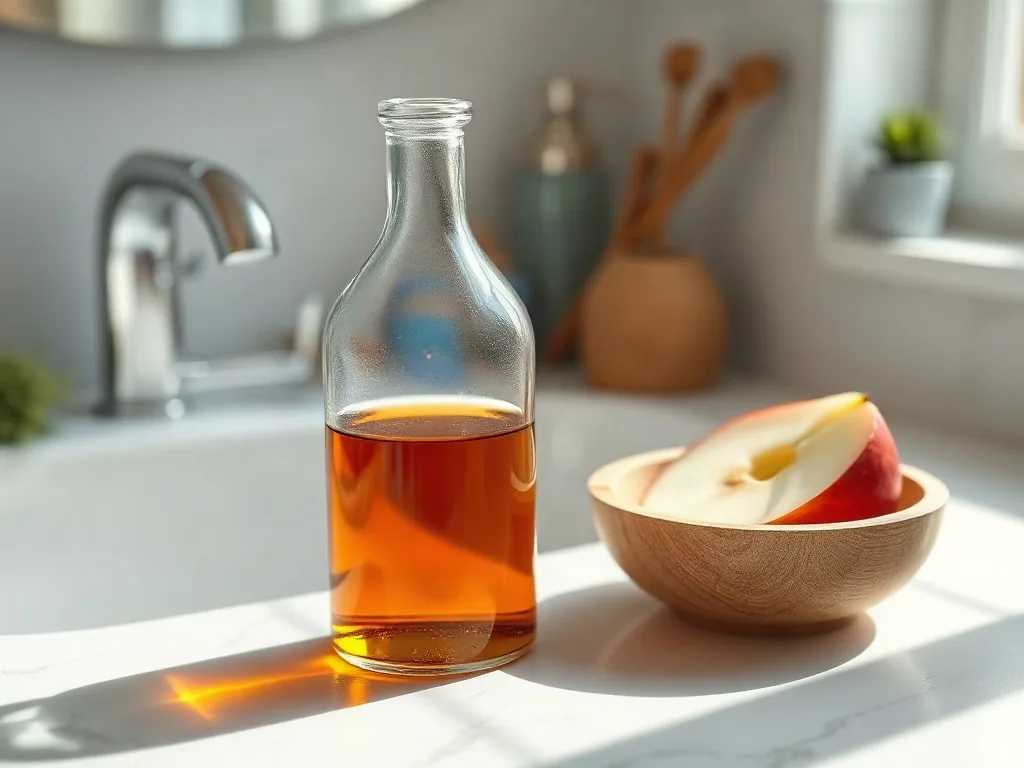
Apple cider vinegar (ACV) has transitioned from a humble pantry staple to a widely discussed natural remedy in the skincare community. As individuals seek alternatives to synthetic chemicals and harsh acne treatments, the acidic profile of fermented apple juice has gained significant traction. However, navigating the intersection of traditional folk wisdom and dermatological science is essential for anyone considering adding this ingredient to their routine.
Key takeaways
- Never apply undiluted vinegar to skin; use a ratio of at least one part ACV to three parts distilled water.
- Always conduct a 24-hour patch test before full-face application to check for adverse reactions or sensitivity.
- Use raw, organic ACV containing the mother and follow up with a non-comedogenic moisturizer to protect the skin barrier.
- Apply daily broad-spectrum SPF 30 or higher, as vinegar increases skin sensitivity to ultraviolet light and sun damage.
- Consult a dermatologist if acne persists after eight weeks or if you experience signs of infection, scarring, or pain.
Understanding the Chemistry of Apple Cider Vinegar
At its core, apple cider vinegar is the product of a two-step fermentation process. First, yeast converts the sugars in apples into alcohol. Second, bacteria—specifically Acetobacter—convert that alcohol into acetic acid. It is this acetic acid, typically comprising 5% to 6% of the liquid, that gives ACV its pungent aroma and, more importantly, its potent antimicrobial properties. Beyond acetic acid, raw, unfiltered ACV contains trace amounts of enzymes, amino acids, and beneficial bacteria, often referred to as the “mother.” In the context of acne, the goal is to leverage these properties to balance the skin’s pH, which is naturally slightly acidic, typically resting between 4.5 and 5.5. When this acid mantle is disrupted, skin becomes more susceptible to bacterial overgrowth and inflammation.
The Mechanism: How ACV Interacts with Acne-Prone Skin
Acne is a multifactorial condition involving sebum production, follicular hyperkeratinization, and the proliferation of Cutibacterium acnes (formerly Propionibacterium acnes). ACV acts as a mild exfoliant due to the presence of alpha-hydroxy acids (AHAs) like malic acid. These acids help to loosen the bonds between dead skin cells, encouraging turnover and preventing the clogged pores that lead to comedones. Furthermore, the antimicrobial nature of the acetic acid may help reduce the bacterial load on the skin surface. By lowering the skin’s pH, ACV creates an environment that is less hospitable to acne-causing bacteria, potentially reducing the frequency of breakouts for some users.
Essential Safety Protocols: Why Dilution is Non-Negotiable
The most common mistake when using ACV for skin is applying it full-strength. The acetic acid in vinegar is caustic; in its concentrated form, it can cause severe chemical burns, irritation, and redness. Dermatologists consistently emphasize that ACV should never be applied directly to the skin without proper dilution. A standard starting ratio is one part ACV to three or four parts distilled water. If you have sensitive skin, a more conservative ratio of one part ACV to ten parts water is safer. Always perform a patch test on the inner forearm or behind the ear, waiting at least 24 hours to monitor for any adverse reactions, such as stinging, burning, or hives, before applying it to your face.
Integrating ACV into Your Skincare Routine
If you decide to incorporate ACV as a toner, consistency and technique are key. After cleansing your face with a gentle, non-stripping cleanser, use a clean cotton pad or a reusable bamboo cloth to gently swipe the diluted ACV solution across your skin. Avoid the delicate eye area and any open lesions or popped pimples, as the stinging sensation will be intense. Allow the solution to air dry before applying your moisturizer. Because ACV can be drying, it is crucial to follow up with a non-comedogenic moisturizer to maintain the skin barrier. Using it once a day, preferably in the evening, is usually sufficient; using it too frequently can strip the skin of its natural oils, leading to compensatory sebum production, which may actually worsen acne.
Recognizing the Limitations and Risks
While ACV has anecdotal success, it is not a cure-all. It is important to distinguish between mild, occasional breakouts and moderate to severe inflammatory acne or cystic acne. If your acne is deep, painful, or scarring, relying solely on natural remedies can lead to permanent skin damage. Furthermore, ACV does not address the hormonal fluctuations, dietary triggers, or genetic predispositions that often drive acne. Users should also be aware that vinegar increases skin sensitivity to ultraviolet light. If you use ACV as part of your routine, rigorous daily application of broad-spectrum SPF 30 or higher is non-negotiable to prevent sun damage and hyperpigmentation.
The Role of Holistic Lifestyle Factors
Treating acne from the outside in is only half the battle. Skincare, including the use of ACV, works best when paired with holistic lifestyle adjustments. Inflammation is often systemic. Maintaining a balanced diet rich in antioxidants, managing stress levels through mindfulness or exercise, and ensuring adequate sleep can significantly impact skin health. For some, reducing high-glycemic foods and dairy can lead to visible improvements in acne severity. While ACV can be a helpful, cost-effective tool, it should be viewed as a supportive measure within a broader strategy of health and wellness rather than a standalone solution.
When to Seek Professional Dermatological Care
Self-treating acne with DIY methods has a threshold. If you have tried consistent skincare, including diluted ACV, for six to eight weeks without improvement, it is time to consult a board-certified dermatologist. Professional guidance is necessary if you notice signs of infection, such as increasing redness, warmth, or pus, or if your acne is causing emotional distress or significant scarring. A dermatologist can provide evidence-based treatments such as topical retinoids, benzoyl peroxide, or oral medications that are clinically proven to treat acne at the source, potentially saving you from long-term dermatological complications.
Choosing the Right Product
Not all vinegars are created equal. When purchasing ACV for skin use, look for raw, unfiltered, and organic varieties that contain the “mother.” Clear, distilled vinegars are often processed with heat, which strips away the beneficial enzymes and organic compounds that may provide the mild exfoliating benefits you are seeking. Ensure the product is stored in a cool, dark place to maintain its integrity. While the smell can be pungent, it typically dissipates quickly after the product dries on the skin. If the scent is a major deterrent, consider that you are looking for a functional ingredient rather than a luxury skincare experience.
Optimizing pH Balance for Microbiome Resilience
The skin’s acid mantle is a complex biochemical barrier that functions as the first line of defense against pathogenic colonization. While ACV is often praised for its ability to lower surface pH, it is vital to understand that the goal is not to achieve extreme acidity but to restore a physiological state that fosters beneficial flora. When the skin’s pH rises above 5.5—often due to the use of high-pH alkaline bar soaps or harsh foaming cleansers—the integrity of the stratum corneum weakens. By using a properly buffered, diluted ACV solution, you are essentially mimicking the skin’s natural acidic environment. This stability is crucial for the enzyme activity responsible for desquamation, or natural cell shedding. When the skin is too alkaline, these enzymes function suboptimally, leading to the accumulation of dead cells that trap sebum and bacteria, creating the perfect conditions for a breakout. Think of ACV not as a cleanser, but as a pH-balancing rinse that resets the stage for your subsequent hydrating steps.
The Role of Malic Acid in Keratinization
Beyond the headline-grabbing acetic acid, ACV is a rich source of malic acid, a dicarboxylic acid that belongs to the alpha-hydroxy acid (AHA) family. Unlike more aggressive AHAs such as glycolic acid, which has a smaller molecular size and penetrates deeply, malic acid has a larger molecular weight. This makes it a gentler, more surface-oriented exfoliant. In the context of acne, this is highly beneficial for individuals suffering from follicular hyperkeratinization—the process where skin cells do not shed properly and instead clog the hair follicle. By incorporating a gentle malic acid treatment, you are encouraging the dissolution of the ‘glue’ holding these cells together. This reduction in follicular plugging is essential for preventing the formation of both open comedones (blackheads) and closed comedones (whiteheads). Regular, gentle use can lead to a smoother skin texture, though it requires a patient, long-term approach rather than immediate results.
Synergistic Botanical Infusions and Dilution Agents
To mitigate the harshness of ACV and enhance its therapeutic profile, many practitioners move beyond simple distilled water for dilution. Using floral waters or hydrosols can provide additional skin-soothing benefits. For instance, diluting your ACV with witch hazel (alcohol-free) or rosewater can provide an anti-inflammatory boost that counters the stinging potential of the vinegar. Witch hazel contains tannins, which act as natural astringents, complementing the acid-based action of the vinegar. Alternatively, brewing a strong chamomile or green tea and allowing it to cool before mixing it with your ACV introduces polyphenols and flavonoids to the mixture. These compounds are potent antioxidants that help neutralize free radicals generated by inflammation. Always keep these custom mixtures in the refrigerator to extend their shelf life and provide a cooling, soothing sensation upon application, which can help calm the redness associated with active acne lesions.
Navigating the ‘Purging’ vs. ‘Irritation’ Threshold
A common point of confusion for those starting an ACV regimen is distinguishing between a ‘purge’ and a negative reaction. A true skin purge occurs when an active ingredient accelerates cell turnover, bringing underlying congestion to the surface faster than usual. If your ACV toner is causing an increase in small whiteheads in areas where you typically break out, this might be a temporary adjustment phase. However, if you notice widespread redness, a sensation of ‘tight’ or ‘shiny’ skin, stinging that persists for more than a few minutes, or the development of dry, flaky patches, you have crossed the line into barrier impairment. ACV is not designed to be a high-intensity chemical peel. If you experience irritation, immediately cease use for at least 72 hours and focus exclusively on barrier-repairing ingredients like ceramides, panthenol, and squalane. If you decide to resume, use a significantly higher dilution ratio and apply the product only to the affected spot rather than the entire face.
The Impact of Water Quality on ACV Efficacy
The water you use to dilute your apple cider vinegar is just as important as the vinegar itself. Hard water, which is rich in minerals like calcium and magnesium, can react with the acids in ACV, potentially creating soap-like precipitates on the skin that can clog pores or leave a filmy residue. Furthermore, chlorine present in tap water can be irritating to inflamed, acne-prone skin. It is highly recommended to use distilled, deionized, or reverse-osmosis filtered water for your dilutions. This ensures that you are applying a clean, stable solution that doesn’t inadvertently introduce minerals that could counteract the benefits of the acetic acid. If you live in an area with particularly hard water, using a filtered water source for your entire facial cleansing process—not just for your ACV toner—can often yield significant improvements in skin clarity and comfort.
Strategic Application: Targeted Spot Treatment vs. Full-Face Toning
While some users prefer a full-face swipe to balance the entire complexion, those with very reactive or combination skin may find better results using ACV as a targeted spot treatment. Because acne is often localized, you can use a cotton swab to apply a slightly more concentrated (but still diluted) mixture directly onto a singular, non-broken-out blemish. This allows you to harness the antimicrobial properties of the vinegar without subjecting the healthy, non-acneic skin on your cheeks or forehead to unnecessary acidity. This method also minimizes the risk of systemic irritation and allows you to better monitor how specific lesions respond to the treatment. If you opt for full-face application, focus on the ‘T-zone’ where oil production is highest, and use a lighter touch around the perimeter of the face and the jawline, where the skin is often thinner and more prone to dryness.
Frequently Asked Questions
1. Can I leave ACV on my skin overnight? It is generally not recommended to leave diluted ACV on your skin overnight. Because it is an acid, prolonged exposure can disrupt the skin barrier, leading to dryness and irritation. It is best to use it as a toner, let it dry, and then follow up with a nourishing moisturizer or serum.
2. Does ACV help with acne scars? ACV may help with mild post-inflammatory hyperpigmentation due to its gentle exfoliating properties, which can brighten the complexion over time. However, it will not repair deep, pitted, or “ice pick” acne scars, which require professional procedures like microneedling or laser therapy.
3. Is it safe to use ACV if I have eczema or rosacea? No. If you have inflammatory skin conditions like eczema, rosacea, or psoriasis, your skin barrier is already compromised. The acetic acid in ACV will likely cause significant irritation, exacerbate redness, and trigger a flare-up. It is best to stick to fragrance-free, dermatologist-recommended products for sensitive skin.
4. Will ACV cure hormonal acne? ACV cannot cure hormonal acne. Hormonal acne is driven by internal fluctuations in androgen levels, which influence sebum production deep within the pore. While ACV might help manage the surface symptoms of a breakout, it does not address the root hormonal cause.
5. Can I mix ACV with other active ingredients? You should be cautious when mixing ACV with other actives. Avoid using it simultaneously with retinoids, vitamin C, or other chemical exfoliants like salicylic or glycolic acid. Combining too many acids can lead to chemical burns and a severely damaged moisture barrier. Always space out your treatments or use them at different times of the day.
Related posts:
 Beauty Products with Apple Cider Vinegar
 The Pantry Staple That’s Secretly a Hair Miracle
 The Best Toners for Acne-Prone Skin That Won’t Strip Your Face
 Why SCOBY Might Be the Secret Ingredient Your Skincare Routine Needs
 Foundation’s Impact on Skin
 Apple Cider Vinegar Cocktails
 Apple Cider Vinegar Morning Benefits
 Keep Bugs Out of Your House Using This Kitchen Staple