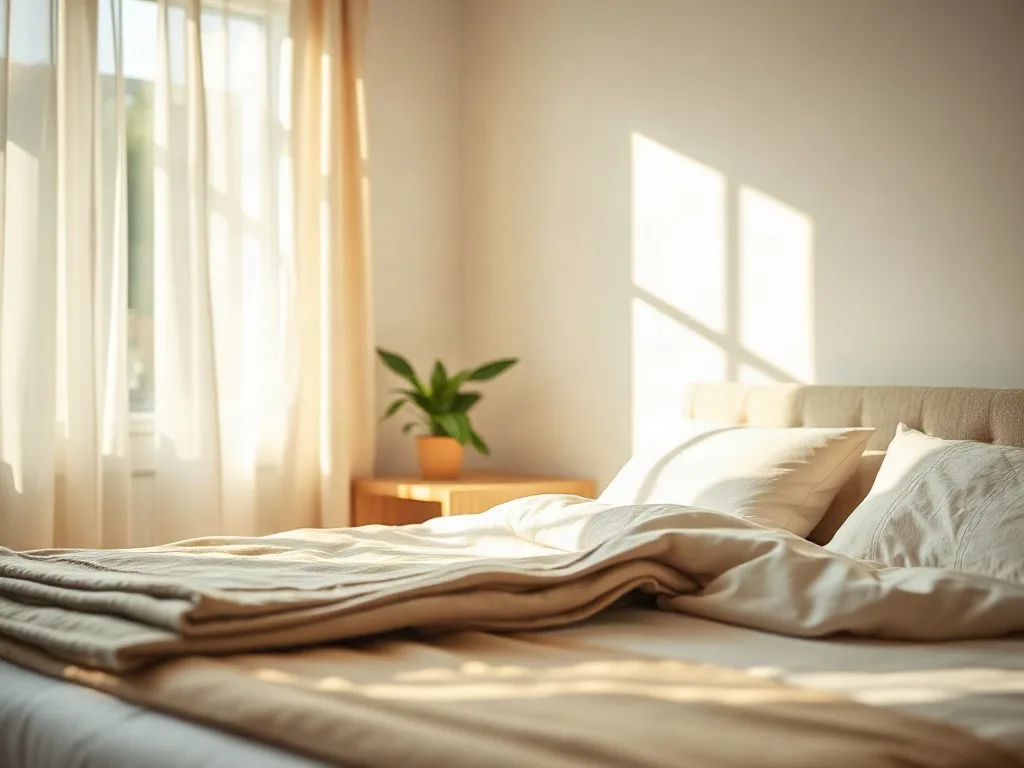
Your bedroom should be your sanctuary—a place where you can disconnect from the stresses of daily life and recharge. However, many people believe that transforming a bedroom requires a significant financial investment. The truth is that creating a beautiful, restful, and functional space is entirely possible on a modest budget. By focusing on intentional design choices, DIY projects, and clever shopping strategies, you can refresh your bedroom without breaking the bank.
Key takeaways
- Use light paint colors to brighten small spaces or deep, moody shades to create a cozy, intimate atmosphere.
- Layer bedding with varied textures and mix pillow sizes to achieve a sophisticated, high-end look on a budget.
- Replace clinical overhead lighting with warm-toned lamps and DIY fixtures to create a relaxing, ambient environment.
- Declutter surfaces and utilize under-bed storage to keep the room organized and maximize available floor space.
- Thrift or repurpose old furniture with new paint and hardware to modernize pieces without high costs.
The Power of a Fresh Coat of Paint
Paint is the most high-impact, low-cost tool in an interior designer’s arsenal. A single gallon of paint can completely alter the mood of a room. If your bedroom feels cramped, light and airy colors like soft whites, pale grays, or muted blues can make the space feel larger and more serene. Conversely, if you want a cozy, intimate vibe, consider painting an accent wall in a deep navy, forest green, or charcoal gray. When choosing a color, consider the natural light your room receives throughout the day. Always test a small patch on the wall and observe it in both morning and evening light before committing to a full gallon. Don’t forget to paint the trim or baseboards if they look scuffed; a crisp, clean border makes the entire room feel brand new.
Curating Textiles for a Luxurious Feel
You don’t need expensive furniture to make a bedroom look sophisticated; you simply need the right layers. Your bed is the focal point of the room, so prioritize your bedding. You can achieve a high-end look by mixing textures. Start with a neutral base—a white or cream duvet cover is affordable and versatile. From there, add depth with a textured throw blanket at the foot of the bed and a mix of pillow sizes. Consider using linen or cotton covers for a breathable, lived-in aesthetic. If your current headboard is dated, you can easily reupholster it with a staple gun and a yard or two of fabric from a discount textile store. This small project can transform a generic bed frame into a custom-designed piece.
Optimizing Lighting for Mood and Function
Overhead lighting is often harsh and clinical, which is the opposite of what you want in a bedroom. To create a relaxing atmosphere, you need layered lighting. Start by replacing standard builder-grade light fixtures with something more personal, such as a thrifted pendant light or a modern flush mount. If you can’t change the wiring, focus on lamps. A pair of matching bedside lamps creates symmetry, which is pleasing to the eye and essential for a balanced room. Use warm-toned bulbs to soften the light. For a touch of ambiance, add a small strand of fairy lights behind a headboard or invest in a salt lamp. These additions are inexpensive but significantly change how the room feels after the sun goes down.
Decluttering and Strategic Storage
A cluttered bedroom is a cluttered mind. Before you spend a dime on decor, spend a weekend decluttering. Remove anything that doesn’t serve a purpose or bring you joy. Once you have cleared the surfaces, look for ways to maximize storage without adding bulky furniture. Use the space under your bed for long-term storage of out-of-season clothing or extra linens using flat bins. If you have an open closet, consider installing a simple shelf or adding a tension rod to double your hanging space. By keeping surfaces like your nightstand and dresser clear, you create an immediate sense of calm and order that makes a room feel more expensive and intentional.
Repurposing and Thrifting Furniture
Buying new bedroom furniture is often the most expensive part of a makeover. Instead, look to the secondhand market. Online marketplaces, garage sales, and thrift stores are gold mines for solid wood dressers, nightstands, and mirrors. Even if a piece is scratched or outdated, a little bit of sanding and a fresh coat of paint or new hardware can make it look like a high-end boutique find. When shopping, look for quality construction—dovetail joints and solid wood frames are indicators of a piece that will last for years. Swapping out standard hardware for brushed gold or matte black pulls is a simple, five-minute task that modernizes any piece of furniture instantly.
Bringing the Outdoors In
Plants are an affordable way to add life, color, and texture to a bedroom. Beyond their aesthetic appeal, many houseplants can help improve air quality, which is a bonus for a sleep space. If you don’t have a green thumb, start with low-maintenance varieties like snake plants, pothos, or zz plants, which thrive in low light and require infrequent watering. Place them in baskets or ceramic pots that coordinate with your room’s color palette. If you prefer not to deal with live plants, dried florals or eucalyptus branches in a vase provide a beautiful, long-lasting sculptural element that adds height and interest to a nightstand or dresser.
The Art of Wall Decor
Bare walls can make a room feel unfinished, but artwork is often overpriced. You don’t need original oil paintings to have a beautiful gallery wall. Frame inexpensive prints, postcards from your travels, or even pages from a high-quality art book. You can also create your own abstract art by buying a large canvas and using leftover paint from your wall project to create simple, modern shapes. Another budget-friendly option is a large mirror. A mirror reflects light, making the room feel brighter and more spacious. Scour local thrift shops for ornate vintage mirrors that you can spray paint to match your room’s aesthetic for a fraction of the cost of a new piece.
Personalizing Your Space with Accessories
The final touch is incorporating items that reflect your personality. This is where your bedroom truly becomes *yours*. Display a few favorite books, a scented candle, or a meaningful photo in a frame you already own. The goal is not to fill every surface, but to choose a few items that bring you comfort. Use a decorative tray on your dresser to corral small items like jewelry or a watch; this keeps the area organized while adding a touch of elegance. Remember that less is often more. By being selective with your accessories, you ensure that each item has space to breathe, contributing to the overall restful environment of the room.
Window Treatments for Privacy and Scale
Many homeowners overlook the transformative potential of window treatments, often settling for standard-issue blinds that do little to enhance the room’s character. To elevate your bedroom without a custom drapery budget, focus on the placement of your curtain rod. A common mistake is mounting the rod directly above the window frame; instead, install it as close to the ceiling as possible and extend it several inches beyond the width of the window frame on both sides. This creates the illusion of floor-to-ceiling windows, making the room feel taller and more luxurious. Opt for ready-made curtains in heavier fabrics like velvet or linen-blend, which provide a high-end drape. If light filtration is a concern, purchase inexpensive blackout lining fabric and use iron-on hem tape to adhere it to the back of your curtains. This DIY “hack” grants you hotel-quality light control while maintaining a custom, tailored appearance.
The Psychology of Scent and Sensory Design
A bedroom makeover isn’t just about what you see; it is about how the space makes you feel. Sensory design is a powerful, low-cost way to make a room feel like a sanctuary. Incorporating a signature scent through essential oil diffusers, linen sprays, or high-quality soy candles can trigger a relaxation response the moment you enter the room. Consider the tactile experience of your surfaces as well. If your floors are cold or unappealing, a large area rug—even one placed partially under the bed—can soften the acoustics and provide a warm landing for your feet each morning. Look for remnants at carpet stores or oversized rugs at discount retailers; by choosing a rug that spans the width of your bed and nightstands, you anchor the furniture and create a unified, design-forward foundation for the rest of your decor.
Refining Your Nightstand Workflow
The nightstand is the most utilized surface in the bedroom, yet it often becomes a catch-all for clutter. To achieve a “boutique hotel” aesthetic, audit your nightstand with a focus on editing. If your current nightstand is purely functional, consider replacing it with a non-traditional piece, such as a small wooden stool, a stack of vintage suitcases, or a floating shelf. This immediately breaks the monotony of matching bedroom sets. Enhance the surface with a “trinket tray” to house your nightly essentials, which keeps the area visually tidy. Furthermore, consider installing a wall-mounted charging station or a decorative cable-management box to hide the unsightly tangle of cords. By eliminating visual noise around your bed, you create a cleaner, more restful environment that feels intentionally curated rather than haphazardly arranged.
Creating Architectural Interest with Millwork Hacks
You can add significant character to a plain, “builder-grade” bedroom by introducing simple architectural elements. If your room lacks personality, consider installing a DIY board-and-batten wall or simple picture frame molding. These projects require only basic materials—thin strips of MDF or wood, a level, a miter saw (or a hand saw), and construction adhesive. By painting the molding the same color as the wall, you achieve a sophisticated, monochromatic look that adds depth and texture to an otherwise flat surface. For an even simpler approach, use peel-and-stick wallpaper on a single wall to mimic the look of expensive grasscloth or geometric patterns. These modern adhesive products are rental-friendly and allow you to experiment with bold designs that would be costly or permanent if applied with traditional wallpaper paste.
Mastering the “Third Layer” of Decor
When designers talk about a “finished” room, they are often referring to the addition of a third layer of decor—the items that add personality and narrative. After your furniture, paint, and textiles are set, introduce objects that bridge the gap between function and art. This might include a sculptural bowl for your jewelry, a stack of books organized by color, or a small vase with a single, dramatic stem. The trick here is to avoid “clutter creep.” Use the rule of threes: arrange decorative objects in groups of three, varying the heights and textures to create visual interest. For instance, pair a tall candle, a medium-sized ceramic vase, and a small, flat box. This grouping feels deliberate and avoids the “dust collector” look that often happens when too many small, unrelated items are scattered around a room.
Seasonal Rotation Strategies
One of the most effective ways to keep your bedroom feeling fresh without spending money is to implement a seasonal rotation strategy. Treat your bedroom like a boutique shop window: rotate your decor every few months to align with the changing light and temperatures. In the winter, bring out the heavy, chunky-knit throws and darker-toned pillow covers. In the spring and summer, swap these for lighter, airy cottons and softer color palettes. By storing these items in under-bed bins, you effectively “redecorate” your room four times a year without buying a single new item. This practice also forces you to clean out your space regularly, ensuring that you don’t accumulate excess items that don’t contribute to the current atmosphere you wish to foster.
Frequently Asked Questions
1. How can I make a small bedroom feel larger without tearing down walls?
The best way to make a room feel larger is to use a light color palette, incorporate mirrors to reflect light, and keep floor space clear. Floating shelves or wall-mounted sconces can also free up surface area on nightstands, making the room feel less crowded.
2. What is the most cost-effective way to update old bedroom furniture?
A fresh coat of paint and new hardware are the most effective ways to update old furniture. Sanding down a piece and applying a modern color, like matte black or sage green, paired with updated drawer pulls, can completely change the look of a piece of furniture for under $30.
3. How do I choose a color scheme for my bedroom?
Start by identifying the mood you want to create. For a calming space, stick to neutrals and cool tones like blues and greens. If you want a more energetic or cozy vibe, opt for warmer tones or earth colors. Use the 60-30-10 rule: 60% of the room should be a dominant color, 30% a secondary color, and 10% an accent color.
4. Are there any DIY bedding hacks to make a bed look more expensive?
Yes. Layering is key. Use a bed skirt to hide under-bed storage, add a structured duvet cover, and layer a textured throw blanket at the end. Mixing pillow sizes—two standard pillows, two decorative shams, and one lumbar pillow—creates a professional, layered look.
5. How can I improve my bedroom lighting on a tight budget?
Focus on task and ambient lighting. Replace harsh overhead bulbs with warmer, lower-wattage LEDs. Add a pair of thrifted table lamps with interesting shades. If you cannot do electrical work, look for cordless battery-operated wall sconces or plug-in pendants that don’t require professional installation.
Related posts:
 Open Concept Done Right: Design Tips for Spacious Living
 Memorial Day Patio Furniture Deals
 Pillow Talk: Reese Witherspoon’s Decorating Wisdom for Every Home
 Art of Wall Hangings: Maryanne Moodie’s Instagram Guide
 Pattern Play: The Art of Mixing Colors and Textures at Home
 Turkey Day Slumber: Bedroom Inspiration for the Ultimate Food Coma
 Iris Apfel’s Jungle Decor Collection
 Transform Your Living Room Into a Stretch Studio With These Wall Moves