Introduction to Air Fryers
With the rise in popularity of healthier eating habits, air fryers have become a kitchen essential. They offer a convenient way to enjoy your favorite fried foods with less oil and fewer calories. This guide will help you navigate the world of air fryers, ensuring you make an informed purchase.
Benefits of Using an Air Fryer
Air fryers are not just a fad; they come with several advantages that make them worth considering:
- Healthier Meals: Air fryers use significantly less oil compared to traditional frying methods.
- Time-Saving: They cook food faster than conventional ovens.
- Versatility: Apart from frying, they can bake, grill, and roast.
- Easy to Clean: Most air fryers come with dishwasher-safe components.
- Energy Efficient: They consume less energy than traditional ovens.
Key Features to Look for in an Air Fryer
When shopping for an air fryer, consider these essential features:
- Capacity: Choose a size that fits your cooking needs, whether you’re cooking for one or a family.
- Power: Higher wattage means faster cooking times.
- Temperature Range: A broader temperature range offers more cooking options.
- Preset Programs: Look for models with preset cooking programs for ease of use.
- Ease of Cleaning: Opt for air fryers with removable, dishwasher-safe parts.
- Safety Features: Ensure the model has features like auto shut-off and cool-touch handles.
Top Air Fryer Brands
Here are some of the top brands known for their quality air fryers:
- Philips: Known for innovation and high-quality build.
- Ninja: Offers versatile and durable kitchen appliances.
- Cosori: Popular for its user-friendly design and functionality.
- Instant Pot: Combines multiple cooking functions in one device.
- GoWISE USA: Provides a range of affordable options.
Price Range and Budget Considerations
Air fryers come in various price ranges, catering to different budgets:
- Budget-Friendly: $50 – $100. These models are basic but functional.
- Mid-Range: $100 – $200. Offers more features and better build quality.
- High-End: $200 and above. These models come with advanced features and larger capacities.
Determine your budget and prioritize the features that are most important to you.
Tips for First-Time Air Fryer Users
If you’re new to air frying, here are some tips to get you started:
- Preheat the air fryer: Just like an oven, preheating can help achieve better cooking results.
- Don’t overcrowd the basket: Ensure proper air circulation for even cooking.
- Shake or turn food halfway through: This ensures even browning.
- Experiment with cooking times: Air fryers cook faster, so start with shorter cooking times and adjust as needed.
- Use minimal oil: A light spray of oil can enhance crispiness without adding excess fat.
Navigating Basket-Style vs. Oven-Style Air Fryers
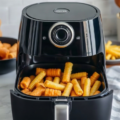
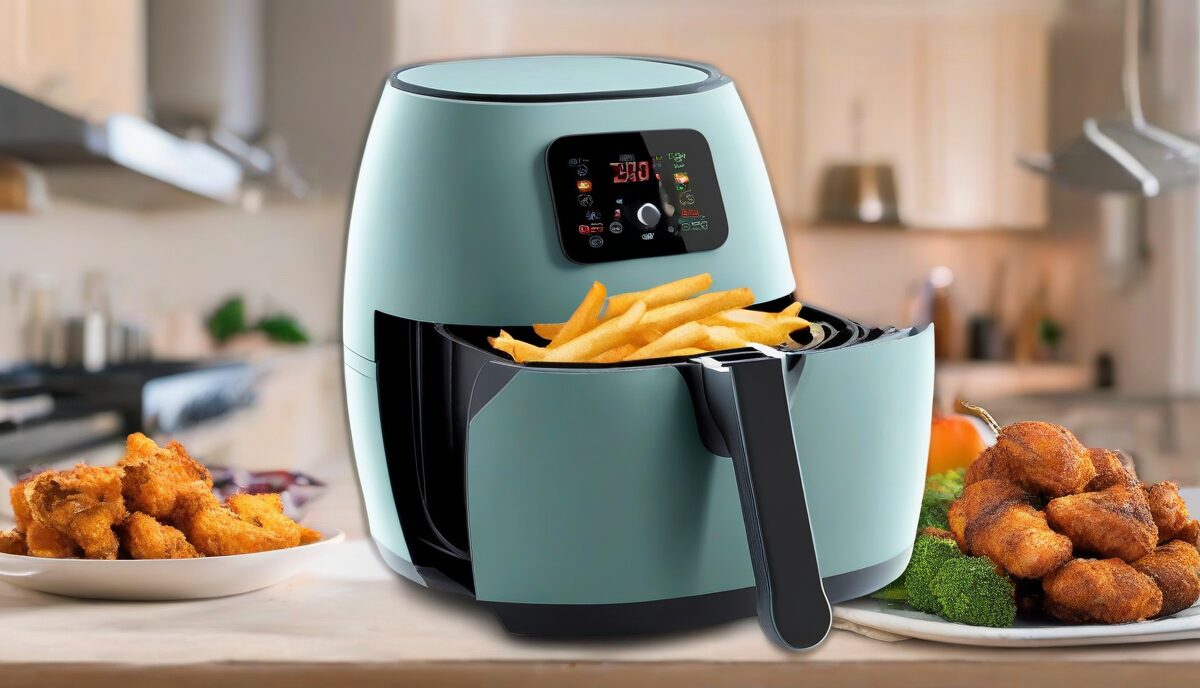
The form factor of your air fryer fundamentally changes your cooking experience. Basket-style models, which pull out like a drawer, utilize a rapid cyclonic airflow that is ideal for quick, high-heat tasks like roasting vegetables or crisping chicken wings. Because the heating element is situated directly above the food, these units excel at creating a uniform, crunchy exterior. However, they can be restrictive when cooking larger items like a whole chicken or a 9-inch cake pan.
Conversely, oven-style air fryers (or toaster-oven hybrids) feature racks and glass doors, allowing you to monitor browning without interrupting the cooking cycle. These models typically offer multiple rack levels, enabling you to cook different components of a meal simultaneously. If you plan on using your air fryer as a primary replacement for a toaster oven or for dehydrating fruits and jerky, the oven-style design is superior. Be aware, however, that the larger internal volume of oven-style units may require slightly longer preheating times and more careful arrangement of ingredients to ensure airflow reaches all corners.
Understanding Airflow Dynamics and Heating Elements
The secret to the “fried” texture lies in the intensity and direction of the convection currents. High-end models often utilize a “starfish” design at the base of the basket, which directs air upward and around the food, preventing soggy bottoms. When evaluating a unit, check if the heating element is a simple coil or a more robust infrared system. Infrared heating elements reach target temperatures faster and provide more consistent heat distribution, which is crucial for recipes that require delicate timing, such as searing a steak or baking pastries.
Air circulation can be disrupted by overcrowding, but it is also impacted by the design of the basket floor. Models with perforated metal trays rather than solid pans generally yield crispier results, as they allow hot air to hit the underside of the food. If you choose a model with a solid basket, you must be more diligent about shaking or flipping your food to mimic the airflow that a rack-based system provides naturally.
Material Science: Ceramic vs. Non-Stick Coatings
The interior coating of your air fryer basket is a significant long-term consideration. Traditional PTFE (Teflon) non-stick coatings are highly effective at preventing food from sticking, but they can be delicate; using metal utensils or harsh scouring pads will inevitably scratch the surface and degrade the coating over time. Always use silicone or wooden tools to extend the lifespan of these surfaces.
Ceramic-coated baskets are gaining popularity as a “cleaner” alternative, often marketed as free from PFOA and PTFE. These surfaces are generally more resistant to high heat and are less likely to flake, but they can be more prone to staining if acidic foods—like tomato-based sauces—are cooked directly on them. When cleaning, avoid the temptation to throw ceramic parts into the dishwasher if the manufacturer recommends hand-washing; high-heat dishwasher cycles can cause microscopic cracks in the ceramic layer, leading to food sticking in future sessions.
Mastering Advanced Cooking Techniques
Beyond simple frying, your air fryer is a precision convection oven capable of advanced culinary tasks. For example, the air fryer is excellent for proofing bread dough; by setting the unit to its lowest temperature (usually around 100°F – 120°F), you create a warm, draft-free environment that accelerates yeast activity. Similarly, many modern units feature a dehydration mode. By running the fan at a low speed over several hours, you can create crispy kale chips, dried apple slices, or even beef jerky.
Another overlooked technique is the use of the “carry-over cooking” method. Because air fryers maintain very high ambient temperatures, food often continues to cook for several minutes after being removed from the basket. To prevent overcooking proteins, pull them out when they are approximately 5 degrees below your target internal temperature. This is especially important for lean meats like pork tenderloin or chicken breasts, which can dry out quickly in the intense convection environment.
Essential Accessories for Expanding Functionality
To truly unlock the potential of your machine, consider investing in a few key accessories. Silicone liners are a game-changer for mess-free cleanup, catching drips and crumbs so you don’t have to scrub the main basket after every use. Just ensure the liners you purchase are specifically rated for high-heat air fryer use and do not obstruct the primary airflow vents.
For those interested in baking, a set of mini springform pans or silicone muffin cups can turn your air fryer into a miniature bakery. A stainless steel rack or “skewer tree” allows you to cook in layers, effectively doubling your cooking capacity for foods like kebabs or layered vegetables. If you are serious about precision, an instant-read digital thermometer is mandatory; air fryers vary wildly in calibration, and relying solely on the provided timer or preset buttons can lead to inconsistent results with thicker cuts of meat.
Troubleshooting Common Air Fryer Pitfalls
If you find that your food is burning on the outside while remaining raw on the inside, you are likely using too high a temperature. The solution is the “low and slow” approach: drop the temperature by 25 degrees and extend the cooking time. This gives the heat enough time to penetrate the core of the food before the exterior sugar or starch caramelizes into a char. If your food is producing excessive smoke, it is usually because oil is dripping onto the heating element or the bottom of the basket. To mitigate this, add a tablespoon of water to the bottom of the drawer (beneath the tray) before cooking, or ensure that you are not using oils with low smoke points, such as extra virgin olive oil.
If you notice the fan seems noisy or the unit is vibrating, check the alignment of the basket. Even a slight misalignment can cause the fan to struggle, leading to uneven cooking and potential mechanical strain. Regularly inspect the intake vents at the back of the unit; dust and grease buildup can restrict airflow, causing the machine to work harder and wear out the motor faster. A quick vacuum or damp cloth wipe of the rear vents every few weeks will maintain optimal performance.
Sustainable Usage and Long-Term Maintenance
To maximize the longevity of your air fryer, avoid the “plug and pull” habit. Always turn the unit off using the control panel before unplugging it, as this allows the fan to run for a final cool-down cycle, protecting the internal electronics from heat soak. When cooking, place the unit on a heat-resistant surface with at least five inches of clearance on all sides; air fryers require significant ventilation to expel hot air, and placing them too close to a wall or under low-hanging cabinets can trap heat, potentially warping plastic components or damaging the internal sensors.
FAQ
1. What size air fryer should I buy?
The size depends on your cooking needs. For singles or couples, a 2-3 quart model is sufficient. For families, consider a 5-6 quart model.
2. Can you cook frozen foods in an air fryer?
Yes, air fryers are great for cooking frozen foods. They cook evenly and can make frozen items crispy without thawing.
3. Are air fryers safe to use?
Yes, air fryers are safe if used correctly. Look for models with safety features like auto shut-off and cool-touch handles.
4. How do I clean my air fryer?
Most air fryers have removable, dishwasher-safe parts. Clean the basket and tray after each use, and wipe down the exterior with a damp cloth.
5. Can I bake in an air fryer?
Yes, many air fryers come with baking functions. You can make cakes, muffins, and other baked goods.