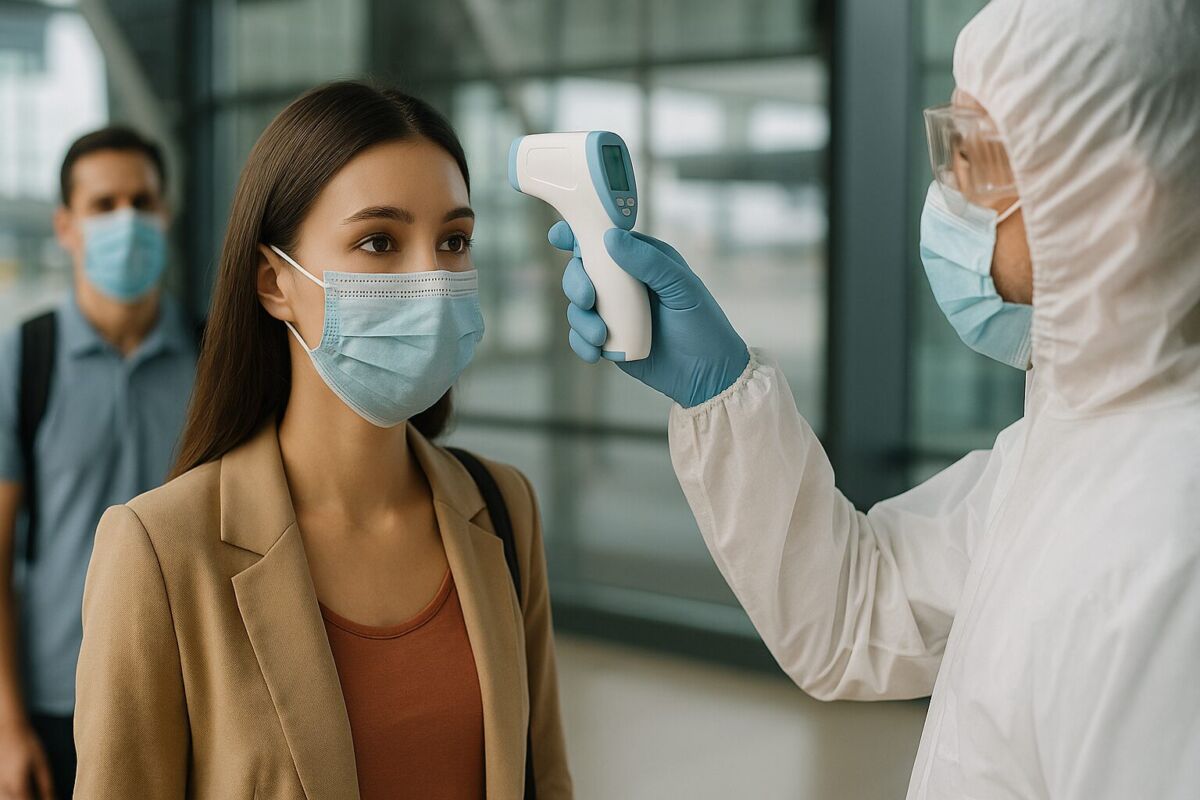
Navigating an airport can be a stressful endeavor even under the best of circumstances. Between security lines, gate changes, and luggage weight checks, the logistics of modern travel are demanding. In recent years, however, a new layer of complexity has been added to the boarding process: temperature screening. Whether implemented as a standard health protocol or a temporary measure during public health shifts, understanding how these screenings work is essential for a smooth travel experience.
This guide provides a comprehensive overview of airport temperature screening, explaining the technology used, what to expect when you arrive at the terminal, and how to prepare yourself to ensure your journey remains uninterrupted. By understanding the mechanics and the protocols, you can approach your next flight with confidence and minimal stress.
Understanding the Technology Behind Temperature Screening
Airport temperature screening typically utilizes non-contact infrared thermometry. Unlike traditional medical thermometers that require physical contact with the skin, these devices use infrared sensors to detect the thermal radiation emitted by the human body. This allows for rapid, efficient, and hygienic screening of large volumes of passengers.
There are several types of technology you might encounter:
- Thermal Imaging Cameras: These are often mounted above walkways or near checkpoints. They scan a wide area, allowing multiple people to be screened simultaneously without stopping. They identify individuals whose body temperature exceeds a predetermined threshold.
- Handheld Infrared Thermometers: You may see staff members using handheld devices to check individuals who have been flagged by thermal cameras or those who appear symptomatic. These require the sensor to be pointed at the forehead or temple area.
- Fixed Point Sensors: These are stationary devices placed at specific intervals, such as at boarding gates or immigration desks, providing a quick check as passengers pass by.
It is important to note that these devices measure skin temperature, which is a proxy for core body temperature. While highly efficient, environmental factors like wind, humidity, or even recent exposure to direct sunlight can influence the readings. This is why thermal screening is often used as a preliminary tool rather than a definitive medical diagnosis.
Common Scenarios for Temperature Checks
Temperature screening is not a constant presence in every airport at all times, but it is deployed based on specific health guidelines and local regulations. Understanding when you might encounter these checks can help you mentally prepare for the extra step in your itinerary.
1. International Arrivals and Departures: Many countries implement temperature screening for all arriving passengers to monitor for potential infectious diseases. This is often a standard part of the customs and immigration process in certain jurisdictions.
2. High-Traffic Hubs: Major international transit hubs often use thermal imaging as a proactive measure to monitor passenger flow and ensure public health safety within the terminal environment.
3. Targeted Health Protocols: During specific public health alerts or outbreaks, airports may implement more rigorous screening, such as mandatory thermal checks at every gate or for specific flight routes.
4. Airline-Specific Policies: While airports manage terminal-wide protocols, individual airlines may choose to implement their own temperature checks during the boarding process to ensure the safety of their cabin crew and passengers.
How to Prepare for a Smooth Screening Process
The goal of temperature screening is speed and efficiency. To ensure you don’t become a bottleneck in a busy terminal, there are several simple steps you can take to prepare yourself before you even reach the checkpoint.
Manage Your Temperature: If you are feeling unwell, the best course of action is to delay your travel and consult a medical professional. Traveling while symptomatic can lead to complications at the airport and may prevent you from boarding your flight.
Avoid Extreme Temperature Fluctuations: Try to avoid drinking extremely hot or cold beverages immediately before screening, as this can affect the temperature of your mouth or face. Similarly, if you have been walking outside in freezing temperatures, try to warm up in the terminal for a few minutes before approaching a screening point to ensure a more accurate reading.
Clear Your Forehead: Most non-contact scanners target the forehead or the inner corner of the eye. Ensure your forehead is free from hats, headbands, or hair that might obstruct the sensor’s view. If you are wearing glasses, you may be asked to briefly lift them if the scanner needs a clearer path to the temple area.
Stay Calm and Follow Instructions: Airport staff are trained to manage these processes quickly. Follow their directions immediately—whether it’s to walk through a sensor at a certain speed or to pause for a handheld check—to keep the flow of passengers moving efficiently.
What Happens if You Are Flagged?
It is a common fear that a “high reading” will result in immediate detention or being barred from travel. However, it is vital to understand that a temperature reading above the threshold is a screening tool, not a diagnosis. If you are flagged, it typically triggers a secondary, more detailed assessment.
Secondary Screening: A staff member may approach you to perform a more precise check using a handheld medical-grade thermometer. They may also ask a few brief health-related questions, such as whether you are experiencing a cough, fever, or other symptoms.
Medical Assessment: In many airports, if a passenger continues to show a high temperature, they may be escorted to a dedicated medical station or a quiet area for a professional evaluation by on-site medical personnel. This is to ensure your safety and the safety of other travelers.
The Role of Documentation: In some instances, if you are traveling to a country with strict entry requirements, you may be asked to present a negative test result or a health declaration form in addition to the temperature check. Always have your digital or physical documents ready to minimize delays.
Environmental Factors Affecting Accuracy
While thermal technology is advanced, it is not infallible. Understanding the variables that can influence a reading can help you understand why a screening might feel inconsistent.
Ambient Temperature: In highly air-conditioned terminals or extremely hot outdoor boarding areas, the surrounding air can impact the skin temperature of a passenger. Thermal cameras are calibrated to account for some of this, but extreme variations can still cause fluctuations.
Physical Activity: If you have just run to catch a connecting flight or have been carrying heavy luggage through a large terminal, your body temperature may be slightly elevated due to physical exertion. This is a physiological response, not necessarily an indication of illness.
Skin Condition and Cosmetics: Heavy application of certain cosmetics, sunscreens, or even sweat can interfere with the infrared sensor’s ability to read the skin temperature accurately. This is why a clear forehead is essential for an accurate reading.
Dealing with Travel Anxiety Related to Health Protocols
For many travelers, the introduction of health protocols like temperature screening can increase anxiety. The uncertainty of being flagged or the fear of being stuck in a terminal can be overwhelming. Managing this anxiety is key to a pleasant travel experience.
Focus on Control: You cannot control airport protocols, but you can control your preparation. Having your documents ready, arriving early, and knowing the health requirements of your destination can significantly reduce the feeling of uncertainty.
Practice Mindfulness: If you find yourself feeling overwhelmed in a crowded terminal, take a few moments to practice deep breathing. This simple act can help regulate your nervous system and lower your heart rate.
Stay Informed: Uncertainty often stems from a lack of information. Check your airline’s website and the official website of your destination’s health authority before you fly. Knowing exactly what to expect reduces the “fear of the unknown.”
Navigating False Positives and Physiological Variables
One of the most frustrating experiences for a traveler is being flagged for a temperature check when they are perfectly healthy. Because infrared thermometry measures surface skin temperature rather than internal core temperature, several physiological and external variables can trigger a false positive. Understanding these can help you remain calm if you are asked to step aside for a secondary check.
The “Runner’s Fever” Effect: As mentioned previously, physical exertion is a major factor. If you have just sprinted through a terminal to catch a connection, your peripheral blood flow increases significantly to dissipate heat. This can raise the skin temperature of your forehead or temples to levels that mimic a low-grade fever. If you are flagged after heavy walking, wait two to three minutes in a seated area to allow your body temperature to stabilize before undergoing a handheld check.
Sweat and Evaporative Cooling: Perspiration is the body’s natural cooling mechanism. If you are sweating, the evaporation process can actually cause a false *low* reading. Conversely, if you have just come from a very humid environment, the moisture on your skin can trap heat or interfere with the infrared sensor’s ability to read the thermal radiation accurately. If you notice your skin is damp, inform the screening officer; they may advise you to dry your forehead with a tissue to ensure a more accurate reading.
Hormonal and Circadian Fluctuations: It is a biological fact that human body temperature is not static. It follows a circadian rhythm, typically being at its lowest in the early morning hours and reaching its peak in the late afternoon or early evening. Additionally, hormonal fluctuations can cause minor shifts in baseline temperature. While these shifts are usually subtle, they are worth noting if you find yourself being repeatedly flagged during specific times of the day.
The Logistics of Medical Escorts and Quarantine Protocols
If a secondary medical assessment confirms a fever, the airport’s response shifts from screening to management. It is important to understand the legal and logistical frameworks that airport authorities operate under to avoid unnecessary panic during these transitions.
The Transition to On-Site Medical Stations: Most major international airports are equipped with dedicated medical clinics or first-aid stations staffed by certified paramedics or flight nurses. If you are flagged and cannot be cleared by a simple handheld thermometer, you may be asked to move to a private area. This is not a detention; it is a clinical necessity to prevent the potential spread of pathogens to the general passenger population. These stations are designed to provide a controlled environment where your vitals can be checked more accurately, including oxygen saturation and respiratory rate.
Airline Liability and Boarding Denial: From a legal standpoint, airlines have a “duty of care” to their passengers and crew. If a passenger presents with a high fever and other symptomatic indicators, the airline has the right—and often the regulatory obligation—to deny boarding. This is not a punitive measure but a safety protocol. If you are denied boarding due to health concerns, your first point of contact should be the airline’s customer service desk rather than airport security, as the airline manages the contract of carriage.
Quarantine and Public Health Authorities: In extreme cases, if a passenger is identified as potentially carrying a highly infectious disease, airport security may involve local public health authorities. This is an escalation that occurs only when a significant health risk is identified. In such scenarios, the individual may be required to undergo a formal quarantine period, which is managed by government health agencies rather than the airport itself.
Impact of Personal Grooming and Medical Applications
What you apply to your skin can have a disproportionate impact on the accuracy of non-contact thermal sensors. To ensure you pass through checkpoints without delay, be mindful of your morning routine.
Sunscreen and Moisturizers: Many sunscreens contain mineral blockers like zinc oxide or titanium dioxide, which can create a physical barrier that reflects or absorbs infrared radiation differently than human skin. Similarly, heavy facial moisturizers or oils can create a layer that traps heat or alters the surface emissivity. If you have applied heavy skincare, try to gently pat your forehead dry with a clean tissue before approaching a thermal scanner.
Medication and Fever Reducers: If you have taken antipyretics (fever-reducing medications) such as acetaminophen or ibuprofen, your temperature may show a false sense of security. While this is generally not a problem for the screening process, you should be aware that if you are feeling unwell despite the medication, you should still follow protocol and report your symptoms. The goal of screening is to identify potential illness, and a medication-induced low temperature does not negate the presence of an underlying infection.
Cosmetic Contaminants: Heavy foundation, contouring, or face powders can significantly interfere with infrared readings. These products change the thermal emissivity of the skin. If you are wearing heavy makeup, it is highly likely that a thermal camera will flag you due to the irregular thermal signature created by the cosmetic layer. If you find yourself being flagged repeatedly, the issue is likely the makeup rather than your health.
Advanced Screening: Beyond Thermal Imaging
While thermal imaging is the most common method, some high-security or high-traffic airports employ a multi-modal approach to health screening. Understanding these advanced methods can prepare you for a more intensive experience.
Acoustic and Visual Symptom Detection: Some cutting-edge airports are experimenting with AI-driven visual and acoustic monitoring. These systems use high-definition cameras and microphones to detect patterns associated with respiratory distress, such as heavy breathing, coughing, or facial expressions that indicate pain or discomfort. While not yet standard, this technology represents the future of passive, non-intrusive screening.
Rapid Antigen and Saliva Testing: In certain high-risk corridors, thermal screening may be supplemented by rapid testing. If a thermal scan flags a passenger, they might be directed to a kiosk for a rapid saliva or nasal swab test. This provides a much higher degree of diagnostic certainty than temperature alone. If you are traveling to a region known for strict health controls, carrying a personal rapid test kit can give you peace of mind, though it may not replace official airport requirements.
Digital Health Passports: The integration of temperature screening with digital health credentials is becoming more common. This involves linking your temperature status, vaccination records, and recent test results into a single QR code or digital certificate (like the IATA Travel Pass). Having these digital records easily accessible on your smartphone can prevent long delays if a thermal scanner triggers a request for documentation.
Best Practices for Traveling with Chronic Conditions
Travelers with chronic health conditions or those who take medications that affect body temperature regulation should take extra precautions to ensure a smooth transit.
Communicating with Staff: If you have a condition that naturally causes higher body temperature (such as hyperthyroidism) or if you are currently taking medication that affects your thermoregulation, it is helpful to proactively inform the screening staff if you are flagged. Providing a brief, clear explanation can expedite the transition to secondary screening and prevent misunderstandings.
Managing Temperature Fluctuations: If you have a condition that causes sudden temperature spikes or dips, try to maintain a stable core temperature through hydration and controlled clothing layers. Avoid rapid changes in environment, such as moving directly from a freezing outdoor area into a highly heated terminal, as this can cause your body to struggle with thermal regulation, leading to inconsistent readings.
Documentation of Medical Necessity: Always carry a physical or digital copy of a physician’s note if you have a condition that might be misinterpreted as an acute illness. While unlikely to be requested during a standard thermal scan, having this information ready can be invaluable if you are referred to a medical station for evaluation.
The Future of Airport Health Logistics
The landscape of airport temperature screening is constantly evolving. As technology advances, the focus is shifting from reactive screening to proactive, seamless health monitoring.
Integration of IoT and Biometrics: Future airports may utilize Internet of Things (IoT) sensors integrated into the very fabric of the terminal. These sensors could monitor the environmental health of the terminal itself, detecting spikes in humidity or temperature that might indicate a localized health issue. Furthermore, the integration of biometric data (like facial recognition) with health status could allow for a completely touchless and seamless transit experience.
Predictive Analytics in Passenger Flow: Airlines and airport operators are increasingly using predictive analytics to manage passenger flow during health-related surges. By analyzing data from thermal scanners and flight schedules, authorities can predict where bottlenecks might occur and deploy additional medical or screening staff to those specific zones before delays occur.
Global Standardization of Protocols: One of the greatest challenges currently is the lack of a unified global standard for health screening. As international travel stabilizes, there is a significant movement toward standardizing how temperature is measured, what constitutes a “flag,” and how passengers are handled across different jurisdictions. This standardization will ultimately reduce traveler anxiety and create a more predictable global travel experience.
Frequently Asked Questions
Q: Will a high temperature reading automatically prevent me from flying?
A: Not necessarily. A high reading is a screening tool used to identify potential risks. If you are flagged, you will likely undergo a secondary assessment. The final decision to allow boarding is usually based on a combination of the temperature reading, clinical symptoms, and airline/destination health regulations.
Q: Do I need to remove my glasses for a temperature check?
A: Usually, no. However, if the thermal scanner needs a clear line of sight to your temple or forehead and your glasses are obstructing that path, a staff member may ask you to briefly lift them.
Q: How long does the temperature screening process take?
A: When using thermal imaging cameras, the process is nearly instantaneous as you walk through. Handheld checks for individuals who have been flagged typically take only a few seconds.
Q: Does wearing a mask affect the temperature reading?
A: Most non-contact scanners target the forehead or the area around the eyes (the temple). Therefore, wearing a mask should not interfere with the accuracy of the screening, provided the forehead is visible.
Q: What should I do if I feel unwell but have already arrived at the airport?
A: If you are experiencing fever, cough, or other symptoms, it is highly recommended to contact your airline immediately to discuss rebooking options. Traveling while unwell can lead to complications and may violate the health protocols of your destination.
Related posts:
 Travel Hack Genius: How One Trainer Revolutionized Airport Workouts with TRP
 How to Fly Safely After Lifted Mask Mandate
 PHA Bodyweight Workout: Efficient Fitness Anywhere, Anytime
 New Tool Detects Melanoma Through Temperature
 Stress-Free Airports Worth Visiting
 TSA Travel Tips for Lightning-Fast Security
 Forehead Frustration: Why Your Face Keeps Breaking Out in That One Spot
 The Great Leggings Debate That Had United Airlines in Hot Water