The Wonder Plant
Aloe vera is an amazing succulent plant that has been used for centuries for its health and wellness benefits. Known as the ‘wonder plant’, aloe is prized for its medicinal properties and versatility.
Key takeaways
- Apply fresh inner leaf gel topically to soothe minor burns, cuts, and skin inflammation.
- Consume inner leaf gel in moderation to potentially support healthy digestion and comfort.
- Grow aloe as a low-maintenance houseplant by providing bright, indirect sunlight and infrequent watering.
- Consult a doctor before consuming aloe if you are pregnant or have underlying medical conditions.
Soothing Skin
The thick, fleshy leaves of aloe contain a clear gel that can be applied directly to the skin to provide soothing relief from minor burns, rashes, cuts and more. The natural compounds in aloe have antibacterial and anti-inflammatory effects, helping wounds and irritation heal faster.
Healthy Digestion
Aloe juice made from the inner leaf gel has been used traditionally to support digestive health and comfort. Some research suggests aloe’s enzymes, vitamins and minerals may help soothe occasional stomach upset.
Immunity Booster
Preliminary studies indicate aloe vera may help give the immune system a natural boost. More research is still needed, but the plant shows promise for supporting overall wellness.
Versatile Houseplant
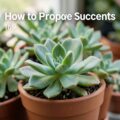
Aloe is an easy-care houseplant that can thrive indoors or outdoors in warm, sunny conditions. It propagates easily too – just remove an offset from the main plant and re-pot it. A great option for beginning gardeners!
Optimizing the Substrate: The Science of Aloe Soil and Drainage
While the basic advice is to use well-draining soil, truly mastering aloe cultivation requires understanding the mechanics of the rhizosphere. Aloe vera roots are highly susceptible to opportunistic fungal pathogens like Pythium and Phytophthora, which thrive in anaerobic conditions created by compacted or oversaturated soil. To create the ultimate environment, you shouldn’t just buy a bag of generic succulent mix; you should understand the ratio of organic to inorganic matter. A professional-grade aloe substrate typically follows a 1:1:1 ratio of organic potting soil, coarse horticultural sand, and an aeration element like perlite or pumice. Pumice is often preferred over perlite because it is heavier and won’t float to the top during watering, providing a stable anchor for the heavy, water-laden leaves of a mature plant.
Furthermore, the pH level of your soil significantly impacts nutrient bioavailability. Aloe vera prefers a slightly acidic to neutral pH, ideally between 6.0 and 7.0. If your soil becomes too alkaline, the plant may struggle to uptake essential micronutrients like iron and magnesium, leading to chlorosis—a yellowing of the leaves that is often mistaken for overwatering. When potting, avoid the temptation to use a container that is significantly larger than the root ball. A large volume of soil that isn’t occupied by roots will hold onto moisture for too long, effectively ‘drowning’ the plant from the bottom up. Terracotta remains the gold standard for aloe housing because its porous nature allows for lateral evaporation, ensuring the core of the root system dries out efficiently between soakings.
The Art of the Harvest: Extracting Pure Gel Without the Bitterness
Harvesting aloe is more than just hacking off a leaf; it is a surgical process that preserves the plant’s health and ensures the purity of the gel. The most potent medicinal compounds are found in the oldest, outermost leaves. When you select a leaf, use a sterilized, serrated knife to cut as close to the main trunk as possible. This prevents ‘stump rot,’ where a remaining piece of the leaf withers and attracts pests. Once the leaf is removed, you will notice a yellow, viscous liquid seeping from the cut end. This is the aloin, or aloe latex, which contains anthraquinones. While historically used as a laxative, it is highly irritating to the skin and can cause severe cramping if ingested. To properly ‘bleed’ the leaf, stand it upright in a glass or jar at a 45-degree angle for 15 to 30 minutes, allowing the yellow sap to drain completely.
After the latex has drained, wash the leaf in cool water. To extract the gel, lay the leaf flat and trim off the prickly serrated edges. Use your knife to slide just under the green skin on one side, filleting it like a fish. You are left with a clear, translucent slab of mucilaginous parenchyma tissue. This is the ‘pure’ gel. For topical use, this gel can be blended into a liquid or applied directly. If you aren’t using it immediately, the gel can be stored in the refrigerator for up to a week, but it is highly susceptible to oxidation. To extend its shelf life, you can add a few drops of Vitamin E or Vitamin C (ascorbic acid) as natural preservatives, which also provide a secondary benefit to the skin by fighting free radicals.
Molecular Magic: Understanding Acemannan and Polysaccharides
To truly appreciate why aloe vera is a ‘wonder plant,’ one must look at its complex biochemistry. The primary bioactive component in the inner leaf gel is acemannan, a long-chain polysaccharide that acts as a powerful immunomodulator. Acemannan works by interacting with macrophages—the ‘scavenger’ cells of the immune system—stimulating them to produce interferon and interleukins, which help the body fight off pathogens. This is why researchers are increasingly looking at aloe not just as a skin treatment, but as a potential adjuvant in more complex medical therapies. Beyond acemannan, the gel contains over 75 active constituents, including salicylic acid, which provides its well-known analgesic (pain-relieving) and anti-inflammatory properties.
</n
Another fascinating component is the presence of lignin, a structural substance that, when included in topical preparations, enhances the penetration of other ingredients into the deeper layers of the dermis. This makes aloe an exceptional 'carrier' for other medicinal herbs or essential oils. Additionally, aloe contains bradykinase, an enzyme that helps reduce excessive inflammation when applied to the skin, and C-glucosyl chromone, a non-steroidal anti-inflammatory compound. Unlike synthetic creams that often rely on a single active ingredient, aloe vera provides a synergistic 'entourage effect,' where the combination of enzymes, minerals (like zinc and magnesium), and amino acids works in concert to accelerate cellular regeneration and collagen synthesis.
Beyond the Burn: Advanced Topical Applications and Hair Care
While most people reach for aloe after a sunburn, its utility in a daily cosmetic routine is vastly underrated. For those with oily or acne-prone skin, aloe serves as a non-comedogenic moisturizer. Its antimicrobial properties help suppress Propionibacterium acnes, the bacteria responsible for breakouts, while its astringent qualities help shrink pores and remove excess sebum without stripping the skin’s natural moisture barrier. You can create a potent ‘overnight mask’ by mixing two tablespoons of fresh aloe gel with a teaspoon of raw honey; the humectant properties of both ingredients lock moisture into the skin while you sleep, leading to a significantly brighter complexion by morning.
In the realm of hair care, aloe vera is a powerhouse for scalp health. The proteolytic enzymes in the gel break down dead skin cells that clog hair follicles, which can be a primary cause of dandruff and stunted hair growth. Because the pH of aloe vera (around 4.5 to 5.5) closely matches the natural pH of the scalp and hair, it helps to seal the hair cuticle, reducing frizz and increasing shine. To use it as a deep conditioner, blend fresh gel with a small amount of coconut oil and massage it into the scalp. Leave it for 30 minutes before rinsing. This treatment is particularly effective for those with ‘low porosity’ hair, as the water-based gel can penetrate the hair shaft more easily than heavy oils alone, providing hydration that lasts through several wash cycles.
Defensive Gardening: Managing Pests and Environmental Stress
Even a ‘f***ing awesome’ plant like aloe faces challenges. The most common issue is ‘legginess’ or etiolation, where the plant grows tall and thin with pale leaves. This is a physiological response to insufficient light; the plant is literally stretching itself to find a light source. If this happens, you cannot ‘fix’ the existing leaves, but you can move the plant to a brighter location and eventually propagate the more compact ‘pups’ that grow at the base. On the opposite end of the spectrum is sun scorch. While aloe loves light, a sudden move from a dark corner to direct afternoon sun can cause the leaves to turn a muddy brown or orange. This is a protective pigment response, similar to a human tan, but if left unchecked, it can lead to permanent scarring and tissue death.
Regarding pests, the ‘Aloe Mite’ (Eriophyes aloinis) is the most dreaded. These microscopic pests cause ‘Aloe Cancer,’ a condition where the plant develops grotesque, wart-like galls on the leaves or flower spikes. There is no cure for a severe infestation; the affected parts must be surgically removed and disposed of in the trash (never composted), or the entire plant must be destroyed to prevent the mites from spreading to your entire collection. Mealybugs and scale are more manageable but persistent. They hide in the tight crevices where the leaves meet the stem. A cotton swab dipped in 70% isopropyl alcohol is the most effective way to kill these pests on contact without damaging the plant’s waxy cuticle. For larger infestations, a spray of neem oil can be used, but avoid applying it during the heat of the day, as the oil can magnify sunlight and burn the leaves.
Culinary Chemistry: Preparing Aloe for Safe Ingestion
Consuming aloe vera requires a more nuanced approach than topical application due to the aforementioned latex. When preparing aloe for food, you must be meticulous in removing every trace of the green skin and the yellow sap layer. Once you have your clear gel cubes, a professional trick to improve the texture and remove the ‘slime’ factor is to blanch them. Drop the cubes into boiling water for exactly two minutes, then immediately plunge them into an ice bath. This firms up the tissue, giving it a texture similar to a grape or a firm melon, and neutralizes the slightly bitter, vegetal aftertaste.
In culinary applications, aloe is prized more for its texture and health benefits than a dominant flavor. It is an excellent addition to cold soups, like a cucumber and mint gazpacho, where the aloe cubes provide a refreshing ‘pop.’ In mixology, muddled aloe gel can add a sophisticated silkiness to cocktails or mocktails, pairing exceptionally well with gin, lime, and elderflower. For a daily health tonic, blend the blanched gel with pineapple juice and a pinch of turmeric. The bromelain in the pineapple and the curcumin in the turmeric work alongside the aloe’s polysaccharides to create a potent anti-inflammatory drink. However, remember the edge case: because aloe can lower blood glucose levels, individuals on diabetes medication should monitor their sugar levels closely when adding aloe to their diet, as it can potentially lead to hypoglycemia.
Advanced Propagation: Expanding Your Succulent Empire
While the existing article mentions removing offsets, there is a specific ‘timing and curing’ strategy that ensures a 100% success rate. These offsets, or ‘pups,’ share a vascular system with the mother plant. You should wait until the pup is at least one-fifth the size of the parent and has developed its own independent root nubs before separating it. Use a clean blade to cut the connecting rhizome. The most critical step—and the one most beginners skip—is the ‘callusing’ period. Do not put the pup in soil or water immediately. Leave it in a dry, shaded area for three to five days. This allows the wound to dry and form a callous, which acts as a barrier against soil-borne pathogens.
FAQ
What are the benefits of aloe vera?
Some benefits of using aloe vera include soothing skin irritations, burns and wounds; supporting digestive health and comfort; and potentially boosting immunity. It’s a versatile plant with many uses.
How do you use aloe vera gel?
Aloe gel can be scooped directly from the inner leaf and applied to the skin as needed. It can also be blended into smoothies, juices or other drinks. Be sure to use only the inner gel and not the outer leaf which can act as a laxative.
Is aloe vera safe to ingest?
When consumed in moderation, pure aloe inner leaf gel is considered safe for most people. Those with certain medical conditions or women who are pregnant should talk to their doctor before regularly consuming aloe juice.
How often should you water an aloe plant?
Aloe is a succulent, meaning it stores water in its leaves and roots. Water less frequently, only when the soil is completely dry. Let excess water drain out to prevent rotting.
Where does aloe vera grow best?
Aloe thrives in warm, dry climates with plenty of bright, indirect sunlight. Indoors, place near a sunny window. Outdoors, choose a sheltered spot that avoids frost and overwatering. Aloe grows well in pots so it can be moved as needed.