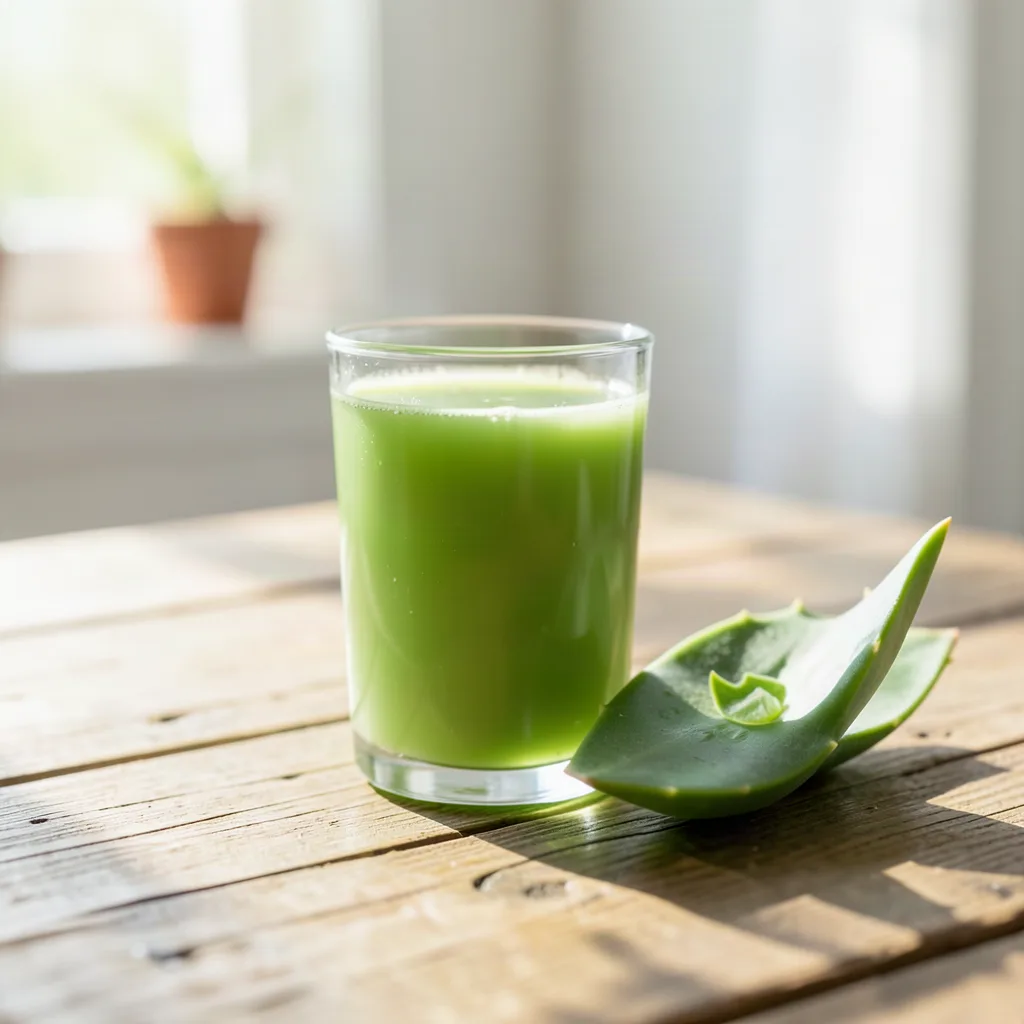
Aloe vera has been used for centuries in traditional medicine, but in recent years, drinking aloe vera juice has gained significant attention in wellness circles. While most people know aloe vera as a topical remedy for sunburns, the inner gel of the plant contains compounds that may offer surprising health benefits when consumed as a juice. However, it’s important to distinguish between aloe latex (the yellow substance just beneath the plant’s skin) and aloe vera gel (the clear inner portion), as they have very different properties and safety profiles.
Key takeaways
- Choose products labeled inner gel only to avoid aloin, a latex compound that causes severe cramping and dehydration.
- Start with one ounce daily to assess tolerance before gradually increasing to a maximum of three ounces per day.
- The juice provides prebiotic fiber for gut health, antioxidants for immune support, and may help maintain healthy blood sugar.
- Consult a doctor before use if you take blood thinners or diabetes medication, or if you are pregnant.
- High water content and trace minerals support systemic hydration and skin resilience when consumed consistently over several months.
Before incorporating aloe vera juice into your routine, understanding what the science actually shows—and what remains unproven—is essential. This guide explores the potential benefits, practical considerations, and safety protocols for consuming aloe vera juice responsibly.
Understanding Aloe Vera Juice: What You’re Actually Drinking
Aloe vera juice is made from the clear gel found inside the aloe vera plant’s leaves, not the yellow latex layer that sits between the skin and gel. This distinction matters significantly for safety and efficacy. The gel contains polysaccharides, amino acids, and various micronutrients that differ substantially from the latex’s chemical composition.
Commercial aloe vera juice varies widely in quality and processing methods. Some products are made from whole leaf juice (which may contain small amounts of latex), while others use only the inner gel. Cold-processing methods typically preserve more of the plant’s beneficial compounds compared to heat processing. When shopping for aloe vera juice, look for products that specify they use inner gel only and have undergone testing for aloin content—the compound in latex that can cause digestive issues.
The typical recommended serving is 1 to 3 ounces of aloe vera juice per day, though this varies depending on individual tolerance and the product’s concentration. Starting with smaller amounts and gradually increasing helps your body adjust and allows you to monitor for any adverse reactions.
Digestive Support and Gut Health Benefits
One of the most commonly cited reasons people consume aloe vera juice is its potential to support digestive health. The polysaccharides in aloe gel may have prebiotic properties, meaning they could help nourish beneficial bacteria in your gut microbiome. A healthier gut microbiome is associated with better digestion, improved immune function, and even enhanced mental health outcomes.
Aloe vera juice may also have mild laxative properties that differ from harsh chemical laxatives. Some people find it helpful for occasional constipation, though this effect tends to be gentle compared to pharmaceutical alternatives. The mechanism appears related to how aloe compounds stimulate intestinal movement naturally.
Additionally, the juice may help soothe inflamed intestinal tissues. Conditions like irritable bowel syndrome (IBS) and inflammatory bowel conditions involve intestinal irritation, and some people report symptom improvement with aloe vera juice consumption. However, clinical evidence remains limited, and anyone with existing digestive conditions should consult their healthcare provider before use.
It’s worth noting that the digestive benefits may take weeks of consistent use to become noticeable. Many people find that aloe vera juice works best as part of a broader digestive wellness strategy that includes adequate hydration, fiber intake, and stress management.
Potential Anti-Inflammatory Properties
Chronic inflammation underlies many modern health challenges, from joint problems to cardiovascular disease. Aloe vera contains compounds like polysaccharides and lectins that preliminary research suggests may have anti-inflammatory effects. When consumed internally, these compounds may help reduce inflammation throughout the digestive tract and potentially in other body systems.
For people with inflammatory conditions affecting the gut, such as ulcerative colitis or Crohn’s disease, aloe vera juice has been explored as a complementary approach. Some small studies suggest potential benefits, though larger, more rigorous clinical trials are needed before making definitive claims. Anyone with inflammatory bowel disease should work closely with their gastroenterologist before adding aloe vera juice, as it may interact with medications or affect disease management.
The anti-inflammatory potential extends beyond digestion. Some wellness practitioners recommend aloe vera juice for systemic inflammation, arthritis, and joint discomfort. While anecdotal reports are encouraging, scientific evidence specifically for these applications remains preliminary. The most honest approach is to view aloe vera juice as one potential tool within a comprehensive anti-inflammatory lifestyle that includes appropriate exercise, stress management, and nutritious eating habits.
Blood Sugar and Metabolic Support
Emerging research suggests that aloe vera polysaccharides may influence how the body processes and utilizes glucose. Some studies in animals and small human trials have indicated that aloe vera consumption might help maintain already-healthy blood sugar levels. This potential benefit has attracted interest from people managing prediabetes or type 2 diabetes, though these individuals must prioritize medical supervision over self-treatment.
The mechanism may involve how aloe vera affects insulin sensitivity and glucose absorption in the digestive tract. However, it’s crucial to understand that aloe vera juice is not a substitute for medical diabetes management. Anyone with diabetes or prediabetes should never replace prescribed medications or dietary guidance with aloe vera juice alone.
Some people also consume aloe vera juice as part of broader metabolic support strategies aimed at maintaining healthy body composition. The juice contains minimal calories and may support satiety, though the evidence for weight management benefits remains anecdotal rather than conclusively proven through large clinical trials.
Antioxidant and Immune System Support
Aloe vera juice contains polyphenols and other compounds with antioxidant properties. These substances help neutralize free radicals—unstable molecules that contribute to cellular aging and disease development. By reducing oxidative stress, aloe vera juice may support overall cellular health and resilience.
The immune-supporting potential comes from several angles. The polysaccharides in aloe vera appear to stimulate activity of immune cells involved in fighting infection and eliminating damaged cells. Additionally, the gut health benefits discussed earlier have direct immune implications, since roughly 70% of your immune system resides in your digestive tract. A healthier gut microbiome translates to more robust immune function.
During cold and flu season, some people incorporate aloe vera juice into their wellness routine alongside other evidence-based immune support strategies like vitamin D, adequate sleep, stress management, and handwashing. While aloe vera shouldn’t replace proven preventive measures, it may serve as a complementary approach to supporting baseline immune resilience.
Hydration and Nutrient Density
Aloe vera juice is approximately 99% water, making it an excellent hydrating beverage. Beyond simple hydration, the gel contains trace minerals including zinc, selenium, chromium, magnesium, and calcium. These micronutrients play crucial roles in enzyme function, bone health, and countless metabolic processes.
The juice also contains amino acids—the building blocks of protein. While aloe vera juice shouldn’t replace protein-rich foods, the amino acids contribute to overall nutritional density. Additionally, some compounds in aloe vera support nutrient absorption in the digestive tract, potentially enhancing your body’s ability to utilize nutrients from other foods you consume.
For people following restrictive diets or those with absorption challenges, adding aloe vera juice might help optimize nutrient status. However, this works best as part of a comprehensive nutritious diet rather than as a standalone nutritional strategy. The juice is best viewed as a nutrient-dense beverage that complements—not replaces—whole foods and balanced meals.
Skin Health From Within
The traditional use of aloe vera for skin is well-established topically, but consuming aloe vera juice may support skin health from the inside out. The hydration and antioxidant properties contribute to skin resilience and appearance. Additionally, the anti-inflammatory compounds and polysaccharides may help reduce inflammatory skin conditions when addressed systemically.
Some people with acne report improvements in skin clarity after incorporating aloe vera juice, particularly when combined with improved hydration and a nutrient-dense diet. The polysaccharides may promote collagen production and skin elasticity, supporting a more youthful appearance over time. However, skin health is influenced by numerous factors including genetics, sun exposure, sleep quality, and hormonal balance, so aloe vera juice is best viewed as one supportive element rather than a complete skin solution.
For optimal skin benefits, consistency matters more than dramatic immediate results. Many people find that three to six months of regular aloe vera juice consumption produces noticeable improvements in skin texture, hydration, and overall radiance when combined with sun protection and a skincare routine suited to their skin type.
Important Safety Considerations and Contraindications
While aloe vera gel is generally well-tolerated, several important safety considerations apply. The most critical is distinguishing aloe latex from aloe gel. Aloin, a compound in aloe latex, can cause severe cramping, electrolyte imbalances, and potentially dangerous dehydration, especially with prolonged use. Only consume products made specifically from inner gel, not whole leaf juice containing latex.
Certain medications interact with aloe vera juice, including blood thinners, diabetes medications, and digoxin (a heart medication). If you take any prescription medications, consult your healthcare provider before consuming aloe vera juice regularly. Pregnancy and breastfeeding are also contraindications—aloe vera should be avoided during these periods due to limited safety data.
Some people experience digestive side effects including cramping, diarrhea, or allergic reactions. Starting with very small amounts—perhaps just half an ounce—allows you to assess tolerance before increasing consumption. Stop use immediately if you experience severe cramping, electrolyte imbalance symptoms (weakness, irregular heartbeat), or allergic reactions.
Additionally, aloe vera juice should not be consumed by people with kidney disease, as some compounds are processed through the kidneys. Those with inflammatory bowel disease should work with their gastroenterologist, as aloe vera may affect disease activity or medication absorption. People scheduled for surgery should discontinue aloe vera juice at least two weeks before the procedure due to potential blood-thinning effects.
How to Safely Incorporate Aloe Vera Juice Into Your Routine
If you’ve received clearance from your healthcare provider to try aloe vera juice, start with a conservative approach. Begin with 1 ounce (30 milliliters) daily, preferably in the morning on an empty stomach or mixed into a smoothie. Observe your body’s response for at least one week before considering an increase.
After establishing tolerance, you can gradually increase to 2-3 ounces daily if desired, though most people find significant benefits at the 1-ounce level. Timing matters—consuming aloe vera juice with meals may reduce its potential benefits, so spacing it away from food is often recommended.
Quality matters significantly. Purchase aloe vera juice from reputable suppliers who conduct third-party testing for contaminants and aloin content. Some people prefer making fresh juice from homegrown aloe vera plants, ensuring complete control over purity, though this requires careful preparation to avoid accidentally including the latex layer.
If taking other supplements or medications, space aloe vera juice consumption at least two hours away from other substances to prevent interactions. Many people find that maintaining consistent daily consumption produces better results than sporadic use, so establishing it as a regular morning routine can help with compliance.
Oral Health and Alkalinity Benefits
Beyond digestive support, emerging research suggests aloe vera juice may contribute to oral health through multiple mechanisms. The juice’s natural alkalinity helps neutralize acidic environments in the mouth that promote bacterial growth and tooth decay. By maintaining a more neutral pH, aloe vera juice may reduce conditions favorable to cavity-causing pathogens and gum disease organisms.
The antimicrobial compounds in aloe vera—including polysaccharides and various phenolic compounds—actively inhibit growth of oral bacteria implicated in periodontal disease. Some individuals report reduced bleeding gums and improved gum texture after consistent aloe vera juice consumption, though clinical studies specifically examining oral health outcomes remain limited. Dentists who incorporate complementary approaches sometimes recommend aloe vera juice as part of comprehensive oral wellness, though it should never replace professional dental care, proper brushing, flossing, and regular dental checkups.
The anti-inflammatory properties also benefit gum tissue directly. Gingivitis and periodontitis involve inflammatory responses that aloe vera’s bioactive compounds may help moderate. For people with sensitive gums or minor inflammation, adding aloe vera juice to their routine—combined with improved oral hygiene—sometimes produces noticeable improvements within 4-8 weeks. The beverage’s hydrating properties additionally support saliva production, which naturally protects teeth and gums through antimicrobial proteins and buffering capacity.
Some wellness practitioners recommend consuming aloe vera juice alongside topical aloe vera gel applications for mouth ulcers or canker sores, though evidence for this specific application is primarily anecdotal. The juice’s systemic anti-inflammatory effect may support healing from within while topical application soothes localized irritation. Anyone with persistent oral issues should consult their dentist to rule out underlying conditions requiring professional treatment.
Liver Function and Detoxification Support
The liver bears responsibility for processing thousands of compounds daily, filtering blood, and eliminating waste products. Aloe vera juice contains compounds that preliminary research suggests may support hepatic function, though the evidence remains emerging rather than conclusively established. Polysaccharides in aloe vera appear to stimulate activity of liver detoxification enzymes, potentially enhancing the organ’s ability to process and eliminate various substances.
The antioxidant compounds in aloe vera juice help protect liver cells from oxidative damage that can accumulate from processing xenobiotics, medications, and environmental toxins. By reducing oxidative stress specifically in hepatic tissue, aloe vera may support long-term liver health and resilience. Some naturopathic practitioners incorporate aloe vera juice into seasonal liver-support protocols, though these should complement—not replace—evidence-based liver health practices like limiting alcohol, avoiding unnecessary medications, and maintaining a nutrient-dense diet.
For individuals with fatty liver disease or elevated liver enzymes, aloe vera juice has generated interest as a potential supportive therapy. A few small studies suggest potential benefits in reducing hepatic fat accumulation and normalizing liver enzyme levels, but these results require validation through larger clinical trials. Anyone with diagnosed liver disease must work with their hepatologist before adding aloe vera juice, as certain liver conditions or medications may contraindicate its use. The juice should not be viewed as treatment for liver disease but rather as one potential element within comprehensive hepatic health strategies that prioritize weight management, limited alcohol consumption, and appropriate medical monitoring.
The liver’s role in breaking down aloe vera compounds means that individuals with severely compromised liver function may experience accumulation of these bioactive substances, potentially causing unwanted effects. This represents another situation requiring medical guidance before consumption, as personalized dosing recommendations become necessary for people with hepatic impairment.
Energy and Athletic Performance Considerations
Athletes and active individuals increasingly explore aloe vera juice as a potential performance and recovery support tool, though evidence remains mixed. The glucose compounds in aloe vera juice provide readily available carbohydrates, making it potentially useful as a pre-workout beverage for sustained energy during endurance activities. The polysaccharides digest relatively quickly, delivering fuel without the heaviness of solid food that might cause digestive discomfort during intense exercise.
Post-workout recovery represents another angle where aloe vera juice shows promise. The amino acids present in the juice support muscle protein synthesis and recovery. Additionally, the anti-inflammatory properties may help moderate excessive post-exercise inflammation that, while necessary for adaptation, can become counterproductive if excessive. Some athletes report faster recovery and reduced muscle soreness when consuming aloe vera juice immediately after intense training sessions, though individual responses vary considerably.
The hydration aspect deserves emphasis—with its 99% water content plus electrolyte minerals including potassium and magnesium, aloe vera juice functions as a simple yet nutrient-dense hydration solution. For athletes seeking alternatives to commercial sports drinks laden with added sugars and artificial ingredients, aloe vera juice offers a cleaner option. However, it lacks the sodium content of purpose-formulated sports drinks, so it works better for recovery hydration than during-exercise hydration for events lasting over two hours.
Energy levels may improve for some individuals through multiple mechanisms: better nutrient absorption, improved digestion reducing the metabolic burden of food processing, and potentially better sleep quality from reduced inflammation and improved nutrient status. These effects typically manifest gradually rather than producing immediate energy spikes. Individuals sensitive to changes in blood sugar should monitor their response carefully, as aloe vera’s effects on glucose processing may influence energy patterns.
For competitive athletes in tested sports, aloe vera juice presents no doping concerns and remains perfectly legal, offering a natural edge through optimized digestion and recovery—nothing more exotic or risky than improved nutritional support. The most realistic expectation is marginal improvements that, accumulated across recovery protocols, contribute to better overall performance and longevity in training.
Cardiovascular and Circulatory Considerations
The cardiovascular system’s health depends on multiple factors including cholesterol profiles, blood pressure, inflammatory status, and blood viscosity. Aloe vera juice influences several of these parameters according to preliminary research, though individuals with existing cardiovascular disease require medical oversight before consumption. The polysaccharides in aloe vera appear to have mild anticoagulant properties—meaning they may slightly reduce blood clotting tendency—which has both benefits and risks depending on individual circumstances.
Some studies suggest that aloe vera consumption may help maintain already-healthy cholesterol levels, with particular potential for favorable changes in triglyceride profiles. The anti-inflammatory compounds also address one of the root causes of atherosclerosis—chronic vascular inflammation. For individuals working to optimize cardiovascular health through diet and lifestyle modifications, aloe vera juice may provide complementary support when incorporated thoughtfully.
Blood pressure regulation represents another potential benefit area. Some research indicates that polysaccharides in aloe vera may support healthy vasodilation—the opening of blood vessels that facilitates normal blood pressure. This effect likely contributes to overall cardiovascular stress reduction rather than producing dramatic blood pressure changes. The juice’s mineral content, particularly potassium and magnesium, also supports healthy cardiovascular function through their roles in muscle contraction and electrical signaling in cardiac tissue.
Crucially, individuals taking blood thinners like warfarin or antiplatelet agents like aspirin must avoid or severely limit aloe vera juice consumption without explicit medical clearance. The potential additive anticoagulant effects could produce excessive bleeding or other complications. Similarly, those with history of blood clots, stroke, or who are scheduled for surgery must discuss aloe vera juice with their physician well in advance, as discontinuation may be necessary before medical procedures.
The cardiovascular benefits take months to manifest and work best within comprehensive heart-health strategies including regular aerobic exercise, stress management, adequate sleep, omega-3 consumption, and reduced sodium intake. Viewing aloe vera juice as one supportive element rather than a primary cardiovascular intervention ensures realistic expectations and appropriate priority allocation within broader wellness strategies.
Hormonal and Menstrual Cycle Support
While research remains preliminary, emerging evidence suggests aloe vera juice may influence hormonal balance through multiple mechanisms. The polysaccharides and other bioactive compounds appear to interact with the endocrine system in ways that may help normalize hormonal fluctuations throughout the menstrual cycle. Some women report more regular cycles and reduced period-related symptoms—including cramping, bloating, and mood changes—after incorporating aloe vera juice into their routine.
The anti-inflammatory properties address inflammation-related aspects of dysmenorrhea (painful menstruation), potentially reducing prostaglandin-mediated cramping. Additionally, improved nutrient absorption facilitated by aloe vera juice supports production of hormones and neurotransmitters that regulate the menstrual cycle. For individuals with irregular cycles related to nutritional insufficiency, aloe vera juice may contribute to normalization as part of broader nutritional optimization.
Some research suggests aloe vera consumption may improve symptoms associated with polycystic ovary syndrome (PCOS), including irregular bleeding, skin manifestations, and metabolic dysfunction. The potential improvements relate to the juice’s effects on insulin sensitivity and inflammatory status—both central to PCOS pathophysiology. Women with PCOS pursuing complementary approaches sometimes incorporate aloe vera juice alongside medical treatment and lifestyle modifications, with reported benefits in symptom management and metabolic markers.
During perimenopause and menopause, hormonal fluctuations intensify, and some women explore aloe vera juice as a natural approach to managing hot flashes, mood changes, and other symptoms. The anti-inflammatory and nutrient-dense properties may provide some relief, though evidence specific to menopausal symptom management remains anecdotal. Women approaching or experiencing menopause should discuss aloe vera juice with their healthcare provider, particularly if taking hormone therapy or other medications affected by aloe vera’s bioactive compounds.
Importantly, aloe vera juice should be discontinued during pregnancy and breastfeeding due to insufficient safety data and theoretical risks related to potential uterotonic effects and unknown impacts on infant exposure through breast milk. Women planning pregnancy or trying to conceive should consult their OB-GYN before starting aloe vera juice, as its effects on early pregnancy remain understudied.
Bone Health and Mineral Absorption Optimization
Skeletal health depends not only on adequate calcium intake but on proper mineral absorption and appropriate inflammatory status—excessive chronic inflammation accelerates bone loss. Aloe vera juice addresses multiple aspects of bone health through complementary mechanisms. The juice contains trace minerals including zinc, selenium, chromium, and magnesium that play direct roles in bone mineralization and strength.
Magnesium particularly deserves emphasis, as this mineral serves as a critical cofactor in bone formation and helps regulate calcium distribution within bone tissue. Many individuals maintain inadequate magnesium status despite sufficient calcium, resulting in suboptimal bone formation. Aloe vera juice provides bioavailable magnesium that contributes to meeting daily requirements. The juice’s polysaccharides additionally appear to enhance mineral absorption throughout the digestive tract, meaning that consuming aloe vera juice with or shortly before mineral-rich meals may improve overall mineral bioavailability.
The anti-inflammatory properties address another bone health factor—excessive systemic inflammation promotes osteoclast activity (bone resorption) while inhibiting osteoblast function (bone formation). By reducing inflammatory cytokines, aloe vera juice may shift the balance favorably toward bone preservation and formation. For individuals at risk of osteoporosis or with diagnosed bone density loss, aloe vera juice represents one potential complementary strategy within comprehensive bone health approaches that prioritize weight-bearing exercise, resistance training, and adequate protein intake.
Older adults and postmenopausal women experiencing accelerated bone loss due to declining estrogen may find aloe vera juice particularly valuable. The combination of improved mineral status, enhanced absorption, and reduced inflammation addresses multiple aspects of age-related bone loss simultaneously. Several studies examining aloe vera supplementation in older populations report modest but consistent improvements in bone mineral density markers over 12-24 weeks of consistent consumption.
For individuals with malabsorption disorders, celiac disease, or other conditions compromising nutrient uptake, aloe vera juice’s potential to enhance absorption efficiency becomes especially relevant. By promoting digestive health and reducing intestinal inflammation, the juice may improve overall mineral status even when dietary intake remains modest. This benefit particularly applies to individuals unable to consume sufficient minerals through food alone due to digestive limitations.
Sleep Quality and Circadian Rhythm Regulation
Quality sleep depends on multiple interconnected factors: appropriate circadian rhythm alignment, absence of excessive inflammation, stable blood sugar throughout the night, and adequate nutrient status for neurotransmitter production. Aloe vera juice influences several of these factors, potentially supporting deeper, more restorative sleep for individuals who consume it consistently.
The polysaccharides in aloe vera may support stable blood sugar throughout the night, preventing the nocturnal hypoglycemia that disrupts sleep and triggers middle-of-the-night waking. By maintaining steady glucose availability, the juice reduces adrenaline surges that fragments sleep architecture. For individuals who wake repeatedly throughout the night, particularly those with reactive hypoglycemia patterns, aloe vera juice consumed in the afternoon or early evening may produce noticeably improved sleep continuity.
The amino acids in aloe vera juice include compounds that serve as precursors for neurotransmitters regulating sleep. Tryptophan availability, for instance, influences serotonin and melatonin production—both central to healthy sleep-wake cycles. While aloe vera juice provides only modest amounts of these compounds, the improved nutrient absorption facilitated by better digestive health amplifies the effect of dietary tryptophan and other sleep-supporting nutrients from all food sources.
Chronic inflammation disrupts sleep quality and contributes to sleep disorders including sleep apnea and restless leg syndrome. The anti-inflammatory effects of aloe vera juice, accumulating over weeks and months of consumption, may gradually improve sleep architecture and reduce nocturnal disruptions. Individuals with inflammatory conditions affecting sleep sometimes report substantial improvements after 4-12 weeks of consistent aloe vera juice consumption, with deeper sleep, fewer arousals, and greater daytime alertness.
The digestive support from aloe vera juice prevents the nighttime digestive discomfort that disrupts sleep for many individuals. Acid reflux, bloating, and inadequate digestive efficiency all compromise sleep quality. By optimizing digestive function, aloe vera juice removes these common sleep disruptors. Some individuals report sleep improvements within the first 1-2 weeks of starting aloe vera juice, specifically through this mechanism of reduced digestive nighttime disturbance.
Timing matters for sleep support—consuming aloe vera juice in the morning or early afternoon positions it to support stable blood sugar and inflammation reduction throughout the day and evening, optimizing conditions for sleep onset. Consuming it immediately before bed may be counterproductive due to increased bathroom visits during the night, so spacing consumption to daylight hours produces better sleep outcomes for most individuals.
Frequently Asked Questions
Can aloe vera juice completely replace medical treatments for digestive conditions?
No. While aloe vera juice may provide complementary support for digestive health, it should never replace prescribed medical treatments, especially for serious conditions like inflammatory bowel disease, gastric ulcers, or other diagnosed disorders. Always work with your healthcare provider to integrate aloe vera juice appropriately into a comprehensive treatment plan. Medical conditions require medical oversight—aloe vera juice is best viewed as a supportive addition to conventional care, not an alternative to it.
How long does it typically take to notice benefits from drinking aloe vera juice?
Benefits vary significantly between individuals and depend on which benefits you’re seeking. Some people notice improved digestion and energy levels within 1-2 weeks, while skin and immune benefits typically require 6-12 weeks of consistent consumption to become apparent. Metabolic and anti-inflammatory effects may take 3-6 months. Consistency matters more than the speed of results—most people who experience significant benefits maintained daily consumption for at least three months before discontinuing.
Is homemade aloe vera juice safer than commercial products?
Homemade aloe vera juice offers control over purity but requires careful preparation to avoid latex contamination. The latex layer sits just beneath the plant’s skin and must be completely removed before extracting the inner gel. Many people find commercial products safer simply because they’ve undergone processing and testing, though quality varies widely among brands. If making homemade juice, research proper preparation techniques thoroughly and consider having initial batches tested if possible.
Can I drink aloe vera juice if I’m taking blood thinners or other medications?
This requires medical consultation. Aloe vera juice may interact with blood thinners, diabetes medications, digoxin, and potentially other substances. The severity of interaction varies based on dosage, individual factors, and specific medications. Contact your prescribing physician or pharmacist before adding aloe vera juice to your routine if you take any regular medications. They can assess your specific situation and determine whether it’s safe to proceed and if any adjustments are needed.
What’s the difference between aloe vera juice and aloe vera water?
Aloe vera juice typically refers to liquid extracted from the inner gel and may contain more concentrated nutrients and bioactive compounds. Aloe vera water is often a more diluted product, sometimes with added water and other ingredients, providing gentler consumption with potentially reduced bioactivity. True aloe vera juice from reputable suppliers contains minimal added ingredients beyond possibly preservation methods, whereas aloe water products vary considerably. Check labels carefully to understand what you’re purchasing—juice and water aren’t interchangeable, and their potential benefits differ accordingly.
Related posts:
 Yerba Mate Benefits
 Aloe Vera: F***ing Awesome Succulent
 The Best Way to Store Aloe Vera for Maximum Shelf Life
 Daily Anti-Inflammatory Tips
 Omega-3 Benefits for Skin Health
 The Best Toners for Acne-Prone Skin That Won’t Strip Your Face
 The Slow Beauty Movement’s Secret Hydration Recipes
 Dragon’s Blood Extract: The Ultimate Hair and Skin Remedy