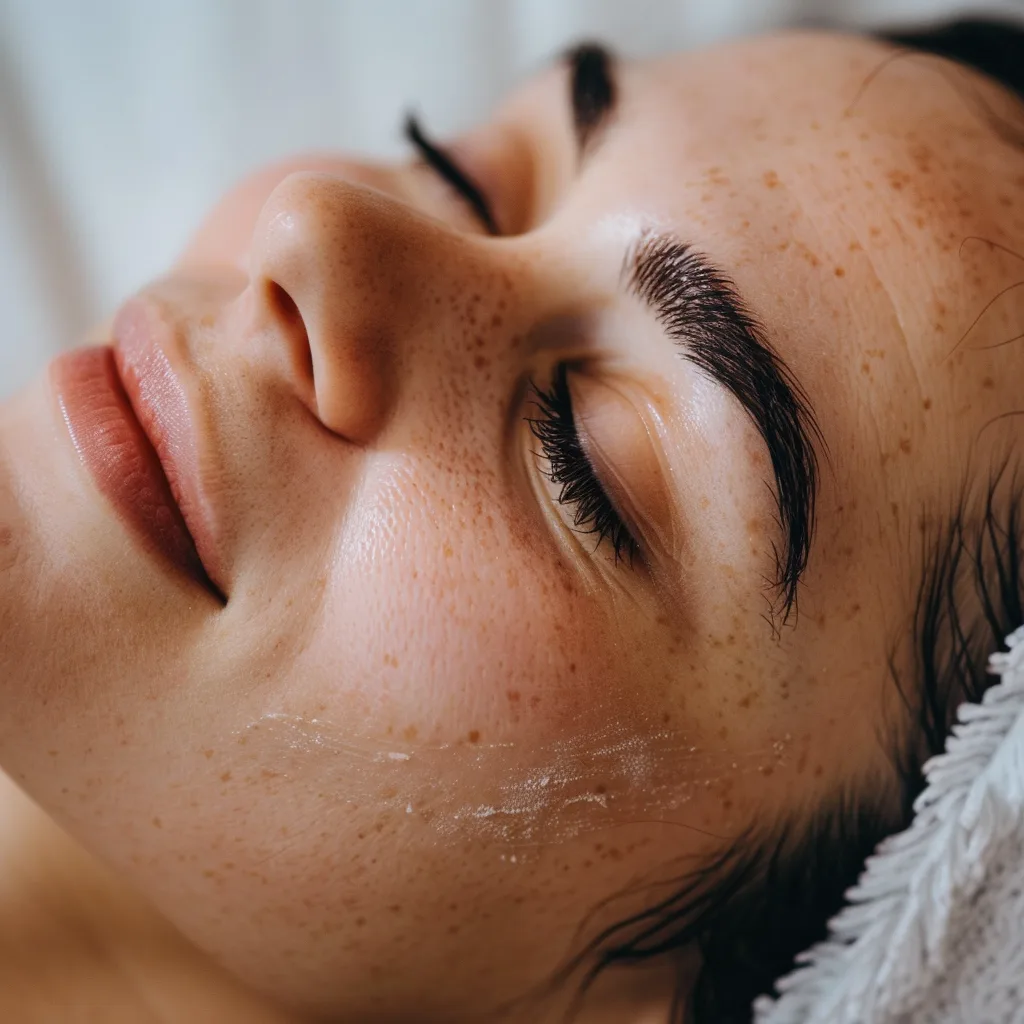
The Importance of Healthy Eyelashes
Eyelashes play an important role in protecting our eyes from dust and debris. Healthy eyelashes also frame our eyes beautifully. However, many of us struggle with brittle, sparse lashes due to factors like aging, medications, health conditions, and overuse of eyelash curlers or mascara.
Common Causes of Eyelash Damage
- Aging – oil glands produce less oil as we get older
- Medications – some blood pressure and cholesterol medications
- Health conditions – thyroid disorders, lupus, alopecia areata
- Overusing eyelash curlers – can break lashes over time
- Overusing waterproof mascara – hard to remove and can pull lashes
How to Treat Dry, Damaged Eyelashes at Home
Use a Gentle Eyelash Cleanser
Choose a gentle, sulfate-free cleanser to remove makeup without stripping oils.
Apply a Natural Oil
Try castor, olive, coconut, or almond oil. Apply along the lash line before bedtime 2-3 times per week.
Take Hair and Nail Supplements
Biotin, folic acid, fish oil, and vitamins A, C, D, and E can nourish lashes from within.
Avoid Waterproof Mascara
Switch to a nourishing, volumizing mascara that can be easily removed.
Use an Eyelash Growth Serum
Look for serums with peptides, biotin, botanicals, and amino acids to strengthen lashes.
Optimizing the Meibomian Glands for Endogenous Lash Hydration
While topical oils provide an external barrier, the most effective way to treat dry lashes is to support the body’s natural lubrication system. The meibomian glands, located along the edge of the eyelids where the lashes emerge, secrete a vital lipid layer called meibum. This oil prevents the evaporation of the eye’s tear film and naturally coats the base of each lash. When these glands become blocked or sluggish—a condition often exacerbated by heavy makeup or environmental pollutants—the lashes lose their primary source of moisture, leading to a brittle texture and premature shedding.
To rehabilitate these glands at home, estheticians recommend a daily thermal therapy routine. Applying a warm compress (ideally a dedicated eye mask filled with flaxseeds or gel beads that maintains a consistent temperature of 104°F) for five to ten minutes can liquefy hardened lipids within the glands. Following this with a very gentle lid massage—using a clean fingertip to roll downward on the upper lid and upward on the lower lid toward the lash line—encourages the flow of fresh oils. This process not only hydrates the lashes from the root but also improves the overall health of the ocular surface, creating a fertile environment for the lash follicle to thrive. For those dealing with chronic dryness, performing this routine in the evening ensures that the natural oils can coat the lashes undisturbed during the restorative sleep cycle.
The Chemistry of Repair: Peptides and Keratin Support
When lashes are physically damaged or chemically compromised, the internal protein structure—primarily keratin—is often fractured. To move beyond basic moisturization, you must look for specific signal peptides and structural proteins in your lash care products. Myristoyl Pentapeptide-17 and Biotinoyl Tripeptide-1 are two of the most researched ingredients in the esthetics industry for their ability to stimulate the keratin genes. Unlike simple oils that sit on the surface, these peptides communicate with the follicle to prolong the anagen (growth) phase of the lash cycle, allowing each hair to reach a greater length and diameter before it naturally sheds.
In addition to peptides, hydrolyzed keratin and silk amino acids are essential for topical repair. These ingredients have a low molecular weight, allowing them to fill in the microscopic gaps in a damaged lash cuticle. Think of this as a “liquid bandage” for your eyelashes. If you have recently undergone a lash lift that went wrong or left your lashes looking “fried” and curly at the tips, a keratin-based lash conditioner is your primary tool for recovery. Apply these formulas twice daily, ensuring you coat the entire length of the lash, not just the base. For an edge case where the lashes are extremely porous, look for a product containing panthenol (Pro-vitamin B5), which acts as a humectant to pull moisture into the hair shaft and hold it there, preventing the “snap” that occurs when dry lashes are touched.
Mitigating Mechanical Stress and Tool Maintenance
Mechanical damage is one of the most common, yet overlooked, reasons for lash thinning. The physical act of curling your lashes can be incredibly destructive if the tool is not maintained or used with precision. The silicone pad inside an eyelash curler is designed to provide a soft cushion; however, over time, the constant pressure creates a permanent groove in the pad. When you press down on a grooved pad, the metal rim of the curler can act like a dull blade, effectively “guillotining” or crimping the lash at a sharp angle that leads to immediate breakage. Estheticians recommend replacing these silicone pads every three months, or as soon as you see a visible indentation.
Furthermore, the habit of “lash picking” or absentmindedly rubbing the eyes during periods of stress or seasonal allergies can cause traction alopecia of the eyelashes. Each time a lash is pulled out prematurely, the follicle undergoes minor trauma. If this happens repeatedly, the follicle may eventually produce a finer, weaker hair or stop producing one altogether. To break this cycle at home, consider the “hands-off” rule: never touch your eye area unless you are cleansing it. If your eyes feel itchy, use a cold compress or lubricating eye drops rather than rubbing. Additionally, consider the friction caused by your bedding. Switching to a silk or satin pillowcase reduces the “tug” on your lashes as you toss and turn at night, which is particularly beneficial for those who sleep on their stomachs or sides and frequently press their face into the pillow.
Rehabilitation Protocols After Professional Extensions
Eyelash extensions provide an instant aesthetic boost, but the long-term use of cyanoacrylate adhesives and the weight of synthetic fibers can leave natural lashes stunted and sparse. When you decide to take a break from extensions, your lashes often enter a “rehab phase” that requires a specific protocol. The first 48 hours after removal are critical; the natural lashes are often dehydrated from the adhesive removers used by technicians. During this time, avoid all mascara and focus solely on rehydration using a fragrance-free, ophthalmologist-tested lash balm.
During the 6-to-8-week period it takes for a full natural lash cycle to complete, you may notice “gaps” where extensions were attached to lashes in the telogen (resting) phase. To manage this transition, avoid heavy, fiber-filled mascaras which can put undue weight on the already weakened follicles. Instead, use a “tubing” mascara. Tubing formulas create water-soluble polymers that wrap around each lash like a sleeve. They are significantly lighter than traditional wax-based mascaras and, most importantly, they slide off with just warm water. This eliminates the need for the vigorous rubbing or harsh solvents that often cause further lash loss during the post-extension recovery period.
Environmental Shielding and Antioxidant Protection
Just as the hair on your head suffers from sun damage and pollution, your eyelashes are susceptible to oxidative stress. UV radiation can degrade the protein bonds in the lash, leading to a lightened, brittle appearance. Similarly, exposure to chlorine in swimming pools or salt water can strip the delicate lipid coating from the lash cuticle. For those who are frequently outdoors or active in the water, an “environmental shield” is a necessary addition to the lash routine. You can create a DIY protective barrier by applying a thin layer of a high-purity Vitamin E oil or a specialized lash primer containing antioxidants like Green Tea Extract or Grape Seed Extract before heading outside.
In urban environments, particulate matter from pollution can settle on the lash line, causing low-grade inflammation that interferes with healthy growth. To combat this, ensure your evening cleansing routine is thorough but non-abrasive. If you live in a high-pollution area, consider using a lash-specific foaming cleanser that contains hypochlorous acid (HOCl). While it sounds intimidating, HOCl is a substance naturally produced by our white blood cells to fight infection and is incredibly effective at neutralizing environmental toxins and bacteria on the eyelid margin without causing dryness or irritation. This is an essential step for anyone who suffers from blepharitis (eyelid inflammation) alongside dry lashes.
Mastering the “Soak and Slide” Removal Technique
The method you use to remove your eye makeup is often more important than the products you apply afterward. Most people instinctively use a back-and-forth scrubbing motion with a cotton pad, which creates friction and physical tension on the lash roots. As an esthetician-approved alternative, adopt the “Soak and Slide” method. Saturate a lint-free cotton round with a bi-phase makeup remover or a high-quality micellar water. Press the pad firmly but gently against your closed eyelid and hold it there for a full 60 seconds. This allows the solvents to break down the waxes and pigments in your mascara without any mechanical force.
After the minute is up, use a single, slow downward motion to slide the pad away. Most of the product should transfer to the pad in one go. For any remaining residue between the lashes, use a pointed cotton swab dipped in oil-to-milk cleanser. This type of cleanser is particularly effective because it starts as an oil to dissolve stubborn debris but emulsifies into a milky liquid when it touches water, ensuring no heavy, pore-clogging film is left behind on the meibomian glands. By reducing the number of “strokes” you take to clean your eyes, you significantly decrease the daily trauma inflicted on the lash follicles, allowing them to remain in the growth phase longer.
Dietary Bioavailability: The Keratin-Building Block Approach
While the existing advice to take general supplements is helpful, targeting specific amino acids can yield more noticeable results for lash density and strength. Eyelashes are composed of over 90% protein, specifically keratin, which is rich in sulfur-containing amino acids. L-Cysteine and L-Methionine are the primary building blocks of this protein. Incorporating foods high in these specific components—such as eggs, sunflower seeds, and cruciferous vegetables like broccoli and Brussels sprouts—provides the body with the raw materials needed for lash synthesis. If you find your lashes are consistently thin despite topical treatments, a deficiency in these specific aminos may be the culprit.
Another critical element for lash integrity is silica. Often called the “beauty mineral,” silica is essential for the cross-linking of collagen and the strengthening of keratin bonds. While it is found in supplements, its bioavailability is often higher in whole food sources like bamboo shoots, horsetail tea, and even oats. Furthermore, ensure you are consuming adequate amounts of iron and zinc; iron is responsible for carrying oxygen to the hair follicles, and zinc plays a vital role in the division of the cells that create new hair. An edge case to consider: if you have recently experienced a period of high stress or a significant change in diet, your body may divert these nutrients away from “non-essential” functions like lash growth to support vital organs. During these times, increasing your intake of mineral-rich bone broths or plant-based equivalents can help maintain lash health through systemic support.
FAQs
What causes eyelashes to fall out?
Common causes include aging, health conditions, medications, overusing eyelash curlers, rubbing eyes, and harsh makeup removers.
How can I grow my eyelashes fast?
Using eyelash conditioners with peptides, taking supplements with biotin, gently massaging eyelashes with natural oils, and avoiding rubbing eyes may help eyelashes grow faster.
What home remedies help eyelashes grow?
Home remedies like olive oil, castor oil, coconut oil, vitamin E oil, and petroleum jelly can moisturize lashes. Healthy hair and nail supplements support growth from within.
Can Vaseline help eyelashes grow?
Yes, applying Vaseline (petroleum jelly) along the lash line before bedtime moisturizes and conditions lashes. Over time, regular use helps lashes grow thicker and stronger.
How can I thicken my eyelashes naturally?
A healthy diet high in protein, vitamins and minerals promotes thick eyelash growth. Natural oils, serums, avoiding rubbing eyes, and gentle cleansing helps thicken existing eyelashes.
Related posts:
 The Best Drugstore Eyelash Serums That Actually Work
 Why You Should Never Skip Removing Mascara at Night
 Is Honest Beauty’s Mascara Worth the Hype? Our Honest Review
 Ariana Grande’s Hair Savior: Why Lavender Coconut Oil Is Her Secret Weapon
 How to Safely Remove Eyelash Extensions at Home
 Finally, Mascara That Won’t Turn You Into a Panda by Noon
 Zoe Kravitz’s Coconut Oil Hair Care Secret
 Lash-Growing Mascara Options