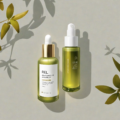
Summer is the perfect time to enjoy the great outdoors. However, before you step out, it’s essential to prepare your skin to handle the sun, heat, and humidity. Here are an MD’s top five tips for outdoor skin prep this summer.
1. Apply Broad-Spectrum Sunscreen
Sunscreen is your first line of defense against harmful UV rays. Opt for a broad-spectrum sunscreen with at least SPF 30. Apply it generously on all exposed skin areas, and reapply every two hours or after swimming or sweating. Remember, the sun’s rays can cause skin cancer and premature aging, so never skip this step.
2. Stay Hydrated
Hydration is crucial for maintaining skin health, especially in the summer heat. Drink plenty of water throughout the day to keep your skin hydrated from the inside out. Additionally, consider using a hydrating facial mist or moisturizer to combat dryness and maintain a healthy glow.
3. Wear Protective Clothing
Clothing can provide an additional layer of protection against the sun. Wear lightweight, long-sleeved shirts, wide-brimmed hats, and UV-blocking sunglasses. Fabrics with a tight weave offer better protection, and some clothing lines even offer built-in UV protection.
4. Exfoliate Regularly
Exfoliation helps remove dead skin cells, allowing your skin to breathe and absorb products better. Use a gentle exfoliator once or twice a week to keep your skin smooth and radiant. Avoid over-exfoliating, as it can lead to irritation and increased sun sensitivity.
5. Avoid Peak Sun Hours
The sun’s rays are strongest between 10 a.m. and 4 p.m. If possible, plan outdoor activities early in the morning or late in the afternoon to minimize UV exposure. If you must be outside during peak hours, seek shade whenever possible and reapply sunscreen frequently.
Advanced Antioxidant Layering for Environmental Defense
While broad-spectrum sunscreen is the cornerstone of UV protection, it is not a perfect shield. Even the highest SPF ratings allow a small percentage of photons to penetrate the dermis, where they generate reactive oxygen species (ROS). These free radicals trigger a cascade of oxidative stress that breaks down collagen and elastin fibers. To provide a secondary line of defense, an MD-recommended strategy involves the strategic layering of topical antioxidants before applying your morning sunscreen. This creates a “reservoir effect” within the skin that neutralizes free radicals on contact.
Vitamin C, specifically in the form of L-ascorbic acid at a concentration between 10% and 20%, is the gold standard for summer prep. When combined with Vitamin E (tocopherol) and Ferulic acid, the photoprotective capabilities of your sunscreen are significantly enhanced. Ferulic acid, a plant-based antioxidant, actually doubles the photoprotection capacity of Vitamins C and E. For those with oily or acne-prone skin who find traditional Vitamin C serums too heavy, look for derivatives like Sodium Ascorbyl Phosphate, which offers antimicrobial benefits alongside its antioxidant properties. Apply these serums to clean, dry skin and allow them to fully absorb for three to five minutes before moving on to your moisturizer or SPF.
Beyond Vitamin C, consider incorporating Niacinamide (Vitamin B3) into your morning routine. Niacinamide is particularly beneficial during the summer because it helps regulate sebum production, which typically increases with rising temperatures. It also strengthens the skin’s lipid barrier, reducing the transepidermal water loss (TEWL) that occurs when heat evaporates moisture from the skin surface. By stabilizing the barrier and providing antioxidant support, you prepare your skin to withstand the dual stressors of UV radiation and urban pollution.
The Science of the Skin Barrier: Combating Chlorine and Saltwater
Outdoor summer activities often involve frequent exposure to swimming pools and the ocean, both of which can be surprisingly harsh on the skin’s protective mantle. Chlorine is a powerful disinfectant that effectively strips the skin of its natural oils, leading to xerosis (extreme dryness) and potential irritant contact dermatitis. Saltwater, while rich in minerals, is hypertonic, meaning it draws moisture out of the skin cells through osmosis, leaving the complexion dehydrated and tight. To mitigate these effects, the “pre-soak and seal” method is a vital MD-approved technique.
Before entering a pool or the ocean, rinse your skin thoroughly with fresh water. Skin acts like a sponge; if it is already saturated with fresh water, it will absorb significantly less chlorinated or salt-heavy water. After rinsing, apply a thin layer of a ceramide-rich cream or a lightweight body oil. Ceramides are essential lipids that act as the “mortar” between your skin cell “bricks.” By reinforcing this barrier before immersion, you create a physical buffer that prevents chemicals and salts from penetrating deep into the stratum corneum. This is especially critical for individuals with eczema or sensitive skin, for whom chlorine can be a major flare-up trigger.
Once you exit the water, it is imperative to rinse off immediately. Allowing chlorine or salt to dry on the skin leads to prolonged irritation and further dehydration. Use a gentle, pH-balanced cleanser to remove any chemical residue without further stripping the skin. Follow up with a humectant-heavy lotion containing ingredients like hyaluronic acid or glycerin to pull moisture back into the skin, then seal it with an emollient to ensure the hydration stays locked in throughout the rest of your outdoor excursion.
Identifying and Managing Summer-Specific Dermatoses
Summer heat and humidity can trigger specific skin conditions that go beyond simple sunburn. One of the most common is Miliaria, popularly known as heat rash or prickly heat. This occurs when sweat ducts become clogged, trapping perspiration under the skin and causing small, itchy red bumps. To prevent this, focus on maintaining a cool skin temperature and wearing breathable fabrics. If a rash develops, avoid heavy ointments or oil-based creams that can further block pores; instead, use calamine lotion or a mild over-the-counter hydrocortisone cream to reduce inflammation and itching.
Another condition to be aware of is Polymorphous Light Eruption (PMLE), often referred to as a “sun allergy.” This is an immune system reaction to sunlight that typically appears as an itchy or burning red rash on the chest, arms, and lower legs. Unlike a sunburn, which affects everyone if exposure is long enough, PMLE is a specific sensitivity. If you are prone to this, a gradual hardening process—slowly increasing sun exposure over several weeks in the spring—can sometimes help the skin build tolerance. Additionally, using sunscreens that contain high levels of Tinosorb S or M can be particularly effective, as these filters provide exceptionally stable UVA protection, which is the primary trigger for PMLE.
Finally, be vigilant about Phytophotodermatitis, often called “margarita burn.” This occurs when certain plant compounds, most notably those found in limes, lemons, celery, and parsley, get on the skin and are then exposed to sunlight. The chemical reaction causes severe redness, blistering, and long-lasting hyperpigmentation. When preparing food or drinks outdoors, always wash your hands and any skin that may have come into contact with citrus juices immediately. If you notice a strange, streaky burn or dark mark after a day outside, this chemical reaction is a likely culprit and should be treated with soothing, anti-inflammatory topicals.
Strategic Product Textures: Switching from Creams to Gels
As the dew point rises, the heavy, occlusive creams that protected your skin during the dry winter months can become a liability. In high humidity, the skin’s natural sebum flow is increased, and heavy products can trap sweat and bacteria, leading to “summer acne” or folliculitis. Transitioning your skincare wardrobe toward lightweight, water-based textures is a professional-grade tip for maintaining a clear complexion. Look for “gel-creams” or “water-gels” that provide hydration through humectants like urea, panthenol, and sodium hyaluronate rather than heavy oils or butters.
This texture shift should also apply to your sun protection. If you find traditional sunscreens too greasy, explore “milk” formulations or aqueous sun-gels, which are popular in Asian skincare markets for their weightless finish. These formulations use volatile silicones or alcohol bases that evaporate quickly, leaving the UV filters behind in a thin, breathable film. For those with active lifestyles, “clear stick” sunscreens are excellent for touch-ups on the go, as they glide over the skin without the need for messy rubbing, making them ideal for the forehead and bridge of the nose where sweat tends to break down product the fastest.
Don’t forget to adjust your nighttime routine as well. While you might need a thick night cream in January, a lightweight emulsion or a hydrating serum may be sufficient in July. If you are using active ingredients like retinoids, which can be drying, consider the “sandwich method”: apply a light layer of gel moisturizer, followed by your retinoid, and then another light layer of moisturizer. This provides the necessary hydration without the heavy, pore-clogging weight of a traditional winter cream, ensuring your skin remains balanced despite the environmental heat.
Photosensitizing Agents: Medications and Skincare to Watch
Many individuals are unaware that their daily medications or evening skincare routines can dramatically increase their risk of a severe sunburn, a phenomenon known as drug-induced photosensitivity. Certain antibiotics, particularly tetracyclines (like doxycycline used for acne) and fluoroquinolones, can cause the skin to burn in a fraction of the time it normally would. Other common culprits include certain diuretics for blood pressure, non-steroidal anti-inflammatory drugs (NSAIDs) like naproxen, and even some oral contraceptives. If you are starting a new medication, always consult your physician or pharmacist about its potential for sun sensitivity.
In the realm of skincare, the very products we use to improve our skin can make it more vulnerable to the sun. Alpha-hydroxy acids (AHAs) like glycolic and lactic acid exfoliate the top layer of the skin, removing the “stratum corneum,” which provides a natural, albeit small, amount of UV protection. Studies have shown that using AHAs can increase sun sensitivity by up to 50%. Similarly, retinoids (Retinol, Tretinoin, Adapalene) increase cell turnover and can make the new skin cells more susceptible to UV damage. While you don’t necessarily need to stop these products in the summer, you must be hyper-vigilant about sun protection.
To manage this risk, consider moving your strongest actives to every other night or reducing the concentration during weeks when you know you will be spending significant time outdoors. Never apply AHAs or retinoids in the morning. Furthermore, if you are undergoing professional treatments like chemical peels or laser therapy, schedule them with the summer calendar in mind. These procedures require strict sun avoidance for at least two weeks post-treatment to prevent permanent hyperpigmentation (PIH). Prep your skin by stopping all sensitizing actives at least three to five days before a planned beach vacation or hiking trip.
Specialized Care for the Scalp, Eyelids, and Extremities
When applying sunscreen, most people focus on the face, arms, and legs, but skin cancer frequently occurs in areas that are routinely missed. The scalp is particularly vulnerable, especially along the part line or in areas of thinning hair. Since applying traditional lotion to the hair is unpleasant, look for specialized scalp SPF mists or powders. These formulations provide protection without making the hair look greasy. Alternatively, a physical barrier like a UPF-rated hat is the most reliable method for protecting the scalp and the tops of the ears.
The eyelids and the skin around the eyes are among the thinnest on the body, making them highly susceptible to photoaging and fine lines. Many people skip this area because sunscreen can sting the eyes. To solve this, look for mineral sunscreens containing zinc oxide or titanium dioxide, which are generally less irritating than chemical filters. Stick sunscreens are also excellent for the eye area because the wax-based formula is less likely to “run” into the eyes when you sweat. Additionally, ensure your sunglasses are labeled “100% UV protection” or “UV400” to protect the delicate ocular tissues and the retina from cumulative damage.
Finally, pay attention to the tops of the feet and the backs of the hands. The skin on the back of the hands is thin and has very little subcutaneous fat, making it one of the first places to show “age spots” or solar lentigines. Keep a small tube of hand cream with SPF in your car or bag and reapply after washing your hands. For the feet, remember that if you are wearing sandals or flip-flops, the entire dorsal surface of the foot is exposed. Sunburns on the feet can be particularly painful and can make wearing shoes difficult for days, so treat them with the same level of care you give your face.
Optimizing the Nighttime Recovery Routine
Preparation for the outdoors doesn’t end when you come inside; the nighttime routine is where you repair the micro-damage incurred during the day. Even without a visible burn, UV exposure triggers inflammatory markers and DNA damage. Nighttime is when the skin’s circadian rhythm shifts into “repair mode,” increasing blood flow and cell regeneration. To support this process, incorporate ingredients that soothe inflammation and provide the building blocks for barrier repair.
Look for products containing Centella Asiatica (often called Cica or Tiger Grass). This botanical ingredient is renowned for its ability to calm redness and accelerate the healing of the skin barrier. It is particularly effective after a day of heat and wind exposure. Another powerhouse for nighttime recovery is Resveratrol, an antioxidant typically found in grapes. Unlike Vitamin C, which is great for daytime protection, Resveratrol is ideal for nighttime use as it helps stimulate the body’s natural antioxidant enzymes and assists in cellular repair. Applying it at night allows it to work in tandem with the skin’s natural restorative cycles.
Lastly, consider the role of temperature in your recovery. Using a chilled sheet mask or keeping your nighttime moisturizer in the refrigerator can help constrict dilated blood vessels and lower the skin’s surface temperature, which may stay elevated for hours after sun exposure. This “after-cooling” effect reduces the duration of the inflammatory response. If your skin feels particularly parched, an overnight hydrating mask containing squalane or evening primrose oil can provide an intensive moisture boost, ensuring that you wake up with a resilient, hydrated base ready for another day of summer adventures.
FAQ
1. How often should I reapply sunscreen?
It’s recommended to reapply sunscreen every two hours or immediately after swimming or sweating. Make sure to cover all exposed areas thoroughly.
2. Can I use last year’s sunscreen?
Check the expiration date on your sunscreen. If it’s expired, it may not provide adequate protection. It’s best to start each summer with a fresh bottle.
3. How can I tell if my clothing offers UV protection?
Some clothing brands offer UV protection and will have a UPF (Ultraviolet Protection Factor) rating on the label. Otherwise, tightly woven fabrics typically provide better protection than loosely woven ones.
4. Is it necessary to exfoliate even if I have sensitive skin?
Yes, but choose a gentle exfoliator suitable for sensitive skin. Look for products with natural ingredients and avoid abrasive scrubs.
5. What are some signs that I need to hydrate more?
Signs of dehydration include dry or flaky skin, increased sensitivity, and a dull complexion. Drinking more water and using hydrating skincare products can help alleviate these symptoms.