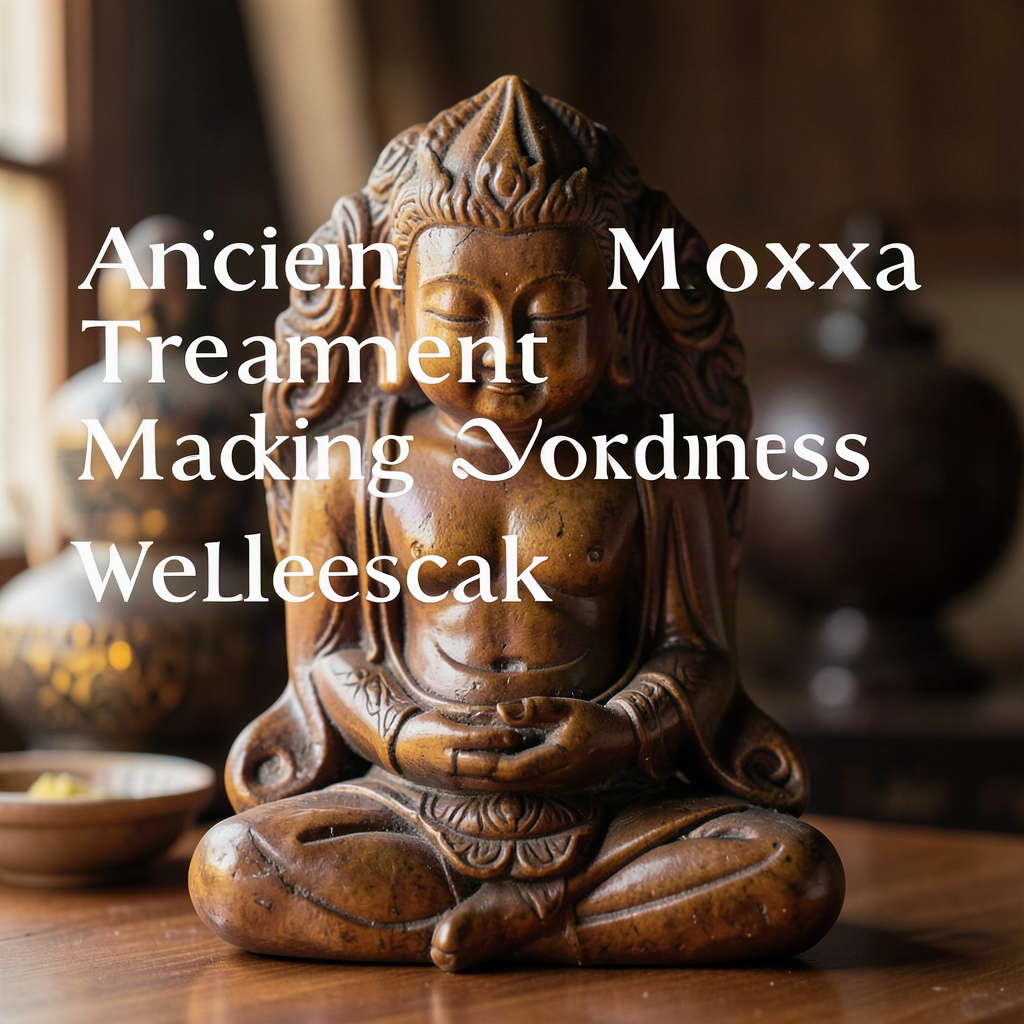
Across continents and centuries, heat therapy has held a steady place in healing traditions. One of the most distinctive forms is moxibustion, often called moxa, which involves burning dried mugwort near the skin to stimulate acupuncture points. Though its roots stretch back thousands of years in East Asian medicine, moxa is experiencing a noticeable resurgence in contemporary wellness circles. Practitioners, yoga studios, and integrative health clinics are offering moxa sessions alongside massage, aromatherapy, and mindfulness work. This renewed interest reflects a broader curiosity about low‑tech, nature‑based approaches that complement modern lifestyles without relying on pharmaceuticals.
This article explores moxa from its historical origins to its present‑day applications. It explains how the technique works, reviews what current research indicates, outlines reported benefits, and highlights safety considerations. Practical guidance is provided for locating qualified professionals, evaluating DIY options, and integrating moxa into a personal wellness routine. The piece concludes with a FAQ that addresses common questions newcomers often have. The goal is to offer a balanced, evidence‑informed overview that helps readers decide whether moxa might be a suitable addition to their self‑care toolkit.
What Is Moxa? Origins and Traditional Use
Moxibustion derives its name from the Japanese term “mogusa” and the Chinese “ai ye”, both referring to the dried leaves of Artemisia vulgaris, commonly known as mugwort. Historical texts such as the Huangdi Neijing (Yellow Emperor’s Inner Canon), compiled around the second century BCE, describe moxa as a method for treating cold and deficiency conditions. In traditional Chinese medicine (TCM), the practice is classified under “warming” therapies, used to dispel cold, move stagnant qi, and support yang energy.
Beyond China, moxa appears in Japanese, Korean, and Vietnamese healing systems. Japanese practitioners refined the technique into okyu, which uses tiny cones of moxa placed directly on the skin or on a protective barrier such as a slice of ginger or garlic. Korean folk medicine incorporates moxa in “ji‑ap” therapy, often combined with herbal poultices. Across these cultures, the core principle remains the same: applying gentle, penetrating heat to specific points to influence the body’s internal environment.
Historically, moxa was employed for a wide array of concerns, ranging from digestive discomfort and menstrual irregularities to joint stiffness and fatigue. Practitioners would select points based on a patient’s pattern diagnosis, aiming to restore balance rather than target a specific symptom in isolation. The therapy was often administered in clinics, but also in home settings where families kept a small supply of moxa sticks for occasional use.
How Moxibustion Works: The Science Behind the Heat
From a biomedical perspective, moxa delivers thermal energy to the skin and underlying tissues. The burning mugwort reaches temperatures between 50 and 60 degrees Celsius at the point of contact, sufficient to stimulate thermoreceptors and trigger local vasodilation. This increased blood flow can enhance oxygen and nutrient delivery while facilitating the removal of metabolic waste products.
Research suggests that the heat stimulus may also activate endogenous opioid pathways, leading to mild analgesia. Studies using laser doppler flowmetry have shown measurable increases in cutaneous blood flow following moxa application, with effects lasting up to thirty minutes after the heat source is removed. Additionally, the mild oxidative stress generated by the heat can induce the expression of heat‑shock proteins, which play a role in cellular protection and repair.
Beyond the thermal component, the aromatic compounds released from burning mugwort—such as cineole, camphor, and various flavonoids—may contribute to the overall experience. Inhalation of these volatiles can stimulate the olfactory system, potentially influencing mood and autonomic nervous system tone. However, the precise contribution of these aromatic elements to therapeutic outcomes remains an area of ongoing investigation.
It is important to note that moxa does not introduce any pharmacological agents into the body. Its effects are mediated purely through physical stimulation (heat) and sensory input, distinguishing it from interventions that rely on ingested or injected substances.
Modern Research: What Studies Say
In recent years, clinical interest in moxibustion has grown, resulting in a modest but expanding body of peer‑reviewed literature. Systematic reviews have examined moxa for conditions such as osteoarthritis of the knee, breech presentation in pregnancy, and chronic low‑back pain. While many trials report positive trends, the overall quality of evidence varies, with limitations including small sample sizes, lack of blinding, and heterogeneous protocols.
A 2020 Cochrane review on moxibustion for breech birth concluded that the technique may increase the likelihood of cephalic version when used alongside external cephalic version, though the authors called for larger, high‑quality trials to confirm efficacy. Similarly, a meta‑analysis of randomized controlled trials on moxa for knee osteoarthritis found modest improvements in pain scores and functional indices compared with sham controls, but highlighted the need for standardized dosing.
Experimental studies have also explored moxa’s impact on biomarkers. One investigation measuring serum interleukin‑6 levels after a course of moxa treatment observed a transient reduction, suggesting a possible modulation of inflammatory pathways. Another study using heart‑rate variability analysis noted a shift toward parasympathetic dominance during and shortly after moxa sessions, indicating a relaxation response.
Overall, the current scientific landscape suggests that moxa can produce measurable physiological changes, particularly in microcirculation and autonomic balance. However, researchers consistently emphasize that moxa should be viewed as a complementary modality rather than a standalone cure for any medical condition.
Benefits Reported by Practitioners and Users
Anecdotal evidence from clinics and wellness centers highlights several recurring themes among those who receive regular moxa treatment. Many individuals describe a sensation of deep, penetrating warmth that lingers after the session, often accompanied by a feeling of relaxation or mild euphoria. Users frequently report improved sleep quality, reduced muscle tension, and a greater sense of vitality during the day.
In the context of menstrual health, some practitioners observe that moxa applied to points such as Sanyinjiao (SP6) or Qihai (CV6) appears to help ease cramping and regulate flow, particularly when symptoms are associated with cold‑type patterns in TCM terminology. Similarly, individuals with chronic joint discomfort sometimes note decreased stiffness after a series of moxa sessions focused on local ashi points or meridian pathways related to the affected joint.
Stress‑related complaints also feature prominently in user feedback. The combination of gentle heat, aromatic mugwort, and the ritualistic nature of the treatment can create a mindfulness‑like experience, encouraging present‑moment awareness and breath regulation. Some users incorporate moxa into evening routines as a way to signal the body that it is time to wind down.
It is essential to frame these reports as subjective experiences rather than proven clinical outcomes. Individual responses vary widely, and factors such as practitioner skill, session frequency, and personal health status all influence perceived benefits.
Safety Considerations and Contraindications
When performed correctly, moxibustion is generally considered safe for most adults. Nevertheless, certain precautions are warranted to minimize the risk of adverse effects.
- Skin sensitivity: Direct contact with burning moxa can cause burns, blisters, or hyperpigmentation. Practitioners typically use a barrier such as a slice of ginger, garlic, or a special moxa box to diffuse heat and protect the epidermis.
- Pregnancy: While moxa is sometimes used to encourage fetal version in breech presentations, it should only be administered under the guidance of a qualified professional. Certain points are contraindicated during pregnancy due to their potential to stimulate uterine activity.
- Respiratory conditions: The smoke produced by burning mugwort can irritate the airways. Individuals with asthma, chronic obstructive pulmonary disease, or severe allergies should ensure adequate ventilation or consider smokeless moxa products.
- Bleeding disorders or anticoagulant therapy: Because moxa increases local blood flow, caution is advised for those with hemophilia, thrombocytopenia, or those taking blood‑thinning medications.
- Neuropathy: Patients with diminished sensation may not perceive excessive heat, increasing burn risk. In such cases, indirect methods or lower‑temperature applications are preferable.
- Infectious skin lesions: Open wounds, ulcers, or active infections at the treatment site should be avoided until healed.
Before beginning any moxa regimen, individuals should consult their primary healthcare provider, especially if they have underlying medical conditions or are taking prescription medications. A thorough intake with a licensed acupuncturist or TCM practitioner can help determine suitability and tailor the approach to individual needs.
Finding a Qualified Practitioner
Because moxa involves the application of heat and the selection of specific points, expertise matters. Look for providers who hold recognized credentials in acupuncture, traditional Chinese medicine, or a related field. In many countries, licensure requires completion of an accredited educational program, supervised clinical hours, and passing a national or state examination.
When evaluating a potential practitioner, consider asking the following questions:
- What is your formal training in acupuncture or TCM?
- How many years of experience do you have performing moxibustion?
- Do you use direct, indirect, or smokeless moxa techniques, and why?
- Can you provide references or testimonials from clients with similar health goals?
- What safety measures do you have in place to prevent burns or adverse reactions?
Professional directories maintained by acupuncture boards, TCM associations, or integrative medicine clinics often list vetted providers. Additionally, many wellness centers now offer introductory moxa sessions as part of a broader service menu, allowing prospective clients to experience the modality before committing to a longer series.
It is also advisable to verify that the practitioner maintains a clean, hygienic treatment environment. Single‑use moxa cones or disposable barriers should be employed whenever possible, and reusable tools must be properly sterilized between clients.
DIY Moxa: Guidelines for Home Use
For those interested in experimenting with moxa at home, a cautious, informed approach is essential. While professional supervision remains the safest route, certain low‑risk practices can be adopted by individuals who have received basic training or thorough instruction.
First, select the appropriate moxa product. Traditional moxa sticks (also called moxa rolls) are made of tightly packed mugwort and are designed for indirect use. Smokeless moxa, which incorporates charcoal or other substrates to reduce smoke emission, is another option for indoor settings. Avoid loose mugwort unless you have experience shaping it into cones or pellets.
Second, prepare a safe workspace. Choose a well‑ventilated area, preferably near a window or under an exhaust fan. Lay a heat‑resistant surface such as a ceramic tile or a metal tray beneath the treatment zone to catch any falling ash. Keep a small bowl of water nearby for extinguishing the moxa stick if needed.
Third, understand the technique. Indirect moxa involves holding the lit stick a few centimeters above the skin, allowing warmth to penetrate without direct contact. The practitioner typically moves the stick in small circular motions or gently taps it to maintain an even heat distribution. Sessions usually last between five and fifteen minutes per point, depending on the intended effect and individual tolerance.
Fourth, start with low intensity and short duration. Begin with a single point, such as Zu San Li (ST36) on the lower leg, and observe how your body responds. If you notice excessive heat, redness, or discomfort, discontinue immediately. Gradually increase time or frequency only if no adverse reactions occur.
Fifth, never leave a burning moxa stick unattended. Extinguish it completely by pressing the tip into the water bowl or using a snuffer before storing it away. Store moxa products in a cool, dry place out of reach of children and pets.
Finally, consider seeking a brief tutorial from a licensed practitioner before attempting DIY moxa. Many clinics offer introductory workshops that cover safety, point location, and proper technique, providing a solid foundation for home practice.
Integrating Moxa into a Wellness Routine
Moxa can serve as a complementary element within a broader self‑care strategy. Rather than viewing it as a standalone solution, think of it as one tool among many that support physical comfort, mental relaxation, and energetic balance.
One practical approach is to schedule moxa sessions after activities that tend to generate muscular tension, such as strength training, prolonged desk work, or gardening. The warming effect may help ease post‑activity stiffness and promote recovery. Pairing moxa with gentle stretching or foam rolling can enhance the overall sensation of release.
For individuals interested in mindfulness or breath work, moxa can be incorporated into the beginning or end of a meditation period. The subtle aroma and warmth can serve as a sensory anchor, helping to focus attention on the present moment. Some practitioners recommend performing a short moxa session before bedtime to encourage a shift toward parasympathetic dominance, potentially supporting better sleep onset.
When combining moxa with other modalities—such as acupuncture, massage, or herbal supplements—communication between providers is key. Inform your acupuncturist if you are receiving massage therapy on the same day, and let your massage therapist know if you have had moxa recently, as increased local circulation may affect tissue sensitivity.
Tracking your experiences in a simple journal can be helpful. Note the date, points treated, duration, any sensations felt during and after the session, and any changes in sleep, mood, or physical comfort over the following days. Over weeks or months, patterns may emerge that inform adjustments to frequency, point selection, or technique.
Ultimately, the goal is to use moxa in a way that feels supportive and sustainable, aligning with your overall health objectives and lifestyle constraints.
Moxa in Sports Recovery and Performance Enhancement
Athletes across disciplines are discovering that moxa can complement traditional recovery methods. After a highu2011intensity training session, a professional cyclist may apply indirect moxa to the hamstrings for eight minutes, noting a marked reduction in muscle tightness by the following morning. The controlled heat stimulates microcirculation, helping to clear metabolic byu2011products such as lactate more efficiently than rest alone. Coaches appreciate the modality because it does not require pharmaceutical intervention and can be woven into existing warmu2011up or coolu2011down routines without disrupting the flow of practice.
Edge cases demand careful planning. Overu2011trained athletes often exhibit heightened skin sensitivity, making direct contact with burning cones risky. In such scenarios, indirect techniques or smokeless moxa products are preferable, delivering therapeutic warmth without the irritation of smoke or flame. Individuals with compromised circulation, such as those recovering from vascular surgery, may experience muted vasodilation, requiring longer sessions or supplementary compression therapy. Patients with eczema or psoriasis need close monitoring, as the thermal stimulus can occasionally trigger flareu2011ups.
Transitioning moxa from traditional clinics to modern sports environments remains smooth when core principles are preserved. Practitioners focus on applying controlled heat to points that correspond to stressed muscle groups, tailoring intensity, duration, and point selection to the athleteu2019s current condition. By integrating moxa into postu2011activity protocols, athletes can harness the bodyu2019s natural healing pathways while maintaining performance schedules.
Realu2011world examples illustrate the versatility of the approach. A basketball team in the NBA adopted a weekly moxa routine targeting the calves and Achilles tendons, reporting decreased cramp frequency during lateu2011season games. In amateur running circles, participants often use lowu2011intensity cones on the quadriceps and IT band after long runs, noting improved flexibility and reduced soreness. These case studies highlight how moxa can be adapted to various sportu2011specific demands while preserving its fundamental warming effect.
Cultural Diffusion and Globalization: How Moxa Travels Beyond Traditional Borders
The spread of moxa beyond East Asia reflects broader trends in integrative health. In Brazil, functionalu2011medicine clinics have incorporated moxa into treatment plans for chronic fatigue and digestive disorders, often combining it with herbal medicine and acupuncture. In the United Kingdom, yoga studios now offer moxa sessions as part of mindfulnessu2011focused workshops, positioning the heat therapy as a bridge between physical and mental relaxation. Similarly, chiropractic practices in the United States are using moxa to address musculoskeletal tension, especially in patients who prefer nonu2011pharmacologic options.
Cultural adaptation frequently involves modifications to suit local preferences and safety standards. Some practitioners replace traditional ginger or garlic slices with modern silicone barriers, while others opt for smokeless moxa to reduce indoor air pollution. These adjustments help address concerns about smoke inhalation in urban settings and align with stricter building codes. However, the shift can also create challenges: practitioners must ensure that patients understand the differences between indirect and direct techniques, and that training programs reflect both classic protocols and contemporary variations.
Case studies illustrate the practical outcomes of crossu2011cultural integration. A wellness retreat in Costa Rica combines moxa with rainforest aromatherapy, using locally harvested mugwort to appeal to ecou2011conscious guests. In South Korea, hospitals now employ moxa for postoperative nausea, integrating it into evidenceu2011based perioperative pathways. In Canada, an integrative clinic offers a “Moxau2011andu2011Meditation” package that pairs heat therapy with guided breathing, catering to clients seeking holistic stress relief. These examples demonstrate how moxa can be contextualized without losing its therapeutic essence.
Looking ahead, the globalization of moxa is prompting collaborative efforts in education and regulation. International acupuncture and TCM associations are developing unified competency standards that include moxibustion training, facilitating mobility for practitioners across borders. Certification bodies are also exploring mutual recognition agreements, which could simplify licensing for therapists wishing to practice in multiple countries. Such harmonization would support the sustainable growth of moxa while preserving its traditional roots.
Comparative Heat Modalities: Moxa Versus Cupping, Infrared, and Faru2011Infrared Saunas
When evaluating heatu2011based therapies, clinicians often compare moxa with cupping, infrared (IR), and faru2011infrared saunas. Moxa delivers localized heat directly to acupuncture points, typically reaching 50u201160u00b0C at the skin surface, whereas dry cupping creates a partial vacuum that draws skin upward, producing a different sensation of suction and superficial vasodilation. IR devices emit nearu2011infrared wavelengths that penetrate a few millimeters, warming deeper tissues without the combustion component of moxa. Faru2011infrared saunas use longer wavelengths that can raise core body temperature, offering a systemic heating experience distinct from the targeted approach of moxa.
Practical decisionu2011making hinges on treatment goals and patient profiles. A patient seeking relief from chronic loweru2011back pain might benefit from moxa applied to BL23 and GV3, appreciating the deep, penetrating warmth that targets meridian pathways. In contrast, an individual with generalized muscle soreness may prefer a faru2011infrared sauna session for its wholeu2011body relaxation effect. For athletes needing rapid local recovery, moxa offers a portable, lowu2011tech solution that can be administered on the field, while IR heating pads provide convenient atu2011home use but lack the aromatic component of mugwort.
Edge cases influence modality selection. Patients with photosensitivity or a history of skin cancer may avoid IR therapies due to UV exposure risks, making moxa a safer alternative. Those with open wounds or active infections are typically excluded from direct moxa but may still benefit from indirect techniques or cupping, provided a protective barrier is used. Individuals with severe claustrophobia may find faru2011infrared saunas uncomfortable, whereas moxa can be administered in an open clinic setting. Understanding these nuances helps practitioners tailor interventions to each clientu2019s needs.
Cost and accessibility also factor into the comparison. Moxa sticks are inexpensive, have a long shelf life, and require minimal equipment, making them ideal for lowu2011resource environments. Cupping sets involve glass or silicone cups and suction pumps, representing a moderate investment. IR and faru2011infrared devices carry higher upfront costs and often require electricity, limiting their use in remote or underserved areas. As a result, moxa remains a versatile option for clinicians seeking effective heat therapy without reliance on complex technology.
Integrating Moxa with Modern Diagnostic Imaging and Biofeedback
Thermographic imaging provides a nonu2011invasive window into skin temperature patterns before and after moxa treatment. Clinicians can capture baseline thermal maps, apply moxa to selected points for 10u201115 minutes, and then repeat the scan to observe localized increases in heat that correlate with enhanced blood flow. Studies have shown that regions treated with moxa often display a 0.3u20110.5u00b0C rise in surface temperature, persisting for up to 30 minutes postu2011session. This objective data can be valuable for patient education, helping them visualize the physiological impact of a therapy that is otherwise experiential.
Biofeedback tools such as heartu2011rate variability (HRV) monitors and surface electromyography (sEMG) add another layer of quantification. During a moxa session, realu2011time HRV may shift toward higher parasympathetic activity, reflecting a relaxation response. Simultaneously, sEMG readings from adjacent muscles can show reduced electrical activity, indicating decreased tension. Practitioners can use these signals to adjust the intensity of heat or duration of application, creating a dynamic, datau2011driven approach that personalizes treatment on the fly.
Integrating these technologies into a clinical workflow requires a systematic protocol. First, obtain a baseline thermogram and HRV/sEMG reading. Next, apply moxa using standardized point selection and technique. Monitor the patientu2019s subjective comfort while recording objective metrics at intervals (e.g., 5, 10, 20 minutes). Finally, capture postu2011treatment measurements and compare them to baseline, documenting changes in temperature gradients and autonomic markers. This structured approach not only enhances treatment precision but also generates evidence that can be shared with other healthcare providers.
Edge cases present unique challenges. Patients with peripheral neuropathy may not experience the expected temperature rise, and their HRV responses can be blunted, complicating interpretation. In such instances, clinicians should rely more heavily on subjective feedback and consider adjunctive modalities like gentle massage to stimulate circulation. Additionally, individuals with pacemakers or implanted devices require careful selection of biofeedback equipment to avoid electromagnetic interference, often necessitating the use of wired, lowu2011frequency sensors that are known to be safe with implanted hardware.
Psychological and Neurobiological Impact: Stress Reduction, Mood Regulation, and Brainwave Shifts
Emerging research points to measurable psychological benefits following moxa treatment. Small pilot studies have documented reductions in salivary cortisol levels up to two hours after a session, suggesting a modulation of the hypothalamicu2011pituitaryu2011adrenal axis. Participants in a 2022 trial reported heightened feelings of calm and improved sleep quality after a series of weekly moxa applications targeting the Kidney and Bladder meridians, traditionally associated with emotional resilience in TCM theory.
The aromatic compounds released during burning mugwort, such as cineole and camphor, can stimulate olfactory pathways that influence limbic system activity. This sensory input may promote the release of serotonin and GABA, neurotransmitters linked to mood stabilization and anxiety reduction. Practitioners often incorporate moxa into mindfulness or breathu2011work routines, using the gentle warmth as an anchor that deepens concentration and facilitates a meditative state. Clients frequently describe an enhanced sense of presentu2011moment awareness during subsequent meditation sessions.
Edge cases require nuanced handling. Individuals with severe anxiety or panic disorders may find the heat stimulus overwhelming, potentially triggering a fightu2011oru2011flight response. In these situations, clinicians can employ indirect moxa techniques, lower temperatures, or limit session duration to prevent overstimulation. Patients with a history of PTSD sometimes report intrusive memories when exposed to strong thermal sensations, necessitating a collaborative approach that includes psychological support alongside physical therapy. Tailoring the protocol to the individualu2019s emotional tolerance is essential for achieving the desired calming effects.
Future directions involve more rigorous neuroimaging studies to map brainwave changes during and after moxa. Functional nearu2011infrared spectroscopy (fNIRS) and EEG could reveal shifts toward alpha and theta dominance, patterns associated with relaxed alertness. Standardized dosing guidelines for psychological outcomes would enable clinicians to prescribe moxa with confidence, similar to how acupuncture protocols are used for pain management. As the evidence base expands, moxa may become a recognized adjunctive tool in mental health care, complementing psychotherapy and pharmacotherapy with a lowu2011risk, natureu2011based intervention.
Sustainability, Ethical Sourcing, and the Future of Smokeless Moxa Production
Responsible cultivation of Artemisia vulgaris is gaining traction as demand for traditional herbs rises worldwide. Organic farms in China and Korea now employ regenerative agriculture practices, rotating crops and avoiding synthetic pesticides to preserve soil health and biodiversity. Certification bodies such as the USDA Organic and EU Organic label provide transparency for consumers concerned about environmental impact. Additionally, communityu2011based cooperatives in rural regions have begun marketing moxa as a fairu2011trade product, ensuring that harvesters receive livable wages and that profits support local infrastructure.
Ethical sourcing extends beyond cultivation to processing and distribution. Some manufacturers have adopted lowu2011impact drying methods that reduce energy consumption, while others are exploring biodegradable packaging made from mushroom mycelium. These initiatives aim to minimize the ecological footprint of each moxa stick, aligning with broader sustainability goals in the wellness industry. Transparency is reinforced through QR codes on packaging that link to farm origins and thirdu2011party audits, empowering clients to make informed choices.
The rise of smokeless moxa reflects both technological innovation and consumer demand for cleaner indoor environments. Charcoalu2011based pellets, compressed from powdered mugwort mixed with activated carbon, produce minimal smoke while retaining therapeutic heat. Biodegradable cones made from plantu2011based binders eliminate plastic waste, and portable heatu2011generating pads use controlled electric resistance to simulate the warming effect of burning herb. These alternatives are particularly valuable in urban clinics, yoga studios, and home settings where ventilation may be limited, reducing respiratory irritation for practitioners and clients alike.
FAQ
What exactly is moxa made from?
Moxa is produced from the dried leaves of the mugwort plant, Artemisia vulgaris. The leaves are harvested, dried, and then processed into various forms such as loose herb, sticks, cones, or smokeless preparations. The quality of the mugwort—its age, moisture content, and purity—can influence the heat characteristics and aroma of the final product.
Is moxa painful or likely to cause burns?
When performed correctly, moxa should produce a pleasant, warming sensation without pain. Burns are rare but possible if the heat source is held too close to the skin for too long or if a barrier is omitted. Using indirect techniques, maintaining a safe distance, and monitoring skin response greatly reduce burn risk.
Can I use moxa if I have a pacemaker or other electronic implant?
The heat and electromagnetic fields generated by burning moxa are extremely weak and are not known to interfere with pacemakers, defibrillators, or similar devices. However, if you have concerns, consult your cardiologist or the practitioner before proceeding.
How often should I receive moxa treatments for general wellness?
There is no universal frequency that fits everyone. Some individuals benefit from a weekly session, while others find monthly treatments sufficient. Factors such as personal tolerance, specific goals, and response to previous sessions should guide the schedule. Starting with a low frequency (e.g., once every two weeks) and adjusting based on how you feel is a prudent approach.
Does moxa interact with medications or supplements?
Moxa does not introduce pharmacological compounds into the body, so direct chemical interactions are unlikely. However, because moxa can increase local blood flow, it may theoretically enhance the absorption of topical medications applied nearby. If you are using prescription patches, creams, or ointments, discuss timing with your healthcare provider.
Related posts:
 Can You Really Get High Off Acupuncture? Exploring the Euphoric Effects
 Moxibustion Benefits Explained
 Why Facial Acupuncture Is This Supermodel’s Best Kept Secret For Great Skin
 Moxibustion Benefits Explained
 The Volcanic Sand Bath Experience That’s Worth Traveling For
 5 Reasons to Get Acupuncture for Pain Management
 Blow Drying Hair Without Damage: Expert Tips
 Acupuncture During Pregnancy: What You Need to Know About Fertility