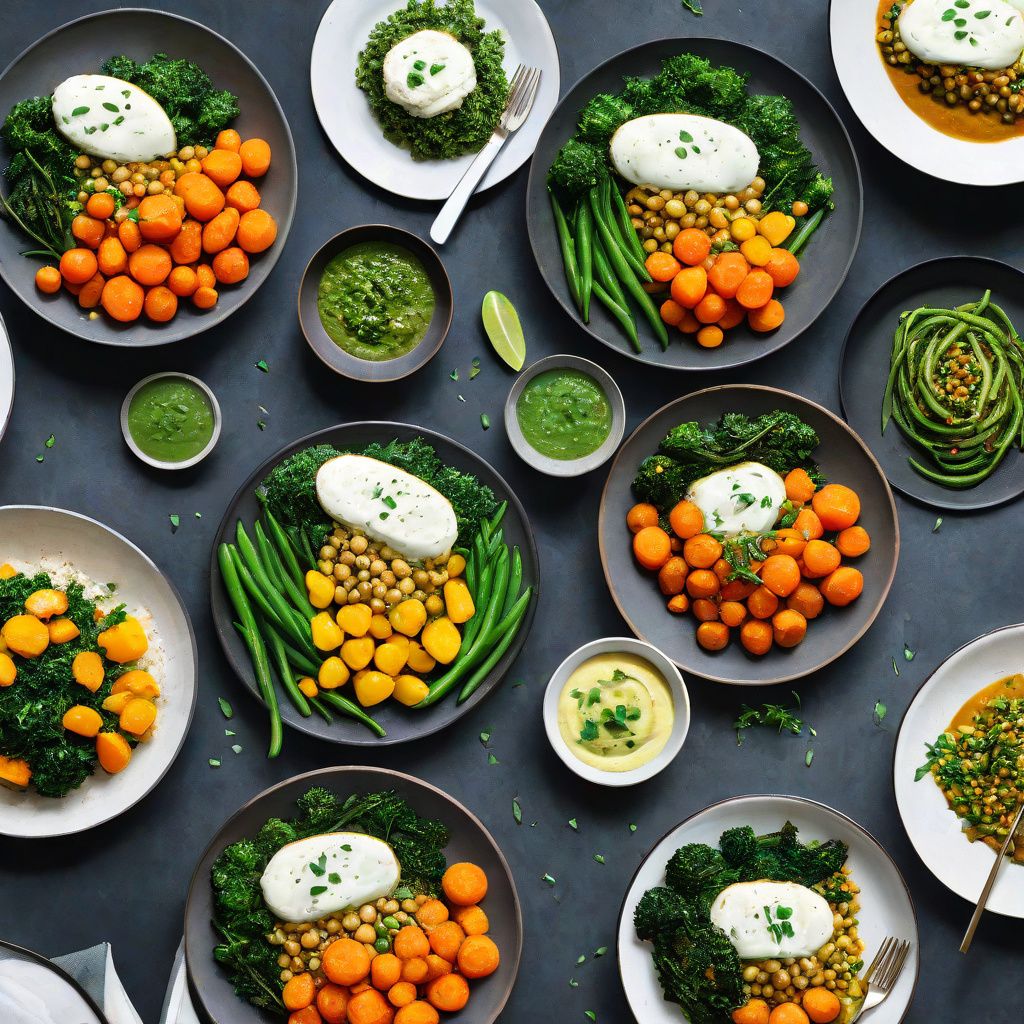
When it comes to maintaining optimal health, the foods we choose play a pivotal role. Chronic inflammation, often referred to as the silent saboteur, can contribute to various health issues, from joint pain to heart disease. Fortunately, incorporating anti-inflammatory ingredients into your meals can help combat this process. For vegetarians, navigating flavorful and nutrient-dense dinner options can feel daunting, but fear not—this collection of 7 recipes proves that plant-based meals can be both healing and satisfying.
Key takeaways
- Incorporate turmeric with black pepper to significantly increase curcumin absorption and maximize anti-inflammatory benefits.
- Use batch cooking for grains and legumes to streamline meal prep and save time during the busy work week.
- Swap ingredients seasonally to lower costs and boost nutrient density by choosing fresh, local produce.
- Adapt recipes for dietary needs by substituting allergens like nightshades or gluten with nutrient-rich alternatives.
Each dish below is crafted to highlight powerful anti-inflammatory ingredients like turmeric, leafy greens, omega-3-rich nuts, and antioxidant-packed colorful vegetables. These recipes are not only delicious but also designed to support your body’s natural ability to reduce inflammation and boost wellness. Whether you’re a seasoned vegetarian or exploring plant-based eating, these dinners will become staples in your kitchen rotation.
Quinoa and Roasted Veggie Bowl
This vibrant bowl combines protein-rich quinoa with a medley of roasted sweet potatoes, bell peppers, and chickpeas, all tossed in a creamy turmeric tahini dressing. The anti-inflammatory powerhouses in this recipe include turmeric, which contains curcumin, and sweet potatoes, loaded with beta-carotene and fiber. The tahini adds healthy fats from sesame seeds, while the chickpeas provide plant-based protein and fiber.
Ingredients: 1 cup quinoa, 2 cups water, 1 medium sweet potato (diced), 1 red bell pepper (sliced), 1/2 cup chickpeas, 2 tbsp olive oil, 1 tsp turmeric, 2 tbsp tahini, 1 tbsp lemon juice, 1 clove garlic (minced), salt and pepper to taste.
Instructions: Preheat oven to 400°F (200°C). Toss sweet potatoes and bell peppers with 1 tbsp olive oil, half the turmeric, and salt. Roast for 20-25 minutes. Meanwhile, cook quinoa in water for 15 minutes. In a small bowl, whisk tahini, lemon juice, garlic, remaining turmeric, and 1 tbsp olive oil. Combine all ingredients in a bowl and serve warm.
Lentil and Sweet Potato Curry
Hearty and filling, this curry blends red lentils with sweet potatoes and aromatic spices like turmeric, ginger, and cumin. Lentils are an excellent source of plant-based protein and fiber, while sweet potatoes provide complex carbohydrates and antioxidants. The spices not only enhance flavor but also reduce inflammation through their bioactive compounds.
Ingredients: 1 cup red lentils, 1 large sweet potato (peeled and cubed), 1 can coconut milk, 1 onion (chopped), 3 cloves garlic (minced), 1 tbsp fresh ginger (grated), 1 tsp turmeric, 1 tsp cumin, 1/2 tsp coriander, 2 cups vegetable broth, 2 tbsp coconut oil, salt to taste.
Instructions: Heat coconut oil in a pot. Sauté onion, garlic, and ginger until fragrant. Add spices and stir for 1 minute. Add lentils, sweet potatoes, coconut milk, and broth. Simmer for 25-30 minutes until lentils are tender. Adjust seasoning and serve with brown rice.
Grilled Portobello Mushroom Steaks with Herb Dressing
Juicy and umami-rich, these grilled mushroom steaks are a satisfying main course. Portobello mushrooms are packed with antioxidants like glutathione, while the herb dressing uses olive oil, lemon, and fresh herbs for a burst of flavor and anti-inflammatory benefits. This dish is perfect for a quick weeknight meal or a weekend cookout.
Ingredients: 4 large portobello mushroom caps, 1/4 cup olive oil, 2 tbsp lemon juice, 2 tbsp fresh parsley (chopped), 1 tbsp fresh basil (chopped), 1 clove garlic (minced), salt and pepper to taste.
Instructions: Preheat grill to medium-high. Brush mushrooms with olive oil and season with salt and pepper. Grill for 4-5 minutes per side. In a small bowl, whisk lemon juice, herbs, garlic, and a pinch of salt. Drizzle over mushrooms before serving.
Chickpea and Spinach Stew
This one-pot stew combines chickpeas, spinach, and tomatoes simmered in a fragrant turmeric and garlic base. Spinach is rich in vitamins A and C, while chickpeas offer fiber and protein. Turmeric’s anti-inflammatory properties make this dish a gut-friendly option that’s ready in under 30 minutes.
Ingredients: 1 can chickpeas (drained), 2 cups fresh spinach, 1 can diced tomatoes, 1 onion (chopped), 3 cloves garlic (minced), 1 tsp turmeric, 1/2 tsp cumin, 1 cup vegetable broth, 1 tbsp olive oil, salt to taste.
Instructions: Heat olive oil in a pot. Sauté onion and garlic until soft. Add spices and stir for 1 minute. Add tomatoes, chickpeas, and broth. Simmer for 15 minutes. Stir in spinach and cook until wilted. Season with salt and serve with naan or quinoa.
Baked Falafel with Tzatziki and Roasted Vegetables
Crispy baked falafel made from antioxidant-rich herbs like parsley and cilantro, served with a cooling tzatziki and roasted zucchini and eggplant. The vegetables provide fiber and vitamins, while the falafel offers plant-based protein and healthy fats from olive oil and tahini in the tzatziki.
Ingredients: 1 cup dried chickpeas (soaked overnight), 1/2 cup fresh parsley, 1/2 cup fresh cilantro, 3 cloves garlic, 1 tsp cumin, 1/2 tsp coriander, 1/4 tsp baking soda, 2 tbsp olive oil, salt to taste. For tzatziki: 1 cup Greek yogurt, 1/2 cucumber (grated), 1 clove garlic (minced), 1 tbsp lemon juice, 1 tbsp dill.
Instructions: Preheat oven to 375°F (190°C). Blend chickpeas, herbs, garlic, spices, and baking soda into a paste. Form into patties and bake for 25 minutes. For tzatziki, mix all ingredients and chill. Serve with roasted zucchini and eggplant.
Butternut Squash and Black Bean Enchiladas
Stuffed with a filling of spiced black beans and roasted butternut squash, these enchiladas are a feast for the senses. Butternut squash is rich in beta-carotene, and black beans provide fiber and protein. The spices like cumin and chili powder add warmth and anti-inflammatory benefits.
Ingredients: 2 cups roasted butternut squash, 1 can black beans (drained), 1 cup corn, 1 tsp cumin, 1/2 tsp chili powder, 8 corn tortillas, 2 cups enchilada sauce, 1/2 cup shredded cheese (or vegan alternative).
Instructions: Preheat oven to 375°F (190°C). Mix squash, beans, corn, and spices. Warm tortillas and fill with mixture. Roll up and place in a baking dish. Cover with enchilada sauce and cheese. Bake for 25 minutes until bubbly.
Turmeric-Spiced Coconut Milk Rice with Steamed Broccoli
Golden turmeric rice paired with steamed broccoli creates a simple yet powerful anti-inflammatory meal. Turmeric’s curcumin is known for its potent anti-inflammatory effects, while broccoli provides sulforaphane, a compound that supports detoxification. This dish is quick to prepare and pairs well with a variety of plant-based proteins.
Ingredients: 1 cup basmati rice, 1 1/2 cups coconut milk, 1/2 tsp turmeric, 1 tbsp coconut oil, 2 cups broccoli florets, salt to taste.
Instructions: Rinse rice and cook in coconut milk with turmeric and salt for 15 minutes. Steam broccoli until tender. Serve rice topped with broccoli and a drizzle of coconut oil.
Nutritional Highlights and Macro Breakdown for Each Recipe
Understanding the macro and micronutrient profile of each dinner helps you tailor portions to personal goals such as muscle maintenance, blood‑sugar stability, or weight management. The quinoa bowl delivers roughly 18 g of protein, 45 g of complex carbohydrate, and 12 g of healthy fat per serving, largely from tahini and olive oil. The lentil curry provides about 22 g of protein and 15 g of fiber, thanks to red lentils and sweet potato, while the coconut milk contributes medium‑chain triglycerides that support ketone production. Portobello steaks are lower in protein at 5 g per cap but supply 3 g of ergothioneine, a unique antioxidant linked to mitochondrial protection. The chickpea stew offers 14 g of protein and 10 g of fiber, with spinach adding 150 % of the daily value for vitamin K. Baked falafel contributes 13 g of protein and 9 g of fat, mostly from the olive oil in the tzatziki; using a soy‑based yogurt keeps saturated fat under 2 g. Enchiladas bring 16 g of protein and 12 g of fiber, with butternut squash supplying over 200 % of the vitamin A requirement. Finally, turmeric rice with broccoli yields 7 g of protein, 55 g of carbohydrate, and 8 g of fat, while broccoli adds sulforaphane at roughly 30 mg per cup. Tracking these numbers in a food‑logging app lets you adjust portion sizes without guesswork.
- Use a kitchen scale for the first week to verify serving weights.
- Log each meal in a spreadsheet to spot trends in fiber or omega‑3 intake.
- Pair lower‑protein dishes with a side of hemp seeds or edamame for a quick boost.
Meal Prep Strategies: Batch Cooking, Portioning, and Freezing
Efficient meal prep turns a week of dinners into a single cooking session. Start by cooking grains and legumes in bulk: prepare 3 cups of quinoa, 2 cups of brown rice, and 2 cups of red lentils on Sunday. Store each in airtight containers with a thin layer of olive oil on top to prevent surface drying. Roast a full tray of sweet potatoes, bell peppers, zucchini, and eggplant at 400 °F; the vegetables keep texture for up to four days in the fridge and three months in the freezer when spread on a parchment sheet before bagging. For the curry and stew, double the recipe and portion into 2‑cup freezer‑safe jars; leave ½ inch headspace for expansion. Falafel patties freeze beautifully raw; place them on a baking sheet, freeze solid, then transfer to a zip‑top bag. When ready, bake from frozen adding five extra minutes. Enchiladas assemble well ahead: fill tortillas, roll, and freeze in a single layer before topping with sauce and cheese. Thaw overnight in the refrigerator and bake as directed. Turmeric rice reheats best with a splash of coconut milk to restore creaminess. Label every container with the preparation date and a “use‑by” note (typically 4 days fridge, 3 months freezer). A weekly “prep audit” on Friday helps you rotate stock and avoid waste.
- Invest in a set of uniform glass containers for stackable storage.
- Pre‑portion sauces (tahini dressing, tzatziki, enchilada sauce) into 2‑tablespoon jars.
- Use a vacuum sealer for long‑term freezer items to prevent freezer burn.
Adapting Recipes for Common Dietary Restrictions
Flexibility ensures the dinners remain inclusive for guests or family members with allergies, intolerances, or specific health protocols. For gluten‑free needs, all recipes are naturally compliant except the enchiladas; simply verify that corn tortillas are certified gluten‑free and use a gluten‑free enchilada sauce. Low‑FODMAP eaters can reduce onion and garlic by substituting the green tops of scallions and garlic‑infused oil, which retain flavor without the fructans. Replace chickpeas in the stew and falafel with canned lentils (rinsed well) to lower galacto‑oligosaccharides. Nut‑free households should swap tahini for sunflower seed butter in the quinoa dressing and use pumpkin seed oil instead of olive oil for the herb drizzle. For a soy‑free version, choose coconut‑based yogurt for tzatziki and omit any soy‑based cheese in the enchiladas. If nightshade sensitivity is a concern, replace bell peppers and tomatoes with roasted carrots and beets; the color and sweetness remain while eliminating solanine. For a ketogenic approach, replace quinoa and rice with cauliflower rice, increase the fat portion (extra avocado, MCT oil), and keep protein moderate by adding tempeh or tofu. Always test a small batch first, as ingredient swaps can alter moisture balance and cooking time.
- Keep a “swap cheat sheet” on the fridge for quick reference.
- Use a dedicated cutting board for allergen‑free prep to avoid cross‑contact.
- Document successful modifications in a shared family cookbook.
Flavor Layering Techniques to Maximize Anti‑Inflammatory Compounds
Beyond simply adding turmeric, strategic layering amplifies bioavailability and sensory depth. Begin each dish with a fat‑soluble base: heat coconut oil or olive oil, then bloom whole spices (cumin seeds, mustard seeds, coriander) for 30 seconds before adding aromatics. This releases volatile oils that carry curcumin into the lipid phase. Follow with a splash of acid (lemon juice, apple cider vinegar) at the end of cooking to brighten flavors and stabilize anthocyanins in colorful vegetables. Incorporate fresh herbs in two stages: sturdy herbs like rosemary and thyme early for infusion; delicate herbs such as parsley, cilantro, and dill stirred in off‑heat to preserve vitamin C and volatile phenolics. Add a pinch of black pepper (piperine) whenever turmeric appears; research shows a 2000 % increase in curcumin absorption. For an extra polyphenol boost, finish with a drizzle of high‑phenolic extra‑virgin olive oil or a sprinkle of ground flaxseed. Toast nuts and seeds separately and sprinkle just before serving to retain crunch and prevent oxidation. When reheating, add a fresh squeeze of citrus and a dash of raw honey (if not vegan) to revive dulled flavors and restore some enzymatic activity lost during storage.
- Bloom spices in a cold pan, then heat gradually to avoid burning.
- Use a microplane for ginger and turmeric to maximize surface area.
- Store fresh herbs in a jar of water covered loosely with a bag to extend life.
Seasonal Ingredient Swaps and Cost‑Effective Sourcing
Aligning recipes with seasonal produce improves nutrient density, flavor, and budget. In spring, replace sweet potatoes with asparagus and peas in the quinoa bowl; both cook quickly and supply folate. Summer brings abundant zucchini, corn, and heirloom tomatoes — perfect for the enchilada filling and the chickpea stew. Autumn favors butternut squash, pumpkin, and kale; use kale instead of spinach for a heartier texture and higher calcium. Winter root vegetables — carrots, parsnips, turnips — roast beautifully alongside portobello caps. Purchase bulk dried lentils, chickpeas, and quinoa from warehouse clubs or ethnic markets; a 25‑lb bag of red lentils costs under $30 and lasts months. Join a community‑supported agriculture (CSA) box for weekly deliveries of organic greens and herbs at a fraction of grocery prices. Freeze surplus herbs in ice‑cube trays with olive oil for instant flavor cubes. When fresh turmeric root is in season, grate and freeze in 1‑teaspoon portions; the curcumin content remains stable for six months. For cost‑conscious cooks, canned coconut milk can be diluted 1:1 with water for the rice dish without sacrificing creaminess. Track price per serving in a simple spreadsheet to identify the most economical swaps over time.
- Visit farmers markets late in the day for discounted “last‑call” produce.
- Buy spices in bulk bins; a 4‑oz jar of cumin lasts a year.
- Grow a windowsill herb garden for parsley, basil, and mint year‑round.
Kitchen Tools and Time‑Saving Hacks for Plant‑Based Cooking
The right equipment reduces active cooking time and improves consistency. A high‑speed blender (minimum 1000 W) turns soaked chickpeas, herbs, and spices into a smooth falafel batter in 30 seconds, eliminating the need for a food processor. An immersion blender purees the lentil curry directly in the pot, cutting cleanup. A 6‑quart pressure cooker cooks dried beans and lentils in 12 minutes without pre‑soak; use the “bean” setting and natural release for perfect texture. A mandoline slicer creates uniform sweet‑potato rounds for even roasting and attractive presentation. Silicone baking mats replace parchment for the falafel and roasted vegetables, are reusable, and prevent sticking without added oil. A micro‑plane grater yields fine turmeric and ginger particles that disperse evenly in dressings. For portion control, a ½‑cup scoop and a ¼‑cup measure standardize grain and sauce servings. Batch‑cook grains in a rice cooker with a “keep warm” function; the appliance switches off automatically, freeing stove space. Clean as you go: place a bowl for scraps, a sink of soapy water for utensils, and a towel for wiping surfaces. Finally, a magnetic spice jar rack on the fridge keeps anti‑inflammatory staples (turmeric, cumin, coriander, cinnamon) visible and within reach, encouraging daily use.
- Calibrate your oven with an inexpensive thermometer for accurate roasting temps.
- Use a timer app with multiple alarms for simultaneous components.
- Store pre‑measured spice blends in labeled jars for one‑shake seasoning.
FAQ
What are the key anti-inflammatory ingredients in these recipes? The recipes feature turmeric, ginger, leafy greens, colorful vegetables, healthy fats from olive oil and nuts, and spices like cumin and coriander. These ingredients are rich in antioxidants, polyphenols, and omega-3 fatty acids, which help reduce systemic inflammation.
Can these recipes be made vegan? Yes! Most recipes are naturally vegan. For the falafel tzatziki, substitute Greek yogurt with a plant-based alternative like coconut yogurt. The enchiladas can use vegan cheese, and all other recipes are dairy-free.
How often should I eat anti-inflammatory meals? Aim for at least 5-7 anti-inflammatory meals per week. Focus on whole foods, minimize processed items, and include a variety of colorful vegetables and herbs in your diet.
Are these recipes suitable for meal prep? Absolutely! Most dishes freeze well or can be prepped in advance. The lentil curry, falafel, and enchiladas are excellent for batch cooking. Store components separately to maintain freshness.
Do these recipes address specific health conditions? While these meals support general wellness and may help reduce inflammation, they are not substitutes for medical treatment. Individuals with chronic conditions should consult healthcare professionals for personalized dietary advice.
Embracing these anti-inflammatory vegetarian dinners is a delicious journey toward better health. Each recipe is a celebration of plant-based nutrition, offering versatility and flavor to keep your meals exciting. Start with one dish this week and discover how food can be a powerful ally in your wellness journey.
Related posts:
 Chickpea Rice Is Here to Replace Your Grain Game
 Golden Summer: Creative Turmeric Recipes to Spice Up Your Season
 Candice Kumai’s Healthy Turmeric Fried Rice Recipe
 Creative Vegan Zucchini Recipes You’ll Actually Crave
 Zoe Kravitz’s Coconut Oil Hair Care Secret
 Rice Revealed: Is This Pantry Staple Actually Good for You
 One Pan Wonder: The Fried Rice Recipe That Will Change Your Meal Prep Game
 The Slow Beauty Movement’s Secret Hydration Recipes