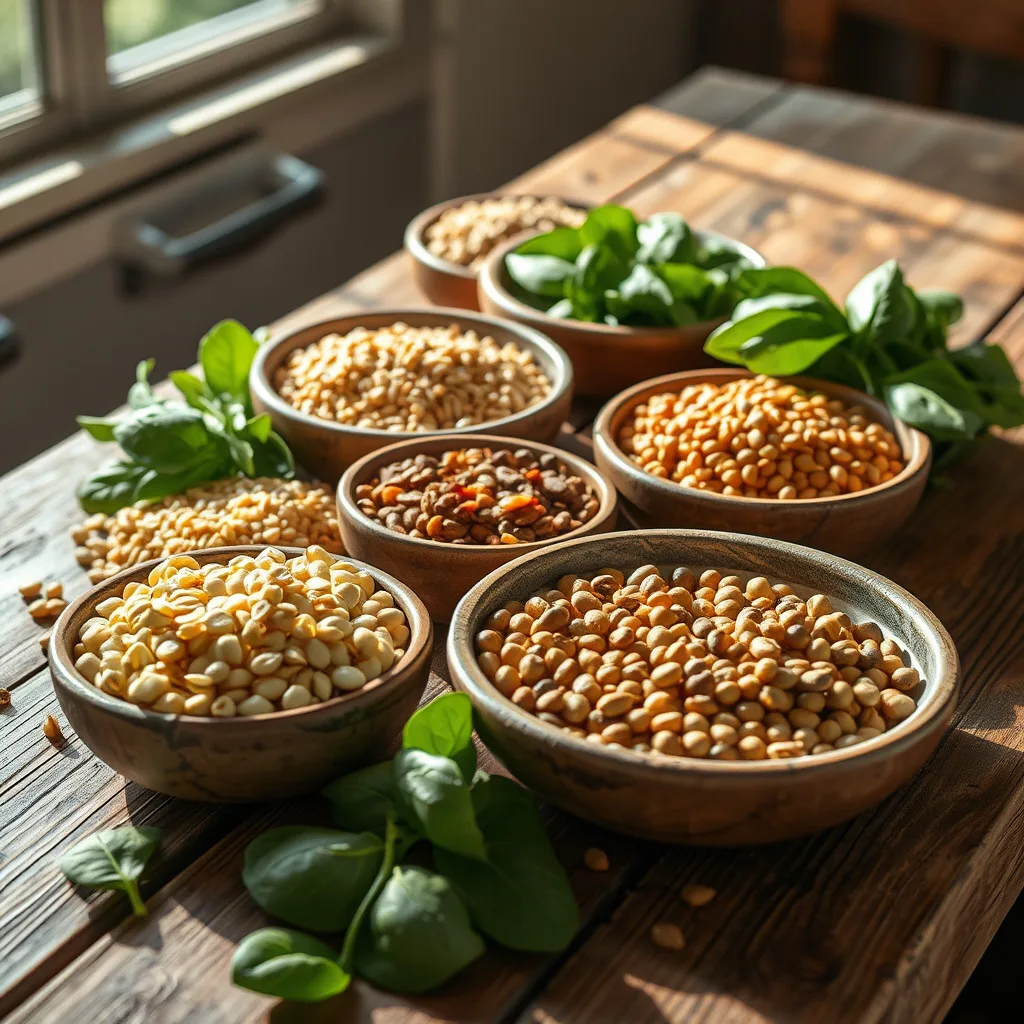
Anti-nutrients are naturally occurring compounds found in many plant‑based foods that can interfere with the absorption or utilization of nutrients. While the term sounds alarming, understanding how these substances work, which foods contain them, and how to manage their effects can help you enjoy a balanced diet without unnecessary worry.
Key takeaways
- Soak, sprout, or ferment grains and legumes to significantly reduce phytic acid and improve mineral absorption.
- Boil cruciferous vegetables and legumes to deactivate compounds like goitrogens and lectins, making them safer for digestion.
- Rotate protein sources and include diverse plant foods to prevent excessive exposure to any single anti-nutrient.
- Consult a healthcare professional if you have specific mineral deficiencies, kidney stones, or thyroid concerns.
What Are Anti‑Nutrients?
Anti‑nutrients are chemical compounds that, in certain contexts, reduce the bioavailability of vitamins, minerals, or other beneficial nutrients. They are not toxins; rather, they are part of a plant’s defense system against pests, pathogens, and environmental stress. Common anti‑nutrients include phytic acid, oxalates, tannins, lectins, and goitrogens.
Why Plants Produce Anti‑Nutrients
Plants have evolved anti‑nutrients for three main reasons:
- Protection from herbivores: Bitter or astringent compounds deter animals from eating the plant.
- Regulation of mineral storage: Compounds like phytic acid store phosphorus for the seed’s germination.
- Stress response: Certain anti‑nutrients increase when a plant experiences drought or disease, helping it survive adverse conditions.
Because these compounds serve vital roles for plants, they are present in a wide range of everyday foods, from grains and legumes to leafy greens and nuts.
Major Types of Anti‑Nutrients and Their Effects
Below is a concise overview of the most frequently discussed anti‑nutrients, the foods where they appear, and the potential nutritional impact.
| Anti‑nutrient | Typical Sources | Primary Interaction |
|---|---|---|
| Phytic Acid (Phytate) | Whole grains, seeds, legumes, nuts | Chelates minerals such as iron, zinc, calcium, and magnesium, reducing their absorption. |
| Oxalates | Spinach, beet greens, rhubarb, nuts, chocolate | Can bind calcium, forming calcium oxalate crystals; may contribute to kidney stone formation in susceptible individuals. |
| Tannins | Tea, coffee, legumes, some fruits (e.g., grapes, pomegranates) | Form complexes with iron and protein, lowering iron absorption and sometimes causing astringent mouthfeel. |
| Lectins | Raw beans, lentils, peanuts, whole grains, tomatoes | Bind to carbohydrate structures on cell surfaces; high amounts can irritate the gut lining, though most are deactivated by cooking. |
| Goitrogens | Cruciferous vegetables (broccoli, cabbage, kale), soy products | Interfere with iodine uptake by the thyroid gland, potentially affecting thyroid hormone production. |
How Significant Is the Impact?
For most healthy adults eating a varied diet, the presence of anti‑nutrients is unlikely to cause a nutrient deficiency. The body has adaptive mechanisms—such as increased intestinal absorption efficiency—that compensate for moderate reductions in bioavailability. However, certain populations (e.g., vegans, people with mineral deficiencies, or individuals prone to kidney stones) may benefit from strategies that reduce anti‑nutrient load.
Cooking and Processing Techniques That Reduce Anti‑Nutrients
Many anti‑nutrients are water‑soluble or heat‑sensitive. Simple culinary practices can dramatically lower their concentrations:
- Soaking: Soaking beans, lentils, nuts, and seeds for 6‑12 hours (or overnight) and discarding the soaking water can reduce phytic acid by up to 50 %.
- Sprouting: Allowing grains, legumes, or seeds to sprout activates phytase enzymes, which break down phytate. A 2‑3‑day sprout can cut phytic acid levels by 30‑70 %.
- Fermentation: Fermented foods such as tempeh, sourdough bread, and kimchi contain microbes that produce phytase, further degrading phytate.
- Boiling and blanching: Boiling leafy greens (e.g., spinach) for 5‑10 minutes reduces oxalate content by roughly 30‑40 %. Blanching cruciferous vegetables can lower goitrogen levels.
- Roasting and dry‑heat cooking: High temperatures deactivate most lectins. For example, boiling beans for 10‑15 minutes before simmering eliminates the majority of lectins.
Combining methods—such as soaking followed by cooking—offers the greatest reduction.
Practical Meal Planning Tips
Here are actionable steps you can incorporate into weekly meal prep to manage anti‑nutrient intake while preserving the nutritional benefits of plant‑based foods:
- Rotate protein sources: Alternate between legumes, tofu, tempeh, and animal proteins. This prevents excessive exposure to any single anti‑nutrient.
- Use a soaking schedule: Designate a bowl in the refrigerator for overnight soaking of beans, nuts, and seeds. Rinse and cook them the next day.
- Include fermented sides: Pair a bowl of cooked quinoa with a tablespoon of kimchi or a slice of sourdough toast. The fermentation helps neutralize phytate.
- Combine calcium‑rich foods with low‑oxalate choices: If you enjoy spinach smoothies, add calcium‑rich dairy or fortified plant milks, and balance with low‑oxalate greens like kale.
- Mind iodine intake with goitrogens: If you regularly eat large amounts of cruciferous veg, ensure you use iodized salt or include seaweed snacks a few times per week.
- Cook beans thoroughly: Bring beans to a rolling boil for at least 10 minutes before reducing heat to simmer. This eliminates most lectins.
When to Seek Professional Guidance
While most people can manage anti‑nutrients through culinary techniques, consider consulting a registered dietitian or healthcare professional if you:
- Have a diagnosed iron, zinc, or calcium deficiency.
- Experience recurrent kidney stones, especially calcium oxalate stones.
- Have a thyroid condition and consume large amounts of goitrogenic foods.
- Follow a strict vegan or vegetarian diet and are concerned about mineral status.
A professional can recommend targeted supplementation, blood testing, or personalized food preparation methods.
Balancing the Benefits and Drawbacks
Anti‑nutrients are not inherently bad. Many have antioxidant, anti‑inflammatory, or anticancer properties. For example, tannins in tea provide polyphenols that support heart health, and phytic acid may have protective effects against certain cancers. The goal is not to eliminate them but to enjoy them in a context that supports overall nutrient adequacy.
Traditional Culinary Practices Around the World That Mitigate Anti‑Nutrients
Long before modern nutrition science, cultures discovered ways to neutralise or even harness anti‑nutrients through time‑tested preparation methods. These practices often arise from necessity—maximising nutrient yield from locally available staples—yet they illustrate a sophisticated, empirical understanding of food chemistry.
Nixtamalisation in Mesoamerica
In Mexico and Central America, dried maize kernels are cooked in an alkaline solution of water and calcium hydroxide (commonly called lime) and then steeped for several hours. This process, known as nixtamalisation, achieves three crucial outcomes:
- Phytate breakdown: The high pH activates endogenous phytase, dramatically reducing phytic acid and liberating bound zinc and iron.
- Niacin bioavailability: Calcium hydroxide converts bound niacin (vitamin B3) into a free form, preventing pellagra—a disease historically linked to maize‑based diets.
- Improved protein quality: The alkaline environment softens the protein matrix, enhancing digestibility and allowing the formation of a dough‑like masa for tortillas.
Modern industrial corn‑processing sometimes skips nixtamalisation, which is why fortified corn‑meal products are common in North America.
Fermented Soy in East Asia
Traditional soy foods such as tempeh, miso, and natto rely on specific microbial cultures that secrete phytase and proteases. The result is a multi‑layered reduction of anti‑nutrients:
- Phytic acid is hydrolysed, increasing mineral absorption.
- Lectins are partially degraded, lessening gut irritation.
- Isoflavones are transformed into more bioactive forms, providing estrogen‑like activity that may protect against bone loss.
These foods also contribute live microbes that can modulate the gut microbiome, a benefit discussed later.
Injera and Other Sourdough‑Based Products
Ethiopian injera is a fermented flatbread made from teff, sorghum, or barley. The spontaneous lactic‑acid fermentation lowers pH, which activates endogenous phytases and also creates organic acids that chelate minerals, further loosening phytate complexes. The resulting bread is high in iron and calcium despite being made from traditionally “low‑mineral” grains.
Indian Soaking and Sprouting Rituals
In many Indian households, lentils, chickpeas, and mustard seeds are soaked overnight with a pinch of turmeric or fenugreek. The addition of these spices introduces mild acids and enzymes that accelerate phytate hydrolysis. After soaking, the seeds are often sprouted for 1–3 days before cooking. Sprouting not only reduces anti‑nutrients but also raises levels of vitamin C and B‑complex vitamins, which further aid mineral uptake.
Fermented Porridges in Africa
In West Africa, millet or sorghum is soaked, ground, and left to ferment for up to 48 hours, producing a sour porridge called ogi or koko. The lactic‑acid bacteria generate phytase and also produce organic acids that improve calcium solubility. The final product is a staple that supplies adequate iron and zinc for children in low‑resource settings.
These traditional methods demonstrate that anti‑nutrient management is not a modern invention but a cultural heritage that can be integrated into contemporary cooking.
How Anti‑Nutrients Interact with Proteins, Carbohydrates, and the Gut Microbiome
Beyond mineral chelation, many anti‑nutrients influence macronutrient digestion and the microbial ecosystem within the intestine. Understanding these interactions helps fine‑tune dietary strategies for athletes, patients, and anyone seeking optimal performance.
Lectins and Protein Digestibility
Lectins bind to specific carbohydrate motifs on the surface of epithelial cells, which can interfere with the action of proteolytic enzymes. In vitro studies show that high lectin concentrations can reduce the breakdown of whey and casein proteins by up to 15 %. However, the effect is highly dependent on the lectin type and the cooking method. For example, phytohaemagglutinin from raw kidney beans is markedly more inhibitory than the milder lectins found in cooked lentils.
Practical implication: when consuming legume‑rich meals for muscle recovery, ensure thorough boiling (a rolling boil for 10 minutes) or use pressure cooking to denature the most potent lectins.
Tannins and Carbohydrate Absorption
Tannins can form soluble complexes with digestive enzymes such as α‑amylase and maltase, modestly slowing starch hydrolysis. This effect is sometimes welcomed—tannins in tea and coffee can blunt post‑prandial glucose spikes, providing a low‑glycaemic advantage for people with insulin resistance. Conversely, excessive tannin intake with high‑carb meals may blunt energy availability for endurance athletes.
Edge case: athletes who consume large amounts of black tea (≈5 cups) before a marathon may experience delayed glycogen replenishment due to tannin‑mediated enzyme inhibition.
Oxalates and Gut Microbial Metabolism
Oxalate‑degrading bacteria, notably Oxalobacter formigenes, reside in the colon and can metabolise dietary oxalate into harmless by‑products. Individuals lacking these microbes have higher urinary oxalate excretion and a greater risk of calcium oxalate kidney stones. Antibiotic courses that eradicate O. formigenes can precipitate stone formation even if dietary oxalate remains unchanged.
Probiotic supplementation with oxalate‑degrading strains (e.g., Lactobacillus acidophilus FA 037) has shown promise in clinical trials, reducing urinary oxalate by 20‑30 % over a 12‑week period.
Phytic Acid as a Prebiotic Fiber
While phytate chelates minerals, it also resists digestion in the upper gastrointestinal tract, reaching the colon where it can be fermented by certain bacteria, producing short‑chain fatty acids (SCFAs) like acetate and propionate. These SCFAs support colonic health, improve barrier function, and may reduce systemic inflammation.
Thus, a moderate phytate intake can contribute to gut health, especially when paired with a diverse microbiome.
Genetic and Physiological Factors That Influence Individual Sensitivity
Not everyone reacts to anti‑nutrients in the same way. Genetic polymorphisms, existing health conditions, and life‑stage physiology create a spectrum of susceptibility.
Phytase Gene Variants
Humans possess a low‑activity intestinal phytase encoded by the PHOSPHO1 gene. Certain single‑nucleotide polymorphisms (SNPs) reduce enzyme activity by up to 40 %, limiting the body’s ability to hydrolyse residual phytate after cooking. Individuals with these variants may experience lower zinc and iron status despite adequate dietary intake.
Genetic testing for PHOSPHO1 variants is not routine, but clinicians can infer reduced phytase capacity if a patient presents with unexplained mineral deficiencies while consuming a high‑phytate diet.
Oxalate Metabolism Genes
The enzyme alanine‑glyoxylate aminotransferase (AGXT), encoded by the AGXT gene, converts glyoxylate to glycine in the liver, preventing excess oxalate formation. Mutations in AGXT cause primary hyperoxaluria, a rare disorder characterised by massive oxalate overproduction and recurrent kidney stones. Even heterozygous carriers may have a modestly heightened sensitivity to dietary oxalates.
Thyroid Function and Iodine Transport
Goitrogenic compounds inhibit the sodium‑iodide symporter (NIS) in thyroid follicular cells. People with genetic variations that reduce NIS expression (e.g., certain SLC5A5 polymorphisms) are more vulnerable to iodine deficiency when consuming large amounts of raw cruciferous vegetables. This susceptibility is amplified in pregnant women, whose iodine demands are 50 % higher than non‑pregnant adults.
Age‑Related Changes
Elderly individuals often exhibit reduced gastric acid secretion, which can impair the breakdown of lectins and phytates that rely on acidic conditions for optimal degradation. Consequently, older adults may benefit from longer soaking times or the addition of a small amount of acidic medium (e.g., lemon juice) during cooking.
Gut Microbiome Diversity
People with a rich, diverse microbiome tend to harbour more oxalate‑degrading bacteria and phytate‑fermenting species, mitigating the negative effects of these anti‑nutrients. Conversely, a microbiome dominated by opportunistic pathogens may lack these beneficial taxa, leading to higher systemic exposure.
Personalised nutrition approaches that incorporate microbiome profiling can therefore tailor anti‑nutrient management to the individual.
Emerging Research on Therapeutic Applications and Disease Prevention
Recent clinical and pre‑clinical studies are reframing anti‑nutrients from mere dietary obstacles to potential therapeutic agents.
Phytic Acid in Cancer Prevention
Randomised controlled trials in Asian populations have linked high‑phytate diets with a 15‑20 % reduction in colorectal cancer incidence. The proposed mechanisms include:
- Induction of apoptosis in malignant cells via activation of caspase‑3.
- Inhibition of iron‑catalysed free‑radical formation, reducing oxidative DNA damage.
- Modulation of the gut microbiome toward a higher proportion of butyrate‑producing bacteria, which protect colonocytes.
While causality remains under investigation, these findings encourage the inclusion of moderate phytate sources (e.g., whole grains, legumes) in cancer‑preventive dietary patterns.
Oxalate‑Restricted Diets for Kidney‑Stone Recurrence
A multicentre trial involving 312 patients with a history of calcium oxalate stones showed that a combined approach—boiling high‑oxalate vegetables, limiting high‑oxalate foods, and supplementing with calcium citrate—reduced stone recurrence by 38 % over two years compared to standard advice.
Notably, the study emphasised that complete elimination of oxalate‑rich foods is unnecessary; strategic preparation suffices.
Tannins and Cardiovascular Health
Meta‑analyses of randomized trials on tea polyphenols (primarily tannins) report a modest but statistically significant reduction in systolic blood pressure (average −3.5 mm Hg). The vasodilatory effect is attributed to nitric‑oxide‑mediated endothelial relaxation.
For patients with pre‑hypertension, incorporating 2–3 cups of green or black tea daily can be an adjunct to lifestyle modification.
Lectin Modulation for Autoimmune Conditions
Preliminary animal studies suggest that low‑dose lectin exposure may promote regulatory T‑cell (Treg) expansion, potentially dampening autoimmune responses. Human data are sparse, but a pilot study in patients with mild ulcerative colitis reported improved symptom scores after a 4‑week regimen of cooked lentil‑based soups, hypothesised to involve lectin‑mediated gut‑immune signalling.
Goitrogens as Chemopreventive Agents
Compounds such as sulforaphane, abundant in cruciferous vegetables, have been shown to activate the Nrf2 pathway, enhancing cellular antioxidant capacity and possibly lowering the risk of certain cancers. While sulforaphane is classified as a goitrogen, its anticancer benefits appear to outweigh modest thyroid‑function impacts in iodine‑replete individuals.
These emerging insights underscore the nuanced role anti‑nutrients can play in disease modulation, encouraging clinicians to consider both risks and benefits.
Modern Food‑Processing Innovations Targeting Anti‑Nutrient Reduction
Food technology has progressed far beyond simple soaking and boiling. New processing techniques aim to retain the sensory qualities of plant foods while minimising anti‑nutrient content.
Enzymatic Phytase Fortification
Commercial bakeries increasingly add microbial phytase (often derived from Aspergillus niger) to dough formulations. The enzyme remains active during proofing, hydrolysing phytate and releasing bound minerals. Studies show that breads made with added phytase contain up to 30 % more bioavailable zinc compared to conventional whole‑grain loaves.
High‑Pressure Processing (HPP)
HPP subjects foods to pressures of 400–600 MPa for a few minutes, disrupting cell walls without high temperatures. This method effectively reduces lectin activity in legumes by 70‑80 % while preserving heat‑sensitive nutrients such as vitamin C and B‑complex vitamins.
Commercial HPP‑treated chickpea snacks are now marketed as “low‑lectin” alternatives for sensitive consumers.
Ultrasound‑Assisted Extraction
Ultrasonic waves generate cavitation bubbles that mechanically disrupt plant matrices, enhancing the release of endogenous phytases. When combined with mild heat (45 °C), ultrasound can cut phytate levels in millet flour by 45 % within 10 minutes, offering a rapid pretreatment for gluten‑free baking.
Targeted Fermentation with Engineered Strains
Biotechnologists have engineered strains of Lactobacillus plantarum to overexpress phytase and oxalate‑degrading enzymes. Pilot fermentations of soy milk with these strains achieve a 60 % reduction in both phytate and oxalate, creating a beverage suitable for patients with kidney‑stone risk.
Extrusion Cooking for Snack Foods
Extrusion combines high temperature, shear, and pressure to produce puffed snacks from legumes and cereals. Optimising extrusion parameters (e.g., barrel temperature ≈ 150 °C, moisture ≈ 15 %) can degrade lectins and tannins while preserving crunchiness. Manufacturers use this technology to develop “high‑protein, low‑anti‑nutrient” chips.
CRISPR‑Based Crop Editing
Gene‑editing tools have been employed to knock out or down‑regulate key enzymes involved in anti‑nutrient synthesis. For instance, CRISPR‑edited rice lines with suppressed myo‑inositol‑3‑phosphate synthase show a 35 % reduction in phytic acid without compromising seed viability. Such low‑phytate crops could revolutionise staple food nutrition in regions where mineral deficiencies are endemic.
These innovations demonstrate that anti‑nutrient management can be integrated at the industrial level, offering consumers products that combine convenience with improved nutrient bioavailability.
Assessing Anti‑Nutrient Content: Tools, Labels, and Practical Guidance
For nutrition professionals and informed consumers alike, quantifying anti‑nutrient intake is essential for personalised diet planning.
Laboratory Analyses
- High‑Performance Liquid Chromatography (HPLC): The gold standard for measuring phytate, oxalate, and tannin concentrations. Samples are extracted with acidic solvents, filtered, and run through a reverse‑phase column. Detection limits are typically <0.5 mg g⁻¹.
- Colorimetric Assays: Simpler, cost‑effective methods such as the Wade reagent for tannins or the AOAC method for oxalates. While less precise, they are suitable for routine quality control in small‑scale food production.
- Inductively Coupled Plasma Mass Spectrometry (ICP‑MS): Used to assess mineral loss after anti‑nutrient reduction treatments, providing a holistic view of nutrient‑anti‑nutrient interaction.
Interpreting Food Labels
In many jurisdictions, anti‑nutrient content is not required on nutrition facts panels. However, some specialty products (e.g., low‑phytate flours, oxalate‑controlled meals) voluntarily list values such as “Phytate < 200 mg per 100 g”. When available, look for the following cues:
- “Fermented,” “Sprouted,” or “Nixtamalised”—indicates processing steps that likely reduced anti‑nutrients.
- “Low‑oxalate” or “Kidney‑stone friendly”—often accompanied by a quantitative claim (e.g., ≤ 30 mg oxalate per serving).
- Enzyme‑added claims—e.g., “phytase‑enhanced” breads.
Digital Resources and Apps
Several online databases compile anti‑nutrient values for common foods:
- USDA FoodData Central includes phytate and oxalate entries for many raw and cooked items.
- Oxalate.org provides a searchable list of oxalate concentrations, useful for patients with stone disease.
- MyFitnessPal and similar apps now allow custom nutrient fields, enabling users to track phytate or tannin intake manually.
Practical Self‑Assessment Checklist
- Identify high‑anti‑nutrient foods in your diet (e.g., beans, nuts, leafy greens, whole grains).
- Determine which preparation methods you already use (soaking, fermenting, etc.).
- Consult a reliable database to estimate the baseline anti‑nutrient content per serving.
- Apply reduction factors based on your preparation technique (e.g., 50 % reduction for overnight soaking of beans).
- Calculate the adjusted intake and compare it to recommended thresholds (e.g., ≤ 300 mg phytate per day for individuals with iron deficiency).
- If the estimate exceeds the threshold, incorporate an additional reduction step (sprouting, enzymatic addition) or substitute with a lower‑anti‑nutrient alternative.
This systematic approach empowers individuals to make evidence‑based decisions without needing laboratory analysis for every meal.
By leveraging traditional wisdom, modern science, and practical tools, readers can navigate the complex landscape of anti‑nutrients, turning potential obstacles into opportunities for enhanced health.
Frequently Asked Questions
1. Does cooking destroy all anti‑nutrients?
No. Cooking significantly reduces many anti‑nutrients—especially lectins and some oxalates—but it does not eliminate them completely. Combining cooking with soaking, sprouting, or fermentation yields the greatest reduction.
2. Are anti‑nutrients a concern for athletes?
Athletes with high nutrient demands may benefit from minimizing excessive phytic acid intake, as it can modestly lower mineral absorption. Strategies such as soaking grains, using fortified cereals, and incorporating fermented foods can help maintain optimal iron and zinc status.
3. Can I eat raw beans safely?
Raw beans contain high levels of lectins that can cause gastrointestinal discomfort. Proper cooking—bringing beans to a rapid boil for several minutes before simmering—neutralizes lectins and makes them safe to eat.
4. How do I know if oxalates are affecting me?
People prone to calcium oxalate kidney stones may notice a correlation between high‑oxalate meals (e.g., large spinach salads) and stone episodes. If you have a history of stones, monitoring oxalate intake and using preparation methods like boiling can reduce risk. Consult a healthcare provider for individualized advice.
5. Is it necessary to avoid all cruciferous vegetables because of goitrogens?
No. For most individuals with normal thyroid function, the goitrogenic effect of cooked cruciferous vegetables is minimal. Cooking reduces goitrogen levels, and adequate iodine intake further mitigates any impact. Only those with iodine deficiency or specific thyroid disorders need to be more cautious.
Related posts:
 The Best Vegan Sources of Calcium That Aren’t Dairy
 Preventing Kidney Stones
 The Science-Backed Food Combinations That Supercharge Your Health
 High-Protein Foods That Pack a Serious Nutritional Punch
 Perfect Nutrient Combinations
 What to Know About Calcium Supplements for Bone Health
 12 Healthy Bean Recipes
 Recognizing and Addressing Calcium Deficiency for Optimal Health