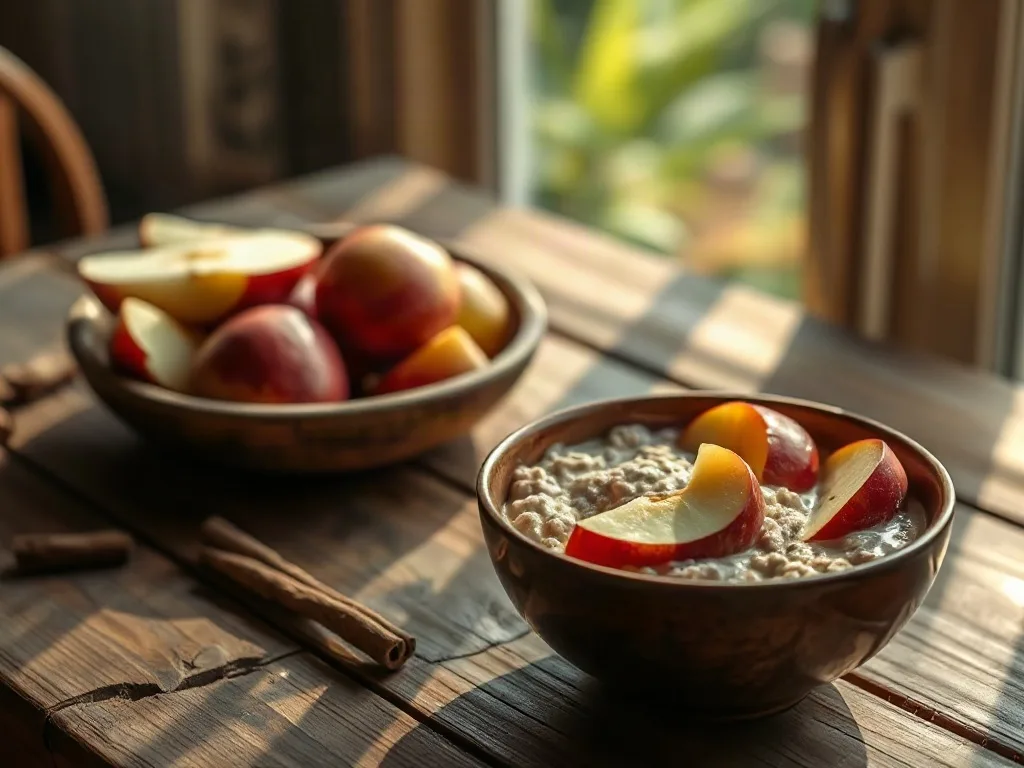
Apples are a versatile, nutrient‑dense fruit that can transform a morning routine from routine to remarkable. Their natural sweetness, crisp texture, and high fiber content make them an ideal base for both sweet and savory breakfast dishes. Whether you prefer a quick grab‑and‑go option or a leisurely weekend brunch, incorporating apples adds flavor, vitamins, and a satisfying crunch that keeps hunger at bay.
Key takeaways
- Apples provide soluble and insoluble fiber, which helps regulate blood-sugar levels and promotes sustained morning energy.
- Pair apples with protein sources like Greek yogurt, eggs, or nuts to slow carbohydrate absorption and increase satiety.
- Store apples in the refrigerator crisper drawer in perforated bags to maintain optimal freshness for up to six weeks.
- Choose variety by texture: use crisp apples for raw salads and firmer, mid-season varieties for baking or oatmeal.
- Prep ahead by batch-cooking apple muffins, overnight oats, or chia puddings to simplify your morning routine.
Why Apples Shine at Breakfast
Apples deliver a unique combination of soluble and insoluble fiber, which supports steady blood‑sugar levels and promotes digestive health. A medium apple supplies about four grams of fiber and a modest amount of vitamin C, potassium, and antioxidants such as quercetin. These nutrients work together to reduce oxidative stress and may help regulate appetite throughout the day. Because apples have a low glycemic index, they provide sustained energy without the sharp spikes associated with refined sugars. Their natural pectin also acts as a thickening agent, making them useful in recipes that need body without added starches. When paired with protein‑rich foods like Greek yogurt, nuts, or eggs, the fruit’s carbohydrates are absorbed more slowly, extending satiety. Finally, the fruit’s portability means you can slice, dice, or grate it straight into a bowl, a wrap, or a blender with minimal prep time.
Quick No‑Cook Apple Breakfasts
For mornings when the stove stays cold, a few no‑cook assemblies keep you nourished and on schedule. Start with a classic apple‑nut butter toast: spread almond or peanut butter on whole‑grain bread, layer thin apple slices, and sprinkle chia seeds for omega‑3s. Another option is an apple‑yogurt parfait; alternate Greek yogurt, diced apple, granola, and a drizzle of honey in a jar for a portable parfait that travels well. A simple apple‑cinnamon overnight oats can be assembled the night before: combine rolled oats, milk or plant‑based alternative, grated apple, cinnamon, and a pinch of salt in a container, then refrigerate. In the morning the oats have softened and the apple has infused the mixture with natural sweetness. For a savory twist, toss shredded apple with cottage cheese, chopped walnuts, and a dash of black pepper; serve on a bed of mixed greens for a light, protein‑packed start.
Warm Apple Oatmeal Variations
Oatmeal provides a comforting canvas for apple flavors, and the cooking process softens the fruit while releasing its aroma. Begin with a base of steel‑cut or rolled oats simmered in water or milk. Stir in diced apple during the last five minutes of cooking so the pieces retain a slight bite. Finish with a swirl of almond butter, a sprinkle of toasted pumpkin seeds, and a dash of nutmeg. For a spiced version, add ground ginger, cardamom, and a pinch of cloves alongside the apple; the warm spices complement the fruit’s tartness. A baked apple oatmeal can be prepared in a ramekin: mix oats, milk, egg, baking powder, chopped apple, and a touch of maple syrup, then bake at 350 °F for 20 minutes. The result is a cake‑like texture that slices cleanly and reheats well. For a creamier bowl, blend half the cooked oats with a ripe banana and a splash of milk before folding in the remaining apple pieces; the banana adds natural sweetness and a silky mouthfeel.
Apple‑Infused Pancakes and Waffles
Incorporating apples into batter adds moisture and a subtle fruity note that pairs beautifully with maple syrup or a dollop of ricotta. For pancakes, grate a small apple directly into the dry ingredients—flour, baking powder, cinnamon, and a pinch of salt—then combine with wet ingredients: milk, egg, melted butter, and vanilla. The grated apple distributes evenly, creating tender pockets throughout each pancake. Cook on a pre‑heated griddle until bubbles form, then flip for a golden finish. For waffles, use a similar batter but increase the fat slightly (add an extra tablespoon of oil) to achieve a crisp exterior. Fold in diced apple and a handful of chopped pecans for texture. Serve with a warm apple compote made by simmering sliced apple with a splash of water, lemon juice, and cinnamon until soft, then mash lightly. The compote can be prepared in bulk and stored for up to a week, providing a ready‑to‑go topping for multiple breakfasts.
Savory Apple Breakfast Bowls
Apples are not limited to sweet dishes; their acidity brightens savory components and balances rich flavors. Build a bowl with a base of quinoa or farro, then add roasted sweet potato cubes, sautéed kale, and thinly sliced apple tossed in a light vinaigrette of apple cider vinegar, Dijon mustard, and olive oil. Top with a poached egg and a sprinkle of feta for protein and creaminess. Another variation uses a warm farro salad: combine cooked farro, diced apple, shredded Brussels sprouts, toasted hazelnuts, and a lemon‑herb dressing. The apple’s crunch contrasts the nutty grain and earthy vegetables. For a quick skillet, sauté diced apple with onions, garlic, and ground turkey; season with sage and thyme, then serve over a bed of wilted spinach. The fruit’s natural sugars caramelize slightly, adding depth without added sugar. These bowls can be assembled in advance and reheated, making them ideal for busy weekdays.
Make‑Ahead Apple Breakfast Meal Prep
Batch cooking with apples saves time and reduces morning decision fatigue. Prepare a large batch of apple‑cinnamon muffins using whole‑wheat flour, oats, Greek yogurt, and diced apple; they freeze well and can be reheated in a toaster oven. Another make‑ahead staple is apple‑chia pudding: whisk chia seeds, almond milk, grated apple, maple syrup, and cinnamon; portion into jars and refrigerate overnight. The pudding thickens and the apple flavor melds throughout. For a savory option, bake a frittata loaded with sliced apple, spinach, red pepper, and goat cheese; cut into wedges and store in airtight containers. Each wedge delivers a balanced mix of protein, fiber, and healthy fats. When prepping, keep apples from browning by tossing cut pieces with a little lemon juice or a splash of water mixed with ascorbic acid powder. Store prepared components separately—grains, proteins, fruit, and dressings—to maintain texture and allow custom combinations each morning.
Pairing Apples with Protein for Satiety
Protein is the key macronutrient that prolongs fullness, and apples complement many protein sources without overwhelming them. Pair sliced apple with a handful of almonds or a spoonful of sunflower seed butter for a portable snack that delivers healthy fats, fiber, and about six grams of protein. Cottage cheese mixed with diced apple, a drizzle of honey, and a pinch of cinnamon offers roughly 20 grams of protein per cup while keeping calories moderate. For a heartier plate, serve a grilled chicken sausage alongside an apple‑cabbage slaw dressed in Greek yogurt, mustard, and apple cider vinegar. The slaw adds crunch and a probiotic boost. Eggs also marry well with apples; try a shakshuka‑style dish where apples are simmered with tomatoes, peppers, and spices before cracking eggs into the sauce. The fruit’s acidity helps the eggs set gently and adds a subtle sweetness that balances the heat. Incorporating protein at breakfast has been shown to reduce mid‑morning cravings and support muscle maintenance, especially when combined with the fiber from apples.
Seasonal Apple Selection and Storage Tips
Choosing the right apple variety enhances both flavor and texture in breakfast recipes. Early‑season varieties like Gala and Honeycrisp are crisp, juicy, and mildly sweet—ideal for raw applications such as salads, parfaits, and toppings. Mid‑season apples such as Fuji and Braeburn hold their shape when cooked, making them perfect for oatmeal, baked goods, and compotes. Late‑season varieties like Granny Smith provide a tart bite that cuts through rich ingredients like cheese or nut butter, while Pink Lady offers a balanced sweet‑tart profile suitable for both sweet and savory dishes. When shopping, select firm apples with smooth skin and no bruises. Store them in the crisper drawer of the refrigerator, ideally in a perforated plastic bag to maintain humidity while allowing airflow; this can extend freshness for up to six weeks. For longer storage, slice apples, toss with lemon juice, and freeze on a tray before transferring to a freezer bag. Frozen apple pieces work well in smoothies, baked oatmeal, and sauces without thawing. Proper selection and storage ensure you always have peak‑flavor fruit ready for any breakfast creation.
Apple‑Based Smoothies and Breakfast Beverages
Blending apples into a morning drink is one of the fastest ways to capture their fiber and polyphenols while keeping prep time under five minutes. Start with a base of unsweetened almond milk or kefir for a probiotic boost, add a peeled and cored medium apple, a handful of baby spinach, and a scoop of plant‑based protein powder. The spinach disappears into the green hue while the apple supplies natural sweetness and a silky texture. For a warm option, simmer diced apple with a stick of cinnamon, a slice of fresh ginger, and a splash of water for ten minutes, then blend with a cup of oat milk and a teaspoon of almond butter. The result is a comforting apple‑spice latte that delivers soluble fiber and a gentle caffeine‑free lift. Edge case: if you use a high‑speed blender, the apple skin can be left on for extra quercetin, but the texture may become slightly gritty; strain through a fine mesh if you prefer a completely smooth sip. Another variation incorporates a tablespoon of chia seeds that swell during the blend, turning the beverage into a pudding‑like drink that can be sipped slowly for sustained satiety.
For those who enjoy a fermented twist, mix a shot of raw apple cider vinegar with sparkling water, a drizzle of maple syrup, and a pinch of sea salt. The acetic acid supports digestion and the apple flavor remains bright. A cold‑brew apple tea can be prepared the night before by steeping sliced apple, a cinnamon stick, and a few cloves in cold water; strain in the morning and serve over ice with a squeeze of lemon. This beverage is naturally low in sugar because the fruit infuses flavor without releasing large amounts of fructose. When scaling any of these recipes for a family, multiply the liquid base but keep the apple‑to‑liquid ratio constant to avoid a watery result. Store blended smoothies in airtight jars for up to twenty‑four hours; a quick shake restores homogeneity.
Global Apple Breakfast Traditions
Apples appear on breakfast tables far beyond North America, and borrowing these traditions can add variety without reinventing the wheel. In Germany, Apfelpfannkuchen are thin pancakes folded around sautéed apple slices, dusted with powdered sugar and served with a dollop of quark. The batter uses a higher egg‑to‑flour ratio than American pancakes, creating a custardy interior that cradles the fruit. In France, a tartine of crusty baguette spread with fromage blanc, thinly sliced apple, and a drizzle of honey offers a savory‑sweet open‑face sandwich that travels well on a commuter train. Scandinavian cultures favor a warm porridge called äppelgröt, where rolled oats are cooked with diced apple, a pinch of cardamom, and a splash of lingonberry juice for tart contrast. The porridge is often topped with toasted rye flakes for crunch. In Japan, a modest breakfast may include a small bowl of miso soup with grated apple stirred in at the end; the fruit’s acidity balances the umami and adds a subtle sweetness that appeals to children. Middle Eastern mornings sometimes feature a shakshuka variant where apples are cooked down with tomatoes, peppers, and cumin before eggs are poached in the sauce; the apples caramelize, lending depth without added sugar. When adapting these dishes, watch moisture levels: European batters tend to be thinner, so a non‑stick skillet and a quick flip prevent sticking. For the Japanese miso‑apple soup, add the apple at the very last minute to preserve texture and avoid over‑cooking the delicate miso flavor.
Low‑Carb and Grain‑Free Apple Creations
Following a ketogenic or paleo plan does not mean abandoning apples entirely; portion control and smart pairings keep net carbs in check. A single small Granny Smith apple contains roughly fifteen grams of net carbs, so using half an apple per serving spreads the carb load across a meal. One approach is an almond‑flour apple muffin: combine almond flour, baking soda, eggs, melted coconut oil, a touch of erythritol, and grated apple; bake in a silicone muffin tin for twelve minutes. The result is a moist, dense muffin with about four grams of net carbs each. Another grain‑free option is a cauliflower‑apple hash. Pulse cauliflower florets in a food processor until rice‑sized, then sauté with diced apple, onion, and breakfast sausage; finish with a sprinkle of nutritional yeast for a cheesy note. The cauliflower absorbs the apple’s juices, creating a cohesive dish that mimics traditional potato hash. For a quick breakfast bowl, whisk together coconut yogurt, a spoonful of almond butter, cinnamon, and a few thin apple matchsticks; top with toasted coconut flakes and a few macadamia nuts. The fat from the nuts and yogurt slows glucose absorption, making the modest apple portion more blood‑sugar friendly. Edge case: when using sugar‑free sweeteners, taste the batter before baking because some erythritol blends can leave a cooling aftertaste that clashes with apple’s tartness; a pinch of vanilla extract often masks it. Store any leftovers in the freezer for up to three months; reheat in a toaster oven to retain crisp edges.
Apple Prep Techniques: Spiralizing, Dehydrating, and Chip Making
Changing the physical form of an apple unlocks new textures and visual appeal for breakfast plates. A handheld spiralizer turns a firm apple into long, noodle‑like ribbons that can be tossed raw into a yogurt bowl, lightly sautéed with cinnamon for a warm topping, or layered into a breakfast salad with arugula and toasted pepitas. The ribbons retain crunch longer than diced pieces because the surface area is reduced, making them ideal for make‑ahead parfaits that sit in the fridge overnight. Dehydrating apple slices at 135 °F for six to eight hours yields chewy chips that store for weeks in an airtight container. These chips can be crumbled over oatmeal, blended into a trail‑mix with pumpkin seeds and dark chocolate, or rehydrated quickly in hot milk for an instant apple‑infused porridge. For a crispier chip, slice apples paper‑thin on a mandoline, toss with a whisper of coconut oil and sea salt, then bake at 200 °F for ninety minutes, flipping halfway. The low temperature preserves antioxidants while delivering a satisfying snap. Edge case: high‑moisture varieties like Fuji may stick to the dehydrator trays; a light dusting of arrowroot powder prevents adhesion without altering flavor. When spiralizing, keep the core intact to avoid the blade catching on seeds; simply cut the apple in half, remove the core with a corer, then spiralize each half. These techniques also reduce waste because the peels stay on, adding fiber and color to the final dish.
Reducing Waste: Using Peels, Cores, and Scraps in Breakfast
Every part of the apple can contribute to a morning meal, turning what many discard into flavor and nutrition. Peels are rich in ursolic acid and additional fiber; simmer them with water, a cinnamon stick, and a slice of lemon for twenty minutes to create a fragrant apple‑peel tea that can be sipped plain or used as the liquid base for overnight oats. The resulting infusion carries a subtle apple essence without the bulk of fruit pieces. Cores, while not edible whole, can be placed in a saucepan with a cup of water and a splash of apple cider vinegar; after a gentle boil, strain and reserve the liquid as a natural pectin‑rich thickener for homemade jam or chia pudding. This pectin boost helps the pudding set faster and yields a smoother mouthfeel. Apple trimmings from slicing or spiralizing can be blended into a smoothie base with Greek yogurt and a handful of oats; the fine particles disappear, adding bulk and a mild sweetness. For a savory twist, sauté finely chopped peels and cores with onions, garlic, and a pinch of sage, then fold into a frittata mixture before baking. The bits soften completely, imparting a deep apple aroma that permeates the eggs. Edge case: if you plan to use peels in a raw application, wash apples thoroughly with a produce brush to remove wax and pesticide residues; organic fruit eliminates this concern. Store collected scraps in a freezer bag until you have enough for a batch, preventing spoilage and ensuring a ready supply for any of the above uses.
Kid‑Friendly Apple Breakfast Ideas and Lunchbox Packing
Getting children excited about apples at breakfast often comes down to presentation and interactive elements. Mini apple‑stack sandwiches are a hit: spread a thin layer of sunflower seed butter on whole‑grain mini bagels, layer apple matchsticks, and top with a second bagel half; secure with a colorful toothpick. The bite‑size format encourages self‑feeding and portion control. Another playful option is apple “donuts”: core an apple, slice into half‑inch rings, spread each ring with cream cheese, and sprinkle with raisins, granola, or a drizzle of honey. Kids can decorate their own rings, turning breakfast into a creative activity. For lunchboxes, pack a small container of cinnamon‑spiced apple slices tossed with a teaspoon of lemon juice to prevent browning; pair with a cheese stick and a handful of whole‑grain crackers for a balanced snack. Apple‑oat energy balls made from dates, rolled oats, grated apple, peanut butter, and a pinch of cinnamon can be rolled into bite‑size spheres and frozen; they thaw by lunchtime and provide sustained energy without added sugar. Edge case: some schools have nut‑free policies; substitute sunflower seed butter or tahini in any recipe that calls for peanut butter. When preparing make‑ahead items, keep wet and dry components separate until the morning of consumption to avoid soggy textures. A silicone muffin cup works well for individual portions of baked apple‑cinnamon quinoa muffins, which can be reheated in a microwave for twenty seconds and eaten warm or cold. Involving kids in the prep — washing, slicing with a child‑safe knife, or sprinkling toppings — increases the likelihood they will eat the final product and builds lifelong kitchen confidence.
FAQ
- Can I use any apple variety for baking breakfast muffins?
- Most varieties work, but firmer apples such as Fuji, Braeburn, or Granny Smith retain texture better during baking and prevent the muffins from becoming overly mushy.
- How do I keep sliced apples from turning brown in a prepared breakfast bowl?
- Toss the slices with a teaspoon of lemon juice or a pinch of ascorbic acid powder per cup of apple; the acid slows oxidation and preserves color for several hours.
- Are apple‑based breakfasts suitable for a low‑sugar diet?
- Yes. Apples contain natural sugars, but their fiber blunts glucose absorption. Pairing them with protein and healthy fats further stabilizes blood sugar, making them compatible with moderate low‑sugar plans.
- What is the best way to reheat apple oatmeal without drying it out?
- Add a splash of milk or water before microwaving, stir halfway through, and heat in 30‑second intervals until steaming; the extra liquid restores creaminess.
- Can I freeze apple pancake batter for later use?
- It is better to cook the pancakes first, then freeze them in a single layer on a baking sheet before transferring to a bag. Reheat in a toaster or oven for a crisp edge.
Related posts:
 Is Peanut Butter Actually a Healthy Snack?
 Instant Pot Apple Butter Recipe
 Are We Really Too Busy for Breakfast?
 Skip the Store-Bought: Master Homemade Yogurt in 3 Steps
 Managing Fiber Intake with IBS
 High-Protein Foods That Pack a Serious Nutritional Punch
 The Overnight Oats Recipe That Changed Everything for the Lactose Intolerant
 Guilt-Free Cinnamon Roll Recipe