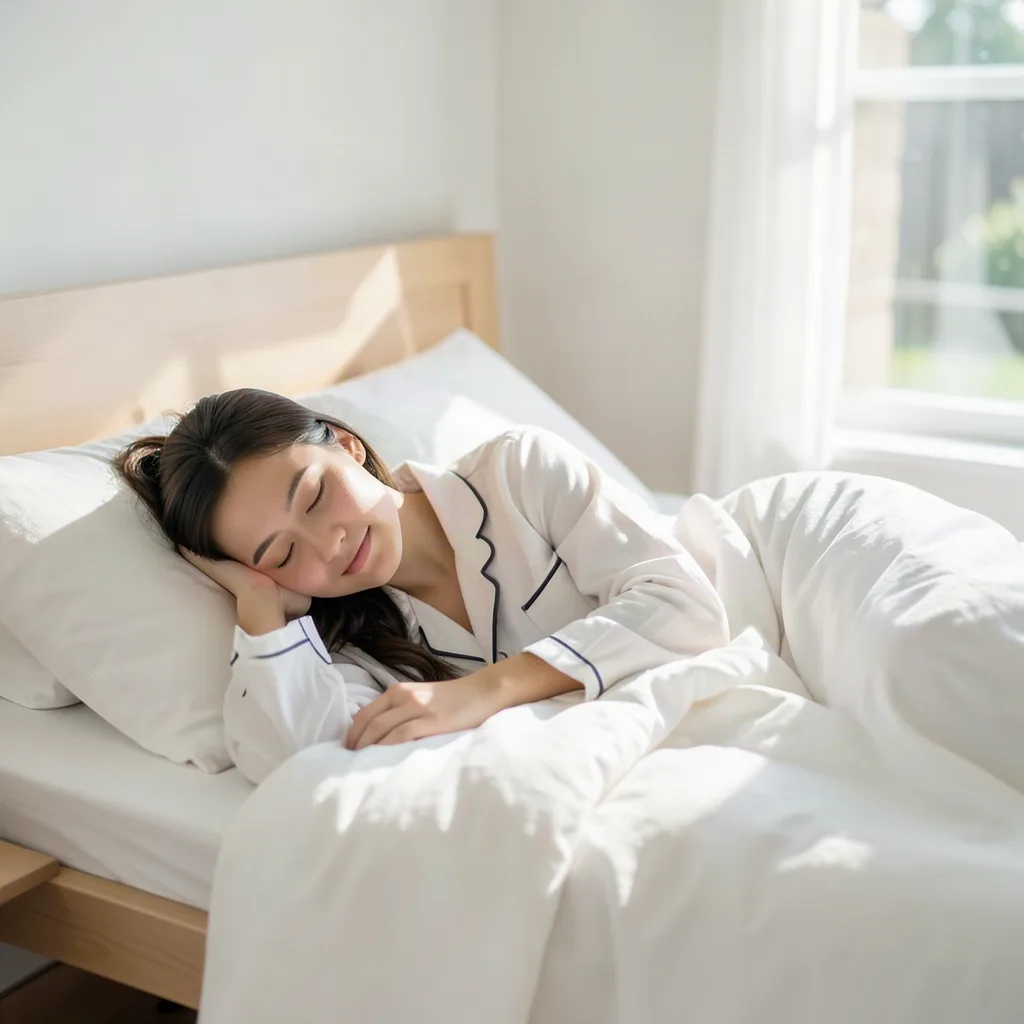
Many people wonder whether they are truly getting enough sleep, yet the answer often hides in daily habits, environment, and subtle body signals. Sleep is not a luxury; it is a biological foundation that influences mood, cognition, immune function, and long‑term disease risk. This guide walks you through the science of sleep needs, practical ways to evaluate your own rest, and actionable strategies to build a healthier night‑time routine.
Key takeaways
- Maintain a bedroom temperature around 18°C (65°F) and use blackout curtains to support natural melatonin production.
- Stop caffeine consumption by early afternoon and limit blue-light exposure from electronic devices one hour before bedtime.
- Seek 15 minutes of bright morning sunlight daily to anchor your internal clock and improve evening sleep quality.
- Prioritize morning or afternoon workouts and avoid vigorous exercise within three hours of sleep to prevent elevated core temperatures.
- Use a sleep diary or tracker to ensure sleep efficiency stays above 85 percent and latency remains under 20 minutes.
Understanding How Much Sleep You Actually Need
Most adults thrive on seven to nine hours each night, but individual requirements vary. Teenagers often need eight to ten hours, while older adults may feel rested after six to eight. Genetics, activity level, and overall health shift the sweet spot. A simple way to gauge your need is to track how you feel after several nights of unrestricted sleep; if you wake refreshed without an alarm, you have likely found your personal range.
Keep a sleep diary for two weeks. Note bedtime, wake time, night awakenings, and daytime alertness. Patterns reveal whether you consistently fall short of your natural requirement. This data also helps a clinician if you later seek professional advice.
Recognizing the Signs of Sleep Deprivation
Daytime sleepiness, difficulty concentrating, irritability, and frequent yawning are classic clues. Less obvious signals include increased cravings for sugary foods, a weakened immune response, and slower reaction times. Chronic short sleep raises the risk of hypertension, type 2 diabetes, and mood disorders. Pay attention to how you perform on tasks that require sustained attention; a drop in performance often precedes awareness of fatigue.
Creating a Sleep‑Friendly Environment
Your bedroom should be cool, dark, and quiet. Aim for a temperature around 18 °C (65 °F). Blackout curtains or an eye mask block light that suppresses melatonin. White‑noise machines or earplugs mask disruptive sounds. Invest in a supportive mattress and pillows that keep the spine aligned. Remove clutter and electronic devices that emit light or tempt you to check notifications.
Building a Consistent Pre‑Bed Routine
A predictable wind‑down signals the body that sleep is approaching. Start 30 to 60 minutes before lights out. Dim the lights, read a physical book, practice gentle stretching, or try a brief meditation. Avoid stimulating activities such as intense discussions, work emails, or thrilling movies. Consistency reinforces the circadian rhythm, making it easier to fall asleep and stay asleep.
Managing Light Exposure and Screen Time
Morning sunlight anchors the internal clock; aim for at least 15 minutes of bright light within an hour of waking. In the evening, limit blue‑light exposure from phones, tablets, and computers. Use night‑mode settings or blue‑light blocking glasses if screen use is unavoidable. Dimming household lights an hour before bed further encourages melatonin production.
Nutrition, Caffeine, and Alcohol: Their Impact on Rest
Heavy meals close to bedtime can cause discomfort and reflux. A light snack containing protein and complex carbs—such as a small handful of nuts with a banana—may promote sleep‑supportive neurotransmitters. Caffeine has a half‑life of about five hours; stop consumption by early afternoon. Alcohol may help you fall asleep faster but fragments sleep architecture, leading to poorer quality rest.
Physical Activity and Its Timing for Better Sleep
Regular moderate exercise improves sleep depth and reduces onset latency. Morning or early‑afternoon workouts are ideal. Vigorous activity within three hours of bedtime can raise core temperature and adrenaline, making it harder to unwind. If evening exercise is your only option, choose low‑intensity forms like yoga or a leisurely walk.
When to Seek Professional Help
If you consistently sleep less than six hours, experience loud snoring with gasping, have restless legs, or feel unrefreshed despite adequate time in bed, consult a healthcare provider. Sleep studies can diagnose apnea, insomnia, or circadian rhythm disorders. Early intervention prevents long‑term health consequences and restores daytime vitality.
Leveraging Sleep Tracking Technology
Wearable trackers, bedside sensors, and smartphone apps can turn subjective impressions into objective trends, but only if you know what the numbers mean. Most consumer devices estimate sleep stages using accelerometry and heart‑rate variability, which correlates reasonably well with polysomnography for total sleep time and wake after sleep onset, yet they often over‑estimate light sleep and under‑estimate deep sleep. Start by selecting a device that provides raw data export (CSV or JSON) so you can review nightly hypnograms yourself or share them with a clinician.
Establish a baseline of at least two weeks before making any changes. Look for three key metrics: sleep efficiency (time asleep divided by time in bed), sleep latency (minutes from lights‑out to first epoch of sleep), and wake after sleep onset (WASO). A consistent efficiency above 85 percent, latency under 20 minutes, and WASO under 30 minutes generally indicate healthy consolidation. If efficiency drops below 80 percent on multiple nights, investigate environmental or behavioral triggers rather than assuming the device is faulty.
- Compare weeknight versus weekend patterns to spot social jet lag.
- Tag nights with alcohol, late caffeine, or intense exercise to see acute effects.
- Use the device’s “sleep score” only as a quick glance; rely on the raw metrics for decisions.
Edge case: some users develop orthosomnia, an anxiety‑driven fixation on perfect scores that worsens sleep. If you notice increased bedtime rumination after checking data, set a rule to review metrics only once per week. Another edge case involves devices that auto‑detect naps; disable nap detection if you want a clean nocturnal record.
Navigating Shift Work and Irregular Schedules
Shift workers face a circadian misalignment that cannot be solved by simple hygiene tips. The core strategy is to treat the work block as a new “day” and protect a consistent sleep window that aligns with that block. For a night shift ending at 07:00, aim to be in bed by 08:30 and wake by 16:30, preserving a 7‑hour window even on days off. Use bright light (10,000 lux) during the first half of the shift and wear blue‑blocking glasses during the commute home to prevent premature melatonin onset.
Strategic napping can bridge the gap when a full sleep window is impossible. A 90‑minute nap (one full cycle) before a night shift reduces sleep pressure without causing sleep inertia, while a 20‑minute power nap during a break sustains alertness. Avoid naps longer than 30 minutes within 4 hours of your main sleep period, as they can fragment the upcoming episode.
- Create a “dark‑room” kit: blackout curtains, eye mask, white‑noise machine, and a cool‑temperature setting (18 °C).
- Limit caffeine to the first half of the shift; stop at least 6 hours before your planned sleep.
- On rotating schedules, shift your sleep window gradually (15‑30 minutes per day) rather than abruptly.
Edge case: emergency‑services personnel often have unpredictable call‑outs. In those situations, adopt a “split‑sleep” approach: a core 4‑hour block anchored to the circadian trough (usually 02:00‑06:00) plus a 2‑hour recovery nap later. Track sleep debt with a simple spreadsheet; if cumulative debt exceeds 10 hours, schedule a recovery day with unrestricted sleep.
Sleep Across the Lifespan
Sleep architecture evolves from infancy to old age, and each stage brings distinct challenges. Newborns spend 50 percent of sleep time in active REM cycles; parents can support consolidation by exposing the infant to bright daylight in the morning and dimming lights in the evening, reinforcing the emerging circadian rhythm. By school age, children need 9‑11 hours; early school start times often truncate this window, so advocate for later start times or enforce a strict lights‑out routine.
Adolescents experience a biological phase delay of up to two hours, making a 22:00 bedtime feel physiologically early. Allow a 30‑minute wind‑down with low‑light reading, and consider a short (20‑minute) morning bright‑light session to anchor the clock. During pregnancy, hormonal shifts increase sleep‑disordered breathing and nocturia. Side‑sleeping with a pillow between knees, limiting fluids after 20:00, and using a humidifier can mitigate fragmentation.
Menopause introduces hot flashes that trigger awakenings. Keep the bedroom at 16‑18 °C, use moisture‑wicking bedding, and consider a low‑dose estrogen patch if symptoms are severe—discuss with a clinician. Older adults often show advanced sleep phase (early evening sleepiness, early morning awakening). A modest evening light exposure (30 minutes of 2,500 lux at 19:00) can delay the phase, while morning light restriction (sunglasses outdoors before 09:00) prevents further advance.
- Children: limit screen use 60 minutes before bed; use a visual timer for wind‑down.
- Teens: negotiate a “tech‑free” bedroom policy; charge phones outside the room.
- Pregnancy: practice pelvic floor exercises to reduce nocturia urgency.
- Menopause: trial a cooling mattress topper; track hot‑flash frequency to correlate with awakenings.
- Seniors: schedule a brief (10‑minute) afternoon walk to boost sleep pressure without delaying bedtime.
Edge case: polyphasic sleep experiments in young adults often backfire because the brain still requires consolidated REM and slow‑wave cycles. If a patient insists on a non‑monophasic schedule, guide them toward a biphasic pattern (core 6 hours + 90‑minute nap) which respects ultradian rhythms.
Cognitive Behavioral Therapy for Insomnia (CBT‑I)
CBT‑I remains the gold‑standard non‑pharmacologic treatment for chronic insomnia, with remission rates of 70‑80 percent after 6‑8 sessions. The protocol combines five components: sleep restriction, stimulus control, cognitive restructuring, sleep hygiene education, and relaxation training. You can begin a self‑guided version using a validated workbook or app, but a trained therapist accelerates progress and tailors the schedule.
Sleep restriction compresses time in bed to match average total sleep time plus 30 minutes, creating mild sleep pressure that consolidates sleep. For example, if you average 5.5 hours of sleep but spend 8 hours in bed, set a new window of 6 hours (e.g., 00:30‑06:30). Keep a sleep diary; once efficiency exceeds 90 percent for three consecutive nights, expand the window by 15 minutes. Stimulus control mandates that the bed is only for sleep and sex—no reading, phone use, or worrying. If you cannot fall asleep within 20 minutes, leave the bedroom, engage in a quiet activity under dim light, and return only when sleepy.
- Cognitive restructuring: identify catastrophic thoughts (“I’ll never function tomorrow”) and replace them with evidence‑based alternatives (“One poor night reduces performance modestly, but I have coped before”).
- Relaxation training: progressive muscle relaxation or diaphragmatic breathing for 10 minutes before the sleep window.
- Hygiene reinforcement: keep the bedroom cool, dark, and quiet; avoid clock‑watching.
Edge case: patients with comorbid depression may need concurrent CBT for mood; insomnia‑specific CBT‑I can be integrated with behavioral activation. Another edge case involves “sleep‑state misperception” where patients underestimate sleep time; objective actigraphy can validate progress and reduce anxiety.
Nutrition Supplements and Sleep
Beyond caffeine and alcohol, several supplements have modest evidence for improving sleep onset or quality. Melatonin (0.5‑3 mg) taken 30‑60 minutes before desired bedtime can advance the circadian phase, especially for delayed sleep‑phase syndrome or jet lag. Use the lowest effective dose; higher doses do not increase efficacy and may cause next‑day grogginess. Magnesium glycinate (200‑400 mg) taken with dinner supports GABAergic activity and reduces nighttime awakenings in individuals with low dietary intake.
Glycine (3 g) taken 30 minutes before sleep lowers core body temperature and improves subjective sleep quality in controlled trials. L‑theanine (200‑400 mg) combined with caffeine (if consumed earlier) can promote relaxed alertness without sedation. Herbal options such as valerian root (300‑600 mg) and passionflower (250‑500 mg) show mixed results; they may help mild anxiety‑related insomnia but lack standardization. Tart cherry juice (30 ml concentrate) provides natural melatonin and anti‑inflammatory polyphenols; a nightly glass can modestly increase total sleep time.
- Test one supplement at a time for two weeks; keep a sleep diary to isolate effects.
- Avoid combining multiple sedating agents (e.g., melatonin + valerian + antihistamine) to prevent excessive morning sleepiness.
- Check for interactions: magnesium can reduce absorption of certain antibiotics; melatonin may affect anticoagulant metabolism.
Edge case: shift workers using melatonin to “reset” the clock should take it at the target bedtime of the new schedule, not at the conventional night. For travelers crossing more than six time zones, a 0.5 mg dose at local bedtime for the first three nights accelerates re‑entrainment. Pregnant or breastfeeding individuals should consult a clinician before any supplement.
Travel, Jet Lag, and Social Jet Lag
Rapid time‑zone transitions disrupt the master clock in the suprachiasmatic nucleus. The most effective countermeasure is timed light exposure combined with melatonin. For eastward travel (advancing the clock), seek bright light (10,000 lux) in the morning of the destination and take 0.5‑1 mg melatonin at the new local bedtime for the first three nights. For westward travel (delaying the clock), obtain evening light exposure and take melatonin in the early morning of the destination (around 04:00‑05:00 local) to push the rhythm later.
Pre‑flight adaptation reduces the magnitude of the shift. Starting three days before departure, move bedtime and wake time 30‑60 minutes per day toward the destination schedule. Use a light box at the appropriate circadian phase (morning for eastward, evening for westward). On the flight, set your watch to destination time, hydrate, and avoid alcohol. If the flight arrives in the morning, wear sunglasses until the target wake time to prevent premature light exposure.
- Carry a portable light therapy device (2,500‑10,000 lux) for hotel use.
- Use a short‑acting melatonin formulation (0.3 mg) for fine‑tuning; avoid extended‑release versions that can cause next‑day drowsiness.
- Schedule a 20‑minute nap (not longer) on arrival day only if you cannot stay awake until the new bedtime.
Social jet lag— the mismatch between work‑day and free‑day sleep timing—affects up to 70 percent of adults. Quantify it by subtracting the midpoint of sleep on work days from the midpoint on free days; a difference greater than one hour correlates with metabolic risk. Mitigate by anchoring wake time within 30 minutes every day, using morning bright light on free days, and limiting weekend sleep‑ins to no more than 60 minutes beyond the weekday wake time. If a chronic mismatch persists, discuss flexible start times or a compressed workweek with your employer.
Edge case: ultra‑long‑haul flights crossing the International Date Line can produce a “double‑night” effect. In that scenario, treat the first night at destination as a “recovery night” with unrestricted sleep, then begin the timed light/melatonin protocol on night two. Another edge case involves athletes traveling for competition; they should prioritize sleep extension (9‑10 hours) for three nights pre‑travel to build a sleep reserve that buffers the inevitable disruption.
Frequently Asked Questions
How many hours of sleep do most adults really need?
Most adults function best with seven to nine hours. Individual needs can shift slightly based on genetics, age, and lifestyle. Tracking how you feel after several nights of unrestricted sleep helps pinpoint your personal requirement.
Can napping replace a full night of sleep?
Short naps of 20 minutes can boost alertness, but they do not substitute the restorative cycles of a full night. Long or late naps may interfere with nighttime sleep pressure, making it harder to fall asleep at bedtime.
What is the best way to wind down before bed?
Create a calming ritual lasting 30 to 60 minutes: dim lights, avoid screens, read a print book, practice deep breathing or gentle stretches. Consistency trains the brain to associate these cues with sleep onset.
Does exercise too close to bedtime ruin sleep?
High‑intensity workouts within three hours of bedtime can elevate core temperature and stress hormones, delaying sleep. Low‑intensity activities like yoga or stretching are generally safe and may even promote relaxation.
When should I see a sleep specialist?
Seek a specialist if you snore loudly with pauses in breathing, experience chronic insomnia lasting more than three months, have excessive daytime sleepiness despite sufficient sleep time, or suspect a circadian rhythm disorder. A professional evaluation can uncover treatable conditions.
Related posts:
 Wake Up Zen: The Gentle Yoga Alarm That’s Replacing Jarring Morning Buzzers
 Three Scientific Reasons to Become a Morning Person
 Weekend Sleep Recovery
 Dangerous Duo: Why Melatonin and Alcohol Don’t Mix
 Nap Revolution: NYC’s Sleep Café Is Making Rest Trendy Again
 How to Wake Up When It’s Still Dark Outside
 Turkey Day Slumber: Bedroom Inspiration for the Ultimate Food Coma
 Optimal Bedtime Guide