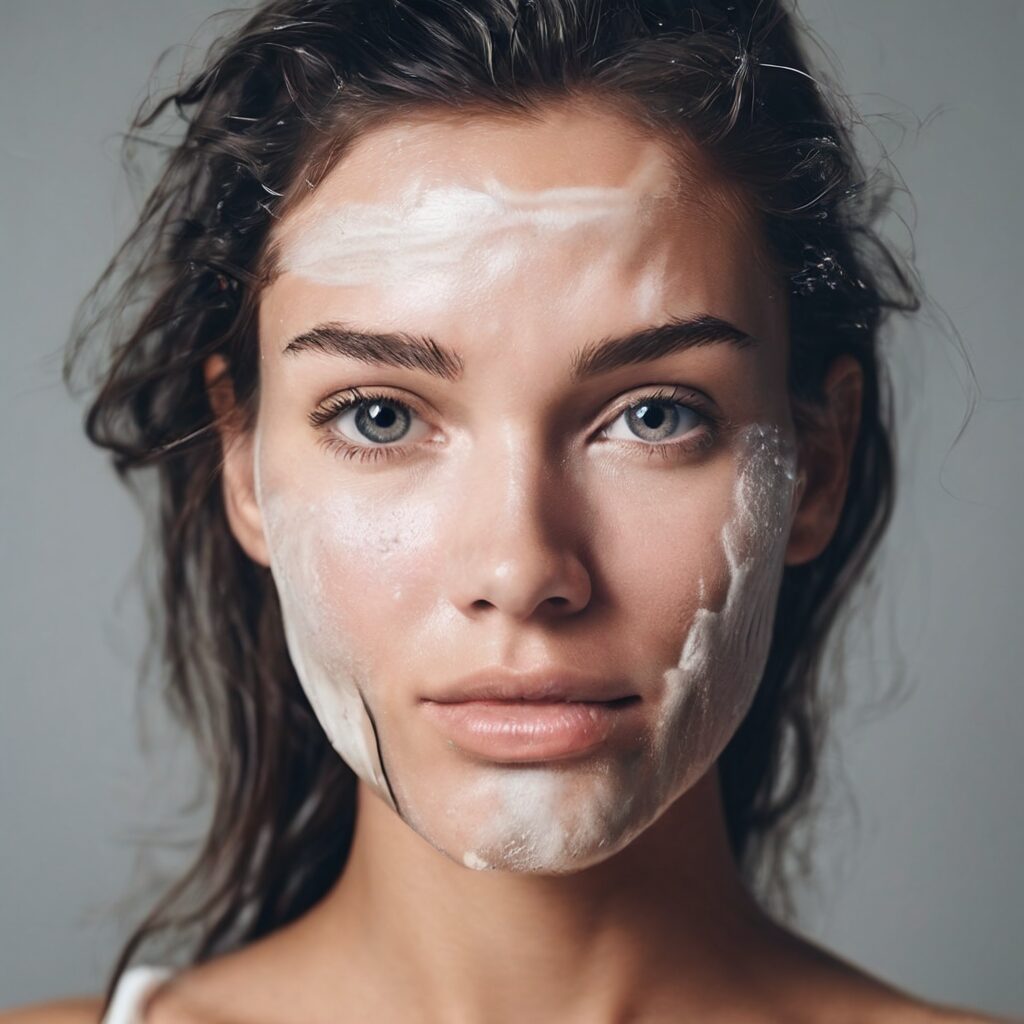
Choosing the right cleanser is crucial for maintaining healthy skin. However, with the plethora of options available in the market, it’s easy to end up using a product that doesn’t suit your skin type. In this article, we’ll explore the signs that indicate it might be time to switch your cleanser.
Key takeaways
- Persistent tightness, dryness, or oiliness after washing indicates your cleanser is disrupting your skin's natural moisture balance.
- Frequent breakouts or redness may suggest that your current product is too harsh or contains irritating ingredients.
- Reassess your skincare routine every 6 to 12 months or whenever you notice changes in your skin type.
- Avoid cleansers containing harsh sulfates, artificial fragrances, and alcohols to prevent long-term damage or chronic irritation.
- Consult a dermatologist or skincare professional to identify the best cleanser for your specific skin needs.
1. Persistent Dryness or Oiliness
If your skin feels excessively dry or oily after cleansing, it’s a clear sign that your cleanser may not be the right fit. A good cleanser should leave your skin feeling balanced, not stripped of its natural oils or overly greasy.
2. Frequent Breakouts
Breakouts can be a sign that your cleanser is too harsh or not effectively removing impurities. If you notice an increase in acne or blackheads, it might be time to try a different product, preferably one formulated for your specific skin concerns.
3. Redness and Irritation
Redness and irritation often indicate that your skin is reacting negatively to a cleanser. This could be due to harsh chemicals, fragrances, or other irritating ingredients. Opt for a gentle, fragrance-free formula to soothe and calm your skin.
4. Tightness After Washing
If your skin feels tight and uncomfortable right after washing, your cleanser might be too drying. This sensation often means that your skin’s natural moisture barrier has been compromised, leaving it vulnerable to further irritation and dryness.
5. Your Skin Type Has Changed
Our skin can change due to various factors such as age, hormones, and environmental conditions. If you’ve noticed changes in your skin type, it’s important to reassess your skincare routine and choose a cleanser that meets your current needs.
6. Lack of Results
If you’ve been using a cleanser for a while and haven’t seen any improvements in your skin’s condition, it might be time to switch. Your cleanser should help you achieve a clearer, healthier complexion. If it’s not delivering results, consider trying a different formulation.
The Science of the Acid Mantle and pH Balance
While the previous sections touched on the feeling of tightness, it is essential to understand the underlying biological mechanism: the acid mantle. Your skin is naturally slightly acidic, typically maintaining a pH level between 4.5 and 5.5. This acidity is a critical defense mechanism that keeps the microbiome balanced and prevents the overgrowth of harmful bacteria like P. acnes. Many traditional cleansers, especially bar soaps and high-foaming gels, are formulated with an alkaline pH (often 8.0 or higher). When you use a cleanser that is too alkaline, it temporarily neutralizes your acid mantle.
If your skin takes hours to return to its natural pH after washing, you are likely using a product that is too aggressive. This disruption can lead to “micro-tears” in the lipid barrier, which are invisible to the naked eye but allow moisture to escape and irritants to enter. If you notice that your skin feels temporarily smooth but then becomes incredibly oily a few hours later, this is often a reactive response; your skin is overcompensating for the pH spike by pumping out excess sebum. Look for products specifically labeled as “pH-balanced” or “low pH” to ensure you aren’t fighting your skin’s natural chemistry every time you step into the shower.
Decoding Surfactants: Moving Beyond the “Sulfate-Free” Label
The existing advice to avoid harsh sulfates is a great starting point, but the world of surfactants (the agents that actually do the cleaning) is far more nuanced. Sodium Lauryl Sulfate (SLS) is the most notorious culprit for stripping skin, but many “sulfate-free” alternatives can be just as drying if formulated poorly. For instance, some brands replace sulfates with high concentrations of olefin sulfonates, which can still cause irritation for those with sensitive or compromised barriers.
To truly determine if your cleanser is the right fit, look for sophisticated surfactant blends. Ingredients like Coco-Glucoside, Decyl Glucoside, and Sodium Cocoyl Isethionate (often called “baby foam”) are much larger molecules that cannot penetrate the skin as deeply as SLS, meaning they clean the surface without disrupting the deeper layers of the epidermis. If your current cleanser produces a massive, cloud-like lather, it likely contains high-tension surfactants that are unnecessary for daily grime. A low-lathering or non-foaming milk or cream cleanser is often a better choice for those struggling with chronic redness or the “tightness” mentioned earlier, as these formulas rely on fatty alcohols and oils to lift dirt rather than aggressive bubbles.
Seasonal Shifts: Why Your Summer Cleanser Fails in Winter
One of the most common mistakes in skincare is sticking to a single cleanser year-round. Your skin’s needs are not static; they fluctuate based on the dew point, temperature, and UV exposure. During the humid summer months, your sebaceous glands are more active, and you are likely wearing heavier water-resistant sunscreens. In this environment, a foaming gel or a salicylic acid-based cleanser might be perfect for keeping pores clear and managing shine.
However, when the heater turns on in the winter, the humidity drops, and trans-epidermal water loss (TEWL) increases. If you continue using that same clarifying gel, you will likely notice the “lack of results” or “persistent dryness” described in the initial article. During colder months, you should consider switching to a lipid-replenishing cleanser. These formulas often contain ceramides, glycerin, or squalane, which help to reinforce the moisture barrier during the cleansing process. An edge case to consider is the “shoulder seasons” (Spring and Autumn); if you find your skin is suddenly breaking out during these transitions, it may be a sign that your cleanser is either too heavy for the rising humidity or too stripping for the cooling air.
The Double Cleansing Method: When a Single Step Isn’t Enough
Sometimes the problem isn’t the cleanser itself, but the fact that it’s being asked to do too much. If you wear long-wear foundation, physical sunscreens (containing zinc oxide or titanium dioxide), or waterproof mascara, a single water-based cleanser often fails to break down these oil-soluble substances. This leads to the “frequent breakouts” mentioned earlier because the residue is being pushed deeper into the pores rather than being washed away.
This is where the double cleanse becomes vital. The first step involves an oil-based cleanser or balm applied to dry skin. According to the principle of “like dissolves like,” the oil in the cleanser bonds with the oils in your makeup and sunscreen. Once you rinse this away, your second, water-based cleanser can actually reach your skin to clean the pores. If you find that your toner cotton pad still has a beige tint after washing, or if your skin feels “filmy” despite using a strong cleanser, you don’t necessarily need a harsher cleanser—you need a two-step process. This method is particularly effective for those with oily skin, as it removes excess sebum more effectively than a harsh foaming wash that might trigger more oil production.
Environmental Stressors and the Impact of Hard Water
An often-overlooked factor in cleanser efficacy is the water coming out of your tap. If you live in an area with “hard water”—water high in minerals like calcium and magnesium—your cleanser might be working against you. These minerals react with the fatty acids in many traditional cleansers to create “soap scum,” a sticky residue that can clog pores and cause the very irritation and redness you are trying to avoid. Hard water also raises the pH of the water itself, making even a gentle cleanser more aggressive on the skin.
Signs that hard water is interfering with your routine include a cleanser that won’t lather properly or skin that feels strangely “waxy” after rinsing. To combat this, you might not need to change your cleanser to a stronger formula; instead, look for a cleanser that contains chelating agents like Disodium EDTA or Citric Acid. These ingredients bind to the minerals in the water, preventing them from depositing on your skin. Alternatively, switching to a micellar water for your final rinse or using a filtered shower head can drastically improve how your skin responds to your current product.
Texture and Delivery Systems: Gels, Creams, and Balms
The physical texture of your cleanser is more than just a sensory preference; it dictates how the product interacts with your skin’s surface. Gel cleansers are typically designed for deep cleaning and are best suited for oily or acne-prone skin types. However, if you have sensitive skin, the mechanical friction required to work a gel into a lather can sometimes cause micro-irritation. In contrast, cream and milk cleansers provide a “buffer” of emollients that protect the skin from the physical act of rubbing.
Clay-based cleansers are another specialized category. These are excellent for those living in high-pollution urban environments, as the clay (like kaolin or bentonite) helps to physically pull particulate matter and heavy metals from the skin’s surface. However, if used daily on anything other than very oily skin, they can lead to the “tightness” mentioned previously. If you have combination skin, you might even consider “multi-cleansing”: using a gel on your oily T-zone and a cream cleanser on your drier cheeks. This targeted approach ensures that no part of your face is being over-cleansed or under-treated.
The Strategic Transition: How to Safely Introduce a New Cleanser
Once you’ve identified the signs that it’s time to switch, the transition phase is critical. Many people experience a “purge” or a breakout when switching products and immediately assume the new cleanser is the problem. While cleansers with active ingredients like Alpha Hydroxy Acids (AHAs) or Beta Hydroxy Acids (BHAs) can cause a temporary purge by speeding up cell turnover, a standard hydrating or gentle cleanser should not cause new breakouts.
To avoid overwhelming your skin, introduce the new product gradually. Start by using it only once a day (preferably in the evening) while keeping your old, familiar cleanser for the morning. This allows you to monitor for any delayed allergic reactions or sensitivities. Pay close attention to the 24-48 hours following the first few uses. If you experience itching, hives, or a stinging sensation that lasts more than a few seconds, the formula may contain a fragrance or preservative that doesn’t agree with you. Give a new, non-medicated cleanser at least two weeks—the length of half a skin cell cycle—to prove its efficacy before deciding if it’s the right long-term solution for your complexion.
FAQs
1. How often should I change my cleanser?
It’s generally recommended to reassess your skincare products every 6-12 months. However, if you notice any adverse reactions or changes in your skin type, you should switch sooner.
2. Can using the wrong cleanser cause long-term damage?
Yes, consistently using a cleanser that doesn’t suit your skin can lead to long-term issues such as chronic dryness, irritation, or exacerbation of acne.
3. Should I use different cleansers for morning and night?
It’s not necessary, but some people find it beneficial to use a gentle cleanser in the morning and a more thorough one at night to remove makeup and impurities from the day.
4. What ingredients should I avoid in a cleanser?
Avoid harsh sulfates, artificial fragrances, and alcohols, as these can strip the skin of its natural oils and cause irritation.
5. How can I find the right cleanser for my skin type?
Consult with a dermatologist or skincare specialist who can recommend products based on your specific skin needs. Additionally, look for products labeled for your skin type, whether it’s oily, dry, combination, or sensitive.
Related posts:
 Proper Order of Skincare Application
 Gemstones in Skincare
 Gentle Cleansing Tips for Sensitive Skin Types
 Too Clean for Comfort: Why Being Squeaky Clean Might Be Bad for Your Skin
 Micellar Water as Your Primary Cleanser
 Foundation’s Impact on Skin
 The Best Toners for Acne-Prone Skin That Won’t Strip Your Face
 The Best Face Cleanser for Every Skin Type