
When we discuss longevity, the conversation often gravitates toward cardiovascular health, cognitive function, or dietary restrictions. While these are undeniably critical, there is a physical pillar of aging that is frequently overlooked until it begins to fade: upper body strength. Arm strength is not merely about aesthetics or the ability to lift heavy objects at the gym; it is a fundamental component of functional independence. From the simple act of opening a jar or carrying groceries to the critical ability to push oneself up after a fall, the strength of our arms and hands dictates how we interact with the world as we age.
Maintaining muscle mass in the upper body helps counteract sarcopenia—the natural loss of skeletal muscle mass and strength that occurs with age. By focusing on arm strength, we are essentially investing in our future autonomy. This guide explores the intersection of upper body strength and longevity, providing a compassionate, science-backed approach to maintaining the physical capability required for a high quality of life well into the later decades.
The Biological Link Between Arm Strength and Longevity
The relationship between muscle strength and lifespan is well-documented in geriatric research. One of the most telling biomarkers of overall health in older adults is grip strength. While the hands and forearms are small compared to the legs or back, their strength often serves as a proxy for total body lean mass and systemic vitality. Studies have consistently shown that individuals with higher grip strength tend to have a lower risk of cardiovascular events and a lower likelihood of hospitalization.
This connection exists because muscle is more than just a tool for movement; it is a metabolically active tissue. Muscle helps regulate blood glucose levels, supports metabolic health, and protects joints from injury. When we lose arm strength, we don’t just lose the ability to lift things; we lose a portion of our body’s ability to manage insulin and maintain a healthy metabolism. Furthermore, the psychological impact of losing physical capability can lead to a sedentary lifestyle, creating a downward spiral of frailty. By prioritizing arm strength, we maintain a biological buffer that protects us against the vulnerabilities of aging.
Key Muscle Groups for Functional Independence
To build a longevity-focused arm routine, it is important to understand which muscles contribute most to daily activities. Rather than focusing on isolated “mirror muscles,” a longevity approach emphasizes functional synergy.
- The Forearms and Grip: These are the primary tools for interaction. Grip strength is essential for everything from holding a railing for balance to using utensils. Strengthening the flexors and extensors of the wrist prevents common age-related issues like arthritis-related stiffness.
- The Biceps: These muscles allow us to pull objects toward our bodies. Whether it is lifting a bag or pulling a door open, bicep strength is vital for tasks involving pulling and lifting.
- The Triceps: Often neglected, the triceps are the “pushing” muscles. They are critical for pushing a door open, getting out of a chair, or pushing yourself up off the floor if you trip.
- The Shoulders (Deltoids): Shoulder stability and strength allow us to reach overhead, place items on a shelf, and maintain an upright posture. Weak shoulders often lead to a rounded-forward posture, which can restrict lung capacity and increase back pain.
- The Upper Back (Rhomboids and Trapezius): While not technically part of the arm, the upper back provides the anchor for all arm movements. A strong back ensures that the arms can operate efficiently without causing strain to the cervical spine.
The Critical Role of Grip Strength
If there is one metric to track for longevity, it is grip strength. In clinical settings, handgrip dynamometry is often used to screen for frailty. The reason grip strength is such a powerful predictor of health is that it reflects the integrity of the neuromuscular system. A strong grip indicates that the brain is communicating effectively with the muscles and that the muscles themselves are well-nourished and functional.
Loss of grip strength often precedes the loss of mobility in the lower body. When we can no longer grip firmly, we become hesitant to engage in activities that require balance, as we no longer feel confident in our ability to catch ourselves by grabbing a handle or a piece of furniture. Therefore, training the grip is not just about the hands; it is about the confidence to remain active. Practical ways to improve grip include carrying heavy bags (farmer’s carries), using grip strengtheners, or simply hanging from a pull-up bar for a few seconds at a time.
Safe Strength Training Principles for All Ages
As we age, the goal of strength training shifts from maximum hypertrophy (muscle growth) to functional maintenance and injury prevention. The approach must be compassionate toward the body’s current state while gently challenging it to improve. The following principles ensure that strength training supports longevity without causing harm.
1. Prioritize Form Over Load: A heavy weight lifted with poor form is a liability, not an asset. It is far more effective to perform ten repetitions with a light weight and perfect control than two repetitions with a weight that causes the shoulders to shrug or the back to arch. Focus on the “mind-muscle connection,” feeling the specific muscle contract during each movement.
2. The Concept of Progressive Overload: To maintain or build muscle, the body needs a reason to change. Progressive overload means gradually increasing the difficulty of an exercise. This doesn’t always mean adding weight; it can mean adding one more repetition, slowing down the tempo of the movement, or decreasing the rest time between sets.
3. Respect the Recovery Window: Muscle is not built during the workout; it is built during the recovery phase. Older adults typically require more time for tissue repair than younger athletes. Allowing 48 to 72 hours between working the same muscle group prevents overuse injuries and ensures that the muscle actually grows stronger.
4. Warm-Up and Mobility: Cold muscles are more prone to tears. A dynamic warm-up—such as arm circles, gentle shoulder rolls, and wrist rotations—increases blood flow and lubricates the joints, making the subsequent strength work safer and more effective.
Essential Exercises for Arm Strength and Longevity
You do not need a commercial gym to build longevity-enhancing strength. Many of the most effective movements can be done with body weight, resistance bands, or a pair of dumbbells. Here are the core movements recommended for functional upper body health.
The Modified Push-Up (Triceps and Chest)
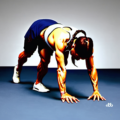
The push-up is the gold standard for pushing strength. For those who find a standard push-up too taxing, modified versions are highly effective. Incline push-ups (placing the hands on a sturdy table or kitchen counter) reduce the load on the joints while still engaging the triceps and chest. As strength improves, the incline can be lowered until the user is on the floor, perhaps using their knees for support. This exercise is vital for the “push-off” strength needed to stand up from a low surface.
Bicep Curls with Resistance Bands or Weights (Biceps)
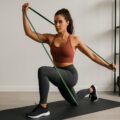
Curls simulate the action of lifting an object toward the chest. Using resistance bands is often more compassionate on the joints than dumbbells because the tension increases gradually throughout the movement. Focus on a slow, controlled descent (the eccentric phase), as this is where much of the muscle strengthening occurs.
The Farmer’s Carry (Grip and Stability)
This is one of the most functional exercises for longevity. Hold a heavy weight (a dumbbell, a gallon of water, or a heavy grocery bag) in each hand. Stand tall with the shoulders pulled back and walk for 30 to 60 seconds. This trains the grip to hold under tension and forces the core and shoulders to stabilize the load, mimicking the act of bringing shopping bags into the house.
Overhead Press (Shoulders)
The ability to reach upward is often the first thing lost in aging. Using light dumbbells or bands, press the weights from shoulder height up toward the ceiling. If shoulder impingement is an issue, perform the press at a slight forward angle rather than straight up. This maintains the range of motion necessary for reaching high shelves.
Seated Rows (Upper Back and Biceps)
Using a resistance band anchored to a door or a sturdy post, pull the handles toward the hips, squeezing the shoulder blades together. This counteracts the “slouch” associated with aging and provides the structural support necessary for the arms to function without straining the neck.
Integrating Arm Strength into Daily Life
Strength training does not have to be confined to a scheduled hour in the gym. The concept of “greasing the groove” involves performing small amounts of strength work throughout the day to keep the nervous system primed. This approach is often more sustainable and less intimidating for those who dislike traditional exercise.
Practical examples of daily integration include:
- The Countertop Push-Up: Do five push-ups against the kitchen counter while waiting for the kettle to boil or the microwave to finish.
- The Grocery Challenge: Instead of using a cart for every single item, carry a few bags by hand to engage the grip and forearms (within safe limits).
- The Doorway Stretch: Whenever passing through a doorway, place your arms on the frame and gently lean forward to open the chest and maintain shoulder flexibility.
- Active Sitting: While sitting in a chair, place your hands on the armrests and gently press your body upward, engaging the triceps for a few seconds before settling back down.
By weaving these movements into the fabric of the day, strength becomes a habit rather than a chore, reducing the mental barrier to consistency.
Nutrition for Muscle Maintenance and Joint Health
Exercise provides the stimulus for strength, but nutrition provides the building blocks. Without proper fuel, strength training can lead to fatigue rather than growth. For longevity, the focus should be on nutrient density and the preservation of lean mass.
Protein Optimization: Protein is the primary component of muscle. As we age, the body becomes less efficient at processing protein (a condition known as anabolic resistance). To counteract this, it is often recommended to increase protein intake, focusing on high-quality sources like fish, eggs, legumes, Greek yogurt, and lean meats. Spreading protein intake evenly across all meals ensures a steady supply of amino acids for muscle repair.
Omega-3 Fatty Acids: Joint inflammation can be a significant barrier to strength training. Omega-3s, found in fatty fish, walnuts, and flaxseeds, help reduce systemic inflammation and support joint lubrication, making it easier to maintain a consistent workout routine.
Hydration and Electrolytes: Muscles are primarily water. Dehydration can lead to cramping and a decrease in strength. Ensuring adequate intake of water and essential minerals like magnesium and potassium helps the muscles contract and relax efficiently, reducing the risk of injury.
Vitamin D and Calcium: While these are primarily for bone health, the muscles attach to the bones via tendons. Strong bones provide the necessary leverage for muscles to exert force. Ensuring adequate Vitamin D levels is crucial for both bone density and muscle function.
Overcoming Barriers and Staying Consistent
The path to longevity is not a sprint; it is a lifelong journey. Many people stop strength training because they encounter pain or lose motivation. The key is to shift the perspective from “no pain, no gain” to “sustainable progress.”
If a particular movement causes joint pain, it should be modified or replaced, not pushed through. For example, if overhead pressing hurts the shoulder, try a landmine press or a chest-supported row. The goal is to stimulate the muscle, not stress the joint. Compassion for one’s body means listening to the signals it sends and adjusting the plan accordingly.
Consistency is driven by reward. Instead of focusing on a number on a scale or a weight on a bar, focus on “functional wins.” Notice when it becomes easier to open a pickle jar, when you can carry the laundry basket without straining, or when you feel more stable while walking. These small victories provide the psychological fuel to keep going.
The Neuromuscular Connection: Beyond Muscle Size
While muscle mass is a critical component of longevity, the ability to utilize that muscle is governed by the nervous system. Strength is not merely a product of the cross-sectional area of a muscle fiber, but rather the efficiency of motor unit recruitment. A motor unit consists of a single motor neuron and all the muscle fibers it innervates. As we age, the communication between the brain and these motor units can degrade, leading to a phenomenon where the muscle is physically present but cannot be fully “activated” during a moment of need.
To combat this, longevity-focused training must emphasize neuromuscular coordination. This involves training the brain to fire more motor units simultaneously and with greater frequency. For example, instead of performing repetitions in a rhythmic, mindless fashion, incorporating “pause repetitions” can improve this connection. By holding the peak contraction of a bicep curl or the top of a push-up for three seconds, the individual forces the nervous system to maintain tension and refine the signal sent to the muscle fibers.
Another critical aspect of neuromuscular health is reaction time. In a real-world scenario, such as catching a slipping glass or stabilizing oneself during a stumble, the speed of muscle activation is more important than raw power. Incorporating “explosive” but controlled movements—such as a faster upward phase of a press followed by a very slow downward phase—trains the fast-twitch muscle fibers that are typically the first to atrophy with age. This ensures that the strength built in the gym translates into a reflexive safety mechanism in daily life.
The Kinetic Chain: How Arm Strength Supports Core and Balance
It is a common misconception that the arms operate in isolation from the rest of the body. In reality, the upper body is part of a complex kinetic chain that extends from the fingertips through the shoulders, across the chest, and down into the core and hips. Arm strength, particularly in the shoulders and upper back, provides the necessary stabilization for the rest of the torso. When the shoulder girdle is weak, the body often compensates by overusing the lower back or leaning the torso to gain leverage, which increases the risk of spinal injury.
Consider the act of pushing a heavy door open. This is not just a triceps and chest movement; it is a full-body integration. The arms provide the force, but the core must remain rigid to transfer that force from the ground through the torso and out through the hands. If the arm strength is insufficient, the individual may lurch forward, losing their center of gravity and increasing the likelihood of a fall. By strengthening the upper body, we effectively create a “sturdier anchor” for the rest of the body’s movements.
Furthermore, there is a profound link between upper body stability and balance. When we navigate uneven terrain, our arms act as counterweights. The ability to quickly shift the weight of the arms or to use them to create a wide base of support is essential for maintaining equilibrium. Training movements that challenge stability—such as performing overhead presses while standing on one leg or using a stability ball for seated rows—forces the arm muscles to work in tandem with the core, reinforcing the kinetic chain and reducing the overall risk of instability during ambulation.
Preventing the “Fall-to-Injury” Pipeline
The most dangerous aspect of aging is often not the fall itself, but the inability to mitigate the impact or recover from the descent. This is where upper body strength becomes a literal lifesaver. In clinical terms, the “protective extension reflex” is the instinctive action of throwing the arms out to break a fall. If the arms and shoulders lack the strength and bone density to absorb this impact, the force is transferred directly to the hips, pelvis, or head, often resulting in fractures.
Strong triceps and shoulders allow an individual to “catch” themselves and distribute the force of a fall across a larger surface area. Moreover, the ability to push oneself back up to a standing position—often referred to as the “floor-to-stand” transition—is a primary marker of functional independence. This transition requires a coordinated effort: the triceps must push the torso up, the shoulders must stabilize the weight, and the grip must find purchase on the floor or nearby furniture. If an individual lacks this strength, a simple trip in the home can turn into a prolonged crisis, leading to dehydration, hypothermia, or muscle breakdown while waiting for assistance.
To specifically train for these edge cases, individuals can practice “controlled descents.” This involves slowly lowering oneself from a standing position to the floor using a sturdy chair or wall for support, then focusing on the effort required to push back up. By simulating the mechanics of a fall in a safe, controlled environment, the body develops the specific muscle memory and strength required to handle an accidental descent, effectively breaking the pipeline from a simple trip to a catastrophic injury.
The Science of Eccentric Loading for Joint Preservation
Most people focus on the “concentric” phase of an exercise—the part where the muscle shortens, such as lifting the weight up. However, for longevity, the “eccentric” phase—the lowering of the weight—is where the most significant joint and tendon benefits occur. Eccentric loading places a unique type of stress on the connective tissues, stimulating the production of collagen and increasing the stiffness (in a positive, structural sense) of the tendons.
As we age, tendons tend to become more brittle and less elastic, making them prone to tears during sudden movements. By emphasizing a slow, 3-to-5 second descent during arm exercises, we strengthen the tendon-to-bone attachment. For example, when performing a bicep curl, the act of slowly resisting the weight on the way down does more to protect the elbow joint from future strain than the lift itself. This “braking” mechanism is what allows an older adult to lower a heavy object safely without jarring the joint.
This approach is particularly useful for those dealing with mild joint degeneration. Eccentric exercise has been shown to reduce pain in individuals with tendinopathy because it reorganizes the collagen fibers in the tendon. A practical application is the “negative-only” rep: using a bit of assistance to get a weight into the starting position and then spending several seconds fighting the gravity on the way down. This builds immense structural integrity without requiring the high-peak force that can sometimes irritate an inflamed joint during the concentric phase.
Quantifying Functional Progress Beyond the Scale
Traditional fitness metrics, such as the amount of weight on a barbell or the number of repetitions in a set, can sometimes feel irrelevant to someone training for longevity. To maintain motivation, it is essential to shift the focus toward “functional benchmarks”—measurable wins that directly impact quality of life. This transforms strength training from a chore into a series of tangible achievements.
A “Functional Strength Audit” can be conducted once a month to track progress. Examples of such benchmarks include:
- The Jar Test: The ability to open a stubborn jar without needing a tool or assistance.
- The Grocery Carry: Carrying two bags of groceries (each weighing 5-10 lbs) from the car to the kitchen without needing to set them down or adjust the grip.
- The Shelf Reach: Successfully placing a medium-weight object on a high shelf without feeling instability in the shoulder.
- The Chair Push: Using the armrests of a chair to lift the hips entirely off the seat for five seconds.
- The Door Handle Hold: Maintaining a firm grip on a door handle while pulling a heavy door open from a standing position.
When an individual notices that they can now carry the laundry basket in one trip instead of two, or that they no longer feel a “wobble” in their arms when holding a grandchild, the psychological reward is far greater than seeing a number change on a scale. These wins reinforce the belief that the body is becoming more capable, which in turn encourages further consistency and a more adventurous approach to daily living.
Adapting Strength Training for Severe Mobility Limitations
Longevity strength training must be inclusive of those who may have significant limitations, such as those who are primarily seated or have a very limited range of motion. The goal remains the same—maintenance of autonomy—but the execution must be modified to avoid strain and ensure safety.
For individuals who cannot stand for long periods, “seated resistance” is a powerful alternative. Seated rows using a resistance band wrapped around the feet can maintain the upper back and biceps. For those with limited shoulder mobility, “wall slides”—where the back is pressed against a wall and the arms move up and down in a “W” shape—can maintain the joint’s range of motion without the risk of impingement associated with free weights. Even for those with severe arthritis in the fingers, isometric squeezes using a soft foam ball can maintain the neural connection to the grip muscles without putting excessive pressure on the small joints of the hand.
Another effective modification is the use of “isometrics,” where the muscle contracts without changing length. For example, instead of a full push-up, an individual can press their palms together in front of their chest as hard as they can for ten seconds. This generates significant tension and strength in the chest and arms without requiring any joint movement, making it an ideal entry point for those in the early stages of rehabilitation or those with chronic joint pain. By adapting the movement to the body’s current capacity, we ensure that no one is excluded from the benefits of strength training.
The Psychological Loop: Capability, Confidence, and Social Engagement
There is a profound psychological component to arm strength that is rarely discussed in physiological guides. The loss of physical strength often leads to a phenomenon known as “fear of falling” or ptophobia. This fear creates a restrictive feedback loop: the individual feels weak, so they avoid activities that might be risky; because they avoid those activities, their muscles atrophy further; and as they weaken, their fear increases. This loop often leads to social isolation, as the individual stops attending gatherings, traveling, or visiting parks because they no longer trust their body to navigate the world.
Building arm strength breaks this loop by providing a “physical safety net.” When a person knows they have the strength to stabilize themselves, the confidence to engage with the world returns. This confidence is not just a feeling; it is a cognitive shift. The knowledge that “I can handle myself if I trip” or “I can carry my own things” restores a sense of agency and dignity. This autonomy is a cornerstone of mental health in older age, reducing the risk of depression and anxiety associated with dependency.
Moreover, this renewed confidence often leads to increased social engagement. A person who feels strong is more likely to take a walk with a friend, play a game with grandchildren, or volunteer in their community. This social interaction, combined with the biological benefits of strength training, creates a synergistic effect on longevity. The physical strength enables the social activity, and the social activity provides the emotional motivation to continue the physical training. In this way, arm strength becomes a gateway to a richer, more connected, and more fulfilling life in the later decades.
Frequently Asked Questions
Q: I have arthritis in my hands; can I still do arm strength exercises?
A: Yes, but modification is key. Avoid movements that put extreme pressure on the small joints of the fingers. Use “fat grips” or wrap a towel around dumbbell handles to make them easier to hold. Resistance bands are often a great alternative as they provide a softer tension than rigid weights. Always consult with a physical therapist to find the safest grip for your specific condition.
Q: How many times a week should I train my arms for longevity?
A: For most adults, two to three sessions per week are sufficient. This allows for the necessary 48-72 hours of recovery between sessions. The focus should be on quality of movement rather than quantity of hours spent exercising. A 30-minute session focused on compound movements is often more beneficial than a two-hour session of isolated curls.
Q: Do I need expensive equipment to see results?
A: Not at all. Your own body weight is a powerful tool. Modified push-ups, dips using a sturdy chair, and planks all build significant strength. If you want to add resistance, a set of inexpensive resistance bands or a few household items (like water jugs) can provide enough challenge to trigger muscle maintenance.
Q: Is it too late to start building arm strength if I am already in my 70s or 80s?
A: It is never too late. While the rate of muscle growth may be slower than in youth, the body remains responsive to strength training at any age. Even small gains in muscle mass can significantly reduce the risk of falls and improve the ability to perform daily tasks. The key is to start slowly and prioritize safety.
Q: What is the difference between “toning” and strength training for longevity?
A: “Toning” is often a marketing term that refers to losing fat while maintaining a small amount of muscle. Strength training for longevity is about increasing the actual capacity of the muscle to produce force. For longevity, we aren’t just looking for a certain appearance; we are looking for the ability to move the body and external objects with ease and safety.
Related posts:
 Master the Move: Perfect Push-Up Form From Beginner to Boss
 Embracing Arm Hair: Body Positivity Movement
 Start Your Day Like Misty Copeland With This Simple Morning Move
 How to Improve Your Push-Up Form for Better Upper Body Strength
 Diminishing Grip Strength: Warning Signs to Watch Out For
 Understanding Gym Equipment
 Mind Reading Through Grip Strength
 This Full-Body Resistance Band Workout Will Transform Your Home Gym