In our fast-paced, always-connected world, the ability to truly relax has become a rare and valuable skill. Many of us have forgotten what genuine relaxation feels like, confusing it with passive scrolling through social media or collapsing exhausted in front of the television. True relaxation is an active practice that requires intention, awareness, and cultivation. It’s not simply the absence of work—it’s a purposeful state that allows your mind and body to reset, repair, and rejuvenate.
The art of relaxation is more than a luxury; it’s a necessity for maintaining physical health, mental clarity, and emotional balance. When we fail to incorporate proper relaxation into our lives, we set ourselves up for burnout, chronic stress, and a host of health complications. Learning to relax effectively is a skill that anyone can develop, regardless of their schedule or circumstances. This guide will help you understand what true relaxation means and provide practical strategies to make it a consistent part of your daily life.
Understanding What True Relaxation Actually Means
True relaxation goes far beyond simply stopping work or sitting down for a moment. It’s a physiological state where your nervous system shifts from the sympathetic (fight-or-flight) response to the parasympathetic (rest-and-digest) mode. During genuine relaxation, your heart rate slows, blood pressure decreases, muscle tension releases, and stress hormones like cortisol decline in your bloodstream.
Many activities we think of as relaxing—watching television, browsing social media, or playing video games—don’t actually produce this physiological relaxation response. While these activities might distract you from stress, they often keep your nervous system in a semi-aroused state. Your eyes remain focused on a screen, your mind continues processing information, and you may still experience emotional reactions that trigger stress responses.
Genuine relaxation involves a conscious disconnection from stressors and an intentional shift toward calm. It might include activities like deep breathing, gentle stretching, spending time in nature, listening to calming music, or practicing meditation. The key difference is that true relaxation actively engages your relaxation response rather than simply providing distraction from stress.
Understanding this distinction is the first step in mastering the art of relaxation. Once you recognize what your body and mind actually need, you can make more intentional choices about how you spend your downtime.
Creating Physical Space for Relaxation in Your Environment
Your physical environment significantly impacts your ability to relax. A cluttered, chaotic space sends signals to your brain that there’s unfinished business, making it difficult for your nervous system to fully settle into a relaxed state. Creating dedicated spaces for relaxation helps train your mind and body to transition more easily into rest mode.
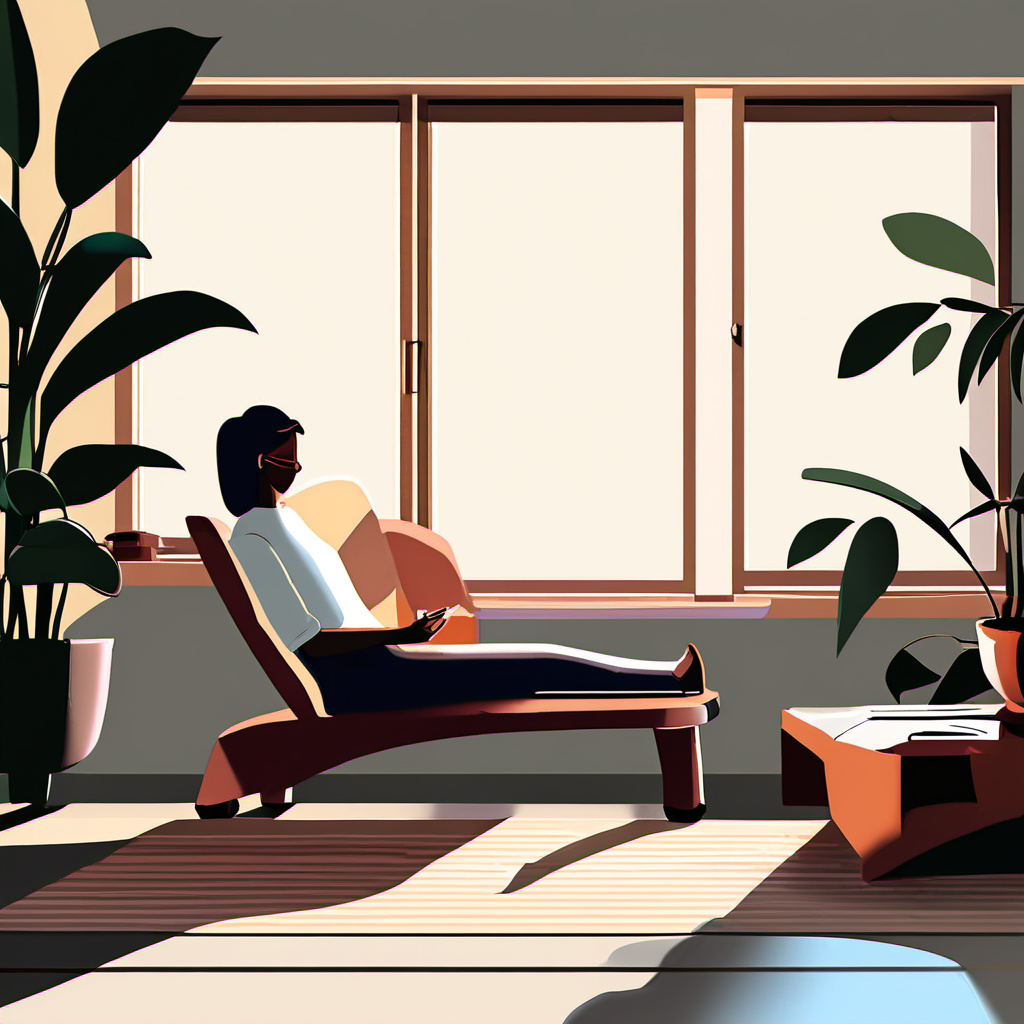
Start by designating a specific area in your home as a relaxation zone. This doesn’t need to be an entire room—a corner of your bedroom, a comfortable chair by a window, or even a cushioned spot on the floor can work perfectly. The key is consistency: use this space primarily for relaxation activities, not for work or stressful tasks.
Consider the sensory elements of your relaxation space. Soft lighting, whether from lamps with warm bulbs or natural light filtered through curtains, creates a calming atmosphere. Remove or silence electronic devices that might interrupt you with notifications. Add elements that engage your senses in soothing ways: a soft blanket for comfort, a small plant for visual calm, or an essential oil diffuser with lavender or chamomile for aromatherapy.
Temperature matters too. Most people find slightly cool environments (around 65-68°F or 18-20°C) conducive to relaxation. If you can control the temperature in your relaxation space, experiment to find what feels most comfortable for you.
Keep this space tidy and inviting. When your relaxation zone is ready and waiting for you, you’re more likely to use it regularly. This simple environmental cue can make the difference between intending to relax and actually doing it.
Building a Sustainable Daily Relaxation Routine
Consistency transforms relaxation from an occasional indulgence into a sustainable practice that yields lasting benefits. Building a daily relaxation routine doesn’t mean adding another obligation to your to-do list—it means identifying small pockets of time and using them intentionally.
Start with just five to ten minutes per day. Many people find success with “bookend” relaxation: a brief practice in the morning to set a calm tone for the day and another in the evening to transition from activity to rest. Morning relaxation might include gentle stretching, deep breathing while still in bed, or a few minutes of meditation before checking your phone. Evening relaxation could involve a warm bath, progressive muscle relaxation, or journaling about the day.
The key to building a sustainable routine is linking your relaxation practice to an existing habit. This technique, called habit stacking, makes new behaviors easier to remember and maintain. For example, you might practice deep breathing right after brushing your teeth, do a body scan meditation after your morning coffee, or stretch while your dinner is cooking.
Track your practice in a simple way—a checkmark on a calendar, a note in your phone, or a dedicated app. Seeing your consistency builds motivation and helps you notice patterns about when and how you relax most effectively.
Be flexible and compassionate with yourself. Some days you’ll have more time and energy for relaxation than others. On particularly busy or stressful days, even two minutes of intentional deep breathing counts. The goal is regularity, not perfection.
Mastering Breath Work as Your Foundation
Your breath is the most accessible and powerful relaxation tool you have. Unlike many relaxation techniques that require specific environments or equipment, conscious breathing is available to you anywhere, anytime. Learning to regulate your breath gives you direct control over your nervous system’s stress response.
When you’re stressed, your breathing becomes shallow and rapid, often centered in your chest. This pattern actually reinforces the stress response, creating a feedback loop that keeps you anxious and tense. Conversely, slow, deep breathing that engages your diaphragm signals your nervous system that you’re safe, triggering the relaxation response.
Start with basic diaphragmatic breathing. Place one hand on your chest and one on your belly. As you breathe in through your nose, the hand on your belly should rise while the hand on your chest remains relatively still. Exhale slowly through your mouth or nose. Practice this for just a few minutes, focusing on making your exhale slightly longer than your inhale.
The 4-7-8 breathing technique is particularly effective for relaxation. Inhale quietly through your nose for a count of four, hold your breath for seven counts, then exhale completely through your mouth for eight counts. This pattern helps calm racing thoughts and prepares your body for rest. Repeat the cycle three to four times.
Box breathing offers another simple structure: inhale for four counts, hold for four, exhale for four, hold for four, then repeat. This technique is especially helpful when you need to shift from a stressed state to a calm one quickly.
The beauty of breath work is its versatility. You can practice it while sitting in traffic, waiting in line, lying in bed, or during a brief break at work. Over time, conscious breathing becomes an automatic tool you reach for whenever tension arises.
Disconnecting from Technology Intentionally
Our devices keep us in a state of continuous partial attention, fragmenting our focus and preventing true relaxation. The constant stream of notifications, emails, news, and social media updates triggers small stress responses throughout the day, accumulating into significant mental and physical tension.
Mastering relaxation requires establishing clear boundaries with technology. This doesn’t mean abandoning your devices entirely—it means using them intentionally rather than reflexively. Start by identifying your patterns. Notice when you reach for your phone out of habit rather than necessity. Pay attention to how you feel after scrolling through social media or reading news. Many people discover that these activities increase rather than decrease their stress.
Create technology-free zones and times in your life. Designate your bedroom as a device-free space, or at least keep phones out of arm’s reach from your bed. Establish specific times when you disconnect completely—perhaps the first hour after waking and the last hour before sleep, or during meals with family.
Use your device’s built-in tools to support your boundaries. Set “Do Not Disturb” schedules, turn off non-essential notifications, and consider using grayscale mode to make your screen less visually stimulating. Some people find it helpful to physically remove tempting apps from their phones during designated relaxation periods.
Replace mindless scrolling with intentional relaxation activities. When you feel the urge to check your phone, pause and ask yourself what you actually need in that moment. Often, you’re seeking a mental break—and there are far more restorative ways to get one. Take a short walk, practice a breathing exercise, stretch, or simply sit quietly for a few moments.
The goal isn’t to demonize technology but to become conscious of how and when you use it. When you control your devices rather than letting them control you, you reclaim significant mental space for genuine relaxation.
Engaging Your Body Through Gentle Movement
Physical tension and mental stress are intimately connected. When your mind is anxious, your muscles contract. When your body is tight and uncomfortable, your thoughts become more stressed. Gentle, mindful movement breaks this cycle and creates space for deep relaxation.
Unlike intense exercise, which can be energizing and even stimulating, relaxation-focused movement is slow, gentle, and awareness-based. Restorative yoga, tai chi, gentle stretching, and slow walking all engage your body in ways that promote the relaxation response rather than the stress response.
A simple evening stretching routine can dramatically improve your ability to relax. Focus on areas where stress commonly accumulates: your neck, shoulders, jaw, and hips. Hold each stretch for at least 30 seconds, breathing deeply and releasing tension with each exhale. The goal isn’t flexibility or achievement—it’s sensation and release.
Progressive muscle relaxation is a powerful technique that systematically releases tension throughout your body. Starting with your toes, tense each muscle group for five seconds, then release and notice the feeling of relaxation that follows. Move progressively up through your legs, torso, arms, and face. This practice helps you recognize what tension feels like so you can release it more easily throughout the day.
Walking meditation combines gentle movement with mindfulness. Walk slowly and deliberately, paying attention to each sensation: the feeling of your feet touching the ground, the movement of your legs, the swing of your arms, the air on your skin. When your mind wanders, gently bring your attention back to the physical sensations of walking.
Even micro-movements can promote relaxation. Rolling your shoulders, gently tilting your head side to side, or wiggling your toes all help release accumulated tension. Set reminders to check in with your body several times throughout the day and release any tension you notice.
Cultivating Mindfulness and Present-Moment Awareness
Much of our stress comes from mental time travel—ruminating about the past or worrying about the future. Present-moment awareness anchors you in the here and now, where most of the time, things are actually okay. Mindfulness is simply the practice of paying attention to your current experience without judgment.
You don’t need to be a meditation expert to benefit from mindfulness. Start with everyday activities you already do. When you wash your hands, actually feel the water temperature and texture of the soap. When you eat, notice the flavors, textures, and sensations of each bite. When you listen to someone speak, give them your full attention rather than planning your response.
Formal meditation practice deepens your mindfulness capacity. Begin with just five minutes of sitting quietly and observing your breath. When thoughts arise—and they will—simply notice them without getting caught up in their content, then gently return your attention to your breath. You’re not trying to stop thinking; you’re practicing the skill of not being controlled by every thought that passes through your mind.
Body scan meditation builds both mindfulness and relaxation. Lie down comfortably and systematically move your attention through each part of your body, from your toes to the crown of your head. Simply notice sensations without trying to change them. This practice helps you recognize and release tension while cultivating present-moment awareness.
Mindful observation offers another entry point. Spend a few minutes simply observing something in your environment—a plant, clouds moving across the sky, rain on a window. Notice details you normally overlook. This practice trains your mind to focus and simultaneously provides a mental break from stress-producing thoughts.
The more you practice mindfulness, the more you’ll notice when you’ve been pulled out of the present moment by stress or worry. This awareness itself is valuable—you can’t change patterns you don’t notice. Over time, present-moment awareness becomes a reliable refuge from stress.
Designing an Evening Wind-Down Ritual
The quality of your sleep depends largely on how you transition from the activity of your day to the rest of your night. A consistent evening wind-down ritual signals to your body and mind that it’s time to shift into relaxation mode, making both evening relaxation and quality sleep more accessible.
Start your wind-down routine at the same time each evening, ideally 60 to 90 minutes before your intended sleep time. This consistency helps regulate your circadian rhythm and makes the transition to relaxation feel more natural over time.
Begin by dimming the lights in your home. Bright light, especially blue light from screens, suppresses melatonin production and signals to your brain that it’s still daytime. Use lamps with warm bulbs or candles to create a naturally darkening environment that mirrors the sunset.
Your wind-down routine should include activities that genuinely relax you, not just activities you think should be relaxing. For some people, this might include reading fiction, gentle stretching, taking a warm bath, or listening to calming music. For others, it might involve journaling, doing a puzzle, or preparing items for the next day to reduce morning stress.
Keep your wind-down activities low-stimulation. Avoid intense conversations, work tasks, vigorous exercise, or consuming news and social media. If you watch television, choose calming content rather than action-packed shows or disturbing news programs.
Temperature plays a role in your wind-down routine. A warm bath or shower 60 to 90 minutes before bed causes your body temperature to rise temporarily, then fall as you cool down afterward. This drop in core body temperature naturally promotes sleepiness and relaxation.
End your routine with a brief gratitude practice or reflection on the day. This doesn’t need to be elaborate—simply acknowledging three things from your day, whether positive experiences or challenges you handled, helps your mind settle and shift from processing to resting.
Recognizing and Releasing Unconscious Tension Patterns
Most of us carry chronic tension in specific areas of our bodies without even realizing it. You might habitually clench your jaw during concentration, hunch your shoulders while reading emails, or grip your steering wheel far tighter than necessary. These unconscious tension patterns drain your energy, contribute to pain and discomfort, and keep your nervous system in a heightened state even when there’s no immediate stressor present.
Developing body awareness is the first step in releasing these patterns. Throughout your day, set periodic reminders to check in with your body. When the reminder sounds, pause whatever you’re doing and scan for tension. Are your shoulders up near your ears? Is your jaw clenched? Are you holding your breath? Are your hands formed into fists? Simply noticing these patterns without judgment begins to interrupt them.
Common tension hotspots include the jaw, which many people clench unconsciously during stress or concentration. If you notice jaw tension, try placing the tip of your tongue on the roof of your mouth just behind your front teeth—this naturally relaxes the jaw muscles. For shoulder tension, imagine your shoulder blades melting down your back like warm honey. For hand tension, practice keeping your hands in a relaxed, slightly open position rather than clenched.
Some tension patterns develop from habitual postures, particularly those we hold while working. If you spend hours at a computer, you might develop forward head posture, rounded shoulders, or a compressed spine. These postural patterns create muscular imbalances that require conscious correction. Consider taking brief postural resets every 30-45 minutes: stand up, roll your shoulders back and down, lengthen your spine, and take three deep breaths before returning to your task.
Facial tension is particularly insidious because we rarely think about it. Many people furrow their brow, squint slightly, or tighten their facial muscles throughout the day. Try a “face softening” practice: consciously relax your forehead, allow your eyes to soften their focus, release your jaw, and let your tongue rest gently in your mouth. Notice how releasing facial tension often produces a subtle but immediate sense of relief throughout your entire body.
When you identify a chronic tension pattern, explore what triggers it. Does your jaw clench when you check work emails? Do your shoulders rise during phone conversations? Understanding these connections helps you intervene earlier in the tension cycle. Over time, your body begins to recognize and release tension more automatically, reducing the cumulative stress load you carry throughout each day.
Using Natural Environments to Amplify Relaxation Effects
Nature has a profound and well-documented effect on human stress physiology. Studies consistently show that time spent in natural environments lowers cortisol levels, reduces blood pressure, decreases muscle tension, and improves mood more effectively than equivalent time spent indoors or in urban settings. This phenomenon, sometimes called the “nature effect,” offers a powerful enhancement to any relaxation practice.
You don’t need wilderness access to benefit from nature’s relaxation effects. A local park, your backyard, a tree-lined street, or even a window with a view of greenery can provide measurable benefits. The key is engaging your senses with natural elements rather than simply being physically present in an outdoor space while your attention remains on your phone or worries.
Practice “forest bathing” or shinrin-yoku, a Japanese approach that involves slowly walking through natural areas while consciously engaging all your senses. Notice the quality of light filtering through leaves, the texture of tree bark, the sound of wind moving through branches, the scent of earth or pine, the feeling of air on your skin. This multisensory engagement interrupts rumination and grounds you in immediate sensory experience.
Water has particularly strong relaxation properties. The sound of moving water—whether a stream, fountain, rain, or ocean waves—naturally entrains brain waves into more relaxed states. If you have access to natural water features, spend time near them. If not, consider a small indoor fountain or high-quality recordings of water sounds. The negative ions produced by moving water may also contribute to improved mood and relaxation, though research on this mechanism is still developing.
Even bringing elements of nature indoors enhances relaxation. Indoor plants not only improve air quality but also provide a focus for attention that promotes calm. Tending to plants—watering, pruning, repotting—offers a mindful activity that engages you physically while producing something tangible. Natural materials like wood, stone, and natural fibers create a sensory environment that feels more calming than synthetic materials.
If you live in an urban environment with limited green space, seek out whatever nature is available. A rooftop with sky views, a community garden, or a botanical garden can all provide the nature connection that amplifies relaxation. Morning or evening hours often offer the added benefit of softer light and fewer crowds, creating a more peaceful experience.
Addressing the Internal Resistance to Relaxation
Many people intellectually understand that relaxation is important yet find themselves unable to actually do it consistently. This resistance often has deeper roots than simple time constraints or forgetfulness. Examining and addressing this internal resistance is essential for developing a sustainable relaxation practice.
For some, relaxation triggers guilt or feelings of laziness, particularly if you grew up in an environment that equated busyness with worthiness. You might carry unconscious beliefs that rest must be earned through productivity, or that taking time to relax is selfish when there are always tasks undone. These beliefs create an internal conflict where part of you knows you need to relax while another part judges you for doing so.
Challenge these beliefs by examining their origins and validity. Ask yourself: who benefits from my exhaustion? What evidence do I have that rest makes me less productive rather than more? What would I tell a friend who expressed these same concerns? Often, interrogating these beliefs reveals they don’t hold up to scrutiny. Replacing them with more accurate beliefs—such as “rest enables me to show up more fully for what matters” or “my worth isn’t determined by my productivity”—creates space for guilt-free relaxation.
Others resist relaxation because stillness brings uncomfortable thoughts or feelings to the surface. When you’re constantly busy, you can avoid processing difficult emotions or confronting problems that need attention. Relaxation removes this distraction, which can feel threatening. If this resonates with you, start with active forms of relaxation like gentle movement or nature walks, which provide enough engagement to feel safe while still promoting genuine rest. Gradually work toward stillness as your capacity to be with difficult feelings grows.
Perfectionism creates another form of resistance. If you approach relaxation as yet another thing to optimize and excel at, you undermine its purpose. There’s no such thing as “doing relaxation wrong” unless you’re genuinely not relaxing. Release expectations about how your practice should look or feel. Some sessions will feel deeply restful; others will feel restless or distracted. Both are part of the process.
Fear of losing control or becoming complacent can also drive resistance. You might worry that if you truly relax, you’ll lose your edge, miss important details, or stop caring about your responsibilities. In reality, the opposite is true: adequate rest sharpens your focus, improves decision-making, and sustains long-term performance far better than perpetual stress. Reframe relaxation not as checking out but as the foundation that enables you to show up fully for what matters.
Developing Personalized Relaxation Techniques for Different Situations
No single relaxation technique works equally well for everyone in every situation. Effective relaxation requires building a diverse toolkit of techniques and learning which ones work best for you in specific contexts. This personalization makes your practice both more effective and more sustainable.
Consider your sensory preferences when selecting relaxation techniques. Some people are primarily visual and find guided imagery or watching natural scenes deeply relaxing. Others are more auditory and benefit most from music, nature sounds, or voice-guided practices. Kinesthetic individuals often prefer movement-based approaches like stretching, tai chi, or progressive muscle relaxation. Experiment with techniques that engage your dominant sensory mode.
Your energy level should also guide technique selection. When you’re exhausted, active techniques like walking meditation or gentle yoga might feel more accessible than sitting still, which could simply make you drowsy. Conversely, when you’re wired and overstimulated, vigorous movement might amp you up further rather than calming you down. Match your technique to your current state rather than forcing yourself into practices that don’t fit.
Different situations call for different approaches. For acute stress—like right before a presentation or difficult conversation—quick-acting techniques like box breathing or a brief grounding exercise work best. For chronic, accumulated stress, longer practices like a restorative yoga session or extended time in nature provide deeper relief. For emotional distress, expressive techniques like journaling or talking with a trusted friend might be more effective than purely physical approaches.
Create situation-specific relaxation protocols. Develop a pre-sleep routine that’s distinct from your midday stress-break practice. Design a quick reset protocol for moments when you feel overwhelmed at work. Build a weekend relaxation ritual that’s more expansive than what’s feasible on weekdays. Having these preset protocols removes decision fatigue when you’re stressed and need relaxation most.
Track what works for you. Keep simple notes about which techniques you try and how you feel afterward. You might discover patterns—perhaps morning meditation leaves you centered while evening meditation makes you restless, or that nature walks work better on workdays while creative hobbies provide better weekend relaxation. This self-knowledge allows you to spend your limited time and energy on approaches that actually work for you rather than what works for others or what you think should work.
Building Social Connection as a Relaxation Practice
While much relaxation guidance focuses on solitary practices, quality social connection is one of the most powerful stress-reduction tools available. Positive interactions with others trigger the release of oxytocin, which counteracts cortisol and promotes feelings of calm and safety. Yet not all social interaction is equally relaxing—in fact, some social situations can be significant stressors.
Relaxing social connection has specific qualities. It feels safe, meaning you can be authentic without fear of judgment or criticism. It’s reciprocal rather than one-sided, with both people contributing and receiving support. It exists in the present moment rather than being dominated by problem-solving or future planning. And it includes comfortable silence—the ability to simply be together without constant conversation.
Prioritize depth over breadth in your social connections. Research consistently shows that a few close, supportive relationships provide more stress-buffering benefits than many superficial connections. Identify the people in your life whose presence naturally helps you relax, and intentionally spend more time with them. Notice how you feel during and after interactions with different people—relaxed and energized, or drained and tense?
Create low-pressure social rituals that emphasize connection over activity. A weekly walk with a friend, a monthly dinner with family, or a regular video call with a distant loved one provides consistent connection without the stress of coordinating complex activities. These rituals become something to look forward to, breaking up the week’s stress with reliable moments of ease.
Physical touch from trusted others activates the parasympathetic nervous system and promotes relaxation. Hugs, hand-holding, or sitting close to someone you care about all trigger physiological calm. If you live with family or a partner, brief moments of physical connection throughout the day—a hug when you reunite after work, holding hands while watching something together, a back rub while talking—accumulate into significant stress reduction.
For those who live alone or lack nearby social connections, pets can provide similar benefits. The rhythmic action of petting an animal lowers blood pressure and heart rate. The non-judgmental presence of a pet offers companionship without the complexity of human relationships. Even watching fish in an aquarium has been shown to reduce stress and promote relaxation.
Balance social connection with solitude. Introverts particularly need adequate alone time to recharge, and even extroverts benefit from periods of solitude for reflection and rest. The goal isn’t constant connection but rather a sustainable rhythm that includes both meaningful social interaction and restorative time alone.
Transforming Mundane Activities into Relaxation Opportunities
Relaxation doesn’t always require setting aside dedicated time for special practices. Many ordinary activities you’re already doing can become relaxation opportunities when approached with intention and awareness. This integration makes relaxation more accessible and sustainable, especially during busy periods when carving out extra time feels impossible.
Commuting, often seen as dead time or a source of stress, can become a valuable relaxation period. If you drive, turn off the radio periodically and practice conscious breathing or simply notice your surroundings without the constant audio input. If you use public transit, resist the urge to immediately pull out your phone. Spend a few minutes just watching the scenery pass, noticing the play of light and shadow, or observing the rhythm of the journey. This small shift from distraction to presence can transform a stressful commute into a transitional buffer between home and work.
Waiting—in line, for an appointment, for your coffee to brew—typically triggers impatience and the impulse to fill the time with phone scrolling. Instead, treat these moments as micro-meditation opportunities. Take three slow, deep breaths. Notice five things you can see, four you can hear, three you can feel, two you can smell, and one you can taste. This 5-4-3-2-1 grounding technique takes less than a minute and interrupts the stress of waiting while bringing you into the present moment.
Household chores become relaxation practices when you shift from rushing through them to engaging with them fully. Washing dishes can be a sensory meditation: notice the temperature of the water, the texture of soap bubbles, the sound of dishes being cleaned, the satisfaction of creating order. Folding laundry becomes an opportunity for mindful, repetitive motion. Cooking transforms into a creative, sensory-rich activity when you’re not simultaneously trying to answer emails or watch television.
Personal care routines offer built-in relaxation opportunities. Your morning shower can be purely functional, or it can be a deliberate transition ritual where you consciously wash away sleep and prepare mentally for the day. Apply lotion slowly and mindfully rather than rushing through the motion. Brush your teeth with full attention to the sensations rather than mentally rehearsing your to-do list. These activities already exist in your schedule; they simply need your presence.
Eating is perhaps the most universally available relaxation opportunity that most people miss entirely. Instead of eating while working, driving, or staring at screens, designate at least one meal or snack per day as a mindful eating practice. Sit down without distractions. Notice colors, textures, and aromas before taking a bite. Chew slowly and actually taste your food. Put down your utensil between bites. This practice not only promotes relaxation but often improves digestion and satisfaction with less food.
The key to transforming mundane activities is remembering that relaxation is about the quality of your attention, not the nature of the activity itself. Almost any moment can become restorative when you bring full presence to it rather than treating it as an obstacle to something else.
Sustaining Your Practice Through Inevitable Setbacks
No relaxation practice remains perfectly consistent indefinitely. Life circumstances change, motivation wanes, crises demand your attention, and periods of high stress make consistent practice feel impossible. How you navigate these inevitable disruptions determines whether relaxation becomes a lifelong skill or another abandoned self-improvement attempt.
First, normalize the reality of inconsistency. You will miss days, even weeks. Your practice will sometimes feel mechanical rather than genuinely relaxing. You’ll have periods where everything you try seems ineffective. None of this means you’ve failed or that relaxation doesn’t work for you. It means you’re human and your practice exists within the complexity of real life.
When you notice you’ve fallen away from your practice, resist the urge to judge yourself or create an elaborate plan to get back on track. Instead, simply do one small relaxation activity today. Not tomorrow, not after you’ve figured out a new schedule—today. This could be as simple as three conscious breaths or a two-minute body scan. The action of returning matters more than the length or quality of that return.
Distinguish between genuinely not having time and not prioritizing time. Sometimes life truly doesn’t allow for your normal practice—caring for a sick family member, managing a work crisis, moving to a new home. During these periods, scale your expectations dramatically. Even 30 seconds of conscious breathing maintains the thread of your practice. Other times, honest examination reveals that you have time but aren’t using it for relaxation because other things feel more urgent or appealing. In these cases, reconnect with your motivation: why does relaxation matter to you?
Build in flexibility markers. Rather than committing to a rigid practice that must happen at exactly 6:30 AM every day, create parameters: “I practice relaxation for 5-10 minutes somewhere between waking and leaving for work.” This flexibility accommodates life’s natural variability while maintaining the commitment to practice.
Track patterns in when and why you fall away from practice. Do you abandon relaxation during high-stress periods when you need it most? Do you stop practicing when you feel good, as if relaxation is only for managing distress? Do you lose motivation when you don’t see immediate results? Understanding your patterns helps you intervene earlier and develop strategies specific to your obstacles.
Consider your practice as a relationship rather than a task. Relationships go through phases of closeness and distance, ease and difficulty, excitement and routine. You don’t abandon important relationships the moment they require effort. Similarly, your relaxation practice deserves commitment through its natural ebbs and flows. Some seasons will feel easy and nourishing; others will feel like maintenance. Both are valuable parts of a sustainable long-term practice.
Frequently Asked Questions About Mastering Relaxation
How long does it take to actually feel relaxed when practicing relaxation techniques?
The physiological relaxation response typically begins within 2-3 minutes of starting a relaxation practice like deep breathing or meditation. However, reaching a state of deep relaxation may take 10-20 minutes, especially when you’re first learning. With consistent practice over several weeks, you’ll find it easier to access relaxed states more quickly. Your nervous system becomes more efficient at shifting from stress to rest mode the more you practice. If you’re highly stressed or anxious, it may take longer initially, and that’s completely normal. The key is regular practice rather than expecting instant results.
Can I relax effectively if I only have a few minutes available?
Absolutely. While longer relaxation sessions offer more benefits, even brief practices provide real value. A two-minute breathing exercise can lower your heart rate and blood pressure. A five-minute body scan can release significant muscle tension. A ten-minute walk can shift your mental state. The key is making these short practices consistent rather than waiting for large blocks of time that rarely materialize. Think of brief relaxation moments as deposits in your wellness account—they accumulate over time. Many people find that several short relaxation breaks throughout the day are more sustainable and practical than one long session.
Why do I feel more anxious or uncomfortable when I first try to relax?
This is surprisingly common and completely normal. When you finally stop and become still, you may notice physical tension or emotional feelings that were masked by constant activity and distraction. Some people experience what’s called “relaxation-induced anxiety,” where the unfamiliarity of a calm state actually triggers discomfort. Your nervous system may be so accustomed to stress that relaxation feels strange or even threatening. This typically diminishes with continued practice as your body learns to trust the relaxation response. Start with very short sessions and gradually increase the duration. If discomfort persists or intensifies, consider working with a therapist who can help you process underlying issues.
Is it normal to fall asleep during relaxation practice, and does that mean I’m doing it wrong?
Falling asleep during relaxation practice usually indicates that you’re sleep-deprived rather than doing something wrong. If you consistently fall asleep during daytime relaxation practices, you may need to prioritize getting more nighttime sleep. That said, using relaxation techniques to help you fall asleep at bedtime is perfectly appropriate and effective. If you want to practice relaxation while staying awake, try practicing earlier in the day when you’re more alert, keep the room slightly cooler, sit up rather than lie down, or practice right after light physical activity. The goal is awareness and presence, but if your body truly needs sleep, that’s valuable information too.
How can I maintain a relaxation practice when my schedule is unpredictable or very demanding?
The key is flexibility and integration rather than rigidity. Instead of requiring a specific time and place, build a repertoire of relaxation techniques you can use in various situations. Practice breathing exercises during your commute, while waiting in line, or during brief work breaks. Do a one-minute body scan while your coffee brews. Practice mindful walking between meetings or tasks. Keep your relaxation practice simple and portable so demanding schedules don’t become an excuse for abandoning it entirely. Often the times when relaxation feels most difficult to fit in are precisely when you need it most. Even 30 seconds of conscious breathing is better than nothing and helps maintain your practice during challenging periods.
Related posts:
 Lindsay Ellingson’s Stress-Relieving Yoga Move
 How Teeth Grinding Changes Your Face
 Black Healing: Breathwork for Black Women’s Wellness
 Wake Up Zen: The Gentle Yoga Alarm That’s Replacing Jarring Morning Buzzers
 Tips to Minimize Muscle Tension
 5 Steps to Inner Calm
 Releasing Jaw Tension
 Relaxation Techniques for Anxiety: Medically Reviewed Methods