Asafoetida powder, often called the “hing” of Indian kitchens, is a powerful yet misunderstood spice. Its pungent aroma can intimidate beginners, but when used correctly it adds depth, umami, and a subtle onion‑garlic flavor to a wide range of dishes. This guide walks you through everything you need to know – from the botanical origins and different forms, to storage tips, cooking techniques, recipe ideas, and ethical purchasing. Whether you are a home cook experimenting with Indian cuisine, a vegetarian looking for a meat‑free flavor boost, or simply curious about this ancient ingredient, the following sections will give you practical, step‑by‑step guidance.
What Is Asafoetida?
Asafoetida is a resin obtained from the dried sap of several species of Ferula, a tall, herbaceous plant native to the arid regions of Iran, Afghanistan, and parts of the Himalayas. The sap hardens into a yellowish‑brown gum that is then ground into a fine powder or pressed into small tablets. The raw resin has an extremely strong, almost sulfurous scent that mellows dramatically when heated, revealing a flavor reminiscent of leeks, onions, and garlic.
Historically, asafula was prized not only as a culinary spice but also for its purported digestive benefits and use in traditional medicine. In contemporary cooking, it is most commonly employed in vegetarian and vegan recipes to replace the savory depth that meat or allium ingredients would otherwise provide.
Types and Forms of Asafoetida
While the core ingredient is the same, you will encounter asafoetida in several formats, each with its own handling considerations:
- Pure powder: Ground resin without any additives. This is the most potent form and is typically sold in small glass jars.
- Powder mixed with rice flour or wheat flour: The resin is blended with a neutral starch to reduce cost and make the spice easier to measure. The flour dilutes the flavor, so a slightly larger quantity is needed.
- Tablets or “hing” sticks: Compressed blocks of resin that can be crumbled into a powder before use. They are common in Indian grocery stores and often come in airtight tins.
- Essential oil: A highly concentrated liquid extracted from the resin. It is used sparingly in professional kitchens and should be diluted before adding to dishes.
For home cooking, pure powder or flour‑mixed powder are the most convenient. When buying, check the label for the presence of additives; pure resin will have a longer shelf life and a more authentic flavor.
How to Store Asafoetida Powder
Because asafoetida is a resin, it is prone to oxidation and moisture absorption, which can diminish its aroma and cause clumping. Follow these storage practices to keep it fresh:
- Airtight container: Transfer the powder from its original packaging into a small glass jar with a tight‑fitting lid. If the product comes in a tin, keep the lid sealed tightly after each use.
- Cool, dark place: Store the jar in a pantry away from direct sunlight, stovetop heat, and humidity. A temperature range of 60‑70°F (15‑21°C) is ideal.
- Avoid metal spoons: Use a dry, non‑metallic spoon (plastic or wooden) to scoop the powder. Metal can react with the resin over time.
- Use a desiccant packet: If you live in a humid climate, place a small food‑grade silica packet in the jar (ensure it does not touch the powder).
When stored correctly, pure asafoetida powder retains its potency for 1‑2 years. If you notice a loss of aroma or the powder turning overly brown, it is time to replace it.
Cooking Techniques and Flavor Development
The key to using asafoetida successfully is to temper it – gently heating the spice in oil or ghee at the start of cooking. This process volatilizes the harsh sulfur compounds and transforms the flavor into a mellow, savory note. Follow these steps:
- Measure a pinch: A typical serving is 1/8 to 1/4 teaspoon for a dish serving 4‑6 people. Because the flavor is intense, start with less; you can always add more later.
- Heat the fat: In a saucepan or skillet, melt 1‑2 teaspoons of oil, ghee, or coconut oil over medium heat. The fat should shimmer but not smoke.
- Add the asafoetida: Sprinkle the pinch directly into the hot fat. Stir quickly; the powder will fizz and release a fragrant aroma within seconds.
- Proceed with aromatics: Add onions, garlic, ginger, or other base ingredients after the asafoetida has settled (usually 10‑15 seconds). This layering ensures the spice infuses the oil without burning.
For recipes that do not start with a hot‑oil base (e.g., soups or stews), you can dissolve a pinch of asafoetida in a tablespoon of warm water or broth, then stir the mixture into the pot during the early simmering stage.
Classic Recipes Using Asafoetida Powder
Below are three versatile dishes that showcase asafoetida’s unique ability to enhance umami without relying on animal products.
1. Simple Lentil Dal
- Ingredients: 1 cup split red lentils, 3 cups water, 1/2 teaspoon turmeric, 1 pinch asafoetida, 1 teaspoon mustard seeds, 1 teaspoon cumin seeds, 2 dried red chilies, 2 tablespoons oil, 1 small onion (finely chopped), 2 cloves garlic (minced), salt to taste.
- Method:
- Rinse lentils and combine with water, turmeric, and a pinch of salt in a saucepan. Bring to a boil, then simmer 15‑20 minutes until soft.
- In a separate small pan, heat oil, add mustard and cumin seeds. When they sputter, add dried chilies, asafoetida, onion, and garlic. Sauté 2‑3 minutes.
- Pour the tempering into the cooked lentils, stir, and adjust seasoning. Serve hot with rice or flatbread.
2. Vegetable Stir‑Fry with Asafoetida
- Ingredients: 2 cups mixed vegetables (carrot, bell pepper, broccoli), 1 tablespoon soy sauce, 1 teaspoon sesame oil, 1 pinch asafoetida, 1 tablespoon peanut oil, 1 teaspoon grated ginger, 1 clove garlic (minced), 1 green onion (sliced).
- Method:
- Heat peanut oil in a wok over medium‑high heat.
- Add ginger, garlic, and asafoetida. Stir for 10 seconds until fragrant.
- Add vegetables and stir‑fry 4‑5 minutes until crisp‑tender.
- Finish with soy sauce, sesame oil, and green onion. Serve immediately over quinoa or noodles.
3. Chickpea “Egg‑less” Scramble
- Ingredients: 1 cup cooked chickpeas (mashed), 1/4 cup plant‑based milk, 1 pinch asafoetida, 1 teaspoon turmeric, 1 tablespoon olive oil, 1 small tomato (diced), 1 green chili (finely chopped), salt and pepper.
- Method:
- Heat oil in a skillet, add asafoetida and turmeric, stir for a few seconds.
- Add mashed chickpeas and plant milk, mixing to a smooth consistency.
- Cook 3‑4 minutes, stirring constantly, until the mixture thickens.
- Stir in tomato and green chili, season with salt and pepper, and serve as a breakfast scramble.
These recipes illustrate how a tiny amount of asafoetida can replace onion or garlic flavors, making them ideal for those with sensitivities or for fasting periods that restrict certain ingredients.
Substitutes and When to Use Them
If you cannot find asafoetida, consider these alternatives, keeping in mind the flavor profile and the dish’s purpose:
- Garlic‑onion powder: Provides a familiar savory base but lacks the earthy depth of asafoetida. Use a 1:1 substitution and increase the quantity slightly.
- Truffle oil (a few drops): Offers umami and earthiness, suitable for gourmet dishes but not a direct flavor match.
- Black salt (kala namak): Imparts a sulfurous note similar to asafoetida, especially in egg‑less scrambles or chaat.
- Fresh ginger + a splash of lemon juice: Works in stir‑fries where brightness is desired, though the flavor will be more citrusy.
Reserve asafoetida for recipes where its distinctive aroma is central—most Indian dals, pickles, and certain spice blends (like panch phoron). For Western‑style soups or sauces, the substitutes listed above are generally more appropriate.
Safety, Allergies, and Health Considerations
Asafoetida is safe for most people when used in culinary amounts. However, keep the following points in mind:
- Allergies: Rare, but individuals with a known sensitivity to other members of the Apiaceae family (e.g., carrots, celery, parsley) should test a tiny amount first.
- Pregnancy: Traditional texts advise moderation. A pinch per meal is considered low risk, but consult a healthcare provider if you have concerns.
- Digestive effects: The spice is known to aid digestion for some, but excessive consumption can cause stomach discomfort.
- Interaction with medications: Asafoetida may have mild blood‑thinning properties; if you are on anticoagulant medication, keep intake moderate.
Always store asafoetida away from children and pets, as its strong odor can be off‑putting but is not toxic.
Buying Guide – Quality Indicators
When purchasing asafoetida powder, assess the product on these criteria:
- Origin: Resins from Afghanistan and Iran are traditionally considered superior due to the climate that yields a richer aromatic profile.
- Purity: Look for labels that state “pure asafoetida” or list only the resin as an ingredient. If flour is present, the label should specify the type (rice or wheat) and the percentage.
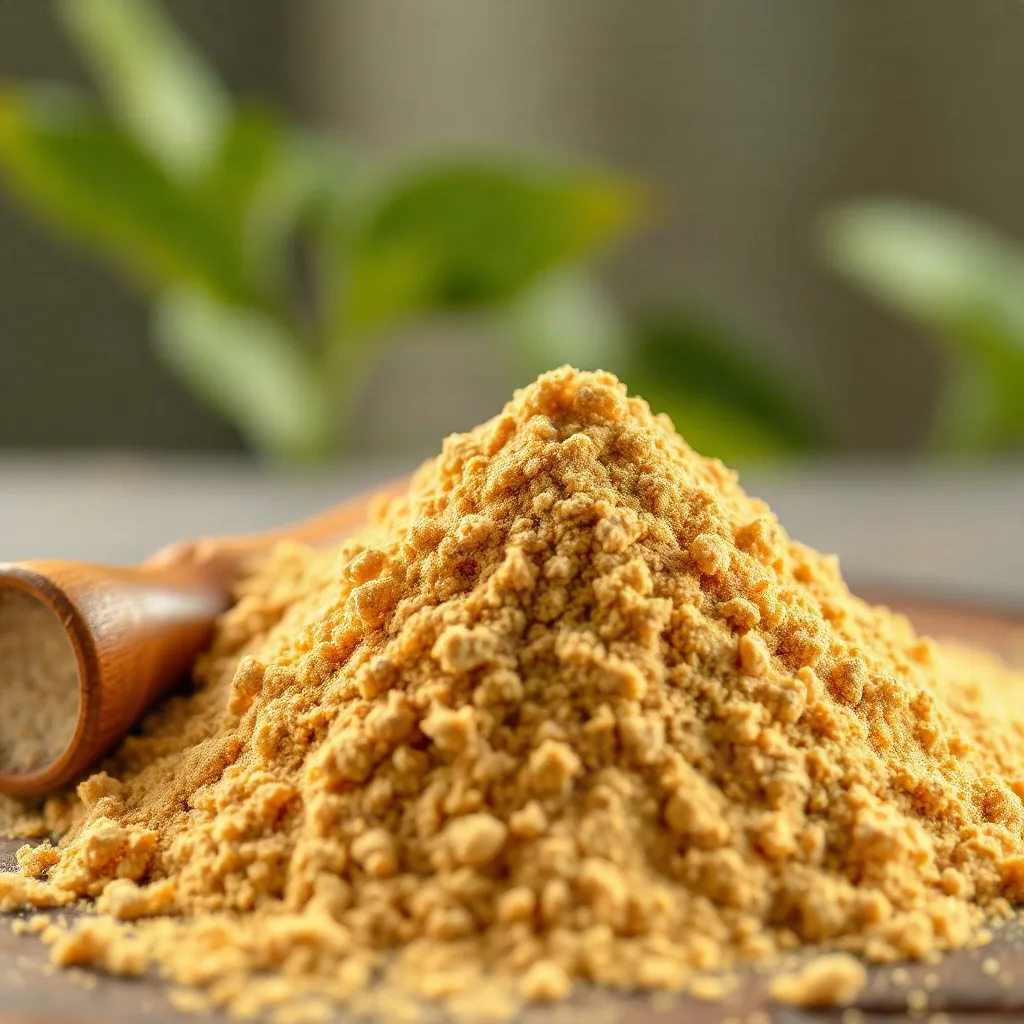
- Color and texture: High‑quality powder is a uniform light brown to amber and feels fine, not gritty.
- Packaging: Airtight glass jars or tin containers with a tight seal protect the resin from moisture and light.
- Price: Asafoetida is expensive relative to other spices. Extremely low prices often indicate diluted or counterfeit products.
Buy from reputable spice merchants, ethnic grocery stores, or online retailers with positive reviews. If possible, request a sample before purchasing a bulk quantity.
Sustainable Sourcing and Ethical Choices
Asafoetida cultivation occurs in fragile desert ecosystems. Sustainable practices include:
- Supporting small‑holder farmers: Purchase from cooperatives that pay fair wages and invest in community development.
- Organic certification: Reduces the need for synthetic pesticides that can harm the soil and local wildlife.
- Minimal processing: Choosing pure resin avoids the waste associated with adding starch fillers.
- Packaging waste: Opt for glass jars that are reusable or recyclable rather than single‑use plastic bags.
When you prioritize these factors, you help preserve the traditional harvest methods that have sustained communities for centuries.
Global Traditions Featuring Asafoetida
While the spice is most closely associated with Indian cuisine, its use stretches across a swath of arid regions where the Ferula plant thrives. In the cuisines of Iran, Afghanistan, and parts of Central Asia, asafoetida appears in distinct forms and serves unique culinary purposes.
Iranian stews (khoresh): In the northern provinces of Iran, a pinch of asafoetida is added to bean‑based khoresh such as khoresh-e loobia. The resin balances the earthiness of the beans and reduces the perception of bitterness that can arise from prolonged simmering.
Afghan mantu and aush: Afghan dumplings (mantu) and thick noodle soups (aush) often incorporate a tiny amount of asafoetida in the oil‑based tempering that crowns the dish. The spice pairs especially well with the generous amounts of dried mint and yogurt that finish these dishes, creating a layered aroma that survives the high‑altitude cooking environment of the Hindu Kush.
Turkmen pilaf (plov): In Turkmenistan, a traditional plov may include a small piece of asafoetida dissolved in hot water before the rice is added. The resin helps to bind the flavors of the carrots, raisins, and caramelized onions, giving the pilaf a subtle, lingering umami note that distinguishes it from neighboring Uzbek versions.
Levantine pickles: In some Syrian and Lebanese households, asafoetida is mixed with salt, vinegar, and whole spices to produce a quick pickle brine for cucumbers and turnips. The resin’s sulfur compounds act as a natural preservative, extending shelf life while imparting a faint, savory depth that complements the sharpness of the vinegar.
These regional applications illustrate that asafoetida is not limited to vegetarian Indian fare; it is a versatile aromatic that can enhance meat, dairy, and preserved foods across cultures.
Fusion Cooking: Modern Pairings and Plating Ideas
Contemporary chefs are re‑imagining asafoetida beyond its traditional roles, pairing it with ingredients that rarely meet in classic recipes. Below are three inventive concepts that showcase the spice’s adaptability.
1. Asafoetida‑Infused Miso‑Butter for Grilled Vegetables
- Blend softened butter with a pinch of asafoetida, a tablespoon of white miso, and a splash of lemon juice.
- Spread the compound butter on thick‑cut zucchini, eggplant, or portobello caps before grilling.
- The miso adds salty depth, while the asafoetida supplies an onion‑garlic echo that makes the vegetables taste richer without extra oil.
2. Charred Corn Salad with Asafoetida‑Lime Vinaigrette
- Char corn kernels on a grill, then toss with diced red bell pepper, cilantro, and crumbled feta.
- Whisk together olive oil, lime juice, a pinch of asafoetida, a dash of honey, and a pinch of smoked paprika.
- The vinaigrette brightens the sweet corn while the asafoetida provides a subtle savory backbone that mimics the flavor of roasted onions.
3. Coconut‑Milk Risotto with Asafoetida and Lime Zest
- Start a classic risotto with coconut milk, vegetable stock, and a pinch of asafoetida added to the oil before the rice is toasted.
- Finish with fresh lime zest and toasted coconut flakes for contrast.
- This dish is dairy‑free yet delivers the creamy, umami‑rich mouthfeel of traditional risotto, thanks to the resin’s flavor‑enhancing power.
When plating, consider sprinkling a micro‑dust of asafoetida (mixed with powdered rice flour) over the final dish. The dust adds visual intrigue and a burst of aroma at the table.
Infused Media: Making Asafoetida Oils, Ghee, and Emulsions
Infusing a fat medium with asafoetida allows you to distribute its flavor evenly throughout a recipe, reducing the need for repeated tempering steps. Below are three methods that work well in home and professional kitchens.
Oil Infusion
- Combine 1 cup of neutral oil (such as grapeseed or sunflower) with 1/2 teaspoon of pure asafoetida powder in a small saucepan.
- Warm over low heat for 5‑7 minutes, stirring constantly. Do not let the oil smoke; the goal is gentle volatilization.
- Remove from heat, let cool, then strain through a fine‑mesh sieve or cheesecloth into a sterilized amber bottle.
- Store in a cool, dark place and use a teaspoon per tablespoon of oil in dressings, marinades, or stir‑fries.
Ghee Infusion
- Start with 1 cup of clarified butter. Add a pinch of asafoetida and a few crushed cumin seeds.
- Heat gently until the cumin turns golden and the asafoetida sizzles, about 2 minutes.
- Strain and let the ghee solidify at room temperature. The resulting ghee carries a mellow, onion‑like aroma that can be spooned onto breads or used for sautéing vegetables.
Emulsion for Sauces
To create a stable vinaigrette or aioli that showcases asafoetida, first make a “spice paste” by blending a pinch of powder with a teaspoon of warm water until smooth. Whisk this paste into an egg‑yolk base (or vegan aquafaba) before slowly drizzling in oil. The water‑based paste helps disperse the resin evenly, preventing the dreaded grainy texture that can appear when the powder contacts oil directly.
These infused media can be prepared in batches, labeled, and stored for up to three months, giving cooks quick access to asafoetida’s flavor without the need for immediate tempering.
Common Pitfalls and How to Fix Them
Even seasoned cooks encounter challenges when working with asafoetida. Recognizing the symptoms early saves time and preserves the dish’s balance.
Clumping in the Jar
If the powder forms hard lumps, it has absorbed moisture. Transfer the contents to a dry skillet and gently toast over low heat for 30 seconds, stirring constantly. The heat drives off residual moisture and breaks up aggregates. Allow the powder to cool, then sift through a fine mesh before using.
Overpowering Bitterness
When too much asafoetida is added, the dish can acquire a harsh, bitter edge. Counteract this by adding a sweet component (a teaspoon of jaggery, maple syrup, or a splash of coconut milk) and an acid (lemon juice or tamarind). The sweet‑acid balance neutralizes bitterness while preserving the spice’s savory character.
Uneven Distribution
Sprinkling the powder directly into a cold pan can cause it to settle in one spot, creating pockets of intense flavor. To avoid this, dissolve the pinch in a tablespoon of warm broth or oil before adding it to the main pot. This pre‑dissolution ensures a uniform spread.
Unexpected Sulfur Smell After Cooking
If the characteristic sulfur scent persists after cooking, the tempering temperature was likely too low, preventing the volatile compounds from breaking down. Increase the oil temperature slightly (until it shimmers) before adding the resin, and stir continuously for 5‑10 seconds. The aroma will transform into a pleasant, caramelized note.
Allergy‑Related Reactions
Although rare, some individuals experience a mild skin irritation when handling pure resin. Wear a thin pair of kitchen gloves when measuring the powder, and wash hands thoroughly afterward. If a reaction occurs, discontinue use and consult a medical professional.
Batch Production and Professional Kitchen Scaling
Restaurants and catering operations often need to incorporate asafoetida into large‑volume dishes without sacrificing consistency. Below is a step‑by‑step framework for scaling the spice safely.
Standardized Measurement
Establish a baseline: 1/8 teaspoon of pure asafoetida per 4‑serving batch of dal. Convert this to weight for accuracy—approximately 0.3 grams. Use a digital scale that measures to 0.01 gram to create a master “asafoetida packet” for each batch.
Pre‑Portioned Spice Packs
Prepare sealed, food‑grade sachets containing the exact weight needed for a given batch size (e.g., 0.3 g for 4 servings, 0.6 g for 8 servings). Store the sachets in a dry cabinet. This eliminates guesswork during service and speeds up line‑cook prep.
Large‑Scale Infusion
For sauces that serve 50‑100 guests, create an infused oil in a 5‑liter stainless steel container using the oil‑infusion method described earlier. A single batch of infused oil can be made with 10 g of asafoetida, providing enough flavor for dozens of dishes. Label the container with the infusion date and potency level.
Quality Control Checks
Before each service, conduct a quick aroma test: heat a teaspoon of the infused oil in a small pan and note the scent. If the aroma is muted, the oil may have oxidized and should be replaced. Rotate stock on a first‑in‑first‑out basis to maintain freshness.
Documentation
Record the exact amount of asafoetida used, the batch size, and any adjustments (e.g., additional lemon juice to balance bitterness). Over time, this log will reveal patterns that help fine‑tune recipes for different menu items.
Health‑Focused Uses: Low‑FODMAP, Gut Support, and Ayurvedic Applications
Beyond its culinary appeal, asafoetida offers several health‑related benefits that align with modern dietary trends and traditional healing systems.
Low‑FODMAP Friendly Seasoning
Many people on a low‑FODMAP diet avoid onions and garlic because they contain fructans that can trigger digestive distress. A pinch of asafoetida provides a comparable savory depth without the fermentable carbohydrates. When formulating a low‑FODMAP soup, replace the usual onion‑garlic base with 1/8 teaspoon of asafoetida tempered in olive oil, then proceed with low‑FODMAP vegetables such as carrots, zucchini, and spinach.
Prebiotic and Digestive Aid
Traditional Ayurvedic texts describe asafoetida as a carminative—an agent that reduces gas and bloating. Modern research suggests that the resin’s sulfur compounds may stimulate the secretion of digestive enzymes, facilitating the breakdown of proteins and complex carbs. To harness this effect, add a pinch of asafoetida to bean‑based dishes (dal, hummus, or lentil soup) at the start of cooking. The spice helps mitigate the flatulence often associated with legumes.
Blood‑Sugar Modulation
Preliminary studies indicate that asafoetida may slow carbohydrate absorption, leading to more stable post‑meal blood glucose levels. For diabetic‑friendly meals, incorporate asafoetida into grain‑based salads or roasted root vegetables, pairing it with low‑glycemic ingredients like quinoa or sweet potatoes.
Ayurvedic Dosha Balancing
In Ayurveda, asafoetida is classified as a warming, pungent herb that pacifies the Kapha dosha (associated with heaviness and congestion) while stimulating the digestive fire (agni). Individuals with a dominant Kapha constitution may benefit from adding asafoetida to morning smoothies or warm oat porridge to promote metabolic vigor.
Therapeutic Teas and Tonics
For a soothing digestive tea, steep a pinch of asafoetida in hot water for two minutes, then add a slice of ginger, a drizzle of honey, and a squeeze of lemon. This concoction can be sipped after a heavy meal to ease bloating. Note that the tea should be consumed warm, not hot, to avoid irritating the throat.
When integrating asafoetida into health‑focused regimens, start with the smallest possible amount and monitor personal tolerance, especially for those with sensitive stomachs or on anticoagulant medication.
Frequently Asked Questions
1. Can I use asafoetida powder in baking?
Yes, but sparingly. A pinch added to savory breads, crackers, or cheese‑free biscuits can provide a subtle depth reminiscent of caramelized onions. Because heat mellows the spice, incorporate it into the dry ingredients before mixing the dough.
2. Why does asafoetida smell so strong before cooking?
The raw resin contains volatile sulfur compounds that are responsible for its pungent odor. When heated in oil, these compounds break down, releasing a milder, umami‑rich flavor. This is why tempering is essential – it transforms the harsh scent into a pleasant aroma.
3. How much asafoetida should I use for a vegetarian curry?
For a curry serving 4‑6 people, start with 1/8 teaspoon of pure powder. If you are using a flour‑mixed variety, increase the amount to 1/4 teaspoon. Taste after a few minutes of simmering and add a pinch more if needed; it’s easier to add than to correct an overpowering flavor.
4. Is asafoetida gluten‑free?
Pure asafoetida resin is naturally gluten‑free. However, many commercial powders are blended with wheat flour as a filler. Always check the ingredient list; if gluten is a concern, select a product labeled “pure” or one that uses rice flour instead.
5. Can I grow asafoetida at home?
p
Ferula plants thrive in dry, well‑drained soils with full sun exposure. They are hardy in USDA zones 7‑9 but require a long, hot growing season. Growing the plant yourself is possible but challenging; most home cooks find it more practical to purchase the resin from reputable suppliers.