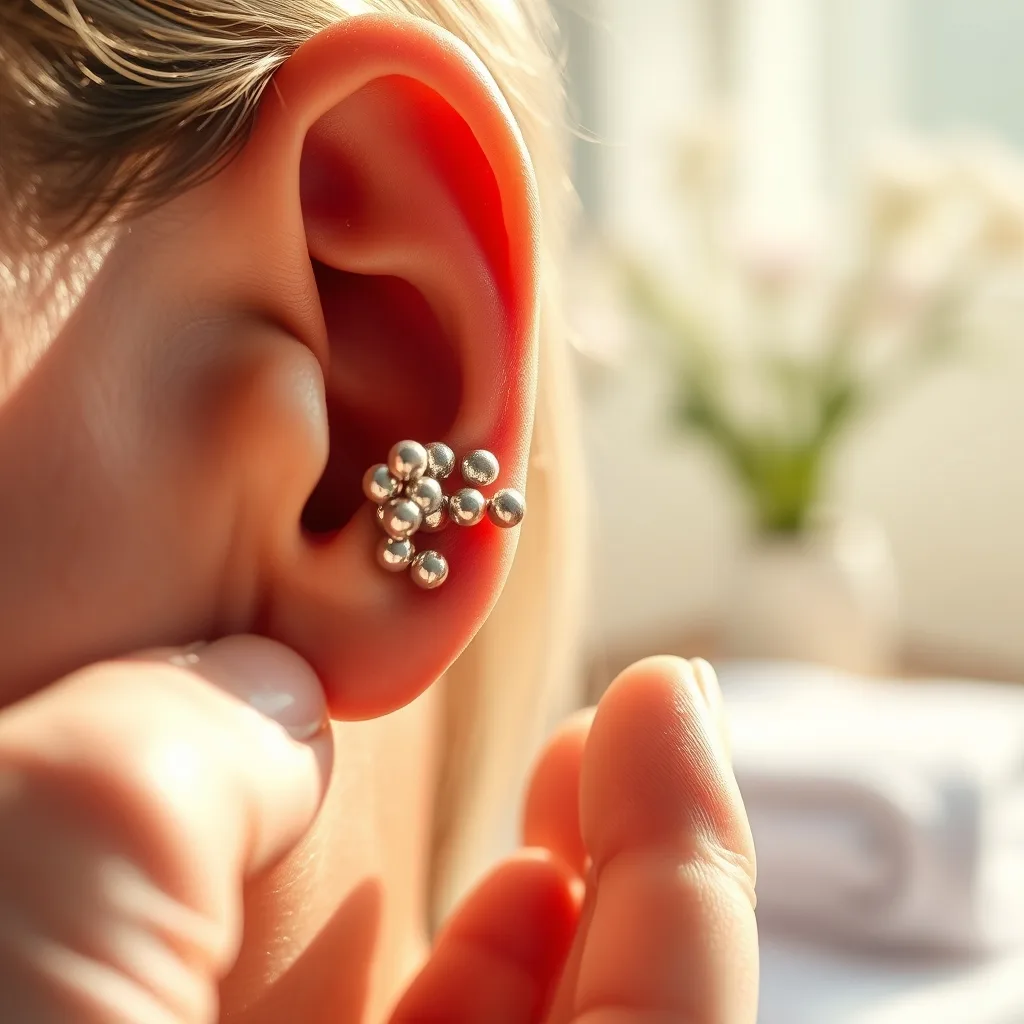
Auriculotherapy is a therapeutic practice rooted in the principle that specific points on the outer ear correspond to different organs, systems, and regions of the body. By stimulating these points through techniques such as acupuncture needles, seeds, beads, or electrical stimulation, practitioners aim to address various physical and emotional health concerns. While the practice has ancient origins in traditional Chinese medicine, modern auriculotherapy gained significant attention in the 1950s when French physician Dr. Paul Nogier developed detailed ear maps showing these connections.
Key takeaways
- Stimulating ear points may trigger endorphin release and activate neural pathways to help manage chronic pain and stress.
- The NADA protocol uses five specific ear points to help reduce cravings and withdrawal symptoms during addiction recovery.
- Non-invasive options like ear seeds or beads allow individuals to apply gentle pressure for continuous therapeutic benefits at home.
- Always consult a qualified professional, especially if you are pregnant, have a pacemaker, or take blood-thinning medications.
Understanding how auriculotherapy works, what conditions it may address, and what to expect during treatment can help you make informed decisions about incorporating this complementary therapy into your wellness routine. This article explores the foundations of auriculotherapy, its applications, the science behind it, and practical considerations for anyone curious about this unique approach to health and healing.
The Historical Roots and Modern Development of Auriculotherapy
The concept of using the ear for healing dates back thousands of years. Ancient Egyptian texts and traditional Chinese medicine documents reference ear stimulation for therapeutic purposes. However, the systematic mapping of the ear as a microsystem of the entire body is largely credited to Dr. Paul Nogier, who noticed that some of his patients had scars on their ears from cauterization treatments for sciatica performed by local healers.
Nogier’s observations led him to theorize that the ear resembles an inverted fetus, with the earlobe corresponding to the head and the upper portions relating to the lower body. Through careful clinical observation and experimentation during the 1950s and 1960s, he mapped over 200 points on the ear. His work was later acknowledged by the World Health Organization, which standardized 39 auricular points in 1990.
Today, auriculotherapy is practiced worldwide as both a standalone treatment and a complement to other therapies. It has been incorporated into various medical settings, including pain management clinics, addiction recovery programs, and integrative health centers. The practice continues to evolve as researchers study its mechanisms and clinical applications.
How Auriculotherapy Works: The Microsystem Theory
Auriculotherapy operates on the principle that the ear functions as a microsystem—a complete representation of the entire body in miniature form. This concept suggests that stimulating specific points on the ear can influence corresponding body parts or systems through neurological pathways.
The auricle (outer ear) is richly supplied with nerve endings connected to the central nervous system. The vagus nerve, trigeminal nerve, and branches from the cervical spinal nerves all innervate different regions of the ear. When specific points are stimulated, these neural pathways may send signals to the brain, which then communicates with the corresponding body area or system.
From a Western medical perspective, auriculotherapy may work through several mechanisms. Stimulation may trigger the release of endorphins and other neurotransmitters that help reduce pain and promote relaxation. It may also activate the autonomic nervous system, influencing stress responses and inflammation. Some researchers propose that auriculotherapy may affect the hypothalamus and other brain structures involved in regulating various bodily functions.
Traditional Chinese medicine explains auriculotherapy through the concept of qi (vital energy) and meridians. According to this view, all major meridians either begin or end in the ear, making it a powerful access point for balancing the body’s energy flow and addressing blockages that may contribute to illness or discomfort.
Common Conditions Addressed Through Auriculotherapy
Practitioners use auriculotherapy to address a wide range of physical and emotional concerns. Pain management is one of the most common applications, with people seeking treatment for chronic pain conditions, acute injuries, headaches, and post-surgical discomfort. The practice has been studied particularly for its potential to reduce pain without medication, making it appealing for those seeking non-pharmaceutical options.
Addiction and substance abuse treatment represents another significant area of application. The National Acupuncture Detoxification Association (NADA) protocol, which involves stimulating five specific ear points, has been used in numerous addiction treatment programs to help reduce cravings, ease withdrawal symptoms, and support recovery. This protocol has been implemented in settings ranging from outpatient clinics to correctional facilities.
Stress, anxiety, and sleep disturbances are frequently addressed through auriculotherapy. Points associated with relaxation and nervous system regulation may help activate the parasympathetic nervous system, promoting a sense of calm and improved sleep quality. Many people report feeling deeply relaxed during and after auriculotherapy sessions.
Weight management is another area where auriculotherapy is sometimes applied. Practitioners may stimulate points thought to influence appetite, metabolism, and digestion. While this should not replace healthy eating and physical activity, some individuals find it helpful as part of a comprehensive approach to weight concerns.
Additional conditions that may be addressed include digestive issues, allergies, hormonal imbalances, and various musculoskeletal problems. However, it’s important to note that auriculotherapy should complement, not replace, conventional medical care for serious health conditions.
Different Techniques and Methods Used in Auriculotherapy
Auriculotherapy encompasses several different stimulation methods, each with its own advantages. Traditional auricular acupuncture involves inserting very fine, sterile needles into specific ear points. These needles typically remain in place for 20 to 45 minutes during a session. Some practitioners use semi-permanent needles that stay in place for several days, though this is less common due to infection risk and practical considerations.
Ear seeds or beads represent a non-invasive alternative increasingly popular for self-care. These are small seeds (traditionally vaccaria seeds) or metal beads attached to adhesive tape and placed on specific points. They provide continuous gentle pressure and can remain on the ear for several days. Users can press on them periodically throughout the day to enhance stimulation. This method allows people to extend therapeutic benefits between practitioner visits and gives them an active role in their healing process.
Electrical stimulation involves using a small device that delivers microcurrents to ear points. This method allows practitioners to control the intensity and frequency of stimulation precisely. Some devices are designed for professional use, while others are available for home use, though professional guidance is recommended for selecting appropriate points and settings.
Laser auriculotherapy uses low-level laser therapy to stimulate points without penetrating the skin. This completely painless, non-invasive method is particularly suitable for children, people with needle phobias, or those who cannot tolerate other forms of stimulation. The therapeutic effects are thought to result from the laser’s influence on cellular processes and nerve signaling.
Manual pressure and massage of ear points represent the simplest form of auriculotherapy. While potentially less powerful than other methods, gentle massage or pressure applied to specific areas can provide relief and is completely safe for self-administration once you know which points to target.
What to Expect During an Auriculotherapy Session
A typical auriculotherapy session begins with an initial consultation where the practitioner asks about your health history, current concerns, medications, and treatment goals. They will examine your ears, looking for areas of tenderness, discoloration, or other changes that might indicate underlying imbalances. Some practitioners use specialized tools to detect electrical resistance changes at specific points, helping identify which areas to treat.
During treatment, you’ll usually sit or recline comfortably. The practitioner will clean the ear area and then apply the chosen stimulation method to selected points. If needles are used, you might feel a brief pinch or tingling sensation during insertion, but this typically subsides quickly. Many people find the process quite relaxing and may even fall asleep during treatment.
Session length varies depending on the technique used, but most appointments last between 30 and 60 minutes. If ear seeds or beads are applied, the practitioner will explain how to care for them, when to apply pressure, and when to return for follow-up. They’ll also discuss any sensations you might experience and signs that a point needs attention or should be removed.
After treatment, some people notice immediate effects such as reduced pain, improved mood, or deep relaxation. Others experience gradual changes over hours or days. Mild ear sensitivity or slight redness at treatment points is normal and typically resolves quickly. Serious side effects are rare when treatment is performed by a qualified practitioner following proper hygiene protocols.
The number of sessions needed varies widely based on the condition being addressed and individual response. Acute conditions might respond within one to three sessions, while chronic issues often require ongoing treatment. Your practitioner should discuss a treatment plan and adjust it based on your progress.
Scientific Evidence and Research Perspectives
The scientific community’s view of auriculotherapy remains mixed, with some studies showing promising results while others call for more rigorous research. A 2014 review published in Medical Acupuncture examined multiple studies and found evidence supporting auriculotherapy for pain management, though the authors noted methodological limitations in some studies.
Research on auriculotherapy for pain has produced encouraging findings. Several controlled trials have demonstrated that auricular acupuncture can reduce pain intensity for conditions including low back pain, post-operative pain, and chronic neck pain. A 2017 systematic review in the journal Pain Medicine concluded that auricular acupuncture shows promise for treating chronic pain, though more high-quality studies are needed.
Studies examining auriculotherapy for addiction recovery have yielded mixed but interesting results. While some research supports the NADA protocol’s effectiveness in reducing anxiety and improving treatment retention, other studies have found minimal differences between active treatment and placebo. These inconsistencies may reflect differences in study design, patient populations, or how the protocol was implemented.
Research challenges include difficulty creating effective placebo controls, variability in practitioner training and technique, and the individualized nature of point selection. Additionally, funding for complementary therapy research often lags behind conventional medical research, limiting the number and size of studies.
Despite these limitations, ongoing research continues to explore auriculotherapy’s mechanisms and applications. Neuroimaging studies have shown that stimulating ear points can activate specific brain regions, supporting the theory that auriculotherapy works through neural pathways. As research methods improve and more studies are conducted, our understanding of this therapy’s potential and limitations will continue to evolve.
Safety Considerations and When to Exercise Caution
Auriculotherapy is generally considered safe when performed by trained practitioners using proper technique and sterile equipment. However, like any therapeutic intervention, it carries some risks and contraindications that should be understood.
Infection represents the primary risk with invasive techniques. Using non-sterile needles or failing to clean the ear properly before treatment can introduce bacteria. Choosing a licensed practitioner who follows proper hygiene protocols significantly reduces this risk. If you notice increasing redness, warmth, swelling, or discharge from treatment sites, seek medical attention promptly.
People with certain conditions should exercise caution or avoid auriculotherapy altogether. Those with active ear infections, skin conditions affecting the ears, or damaged ear cartilage should postpone treatment until these issues resolve. Pregnant individuals should inform practitioners, as stimulating certain points is traditionally thought to potentially influence uterine activity, though scientific evidence for this is limited.
Individuals with bleeding disorders or those taking anticoagulant medications should discuss risks with their healthcare provider before undergoing needle-based auriculotherapy, as there’s a small risk of bleeding or bruising. Those with pacemakers should inform practitioners before receiving electrical stimulation.
While allergic reactions are rare, some people may react to the adhesive used with ear seeds or to the seeds themselves. If you have sensitive skin or known adhesive allergies, mention this to your practitioner so they can use hypoallergenic materials.
Auriculotherapy should complement, not replace, conventional medical care. It’s not appropriate as the sole treatment for serious or acute medical conditions. Always inform all your healthcare providers about complementary therapies you’re using to ensure coordinated, safe care.
Finding a Qualified Practitioner and Self-Care Options
Finding a qualified auriculotherapy practitioner requires some research. Licensed acupuncturists often incorporate auriculotherapy into their practice and have extensive training in both the theory and technique. In the United States, national certification through the National Certification Commission for Acupuncture and Oriental Medicine (NCCAOM) indicates completion of rigorous training and examination.
Some practitioners specialize specifically in auriculotherapy and may hold certifications from organizations such as the Auriculotherapy Certification Institute. When evaluating practitioners, ask about their training, certification, experience with your specific concern, and their approach to treatment. Reading reviews from other patients can also provide helpful insights.
Your healthcare provider may be able to recommend qualified practitioners in your area. Some integrative medicine clinics, pain management centers, and wellness facilities offer auriculotherapy as part of their services. Insurance coverage varies widely; some plans cover acupuncture services that may include auriculotherapy, while others do not.
For those interested in self-care, ear seeds offer a safe option for home use. Several companies sell ear seed kits with charts showing basic point locations for common concerns like stress, sleep issues, or headaches. While professional guidance produces better results for complex conditions, simple self-application for minor issues or general wellness can be beneficial.
If you choose to explore self-administered ear seeds, start conservatively with just a few points rather than trying to address multiple concerns at once. Follow package instructions carefully, keep the area clean, and remove seeds if you experience discomfort, irritation, or any concerning symptoms. Remember that self-care approaches work best for mild concerns and general wellness rather than serious health conditions.
Integrating Auriculotherapy Into Your Wellness Routine
Auriculotherapy can fit into a holistic wellness approach alongside other healthy practices. Many people find it particularly helpful during stressful periods, as a complement to physical therapy for pain management, or as part of recovery from injury or illness.
If you’re considering auriculotherapy, clarify your goals and communicate them clearly to your practitioner. Whether you’re seeking pain relief, stress reduction, support for breaking habits, or general wellness enhancement, specific goals help guide treatment planning and allow you to assess whether the therapy is benefiting you.
Keep track of your experiences with a simple journal noting dates of treatment, which points were stimulated, and any changes you observe in symptoms, mood, energy, or other relevant factors. This record helps you and your practitioner evaluate what’s working and adjust treatment as needed.
Be patient with the process. While some people experience immediate benefits, others notice gradual improvements over several sessions. Give the treatment a fair trial—typically at least four to six sessions—before deciding whether it’s effective for you.
Combine auriculotherapy with other health-promoting practices for best results. Continue with prescribed medications, maintain good nutrition, engage in appropriate physical activity, practice stress management, and get adequate sleep. Auriculotherapy works best as part of a comprehensive approach to health rather than as an isolated intervention.
Stay open-minded but also realistic. Auriculotherapy may provide significant benefits for some conditions and people while offering modest or no benefits for others. Individual responses vary, and what works wonderfully for someone else may not work as well for you, and vice versa.
The Anatomy of Auricular Points and Point Detection Methods
Understanding the physical location and characteristics of auricular points helps demystify how practitioners identify treatment areas. The outer ear contains distinct anatomical landmarks—the helix, antihelix, tragus, antitragus, concha, and lobule—each housing numerous therapeutic points. Unlike body acupuncture points that follow meridian lines, ear points are organized by their correspondence to body regions following the inverted fetus pattern Nogier described.
Practitioners employ several detection methods to locate active points with precision. Visual inspection often reveals changes at reactive points, including redness, flaking skin, small vessels, or subtle texture differences. These visible signs suggest underlying imbalances in corresponding body areas. Palpation—applying gentle pressure while sliding along the ear surface—helps identify tender spots that may indicate active points requiring treatment. Patients often report sharp sensitivity or a radiating sensation when active points are touched.
Electrical point detection devices measure skin resistance, which typically decreases at active auricular points compared to surrounding tissue. These devices emit a small electrical signal and produce an audible tone or visual indicator when passing over points with altered conductivity. While useful, electrical detection requires proper technique since pressure, moisture, and individual skin characteristics affect readings. Some practitioners combine multiple detection methods to confirm point selection before treatment.
The dynamic nature of auricular points sets them apart from static body acupuncture points. Points become “active” or reactive when the corresponding body area experiences dysfunction, pain, or imbalance. This means the same point might be sensitive during one visit but not another, reflecting changes in your health status. Experienced practitioners use this responsiveness as both a diagnostic tool and a way to monitor treatment progress over time.
Auriculotherapy Protocols for Specific Health Conditions
Different health concerns require distinct point combinations and treatment strategies. For chronic pain conditions, practitioners typically combine points corresponding to the affected body region with points that address pain perception and nervous system regulation. A lower back pain protocol might include the lumbar spine point in the antihelix, the sciatic nerve point near the helix, and the Shenmen point in the triangular fossa to promote relaxation and modulate pain signals. Treatment frequency often begins with twice-weekly sessions, tapering as symptoms improve.
The NADA protocol for addiction recovery demonstrates a standardized approach that has gained widespread acceptance. This five-point formula targets the sympathetic, Shenmen, kidney, liver, and lung points bilaterally. Each point serves a specific purpose: the sympathetic point helps regulate the autonomic nervous system, Shenmen provides calming effects, kidney supports detoxification, liver addresses anger and irritability, and lung governs grief and letting go. Sessions typically last 30-45 minutes in a quiet group setting, with patients sitting upright to allow needles to remain in place comfortably. Many treatment centers offer this protocol daily during early recovery, gradually reducing frequency as stability increases.
Insomnia and sleep disturbances respond to protocols emphasizing parasympathetic activation and hormonal regulation. Practitioners often select the Shenmen, heart, kidney, and occiput points, sometimes adding the endocrine point if hormonal imbalances contribute to sleep problems. For shift workers or those with circadian rhythm disruptions, the pineal gland point may be included to support melatonin regulation. Treatment timing matters—sessions scheduled in late afternoon or early evening may enhance effectiveness by preparing the nervous system for nighttime rest.
Weight management protocols address multiple factors including appetite control, metabolism, digestion, and emotional eating patterns. The hunger point, located in the tragus, directly influences satiety signals. The endocrine point supports metabolic function, while the stomach, spleen, and mouth points affect digestion and cravings. Since emotional factors often drive eating behaviors, adding the Shenmen and heart points helps address stress eating. Practitioners typically recommend wearing ear seeds for several days between sessions, with patients instructed to stimulate points before meals and when cravings arise. Realistic expectations matter—auriculotherapy supports behavioral changes but cannot replace balanced nutrition and physical activity.
Anxiety and stress management benefit from protocols that activate the parasympathetic nervous system and regulate neurotransmitter function. The Shenmen point serves as the cornerstone for most anxiety protocols due to its calming properties. Additional points might include the tranquilizer point, heart, and kidney points, with the adrenal point added for those experiencing burnout or chronic stress. Some practitioners incorporate points corresponding to areas where patients hold tension physically—jaw, neck, or shoulder points—to address the somatic manifestations of anxiety. Weekly sessions combined with at-home ear seed stimulation during stressful moments provide ongoing support.
The Role of Auriculotherapy in Integrative Pain Management
Modern pain management increasingly recognizes that multimodal approaches—combining multiple treatment types—often outperform single interventions. Auriculotherapy fits naturally into this framework, offering a low-risk adjunct to medications, physical therapy, and psychological interventions. Veterans Affairs hospitals and military treatment facilities have particularly embraced auriculotherapy as part of comprehensive pain strategies, especially given concerns about opioid dependence.
The battlefield acupuncture (BFA) protocol represents a specific auriculotherapy approach developed by Dr. Richard Niemtzow for treating acute and chronic pain in military settings. This protocol uses semi-permanent gold or titanium ASP needles placed in up to five specific points bilaterally: Cingulate Gyrus, Thalamus, Omega 2, Point Zero, and Shenmen. Unlike traditional ear seeds that fall off within days, these needles may remain in place for several days to weeks. The protocol earned its name because it provides rapid pain relief—often within minutes—allowing injured service members to continue functioning. Many civilian pain clinics have adopted BFA for various pain conditions.
Combining auriculotherapy with physical therapy creates synergistic effects. Receiving auricular treatment before physical therapy sessions may reduce pain enough to allow fuller participation in therapeutic exercises, while the improved circulation and endorphin release support tissue healing. Some physical therapists trained in auriculotherapy integrate both modalities within single sessions, using ear stimulation to facilitate manual therapy or movement work. This combination proves particularly valuable for patients whose pain limits their ability to engage fully in rehabilitation.
For medication reduction strategies, auriculotherapy offers a bridge for patients working to decrease pain medication under medical supervision. The therapy’s ability to trigger endorphin release provides natural pain relief that may reduce medication requirements gradually. This approach requires careful coordination between the auriculotherapy practitioner and prescribing physician, with structured tapering plans and regular pain assessment. Attempting to reduce medications too quickly or without proper oversight risks rebound pain and treatment failure.
Documenting treatment outcomes strengthens the case for auriculotherapy’s inclusion in pain management programs. Using standardized pain scales, functional assessments, and medication logs helps demonstrate objective changes beyond subjective impressions. Some insurance providers and pain management programs require such documentation to justify ongoing treatment authorization. Patients who maintain detailed records often notice patterns—certain points providing more relief, optimal treatment frequency, or environmental factors affecting response—that inform treatment refinement.
Auriculotherapy Equipment, Materials, and Quality Considerations
The quality and type of materials used in auriculotherapy significantly impact both safety and treatment effectiveness. Professional-grade auricular acupuncture needles differ from body acupuncture needles in several ways. They’re typically shorter (usually 1.5-3 mm long), finer gauge, and have specially designed handles for precise placement in the ear’s limited space. Disposable, sterile, single-use needles eliminate infection risk from reuse. Premium needles feature ultra-smooth insertion tips and consistent manufacturing quality that reduces tissue trauma and patient discomfort.
Semi-permanent needles, such as press needles or ASP (Aiguille Semi-Permanente) needles, remain embedded in the ear for extended periods. These come in various metals including stainless steel, gold, and titanium, each claimed to have different energetic properties according to traditional theories, though scientific evidence for metal-specific effects remains limited. Press needles sit flush against the skin with a small adhesive patch holding them in place, while intradermal needles penetrate slightly deeper. Proper insertion depth matters—too shallow and they fall out quickly, too deep and they cause excessive discomfort or cartilage damage.
Ear seeds and beads come in multiple varieties, each with advantages. Traditional vaccaria seeds (from the Vaccaria hispanica plant) are small, hard, and provide firm pressure. They’re affordable and effective but may cause reactions in people with plant allergies. Metal beads—typically stainless steel, gold-plated, or titanium—offer consistent size and pressure, don’t degrade from moisture, and suit people with seed allergies. Ceramic beads provide similar benefits with different aesthetic options. Crystal or gemstone beads appeal to those interested in crystal healing traditions, though their therapeutic effects likely stem from pressure rather than stone properties.
Adhesive quality significantly affects ear seed retention and skin comfort. Medical-grade, hypoallergenic tape should keep seeds in place for 3-5 days despite washing, sleeping, and normal activities, while remaining gentle enough not to irritate skin or leave sticky residue. Clear or flesh-toned adhesive makes ear seeds less visible for those concerned about appearance. Some manufacturers offer waterproof options for athletes or people with active lifestyles. If seeds consistently fall off within 24 hours, the issue typically lies with adhesive quality, improper application, or excessive oil on the skin before placement.
Electrical stimulation devices range from simple battery-operated point detectors to sophisticated computerized units offering multiple frequencies and waveforms. Professional-grade units should have FDA registration, precise current control, and safety features preventing excessive stimulation. Home-use devices require clear instructions, safety certifications, and ideally, professional guidance for appropriate use. Be cautious of devices making exaggerated claims or lacking proper regulatory clearance. Low-level laser devices used for auriculotherapy must meet safety standards for laser classification, typically Class II or III, with appropriate wavelength and power specifications for therapeutic use without tissue damage.
Cultural Perspectives and Global Practices in Auriculotherapy
While Dr. Nogier’s modern auriculotherapy system gained prominence in the West, various cultures developed ear-based healing traditions independently, creating a rich tapestry of approaches. Traditional Chinese medicine’s ear acupuncture, though influenced by Nogier’s work in the 1970s, maintains distinct theoretical foundations rooted in meridian theory and energy balance. Chinese auricular maps emphasize the ear’s connection to the 12 primary meridians and may select points based on tongue diagnosis, pulse reading, and traditional pattern differentiation rather than solely anatomical correspondence.
In traditional Chinese auriculotherapy, the practitioner might treat a headache differently depending on whether it’s classified as wind-heat, blood deficiency, or liver yang rising according to traditional diagnostic categories. This contrasts with Nogier’s French school, which takes a more anatomical approach, treating headaches by stimulating points corresponding to the affected head region, nervous system regulation points, and perhaps vascular points. Both systems can be effective, highlighting that multiple valid frameworks exist for understanding and practicing auriculotherapy.
European practitioners, particularly in France and Germany, tend to follow Nogier’s microsystem model closely, incorporating his later developments including phase detection and frequency-based treatment selection. German physicians often integrate auriculotherapy into conventional medical practices, with some medical insurance plans covering treatment when provided by licensed doctors. This integration reflects Germany’s broader acceptance of natural medicine (Naturheilkunde) within mainstream healthcare.
Korean hand acupuncture practitioners developed Koryo Hand Therapy, which extends microsystem thinking beyond the ear to the hands. While not auriculotherapy per se, this parallel development demonstrates the broader concept that body parts can serve as holographic representations of the whole organism. Some practitioners trained in multiple microsystems may use ear, hand, and scalp acupuncture in combination, selecting the most accessible or responsive microsystem for each patient and condition.
Cultural attitudes toward needles and invasive procedures influence how auriculotherapy is practiced and received globally. In regions where needle-based therapies are culturally familiar and accepted, practitioners may rely primarily on acupuncture needles. In cultures with greater needle anxiety or where traditional medicine emphasizes non-invasive approaches, practitioners may favor ear seeds, laser therapy, or manual stimulation. Understanding these cultural nuances helps explain why treatment approaches vary internationally and why some methods gain popularity in certain regions while others dominate elsewhere.
Advanced Concepts: Auricular Medicine and Nogier Frequencies
Dr. Nogier’s later work extended beyond mapping ear points to developing a sophisticated system called auricular medicine, which includes concepts that remain controversial even among auriculotherapy practitioners. His discovery of the Vascular Autonomic Signal (VAS)—a change in radial pulse quality observed when certain areas are stimulated or illuminated with colored light—formed the basis for more personalized treatment approaches. Practitioners trained in VAS use pulse palpation to determine which ear points are active and which frequencies or colors might optimize treatment for each individual.
Nogier frequencies represent seven specific frequencies (ranging from 1.14 Hz to 146 Hz) that correspond to different tissue types and healing phases. According to this theory, frequency A (1.14 Hz) affects surface tissue and acute conditions, while frequency G (146 Hz) influences genetic and deep constitutional factors. Practitioners using this approach apply electrical stimulation at specific frequencies matched to the patient’s needs rather than using a single standard frequency. Specialized devices capable of delivering these precise frequencies are required for this advanced technique.
Phase detection theory, another advanced concept, suggests that illness progresses through distinct phases, and treatment effectiveness depends on matching intervention to the current phase. This system uses laterality (left versus right ear dominance for specific conditions) and phase indicators to fine-tune treatment strategies. For example, a chronic condition might show different active points and respond to different frequencies depending on whether it’s in an active inflammatory phase or a degenerative phase. This level of sophistication requires extensive training beyond basic auriculotherapy certification.
Color therapy integration represents another advanced auricular medicine technique. Nogier observed that illuminating ear points with specific colored light frequencies could elicit therapeutic responses without mechanical stimulation. Each color corresponds to particular frequencies and tissue types: red for acute inflammation and circulation, orange for metabolic activation, yellow for lymphatic drainage, green for balance and regulation, blue for cooling and calming, and violet for deep structural and spiritual levels. Practitioners using this approach employ colored light pens or filters with specific wavelengths, monitoring pulse changes to determine effective colors for each patient.
These advanced concepts remain more widely accepted in Europe, particularly France and Germany, than in the United States or Asia. Skeptics question the reproducibility of VAS detection and the theoretical basis for frequency-specific effects. Scientific research specifically validating these advanced techniques remains limited compared to studies on basic auriculotherapy. Practitioners interested in these approaches should seek specialized training from certified instructors and maintain realistic expectations about what current evidence supports versus what remains theoretical.
Troubleshooting Common Auriculotherapy Challenges and Side Effects
Even with proper technique, patients sometimes encounter issues that require problem-solving. Skin irritation from ear seed adhesive ranks among the most common complaints. If you develop redness, itching, or rash around ear seeds, remove them immediately and clean the area gently. Applying a thin layer of hypoallergenic barrier cream before placing seeds may prevent reactions in sensitive individuals, though this can affect adhesion. Switching to silicone-based adhesives or alternative materials like titanium beads instead of seeds often resolves the problem. Some people’s skin chemistry simply doesn’t tolerate adhesive well, making needle-based or manual pressure techniques better choices.
Ear seeds falling off prematurely frustrates many users. Beyond adhesive quality issues, several factors contribute: excess oil on the skin before application, touching or rubbing ears frequently, sleeping position putting pressure on seeds, or high humidity environments. Proper application technique matters—thoroughly cleaning the ear with alcohol before seed placement, pressing firmly for 10-15 seconds after application, and avoiding water contact for the first hour helps seeds adhere better. For athletes or people who sweat heavily, waterproof adhesive varieties and daily pressing to reinforce adhesion extend retention time.
Some patients experience dizziness, nausea, or lightheadedness during or immediately after auriculotherapy. This vasovagal response occurs when vagus nerve stimulation triggers a sudden drop in blood pressure and heart rate. While generally harmless, it feels unsettling. Practitioners should have patients recline during treatment, especially for first sessions, and rise slowly afterward. Eating a light meal before treatment and staying hydrated reduces risk. If dizziness occurs, lying down with feet elevated and breathing deeply usually resolves symptoms within minutes. Patients prone to vasovagal responses may need gentler stimulation with fewer needles and shorter treatment times initially.
Increased symptom intensity after treatment—sometimes called a healing crisis—concerns patients unfamiliar with this phenomenon. Pain might temporarily intensify, emotions surface more strongly, or fatigue increases following a session. Traditional theory interprets this as the body’s energy shifting and releasing blockages, while Western medicine might explain it as the nervous system recalibrating or inflammation temporarily increasing before decreasing. These responses typically resolve within 24-48 hours and often precede significant improvement. However, if symptoms worsen progressively or new concerning symptoms develop, discontinue treatment and consult both your auriculotherapist and primary physician to rule out unrelated medical issues.
Lack of response after several sessions prompts questions about whether to continue. Individual variability in treatment response is normal—some conditions and people respond better than others. Before concluding auriculotherapy is ineffective, consider whether the correct points were selected, if stimulation intensity was adequate, whether treatment frequency was sufficient, and if other factors (medications, stress, lifestyle habits) might be interfering. Trying a different technique (switching from seeds to needles or electrical stimulation) or seeing a different practitioner with alternative training may yield different results. However, if you’ve given treatment a fair trial—typically six to eight sessions with a qualified practitioner—without any improvement, it’s reasonable to explore other therapeutic options.
Frequently Asked Questions
Does auriculotherapy hurt?
Most people find auriculotherapy quite comfortable. With needle-based techniques, you might feel a brief pinch or tingling when needles are inserted, but this sensation typically fades quickly. Many people find the treatment relaxing enough to fall asleep during sessions. Non-invasive methods like ear seeds, laser therapy, or manual pressure involve no pain at all. If you experience significant discomfort during treatment, inform your practitioner immediately so they can adjust their technique or positioning.
How long do the effects of auriculotherapy last?
The duration of effects varies significantly based on the condition being treated, your overall health, and individual response. Some people experience immediate relief that lasts for hours or days, while others notice cumulative benefits that build over multiple sessions. Acute conditions may respond quickly with lasting results after just a few treatments. Chronic conditions typically require ongoing treatment to maintain benefits, though the frequency of sessions often decreases as symptoms improve. Using ear seeds between professional sessions can help extend therapeutic effects.
Can I do auriculotherapy on myself at home?
You can safely use ear seeds or apply gentle pressure to ear points at home for general wellness and minor concerns. Several companies sell ear seed kits with basic instructions and point location charts. However, professional guidance is valuable for ensuring correct point selection and technique, especially when addressing specific health conditions. Never attempt to insert needles into your own ears or use electrical stimulation devices without proper training. For best and safest results, work with a qualified practitioner who can teach you appropriate self-care techniques.
Is there scientific proof that auriculotherapy works?
Research on auriculotherapy shows promising results for certain applications, particularly pain management, though the overall evidence base would benefit from more large-scale, well-designed studies. Multiple studies have found auricular acupuncture effective for various pain conditions, and neuroimaging research demonstrates that ear stimulation activates specific brain regions. However, some studies show mixed results, and methodological challenges make definitive conclusions difficult. The scientific community generally views auriculotherapy as a therapy that may benefit some people for certain conditions, particularly as a complement to conventional care, while acknowledging that more research is needed.
What’s the difference between auriculotherapy and regular acupuncture?
Traditional acupuncture involves inserting needles at points throughout the body along meridian pathways, based on thousands of years of practice and theory in traditional Chinese medicine. Auriculotherapy focuses exclusively on points located on the ear, working with the concept that the ear represents a microsystem of the entire body. While both may stimulate similar healing processes, auriculotherapy is often more accessible for people who feel uncomfortable with body acupuncture, requires less time for needle placement and removal, and can be particularly convenient when body access is limited by clothing, mobility, or other factors. Many acupuncturists incorporate both approaches in their practice.
Related posts:
 Carole Radziwill’s At-Home Microneedling
 5 Reasons to Get Acupuncture for Pain Management
 PHA Bodyweight Workout: Efficient Fitness Anywhere, Anytime
 Ancient Moxa Treatment Is Making a Modern Wellness Comeback
 Acupuncture During Pregnancy: What You Need to Know About Fertility
 Why Facial Acupuncture Is This Supermodel’s Best Kept Secret For Great Skin
 Can You Really Get High Off Acupuncture? Exploring the Euphoric Effects
 Using Acupressure to Naturally Treat PMS, Headaches, and Depression