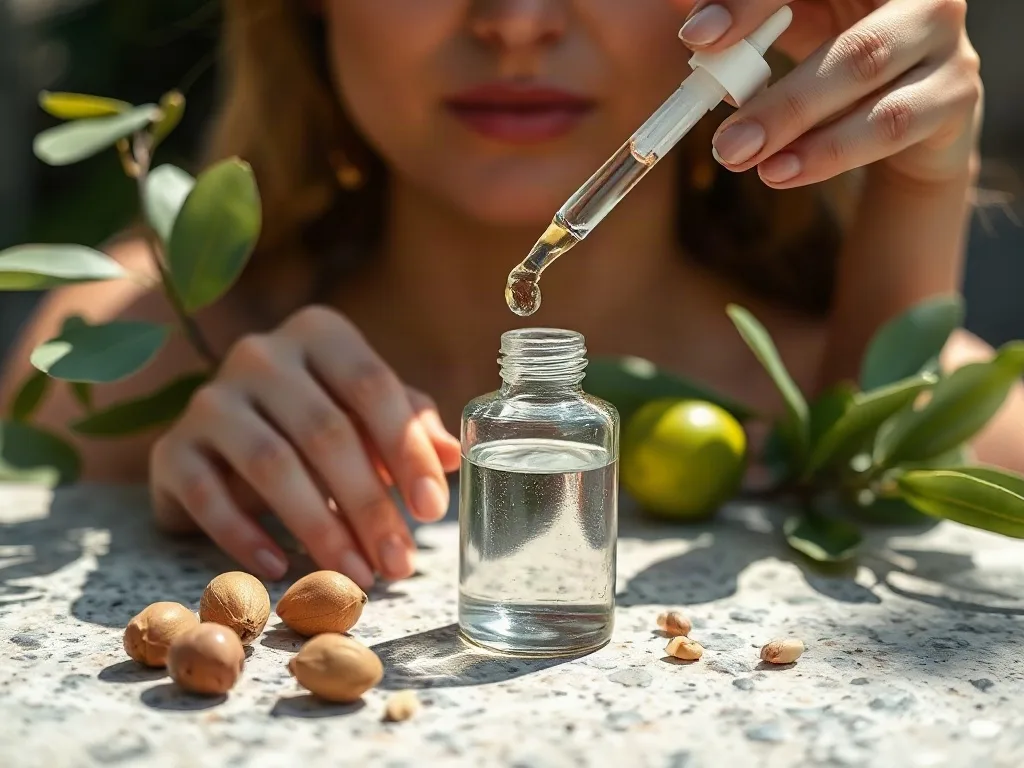
Australia’s unique climate and ancient soils have produced a botanical library that modern science is only beginning to translate into effective skincare. From the tropical north to the arid interior, native plants have evolved potent defense compounds that protect against UV radiation, dehydration, and microbial attack. When these compounds are harvested responsibly and formulated with care, they deliver visible results without the irritation often associated with synthetic actives. This article explores the most influential Australian natural beauty ingredients, explains the science behind their benefits, and offers practical guidance for integrating them into a daily routine.
Key takeaways
- Kakadu plum contains up to 100 times more vitamin C than oranges, supporting collagen synthesis and skin brightening.
- Dilute tea tree oil to 1-2% in a carrier oil to treat acne without the irritation of synthetic chemicals.
- Use macadamia oil to repair the skin barrier, as its fatty acid profile closely mimics human sebum.
- Apply finger lime extract as a gentle alternative to synthetic AHAs for exfoliation, followed by daily sunscreen.
- Choose brands partnering with Indigenous-owned enterprises to ensure ethical harvesting and support for local Australian communities.
Why Australia’s Flora Is a Skincare Powerhouse
The continent’s isolation has driven the evolution of species that produce high concentrations of polyphenols, flavonoids, and unique lipids. These molecules act as natural sunscreens, antioxidants, and antimicrobial agents. Researchers have documented that many Australian extracts exhibit higher ORAC values than comparable botanicals from other regions. The combination of intense sunlight, nutrient‑poor soils, and variable rainfall forces plants to synthesize protective metabolites in abundance. When these metabolites are extracted using cold‑press or supercritical CO2 methods, their bioactivity remains intact, providing formulators with potent, stable actives.
Beyond chemistry, the cultural heritage of Indigenous Australians adds a layer of ethnobotanical knowledge. Traditional uses of kakadu plum, tea tree, and emu oil for wound healing and skin conditioning have been validated by modern clinical trials. This synergy of ancient wisdom and contemporary science creates a compelling narrative for brands seeking authenticity and efficacy.
Kakadu Plum: Vitamin C Superstar
Kakadu plum (Terminalia ferdinandiana) holds the record for the highest natural vitamin C content of any fruit, delivering up to 100 times the amount found in oranges. Vitamin C is essential for collagen synthesis, brightening hyperpigmentation, and neutralizing free radicals generated by UV exposure. In topical formulations, kakadu plum extract remains stable at low pH, allowing it to penetrate the stratum corneum without oxidizing. Clinical studies show a measurable reduction in fine lines and an increase in skin radiance after eight weeks of twice‑daily use.
Formulators often pair kakadu plum with ferulic acid or vitamin E to further stabilize the ascorbic acid and amplify photoprotection. For consumers, a serum containing 10‑15% kakadu plum extract applied after cleansing and before moisturizer provides a potent antioxidant shield. Those with sensitive skin should start with a lower concentration and monitor for any tingling.
Tea Tree Oil: Antimicrobial Classic
Melaleuca alternifolia oil has been a staple in Australian households for generations. Its primary active component, terpinen‑4‑ol, disrupts bacterial cell membranes and inhibits fungal growth. Dermatologists frequently recommend tea tree oil for acne‑prone skin because it reduces Propionibacterium acnes populations without the drying side effects of benzoyl peroxide. A 5% tea tree gel applied twice daily has demonstrated comparable lesion reduction to 5% benzoyl peroxide after 12 weeks.
When incorporating tea tree oil, dilution is crucial. Pure oil can cause contact dermatitis, especially on compromised barriers. A safe starting point is 1‑2% tea tree oil in a carrier such as jojoba or squalane. Spot‑treatment pens with pre‑diluted formulas offer convenience and reduce the risk of over‑application. Users should patch‑test on the inner forearm before facial use.
Quandong: Antioxidant Rich Fruit
Quandong (Santalum acuminatum), also known as the native peach, is a bright red fruit packed with phenolic acids, rutin, and vitamin E. These compounds work synergistically to scavenge reactive oxygen species and inhibit matrix metalloproteinases that degrade collagen. In vitro assays reveal that quandong extract suppresses UV‑induced MMP‑1 expression by up to 70%.
Skincare products featuring quandong often appear as brightening masks or overnight creams. A typical formulation includes 2‑3% quandong fruit extract combined with hyaluronic acid for hydration. For best results, apply a thin layer after serum, leave on for 15‑20 minutes, then rinse with lukewarm water. Regular use two to three times per week can improve skin tone uniformity and reduce the appearance of sun spots.
Macadamia Oil: Barrier Repair
Cold‑pressed macadamia nut oil mirrors the fatty acid profile of human sebum, rich in palmitoleic acid (omega‑7) and oleic acid. This similarity enables rapid absorption and replenishment of the lipid barrier, reducing transepidermal water loss. Studies on atopic dermatitis patients show that a 5% macadamia oil cream applied twice daily significantly improves barrier function scores within four weeks.
Because of its lightweight texture, macadamia oil suits both dry and combination skin types. It can be used as a final step in a nighttime routine, layered over a peptide serum to lock in actives. For daytime, a few drops mixed into a moisturizer add occlusive benefits without a greasy finish. Those with nut allergies should perform a patch test or opt for a refined, protein‑free version.
Finger Lime: Natural Exfoliation
Finger lime (Citrus australasica) contains caviar‑like vesicles filled with natural alpha‑hydroxy acids, primarily citric and malic acid. These AHAs gently dissolve the bonds between dead corneocytes, revealing smoother, more reflective skin. Unlike synthetic glycolic acid, finger lime vesicles release acids slowly, minimizing irritation.
A finger lime toner with 3‑5% AHA content can be swept over cleansed skin each evening. Follow with a hydrating serum and moisturizer to support the newly exposed layers. Users new to chemical exfoliation should start with every other night and increase frequency as tolerance builds. Sunscreen is non‑negotiable the following morning, as AHAs increase photosensitivity.
Emu Oil: Deep Moisture
Rendered from the fat of the flightless emu, this oil is rich in oleic, linoleic, and palmitic acids, plus naturally occurring vitamin K2. Its molecular size allows penetration into the deeper epidermal layers, delivering anti‑inflammatory and wound‑healing properties. Clinical observations report accelerated recovery of post‑procedure skin (laser, microneedling) when emu oil is applied twice daily.
For everyday use, a pea‑sized amount warmed between fingertips can be pressed onto damp skin after serum. It works well as a standalone moisturizer for very dry or mature skin, or as a booster under a richer cream. Ethical sourcing is essential; look for certifications that guarantee humane harvesting and traceability.
Sustainable Harvesting and Ethical Sourcing
The surge in demand for Australian botanicals brings responsibility. Over‑harvesting wild populations threatens biodiversity and Indigenous cultural rights. Reputable brands partner with Aboriginal-owned enterprises, ensuring fair benefit sharing and adherence to the Nagoya Protocol on access and benefit‑sharing. Cultivation programs for kakadu plum, quandong, and finger lime reduce pressure on wild stands while providing economic opportunities for remote communities.
Consumers can verify sustainability by checking for certifications such as Australian Certified Organic, FairWild, or specific Indigenous business logos. Transparent supply‑chain disclosures on brand websites indicate commitment beyond marketing claims. Supporting these practices helps preserve the very ecosystems that generate the ingredients we value.
Emerging Australian Botanicals Beyond the Classics
While kakadu plum, tea tree, quandong, macadamia, finger lime and emu oil dominate current conversations, a second wave of native actives is moving from research labs into commercial formulas. Davidson plum (Davidsonia jerseyana) delivers anthocyanin concentrations that rival blueberry, providing potent inhibition of matrix metalloproteinase‑1 and visible reduction of UV‑induced erythema in pilot studies. Lilly pilly (Syzygium smithii) contributes a unique blend of vitamin C, ellagic acid and flavonoid glycosides that synergise with ferulic acid to boost photostability of ascorbate. Wattleseed (Acacia victoriae) supplies high‑molecular‑weight proteins and minerals such as zinc and magnesium that support barrier repair and reduce transepidermal water loss when incorporated at 0.5‑1 % in emulsions. Tasmanian pepperberry (Tasmannia lanceolata) contains polygodial, a sesquiterpene dialdehyde with selective antimicrobial activity against Cutibacterium acnes while sparing Staphylococcus epidermidis, making it a candidate for acne‑targeted serums. Formulators should note that each of these extracts exhibits pH‑dependent colour shifts; Davidson plum turns from deep magenta to brown above pH 6, so final product pH must be locked below 5.5. Encapsulation in phospholipid vesicles or cyclodextrin inclusion complexes preserves colour and bioactivity during shelf life. Typical use levels range from 0.2 % for pepperberry polygodial‑rich fractions to 3 % for Davidson plum fruit powder in mask bases. Compatibility testing with common preservatives (phenoxyethanol, ethylhexylglycerin) shows no precipitation, but high‑ionic‑strength electrolytes can cause flocculation of wattleseed protein dispersions. Brands that highlight these emerging ingredients can differentiate through storytelling that links each botanical to its specific micro‑habitat, from the wet tropics of Queensland to the cool temperate forests of Tasmania.
Formulation Strategies Stabilising High‑Potency Australian Extracts
Australian botanicals are rich in labile polyphenols, ascorbates and volatile terpenes that degrade rapidly when exposed to oxygen, light or elevated temperature. A robust stabilisation protocol starts with cold‑press or supercritical CO2 extraction performed under nitrogen blanket to minimise oxidative initiation. The crude extract is then filtered through 0.2 µm membrane and immediately mixed with a chelating agent such as disodium EDTA at 0.05 % to sequester trace metal catalysts. Antioxidant cocktails combining 0.5 % tocopherol, 0.2 % ascorbyl palmitate and 0.1 % ferulic acid create a regenerative network that recycles oxidised vitamin C back to its active form. For water‑soluble actives like kakadu plum ascorbate, liposomal encapsulation using hydrogenated phosphatidylcholine (3 % w/w) yields vesicles of 100‑150 nm that protect the payload and enhance stratum corneum penetration. Oil‑soluble constituents such as macadamia oleic‑palmitoleic blend benefit from solid lipid nanoparticle (SLN) matrices composed of glyceryl behenate and stearic acid; the SLN melt at skin temperature, providing a controlled release over 8‑12 hours. Airless pump packaging with a metal‑free piston eliminates headspace oxygen and prevents microbial ingress, extending shelf life from 12 to 24 months for vitamin C‑rich serums. Accelerated stability testing at 40 °C/75 % RH for 3 months should monitor colourimetric change (ΔE 85 %) and microbial count (< 10 CFU/g). Documentation of each step supports claim substantiation and regulatory dossiers.
Microbiome Friendly Skincare How Native Ingredients Support Skin Flora
The skin microbiome is increasingly recognised as a determinant of barrier health, inflammation and ageing. Several Australian actives display selective antimicrobial profiles that suppress pathogens while preserving commensals. Tea tree terpinen‑4‑ol at 0.5 % reduces Cutibacterium acnes biofilms by 70 % in vitro without affecting Staphylococcus epidermidis viability. Pepperberry polygodial shows a minimum inhibitory concentration of 2 µg/mL against C. acnes but > 64 µg/mL against S. epidermidis, indicating a therapeutic window for acne formulations. Conversely, kakadu plum and quandong provide soluble polysaccharides (pectin‑like fractions) that act as prebiotics, stimulating growth of beneficial Corynebacterium and Micrococcus species in anaerobic culture models. Formulators can leverage this dual action by pairing a low‑dose antimicrobial (0.2 % tea tree) with a prebiotic booster (1 % quandong polysaccharide) in a single serum. Clinical evaluation using 16S rRNA sequencing after 4 weeks of twice‑daily application demonstrated a 1.8‑fold increase in Shannon diversity index and a 30 % reduction in C. acnes relative abundance. Preservation systems must be microbiome‑compatible; phenoxyethanol at 0.8 % combined with ethylhexylglycerin 0.2 % maintains broad‑spectrum protection while exerting minimal impact on resident flora. Avoid high concentrations of alcohol denat (> 10 %) which can strip lipid layers and destabilise microbial communities. Patch‑testing on forearm microbiome swabs before facial launch provides an extra safety layer for sensitive or rosacea‑prone consumers.
Regulatory Landscape and Claim Substantiation in Australia and Export Markets
Navigating the regulatory framework is essential for brands that wish to market Australian botanicals domestically and abroad. In Australia, the Therapeutic Goods Administration (TGA) distinguishes between listed medicines (low‑risk) and registered medicines (high‑risk). Cosmetic products fall under the Australian Industrial Chemicals Introduction Scheme (AICIS) and must comply with the Cosmetic Standard 2020, which prohibits certain botanicals (e.g., arnica above 0.1 % in leave‑on products) and mandates ingredient naming per the International Nomenclature of Cosmetic Ingredients (INCI). Claims such as “reduces wrinkles” or “treats acne” classify a product as a therapeutic good and require a TGA‑approved dossier with clinical evidence. For export, the European Union requires notification via the Cosmetic Products Notification Portal (CPNP) and a Product Information File (PIF) containing safety assessment, stability data and substantiation for each claim. The United States FDA treats cosmetics under the Federal Food, Drug, and Cosmetic Act; structure‑function claims are permitted if truthful and not misleading, but any drug‑type claim triggers New Drug Application requirements. Canada’s Health Canada Cosmetic Ingredient Hotlist mirrors EU restrictions. A practical checklist includes: (1) verify INCI name and CAS number for each extract; (2) compile a safety assessment per SCCS/SCCS‑Guidance; (3) gather peer‑reviewed studies or in‑house clinical data supporting each claim; (4) prepare a stability protocol meeting ICH Q1A(R2) guidelines; (5) secure a responsible person or EU‑based representative for CPNP filing; (6) maintain batch records and traceability for at least three years. Early engagement with a regulatory consultant reduces time‑to‑market and avoids costly re‑labelling.
Indigenous Knowledge Integration Co‑Creation Models and Benefit Sharing Frameworks
The Nagoya Protocol obliges users of genetic resources to obtain prior informed consent and negotiate mutually agreed terms with provider communities. In practice, leading Australian brands have moved beyond token acknowledgment to co‑creation partnerships. The Kakadu Plum Co‑operative, owned by the Bininj/Mungguy people, supplies certified wild‑harvested fruit under a benefit‑sharing agreement that allocates 5 % of net sales to a community development fund and guarantees employment for 30 seasonal harvesters. Bush Medijina, a Northern Territory enterprise, co‑formulates a tea tree and pepperberry serum with traditional healers who define harvest timing based on lunar cycles, ensuring maximal terpene content. Contracts typically include: (a) definition of the genetic resource and associated traditional knowledge; (b) royalty structure (fixed per kilogram or percentage of revenue); (c) capacity‑building clauses such as training in Good Agricultural and Collection Practice (GACP); (d) intellectual property provisions that prevent patenting of the raw material while allowing protection of the finished formulation; (e) dispute resolution mechanisms rooted in Indigenous customary law. Transparency portals that publish harvest GPS coordinates, batch certificates of analysis and community payout reports build consumer trust and satisfy due‑diligence requirements of retailers like Sephora and Mecca. Brands that embed these frameworks into their supply chain not only meet legal obligations but also create a resilient sourcing model that safeguards biodiversity and cultural heritage for future generations.
Consumer Education Building Routines With Multi Active Australian Products
Integrating several Australian actives into a single routine demands clear sequencing to maximise efficacy and minimise irritation. A morning regimen for normal to combination skin could start with a gentle surfactant‑free cleanser, followed by a 10 % kakadu plum vitamin C serum (pH 3.0) applied to damp skin, then a 2 % niacinamide booster to support barrier lipids, and finished with a broad‑spectrum SPF 50+ containing 1 % macadamia oil for added occlusion. Evening routines for dry or mature skin may layer a 0.5 % retinol encapsulated in SLN, wait 20 minutes, then apply a 3 % Davidson plum anthocyanin mask for 15 minutes, rinse, and seal with a 5 % emu oil balm. Sensitive or rosacea‑prone individuals should introduce one active at a time, beginning with a 1 % tea tree spot treatment on active lesions only, and monitor for erythema over 7 days before adding a low‑dose finger lime AHA toner (2 % AHA) every other night. Patch testing on the jawline for 48 hours remains the gold standard. Education materials such as QR‑linked video tutorials, printable routine cards and ingredient glossaries empower consumers to adjust frequency based on seasonal UV index and skin feedback. Retail staff trained in the science of each botanical can recommend complementary pairings (e.g., quandong prebiotic serum under macadamia moisturiser) and flag contraindications (avoid simultaneous high‑dose vitamin C and strong retinoids). Consistent messaging across packaging, website and in‑store displays reduces misuse and builds brand loyalty.
Sustainability Metrics Life Cycle Assessment of Cultivated vs Wild Harvested Ingredients
Life Cycle Assessment (LCA) provides a quantitative framework to compare environmental impacts of cultivated versus wild‑harvested Australian botanicals. A cradle‑to‑gate LCA for kakadu plum cultivated in managed orchards (irrigated, fertilised with composted green waste) shows a global warming potential of 1.2 kg CO2‑eq per kilogram of dried fruit, versus 0.7 kg CO2‑eq for wild harvest where no agricultural inputs are applied but transport from remote sites adds 0.3 kg CO2‑eq. Water scarcity footprint is markedly lower for wild harvest (0.02 m3 water‑eq/kg) than for irrigated cultivation (0.15 m3 water‑eq/kg). Biodiversity impact scores, measured using the PDF (Potentially Disappeared Fraction) method, favour wild harvest when harvesting follows rotational protocols that leave 30 % of fruit on the tree, whereas monoculture plantations score higher due to habitat conversion. Social LCA indicators capture employment quality; cultivated systems generate year‑round jobs with benefits, while wild harvest offers seasonal income but limited social protection. Brands can commission third‑party LCA studies compliant with ISO 14040/44 and publish summary dashboards (carbon, water, land use, biodiversity) on product pages. Certification schemes such as FairWild and Australian Certified Organic incorporate LCA criteria, allowing consumers to verify claims. Continuous improvement loops — shifting a portion of supply to agroforestry models that integrate native trees with complementary crops — can reduce carbon intensity by up to 25 % while enhancing ecosystem services. Transparent reporting of these metrics differentiates responsible brands in a market increasingly driven by ESG expectations.
Frequently Asked Questions
Are Australian botanical ingredients suitable for all skin types?
Most Australian extracts are well tolerated, but individual sensitivities vary. Tea tree oil and finger lime AHAs may irritate very sensitive or rosacea‑prone skin. Patch testing and gradual introduction are recommended for any new active.
How do I know if a product contains a meaningful concentration of an ingredient?
Look for ingredient listings where the botanical appears within the first five components, or for percentage claims on the packaging. Reputable brands often publish third‑party assay results or provide a certificate of analysis upon request.
Can I combine multiple Australian actives in one routine?
Yes, many actives complement each other. For example, a kakadu plum serum (vitamin C) pairs well with a macadamia oil moisturizer (barrier support). Avoid layering strong acids (finger lime) with retinoids in the same evening to prevent over‑exfoliation.
Is there scientific evidence supporting the anti‑aging claims of these ingredients?
Peer‑reviewed studies exist for kakadu plum, tea tree oil, and macadamia oil demonstrating collagen stimulation, antimicrobial activity, and barrier repair respectively. However, long‑term clinical trials on finished cosmetic products are fewer; results can vary based on formulation and delivery system.
What should I look for to ensure ethical sourcing?
Seek brands that disclose harvest location, partner with Indigenous communities, and hold certifications like FairWild or Australian Certified Organic. Transparency reports and direct links to grower cooperatives are strong indicators of responsible practice.
Related posts:
 The Slow Beauty Movement’s Secret Hydration Recipes
 Cool Australian Skincare Brands
 The Australian Cult Classic That’s About to Replace Your Entire Medicine Cabinet
 Creamy Homemade Macadamia Milk in Under 10 Minutes
 DIY Natural Acne Treatment
 The Best Toners for Acne-Prone Skin That Won’t Strip Your Face
 Proper Order of Skincare Application
 Spring Awakening: The Hydrating Serums Your Winter Skin Is Craving