
Avocado toast emerged as one of the most iconic breakfast dishes of the 2010s, reaching peak cultural saturation around 2017. What began as a simple combination of ripe avocado spread on toasted bread evolved into a global phenomenon that dominated social media feeds, inspired countless café menu variations, and sparked conversations about millennial spending habits and food culture. Understanding why this dish captured the zeitgeist requires examining the convergence of culinary trends, social media influence, health consciousness, and the café culture that defined a generation’s dining preferences.
The dish’s ascendancy wasn’t accidental. It represented a perfect storm of factors that aligned in the mid-2010s: Instagram’s visual dominance, a growing wellness movement emphasizing healthy fats, the rise of artisanal café culture, and changing attitudes toward breakfast as a destination meal rather than something consumed at home. By 2017, avocado toast had transcended novelty status to become a cultural touchstone, simultaneously celebrated as nutritious comfort food and critiqued as emblematic of millennial excess.
The Perfect Social Media Food
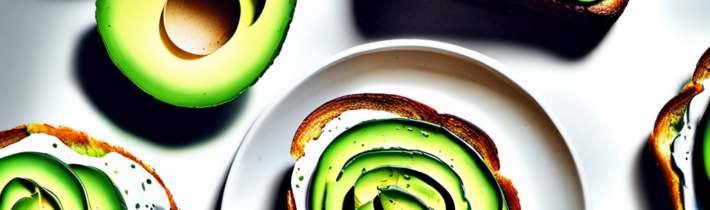
Avocado toast possessed qualities that made it inherently shareable on Instagram and other visual platforms. The dish’s aesthetic appeal—vibrant green avocado contrasting against golden-brown toast, often topped with colorful garnishes like microgreens, pomegranate seeds, or perfectly placed eggs—created naturally photogenic meals that encouraged documentation and sharing.
The food photography community embraced avocado toast as a staple subject. Food bloggers, influencers, and casual social media users recognized that images of artfully arranged avocado toast generated engagement. The dish’s simplicity meant endless variation possibilities—different bread types, topping combinations, and plating styles—each offering new creative expression and photo opportunities. Unlike complex dishes requiring careful plating, avocado toast looked intentionally rustic yet refined, approachable yet Instagram-worthy.
By 2017, hashtags like #avocadotoast and variations had accumulated millions of posts. This organic social media promotion created a feedback loop: the more avocado toast appeared online, the more people sought it out at cafés to recreate the experience and share their own versions. Restaurants and cafés noticed the engagement metrics and responded by featuring avocado toast prominently on menus and in their own social media content, further amplifying its visibility.
The Healthy Fats Revolution
The nutritional science supporting avocado consumption underwent a significant shift during the years leading to 2017. Previous dietary guidance had emphasized fat reduction across the board, but evolving research highlighted the distinction between different types of fats. Avocados, rich in monounsaturated fats and various micronutrients, became recognized as a nutritionally dense food supporting heart health, brain function, and satiety.
This reframing aligned perfectly with broader wellness trends emphasizing whole foods, nutrient density, and sustainable energy throughout the day. Health-conscious consumers increasingly viewed avocado toast as a legitimate breakfast choice—not an indulgence but a genuinely nutritious option. The dish offered healthy fats (supporting hormone production and nutrient absorption), fiber (promoting digestive health), and diverse micronutrients including potassium, vitamin E, and B vitamins.
Fitness enthusiasts and wellness influencers championed avocado toast as part of balanced eating approaches. The combination of quality carbohydrates from whole-grain bread with protein sources (like eggs) and healthy fats created a nutritionally complete meal that provided sustained energy. This nutritional credibility transformed avocado toast from trend to trusted breakfast staple, particularly among health-conscious demographics.
The Artisanal Café Movement
The proliferation of independent, high-quality cafés created the perfect venue for avocado toast to flourish. Unlike chain coffee shops offering standard breakfast options, artisanal cafés prioritized quality ingredients, skilled preparation, and thoughtful presentation. These establishments sourced excellent avocados, selected premium bread from local bakeries, and featured avocado toast as a signature item.
Café culture itself had shifted dramatically by the mid-2010s. What once meant grabbing coffee on the way to work evolved into a destination experience—a place to linger, work remotely, or socialize. Avocado toast fitted perfectly into this context, representing the kind of quality, Instagram-worthy offering that justified spending time and money at independent establishments.
Specialization became common, with some cafés earning reputations specifically for their avocado toast variations. A café in a competitive market could differentiate itself through superior bread sourcing, unique topping combinations, or consistently perfect avocado ripeness. This specialization meant customers often had reasons beyond convenience to visit specific locations, strengthening café loyalty and word-of-mouth marketing.
Millennial Economic and Cultural Factors
Avocado toast’s rise coincided with millennials reaching peak purchasing power for café experiences. This demographic, shaped by economic uncertainty and student debt, had adjusted their spending priorities compared to previous generations. Rather than traditional major purchases like homes or cars, millennials allocated spending toward experiences, particularly food and beverage moments offering social connection and aesthetic satisfaction.
Breakfast at artisanal cafés represented this spending philosophy perfectly: relatively affordable compared to other dining occasions, offering a complete experience (quality beverage, thoughtfully prepared food, appealing environment), and providing social value through shared experiences and social media sharing. Avocado toast, specifically priced at a premium over basic toast but not extravagantly expensive, fit this spending sweet spot.
The dish also represented a broader cultural reclamation of breakfast as important and worthy of attention. Rather than viewing breakfast as fuel to rush through, millennials increasingly embraced slower morning rituals, weekend brunch culture, and the idea that breakfast deserved the same culinary consideration as lunch or dinner. Avocado toast embodied this philosophical shift.
The Rise of Brunch Culture
The explosion of brunch as a social institution provided enormous momentum for avocado toast. What began as an occasional weekend indulgence evolved into a cultural staple by 2017, with brunch representing a dedicated meal occasion commanding premium pricing and attracting massive crowds. Avocado toast became a brunch essential, featured on virtually every aspirational brunch menu.
Brunch’s appeal rested partly on its liminality—not quite breakfast, not quite lunch, existing in a social space distinct from workday eating. Brunch represented leisure, indulgence, and connection. Avocado toast fit seamlessly into brunch aesthetics and values, offering something substantial enough for a meal yet refined and photograph-worthy.
The timing of avocado toast’s peak popularity coincided with brunch reaching critical mass in urban centers worldwide. Cities competed for brunch destinations, with restaurants and cafés emphasizing distinctive offerings. Avocado toast’s flexibility—supporting countless variations and complementary items—made it an ideal menu anchor for establishments building brunch-focused concepts.
Global Adoption and Localization
While avocado toast originated in Australia and gained early traction in the United States, its 2017 dominance reflected truly global adoption. The dish spread to cities worldwide, with local adaptations reflecting regional preferences and ingredient availability. In Mexico, versions incorporated cilantro and lime; in Mediterranean countries, additions included feta cheese and olive oil; in Asia, variations featured everything from miso butter to soft-boiled quail eggs.
This global spread demonstrated the dish’s fundamental flexibility and universal appeal. The basic formula—quality bread, ripe avocado, thoughtful toppings—provided a canvas for endless cultural expression. Rather than homogenizing into a single standard version, avocado toast became a vehicle for local ingredients and flavor profiles while maintaining its essential identity.
The global nature of social media enabled rapid idea transmission across borders. A notable avocado toast variation appearing in one city quickly inspired attempts to recreate it elsewhere. This cross-pollination accelerated innovation while simultaneously reinforcing avocado toast’s status as a universal breakfast option transcending geographic or cultural boundaries.
The Environmental and Economic Implications
Avocado toast’s explosive popularity created massive demand for avocados, with significant implications for agricultural production worldwide. By 2017, avocado consumption had surged dramatically, particularly in developed nations. This demand incentivized increased avocado cultivation, particularly in Mexico, which supplies the majority of avocados to North American markets.
The economic benefits for avocado-producing regions were substantial, creating agricultural income and employment. However, increased cultivation also raised environmental concerns including water usage (avocado farming is notably water-intensive) and land conversion. The environmental cost of avocado toast’s popularity became increasingly discussed, though this awareness emerged somewhat after the dish’s peak trendiness in 2017.
The economic dimension also extended to pricing. Growing demand supported premium pricing at cafés, with avocado toast often commanding higher prices than equivalent nutritional content in other dishes. This pricing contributed to avocado toast becoming a symbol of certain spending habits and lifestyle choices, eventually fueling some of the backlash that followed its initial enthusiasm.
The Backlash and Critiques
By 2017, avocado toast’s overwhelming popularity generated counter-cultural criticism. Some critiques focused on economic dimensions—articles emerged suggesting that excessive avocado toast consumption prevented millennials from achieving financial goals like homeownership, though this analysis oversimplified complex economic factors. Other critiques addressed environmental concerns about water usage and agricultural expansion.
Cultural critics pointed out that avocado toast’s ubiquity had transformed it from novel discovery into cliché, with its Instagram ubiquity becoming self-parodying. The very qualities that made it appealing—its aesthetic perfection, its social media prominence, its positioning as a status marker—also made it a target for critique about performative consumption and social media inauthenticity.
Some culinary professionals critiqued what they viewed as excessive hype around a simple dish. Professional chefs occasionally expressed skepticism that toast with avocado deserved the cultural prominence it had achieved, compared to more technically demanding preparations. These critiques emerged partially from genuine culinary perspective but also reflected the backlash inherent to any phenomenon reaching peak cultural saturation.
Why 2017 Was the Peak Year
Multiple factors converged to make 2017 avocado toast’s zenith moment. Instagram had matured as a platform with established influencer networks and proven engagement around food content. The healthy fats narrative had become mainstream enough that health claims supporting avocado consumption were widely accepted. Café culture had expanded sufficiently that quality avocado toast was available in most major cities worldwide.
By 2017, the cultural conversation about avocado toast had reached a unique equilibrium where the dish remained enthusiastically embraced by early adopters while simultaneously achieving mainstream ubiquity. It hadn’t yet entered the phase where it became primarily a target for irony or backlash. The timing was perfect—the dish was everywhere, yet still felt current rather than retro.
The phenomenon also benefited from the specific social media landscape of 2017, before significant algorithm changes and platform fragmentation dispersed content and attention. Avocado toast had achieved critical mass precisely at the moment when Instagram could amplify it most effectively across unified audiences.
The Lasting Legacy
Although avocado toast’s cultural dominance has subsided from its 2017 peak, the dish secured a permanent place in global cuisine. Rather than disappearing entirely as trends often do, avocado toast became normalized—a standard menu option rather than a novelty item. The fundamental appeal that drove its adoption remained valid: it’s nutritious, relatively affordable, endlessly customizable, and genuinely delicious.
Avocado toast’s legacy extends beyond the dish itself. It demonstrated how social media, health trends, café culture, and generational economics could converge to elevate a simple food preparation to cultural phenomenon status. The phenomenon provided a case study in modern food trends, examining how meaning and value are constructed around eating experiences in contemporary culture.
Understanding avocado toast’s 2017 dominance offers insights into food culture mechanics, consumer behavior, and how trends propagate in an interconnected world. The dish represented not just a breakfast option but a reflection of broader cultural values—wellness consciousness, aesthetic appreciation, social connection through shared experiences, and the democratization of quality food previously associated with fine dining.
The Supply Chain Revolution and Ingredient Innovation
Avocado toast’s 2017 dominance coincided with unprecedented improvements in global supply chain logistics that made consistent year-round avocado availability possible in markets far from production regions. Throughout the 2000s and early 2010s, refrigeration technology, international shipping protocols, and air freight capabilities evolved to the point where ripe avocados could reliably reach Northern Hemisphere markets during winter months. This seasonal independence transformed avocado toast from a summer luxury into an all-season offering, fundamentally expanding its market potential.
The reliability of supply enabled cafés to confidently feature avocado toast year-round without fear of inconsistent ingredient availability. Before these logistics improvements, cafés in regions far from avocado-producing areas faced challenges maintaining consistent quality. The stabilization of supply meant menu planning became predictable, allowing establishments to build brand identity around avocado toast rather than treating it as an occasional special. Additionally, improved supply chain transparency allowed cafés to emphasize sourcing narratives—highlighting specific regions, farming practices, or cooperative relationships—adding marketing value beyond the product itself.
Simultaneously, bread technology and artisanal bakery culture evolved to produce the specific bread qualities that made avocado toast exceptional. The optimal base for avocado toast required bread with particular characteristics: substantial enough to support avocado’s weight without collapsing, with a crisp exterior that provided textural contrast, yet interior crumb structure that could be toasted without becoming overly hard. Bakeries increasingly developed proprietary recipes and techniques specifically optimized for toast applications. Sourdough’s renaissance during this period proved particularly significant, as its fermentation process and resulting flavor profile complemented avocado’s richness better than mass-produced bread alternatives.
The complementary ingredient ecosystem also matured considerably. The microgreens industry, specialized egg production systems featuring different cooking preparations, artisanal sea salt varieties, and premium olive oil selection all benefited from the same culinary trends driving avocado toast’s popularity. Cafés could source sophisticated topping components that elevated avocado toast from simple preparation to composed dish. Microgreens producers specifically ramped up production partly in response to demand from cafés featuring them as avocado toast garnishes. This ecosystem integration meant that avocado toast’s success built upon and reinforced developments across multiple food production sectors.
The Photography and Aesthetic Standards Evolution
The visual culture surrounding food photography underwent significant evolution that directly enabled avocado toast’s dominance. Professional food photography techniques—particularly natural lighting, shallow depth of field using prime lenses, and minimalist compositional principles—became increasingly accessible to amateur photographers and influencers. By 2017, a significant subset of social media users possessed cameras capable of professional-quality output, or understood smartphone photography techniques that produced comparable results. This democratization of quality food photography meant that avocado toast could be beautifully documented not just by professional food photographers but by ordinary café customers and staff members.
The aesthetic standards for avocado toast photography became remarkably consistent across global contexts, suggesting something approaching an emergent international visual language around the dish. Certain compositions—the flat lay overhead shot, the angled fork cutting through avocado, the close-up detail of toast texture—appeared repeatedly across continents. This convergence reflected both conscious imitation of successful photos and organic consensus about what made avocado toast photographically compelling. The consistency also reinforced recognition: encountering an avocado toast photo required no context or caption for viewers to immediately identify it. This visual universality enhanced its social media penetration.
Interestingly, the aesthetic standards occasionally conflicted with optimal eating conditions. The perfectly photogenic avocado toast—with precisely arranged toppings and ideal lighting—sometimes couldn’t be consumed immediately after photography without quality degradation. Avocados begin oxidizing and browning within minutes of exposure, toppings become displaced, and toast cools and softens. This tension between aesthetic optimization and practical eating led some cafés to prepare multiple versions of dishes—one for photography and one for consumption. Others embraced the imperfection deliberately, with slightly lived-in dishes becoming aesthetically appealing in different ways. The negotiation between these competing values reflected broader cultural tensions about performative consumption and authentic experience.
The Pricing Psychology and Premium Positioning Strategy
Avocado toast occupied a fascinating position in café pricing strategies that contributed significantly to its cultural prominence. The dish cost substantially more than basic toast with butter (typically three to five times higher), yet remained accessible compared to other café offerings like elaborate specialty coffee drinks or brunch entrées. This price positioning created psychological value: expensive enough to feel like a deliberate choice and treat, yet affordable enough for frequent consumption. Customers didn’t need special occasion justification to order avocado toast, yet the price point elevated it above mere breakfast fuel.
The pricing strategy revealed sophisticated understanding of perceived value construction. Cafés recognized that customers evaluated food value through multiple dimensions beyond ingredient cost: preparation skill, ingredient sourcing quality, aesthetic presentation, and brand positioning all contributed to acceptable pricing. Avocado toast’s simplicity paradoxically enabled premium pricing because quality differences became immediately visible. A café couldn’t hide poor avocado selection or careless toasting behind sauce or complexity. This transparency meant that customers willing to pay premium prices received clearly commensurate value, justifying the expense in their minds and creating satisfaction with the transaction.
The premium positioning also created aspirational dynamics that fueled demand. By pricing avocado toast above commodity breakfast levels, cafés positioned it as something special and deliberate rather than routine. Customers felt they were making a considered choice about their breakfast experience, investing in quality rather than simply obtaining calories. This psychological positioning contributed to the dish’s status as a cultural marker—ordering avocado toast signaled engagement with food quality and café culture, not merely hunger satisfaction. The premium yet accessible pricing struck precisely the right balance for this aspirational positioning to succeed broadly across demographic groups.
The Influencer Ecosystem and Algorithmic Amplification
By 2017, Instagram’s influencer marketing ecosystem had matured into a sophisticated system that created powerful amplification mechanisms for food trends. Thousands of food influencers, ranging from casual enthusiasts with dedicated followings to professional food photographers and critics, consistently featured avocado toast across their content. Unlike traditional advertising, influencer content appeared as organic recommendations from trusted peers, lending authenticity and credibility. The algorithm rewarded high-engagement content, and avocado toast photos consistently generated substantial engagement through likes, comments, and shares.
The influencer ecosystem created feedback loops that accelerated avocado toast’s dominance. Influencers created content featuring avocado toast, the algorithm promoted that content to users with similar interests, viewers saw the content and visited cafés to experience the dish, cafés responded by featuring avocado toast prominently, and influencers documented those refined versions, creating new content. Each cycle amplified visibility and normalization. Interestingly, the early phase of this cycle involved genuine discovery and enthusiasm—influencers weren’t primarily compensated for featuring avocado toast; rather, they organically generated content because the dish was genuinely popular and photographically appealing.
As avocado toast’s popularity grew, sponsored content emerged. Brands (including avocado producers, café chains, and lifestyle companies) paid influencers to feature avocado toast content, intentionally amplifying what had begun as organic trends. This transition from organic enthusiasm to paid promotion sometimes altered audience perception but often remained invisible to casual viewers. The paid content operated within identical aesthetic frameworks and messaging as organic content, making distinction difficult. This blending of organic and sponsored content created powerful amplification while maintaining veneer of authenticity that drove engagement. The influencer ecosystem essentially weaponized aesthetic appeal in service of trend amplification, creating exponential visibility that small cafés could never achieve through traditional advertising.
The Gender Dynamics and Aesthetic Preference Patterns
Avocado toast’s dominance reflected significant gender dynamics in food culture and social media engagement patterns that emerged during the 2010s. The demographic most active in food-focused Instagram content and brunch culture skewed substantially female, and avocado toast’s aesthetic properties aligned particularly well with preferences expressed through this demographic’s visual curation. The dish’s refined elegance, use of fresh ingredients, presentation polish, and association with wellness culture resonated powerfully with female audiences engaged in lifestyle curation on social media.
The feminization of avocado toast culture intersected with broader patterns of women’s food choices and social media presence. Women’s magazines, lifestyle influencers, and female-focused content creators disproportionately featured avocado toast, creating feedback loops that strengthened the association between the dish and female audiences. This gendered dimension wasn’t accidental; it reflected real differences in how different demographic groups engaged with food culture and social media documentation of meals. While men certainly consumed avocado toast and engaged with related content, the cultural prominence of the dish was substantially driven by female influencers, creators, and enthusiastic consumers.
The gendered nature of avocado toast culture contributed to the backlash and criticism the dish received. Some critics explicitly gendered their dismissal, characterizing avocado toast enthusiasm as frivolous or shallow consumption patterns. This gendered critique often revealed underlying assumptions about women’s spending priorities, aesthetic interests, and cultural value systems. The association between avocado toast and female consumers, combined with its aesthetic focus and social media prominence, made it an easier target for criticism about performative consumption and superficial values. Understanding avocado toast’s 2017 dominance thus requires recognizing how gender dynamics in food culture, social media engagement, and cultural criticism all contributed to the phenomenon’s trajectory.
The Urban Concentration and Geographic Inequality
Avocado toast’s 2017 dominance was profoundly geographically uneven, with the phenomenon concentrating overwhelmingly in major urban centers with specific demographic and economic characteristics. Cities like New York, Los Angeles, London, Melbourne, Toronto, Sydney, and Berlin became international epicenters of avocado toast culture, while smaller cities and rural areas remained largely untouched by the phenomenon. This urban concentration reflected not just population density but specific combinations of factors: sufficient density of independent cafés, demographic concentration of younger affluent consumers, strong social media usage and engagement, and established café cultures predating the trend.
The geographic inequality created interesting dynamics where avocado toast became a marker of cosmopolitan, urban sophistication. For people in major cities, the dish represented mainstream café culture; for those in regions without established artisanal café scenes, avocado toast remained exotic and rare, available only at corporate chains or specialty establishments. This geographic gradient meant that avocado toast’s cultural significance varied dramatically depending on context. In Melbourne or Brooklyn, the dish was ubiquitous to the point of cliché; in much of suburban and rural North America and Europe, it remained barely known outside specific demographic bubbles.
This geographic concentration reflected broader patterns of cultural trend propagation in the twenty-first century. Trends increasingly originate in specific major urban centers, propagate through digital networks, and achieve global visibility before reaching smaller markets, if at all. The internet’s promise of instantaneous global communication obscures the reality that cultural adoption remains profoundly place-based. Avocado toast’s dominance in 2017 was thus a story about specific cities’ food cultures, their concentration of influential media makers and cultural producers, and how these urban centers’ preferences achieve global amplification through social media. Understanding the phenomenon requires recognizing its fundamentally urban character and the geographic inequalities embedded in how food trends propagate.
The Nutritional Debates and Conflicting Health Narratives
While avocado toast benefited from the healthy fats narrative, nutritional debates about the dish’s actual health properties persisted throughout its 2017 dominance. Some nutrition professionals questioned whether avocado toast deserved its health halo, pointing out that portion sizes often exceeded recommended daily fat intake from a single meal, or that the caloric density (often 300-400 calories, sometimes exceeding 500 with toppings) made it less suitable for calorie-conscious consumers than marketing implied. These professional critiques rarely reached mainstream audiences but created tension between popular perception and scientific nuance.
The health narratives around avocado toast often oversimplified nutritional complexity. While avocados do contain healthy monounsaturated fats, they also contain calories that accumulate if consumed frequently. The bread component’s nutritional value varied tremendously depending on bread type—white bread provided minimal nutritional benefits beyond carbohydrates, while whole grain or sourdough offered substantially more. Topping choices dramatically altered nutritional profiles; an avocado toast topped with two poached eggs and sea salt differed nutritionally from one topped with feta cheese and olive tapenade. These variations meant that characterizing avocado toast as inherently healthy oversimplified a dish encompassing tremendous nutritional range.
The healthy fats narrative also faced emerging scientific challenges by 2017. While earlier research supported increased avocado and healthy fat consumption, meta-analyses and large-scale nutrition studies occasionally presented more nuanced findings. Some research suggested that the health benefits of avocado consumption applied primarily within balanced dietary contexts and that the assumed benefits diminished when avocados constituted excessive caloric proportions. These scientific developments received little mainstream media attention, however, and the popular understanding of avocado toast as healthy remained largely intact. The gap between public perception of avocado toast’s nutritional properties and scientific evidence, while not vast, represented meaningful discrepancy between cultural narrative and empirical complexity.
The Innovation Saturation and Variation Exhaustion
By 2017, avocado toast had become subject to seemingly infinite variation, with cafés experimenting extensively with topping combinations, bread types, preparation techniques, and cultural adaptations. This experimentation initially drove innovation and freshness, but continued iteration eventually led toward saturation where most possible meaningful variations had been explored. The initial excitement of discovering new avocado toast varieties gave way to a sense that the concept had been exhaustively developed. This variation exhaustion represented a natural endpoint to trend acceleration—once a concept has been explored from virtually every conceivable angle, continued innovation becomes increasingly incremental.
The pressure to innovate and differentiate created some remarkable variations, but also increasingly absurd or misguided experimentation. Cafés attempted avocado toast variations incorporating ingredients that didn’t naturally complement avocado, or presentations that compromised the dish’s essential appeal. Some variations tried too hard to be novel or trendy, losing the fundamental simplicity and quality that made avocado toast appealing. Other variations achieved excellence and genuine innovation, contributing meaningfully to how avocado toast could be approached. The distribution between genuinely excellent variations and forced or mediocre experiments skewed increasingly toward the latter as variation fatigue set in.
This variation exhaustion signaled the beginning of avocado toast’s transition from explosive trend to normalized menu staple. The phenomenon followed a predictable lifecycle: discovery and initial enthusiasm, explosive growth and experimentation, variation saturation and fatigue, backlash and critical reassessment, and finally integration into standard offerings. By 2017, avocado toast was transitioning from the experimentation phase into saturation, with the peak excitement beginning to wane even as the dish achieved maximum mainstream visibility. The trajectory suggested that while avocado toast would remain popular, the intense cultural focus and continuous innovation would gradually diminish as newer trends emerged and consumer attention shifted elsewhere.
Frequently Asked Questions
Q: Did avocado toast originate in Australia as commonly claimed?
A: Avocado toast appears to have emerged in Australian café culture during the 1990s and 2000s, though the exact origin is difficult to pinpoint. Australian cafés became known for sophisticated breakfast offerings, and avocado toast gained particular prominence in Melbourne and Sydney’s café scenes. However, similar preparations likely existed elsewhere without achieving the same cultural visibility. The Australian attribution partly reflects Australia’s influence on global café culture during this period.
Q: Why did avocado toast become more popular than other healthy breakfast options?
A: Several factors contributed: the aesthetic appeal and natural photogenia of the dish made it ideal for social media; avocados’ nutritional profile aligned with healthy fat trends; the simplicity meant quality ingredients were immediately apparent; and the customization possibilities meant endless variations prevented monotony. Additionally, avocado toast occupied a unique price point—premium enough to justify café visits but not so expensive as to seem luxurious, making it accessible to the demographic most active on social media.
Q: What impact did avocado toast’s popularity have on avocado prices and availability?
A: Global avocado consumption increased dramatically, particularly in North America and Europe, driven partly by avocado toast’s popularity. This increased demand supported higher avocado prices, benefiting producing regions economically while also raising prices for consumers. The demand incentivized increased cultivation, but also raised environmental concerns about water usage and land conversion, particularly in Mexico where most North American avocados originate.
Q: Is avocado toast still popular in 2026, or has it become outdated?
A: Avocado toast transitioned from trend to standard menu item at most quality cafés. While it no longer dominates cultural conversation or social media feeds as it did in 2017, it remains widely available and popular, particularly among health-conscious consumers and brunch enthusiasts. The shift reflects the natural lifecycle of food trends—initial explosive popularity gives way to normalization and integration into standard cuisine. Rather than disappearing, avocado toast became simply a permanent breakfast option.
Q: What role did Instagram specifically play in avocado toast’s rise?
A: Instagram’s visual focus made it ideal for promoting visually appealing foods. The platform’s algorithm and influencer ecosystem incentivized sharing aesthetically striking content, and avocado toast’s appearance and customization possibilities made it consistently photogenic. The hashtag system enabled aggregating content around the dish, creating visibility and inspiring others to seek it out. Instagram essentially transformed avocado toast from a popular café item into a cultural phenomenon by enabling global visibility and rapid trend propagation among the platform’s largely millennial user base.