Summer is a season of vibrancy, outdoor gatherings, and delicious fresh produce. From backyard barbecues and beach picnics to farmers’ market hauls, our relationship with food becomes more social and adventurous during the warmer months. However, the same warmth that makes summer so inviting also creates a perfect environment for the growth of harmful bacteria. Foodborne illnesses, commonly known as food poisoning, spike during the summer because heat accelerates the rate at which pathogens multiply in our food.
Key takeaways
- Keep perishable foods out of the 40°F to 140°F danger zone for more than two hours.
- Store raw meats on the bottom refrigerator shelf to prevent juices from contaminating ready-to-eat produce and leftovers.
- Thaw frozen meat in the refrigerator or under cold water rather than leaving it on the kitchen counter.
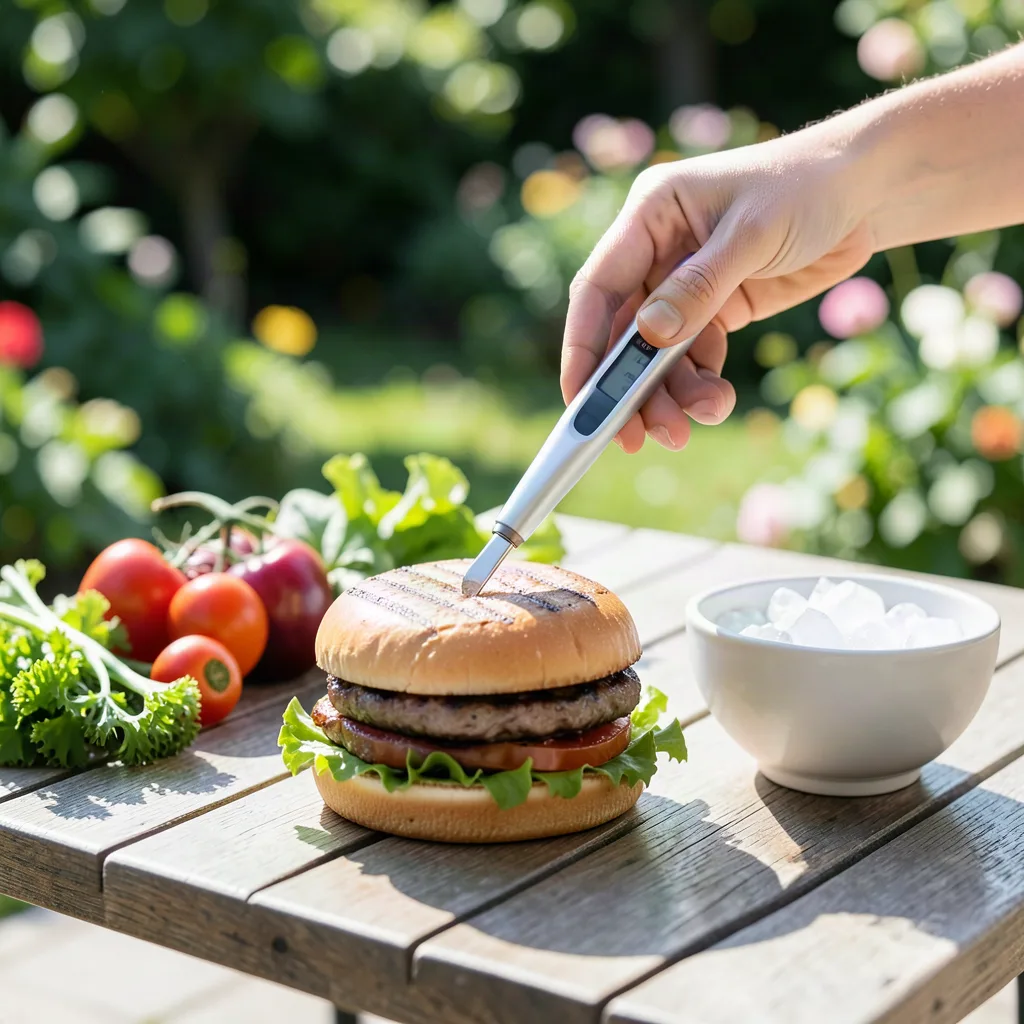
- Use a digital thermometer to ensure poultry reaches 165°F and ground meats reach 160°F for safety.
- Utilize a two-cooler system for outdoor events to keep food chilled while frequently accessing drinks in a separate container.
Avoiding food poisoning isn’t about living in fear of your favorite potato salad or grilled steak; it is about implementing a few strategic, science-backed habits. By understanding how bacteria behave and mastering simple safety protocols, you can ensure that your summer memories are defined by laughter and leisure rather than trips to the urgent care clinic. This comprehensive guide will walk you through every stage of the food process—from the grocery store to the grill—to keep you and your loved ones safe.
Understanding the “Danger Zone” and Bacterial Growth
To effectively prevent food poisoning, you first need to understand the “Danger Zone.” Food safety experts and health organizations define the Danger Zone as the temperature range between 40°F (4°C) and 140°F (60°C). Within this window, bacteria such as Salmonella, E. coli, and Staphylococcus aureus can double in number every 20 minutes.
In the heat of July or August, ambient temperatures often sit squarely within this zone, meaning food left on a patio table or in a warm car can become hazardous surprisingly quickly. The risk is not just about whether the food “looks” or “smells” spoiled. Many pathogenic bacteria do not change the taste, smell, or appearance of food, making temperature control your only reliable line of defense.
The general rule of thumb is the “Two-Hour Rule”: perishable foods should not be left out at room temperature for more than two hours. However, when the outdoor temperature exceeds 90°F (32°C), this window shrinks to just one hour. Once food has spent that amount of time in the Danger Zone, the bacterial load may be too high to be neutralized by reheating, and the food should be discarded.
Safe Shopping and Strategic Storage Habits
Food safety begins long before you light the grill; it starts at the supermarket. The “cold chain” is the uninterrupted series of refrigerated and frozen steps from the producer to your plate. Once this chain is broken, the clock starts ticking on bacterial growth.
When shopping, organize your trip to protect your perishables. Start with non-perishable items like canned goods, napkins, and charcoal. Move to the produce section, and save the refrigerated and frozen items for the very end of your trip. This minimizes the time meat, dairy, and frozen treats spend in a warm shopping cart. If you have a long drive home, invest in insulated bags or a portable cooler with ice packs to maintain a safe temperature during transit.
Once you arrive home, storage organization is key to preventing cross-contamination. Your refrigerator should be set to 40°F (4°C) or below. Arrange your shelves based on the required cooking temperatures of the foods:
- Top Shelves: Ready-to-eat foods, leftovers, and drinks.
- Middle Shelves: Dairy products and eggs.
- Bottom Shelf: Raw meats, poultry, and seafood.
Storing raw meat on the bottom shelf is critical. This prevents juices from raw chicken or beef from dripping onto a bowl of fresh strawberries or a prepared salad, which would introduce dangerous bacteria to foods that won’t be cooked before consumption.
Mastering the Art of Safe Thawing
One of the most common mistakes people make during summer meal prep is thawing meat on the kitchen counter. While it may seem faster, this practice is dangerous because the outer layers of the meat reach the Danger Zone while the center remains frozen. This allows bacteria to proliferate on the surface of the food for hours.
There are three safe ways to thaw food, depending on your timeline:
- Refrigerator Thawing: This is the gold standard. Move your meat from the freezer to the fridge 24 to 48 hours before you plan to cook it. The food stays at a constant, safe temperature throughout the process.
- Cold Water Thawing: If you’re in a rush, place the food in a leak-proof plastic bag and submerge it in cold tap water. Change the water every 30 minutes to ensure it stays cold. Once thawed, the food must be cooked immediately.
- Microwave Thawing: Use the defrost setting on your microwave. This is the fastest method, but it can sometimes cook the edges of the meat unevenly. Because the microwave may bring parts of the food into the Danger Zone, you must cook the food immediately after thawing.
Preventing Cross-Contamination in the Kitchen
Cross-contamination occurs when bacteria are transferred from one surface or food item to another. In a busy summer kitchen, this often happens through shared cutting boards, utensils, or unwashed hands.
To prevent this, consider using a color-coded system for your cutting boards—for example, red for raw meats, green for vegetables, and blue for seafood. If you only have one board, always prepare your vegetables and fruits first, then clean the board thoroughly with hot, soapy water before handling raw proteins. Better yet, use a plastic non-porous board for meats, as wooden boards can have deep grooves that trap bacteria.
Hand hygiene is equally vital. Wash your hands with soap and warm water for at least 20 seconds before starting food prep and immediately after touching raw meat, poultry, or eggs. A common pitfall is the “quick rinse”—simply wetting your hands is not enough to remove the biofilm that bacteria create. If you are grilling outdoors and don’t have a sink nearby, use a high-alcohol hand sanitizer or a basin of soapy water and paper towels.
Grilling and Cooking to Safe Internal Temperatures
Many people rely on the visual cues of grilling—such as a brown sear on a burger or clear juices from a chicken breast—to determine if food is done. Unfortunately, these are unreliable indicators of safety. The only way to guarantee that harmful bacteria have been destroyed is by using a digital food thermometer to check the internal temperature.
Insert the thermometer into the thickest part of the meat, avoiding bone or fat. Here are the essential minimum internal temperatures for summer favorites:
- Ground Beef, Pork, and Veal: 160°F (71°C).
- Poultry (Chicken, Turkey): 165°F (74°C).
- Fresh Beef, Pork, Lamb (Steaks/Chops): 145°F (63°C), followed by a three-minute rest period.
- Fish and Shellfish: 145°F (63°C).
Remember that “resting” your meat is not just for flavor; it allows the temperature to stabilize and ensures that any remaining bacteria are neutralized. If you are cooking for a crowd, avoid the temptation to keep food warm on the grill at low heat. Once food is cooked, it should either be served immediately or kept at an internal temperature above 140°F in a warming tray or slow cooker.
Safe Transport and Outdoor Dining Strategies
The transition from the kitchen to the picnic table is where many food safety lapses occur. Whether you are heading to a park, a beach, or a neighbor’s house, how you transport your food determines whether it remains safe to eat.
The “Two-Cooler System” is a professional tip for outdoor events. Use one cooler specifically for drinks and another for perishable foods. Because the drink cooler is opened frequently, the internal temperature fluctuates wildly, allowing the contents to warm up. The food cooler, which is opened much less often, can maintain a steady, cold temperature. Fill both coolers with plenty of ice or frozen gel packs, and ensure the food is packed tightly to minimize air pockets.
When serving food outdoors, avoid placing bowls of mayonnaise-based salads (like potato or macaroni salad) directly in the sun. Instead, use the “ice bed” method: place the serving bowl inside a larger bowl filled with ice. This keeps the food chilled even during a long lunch. Additionally, encourage guests to use clean serving utensils for each dish to prevent someone from transferring bacteria from their hands or other foods into a shared bowl.
Handling High-Risk Summer Foods
Certain foods are more prone to contamination than others. Being extra vigilant with these categories can significantly lower your risk of illness.
Leafy Greens and Pre-cut Melons: Many people assume fruits and vegetables are “safe,” but they can be contaminated by soil or irrigation water. Always rinse lettuce and berries under cold running water. Be particularly cautious with pre-cut melons; once a melon is sliced, the porous flesh can absorb bacteria from the knife or the cutting board. Store cut melons in the refrigerator and consume them within a few days.
Seafood and Raw Shellfish: Summer is prime time for shrimp cocktails and raw oysters. However, these are highly susceptible to Vibrio bacteria. If you are unsure of the source or the temperature at which the seafood was kept, it is safer to cook it thoroughly. For those with compromised immune systems, avoiding raw shellfish entirely during the summer is recommended.
Egg-Based Dishes: Homemade mayonnaise, Caesar dressing, and custards often use raw or lightly cooked eggs. To eliminate the risk of Salmonella, use pasteurized eggs for any recipe that does not require full cooking.
Recognizing Symptoms and Knowing When to Seek Help
Despite your best efforts, food poisoning can still happen. Recognizing the signs early can help you manage the recovery and prevent complications.
Common symptoms include nausea, vomiting, abdominal cramps, diarrhea, and sometimes a low-grade fever. These symptoms can appear within hours of eating contaminated food, or they may take several days to manifest, depending on the pathogen. The primary goal during recovery is hydration. Diarrhea and vomiting deplete the body of water and essential electrolytes (sodium, potassium, and chloride).
Sip on clear liquids, such as water, diluted fruit juices, or oral rehydration solutions. Avoid caffeine and alcohol, which can further dehydrate you. As you begin to feel better, stick to bland foods like crackers, toast, bananas, and rice—the so-called “BRAT” diet—to gently reintroduce solids to your system.
While most cases of food poisoning resolve on their own, some require medical intervention. Seek immediate professional help if you experience:
- High fever (over 102°F).
- Bloody stools.
- Frequent vomiting that prevents you from keeping any liquids down.
- Signs of severe dehydration, such as dry mouth, dizziness, or a lack of urination.
- Symptoms that persist for more than three days.
Navigating Potlucks and Community Dining Safety
Summer is the season of the potluck, where the burden of food preparation is shared among friends, neighbors, and coworkers. While these gatherings are wonderful for community building, they introduce a significant variable into food safety: the lack of control over how food was prepared, stored, and transported by others. When you are not the one in the kitchen, your primary defense is communication and observation.
One of the most overlooked risks at community events is the “ambient temperature buffet.” It is common to see a long table laden with pasta salads, dips, and sliders that sit out for the duration of the party. To mitigate this, suggest to the host that high-risk items be kept in a refrigerated area until the moment of serving, or utilize the “ice bed” technique mentioned previously. If you are the guest bringing a dish, be transparent about the ingredients and the time the food was prepared. For example, if you made a creamy coleslaw at 8:00 AM for a 2:00 PM party, it has likely spent too much time in the Danger Zone unless it remained strictly refrigerated.
Be particularly cautious with “mystery ingredients” in homemade dishes. Many guests use raw eggs in homemade Caesar dressings or raw flour in unbaked crusts, both of which can harbor pathogens. If you are serving a crowd that includes children, the elderly, or immunocompromised individuals, it is a thoughtful and safe practice to provide a list of potential allergens and raw ingredients. Additionally, avoid the “communal spoon” trap. In a buffet setting, guests often use the same utensil for multiple dishes, or worse, use their own forks to scoop from a shared bowl. Providing dedicated, labeled serving utensils for every single dish is a simple but effective way to prevent the cross-transfer of bacteria from one person’s plate back into the shared food supply.
Advanced Cooler Dynamics and Ice Management
While a basic cooler keeps things cold, maximizing its efficiency requires an understanding of thermodynamics and moisture control. The most common failure in outdoor food transport is the “melt-water soup,” where ice melts and creates a pool of water at the bottom of the cooler. If a package of raw chicken or shrimp has a microscopic leak, that melt-water becomes a vehicle for bacteria to contaminate every other item in the cooler, including the grapes and sandwiches floating in the same liquid.
To prevent this, utilize a layering strategy. Place heavy, frozen items—such as frozen water bottles or blocks of ice—at the very bottom. These act as a foundation of cold. Place raw meats in secondary, leak-proof containers (like heavy-duty plastic bins with locking lids) before placing them in the cooler. This creates a double barrier against leaks. Above the meats, place your dairy and eggs, and keep your ready-to-eat produce and snacks at the very top. This vertical organization ensures that if any leak does occur, gravity works in your favor by keeping the contamination away from the foods that won’t be cooked.
Consider the type of ice you use. Cubed ice cools food quickly because of its high surface area, but it melts rapidly. Block ice or frozen gallon jugs of water last significantly longer because they have a lower surface-area-to-volume ratio. A professional strategy is to use a combination: block ice at the bottom for longevity and cubed ice to fill the gaps and ensure there is no air space. Air is the enemy of cold; the more air pockets you have in your cooler, the faster your ice will melt. Fill empty spaces with towels or bubble wrap to insulate the contents. If you are using dry ice for long trips, remember that it must be handled with gloves to avoid frostbite and must be stored in a well-ventilated area to prevent the buildup of carbon dioxide gas, which can be dangerous in a closed car.
The Science of Safe Reheating and Leftover Cycling
The process of saving leftovers from a summer BBQ is a great way to reduce waste, but it is often where the most critical safety errors occur. A common misconception is that reheating food “kills everything.” While high heat does destroy most bacteria, some pathogens—such as Bacillus cereus (often found in rice and pasta) and Staphylococcus aureus—produce heat-stable toxins. These toxins are not destroyed by heat, meaning that if the food sat out too long and the bacteria produced toxins, reheating the food to a boil will not make it safe.
To safely handle leftovers, follow the “one-time reheat” rule. Only reheat the portion you intend to eat. Repeatedly heating and cooling the same batch of food pushes it through the Danger Zone multiple times, exponentially increasing the risk of bacterial proliferation. When reheating, the goal is to reach an internal temperature of 165°F (74°C) throughout the entire dish. This is particularly challenging with dense foods like casseroles or thick stews. Avoid relying solely on a microwave, as it creates “cold spots” where bacteria can survive. Instead, stir the food frequently during microwaving or, preferably, reheat on a stovetop or in an oven where the heat is more evenly distributed.
Another danger is the use of slow cookers as “warming trays.” Many people set their crockpot to the “warm” setting to keep appetizers ready for guests. However, the “warm” setting on many consumer-grade slow cookers often hovers right around 140°F or even slightly below, which can inadvertently keep food in the Danger Zone for hours. If you are using a slow cooker to hold food, use a probe thermometer to ensure the food remains strictly above 140°F. If the temperature dips, the food must be reheated to 165°F or discarded.
Deep-Dive into Summer Produce and Ready-to-Eat Risks
Fresh produce is the highlight of summer, but it is also a frequent source of outbreaks. Many people believe that “organic” or “locally grown” produce is inherently safer, but bacteria like Listeria and Cyclospora do not discriminate based on farming methods. They can be introduced via contaminated irrigation water, animal intrusion in the fields, or improper handling during harvest.
Pay close attention to “ready-to-eat” bagged salads and pre-cut fruit platters. While these are convenient, they have a higher risk profile because they are processed in large facilities where a single contaminated batch can affect thousands of packages. Furthermore, the process of cutting produce increases the surface area exposed to potential contaminants. When buying pre-cut melons, ensure they are kept strictly refrigerated. The high water content and neutral pH of melons make them an ideal breeding ground for bacteria once the protective rind is breached.
A common mistake is the over-reliance on acidic marinades to “cook” fish (as in ceviche) or meat. While citric acid from lemons or limes can change the texture of proteins, it does not reliably kill parasites or bacteria in the same way that heat does. If you are preparing a ceviche-style dish, the quality and freshness of the fish are paramount, and it should be sourced from a supplier that uses flash-freezing techniques designed to kill parasites. For general produce, avoid the temptation to wash fruits and vegetables with soap or detergents, which can be absorbed into the food. Use cold, running water and a vegetable brush for firm skins like cucumbers or melons to physically scrub away biofilms.
Special Precautions for High-Risk Populations
For the general healthy adult, a mild case of food poisoning is a miserable few days. However, for “high-risk” individuals—including pregnant women, young children, the elderly, and those with compromised immune systems (such as people undergoing chemotherapy or living with HIV)—foodborne illness can be life-threatening. These individuals have a lower threshold for infection and a diminished ability to fight off systemic infections like listeriosis or salmonellosis.
Pregnant women must be especially vigilant about Listeria monocytogenes. Unlike many other bacteria, Listeria can grow even at refrigeration temperatures. This makes deli meats, hot dogs, and soft cheeses (like brie, camembert, or feta) potentially dangerous unless they are heated until steaming hot. Similarly, raw sprouts (alfalfa, clover, mung bean) should be avoided entirely by high-risk groups. The warm, humid conditions required to sprout seeds are identical to the conditions bacteria love, and once the seed is contaminated, there is no way to wash the bacteria out of the sprout’s interior.
For children and the elderly, dehydration happens much faster than in healthy adults. When managing a suspected case of food poisoning in these populations, the transition to oral rehydration solutions should happen immediately, rather than waiting for severe symptoms. Additionally, be cautious with “farm-to-table” unpasteurized juices or raw milk. While marketed as more “natural,” these products bypass the pasteurization process that eliminates the most dangerous pathogens, making them an unnecessary risk for those with weakened immune systems.
Off-Grid and Camping Food Safety
Camping and hiking remove the luxury of a consistent cold chain, forcing you to rely on strategic planning to avoid illness. The most effective camping strategy is the “frozen-as-ice” method. Instead of filling your cooler with ice that will eventually melt into water, freeze your meats, stews, and marinated proteins into solid blocks before you leave. These frozen items act as ice packs for your other perishables and thaw slowly over several days, ensuring they stay at a safe temperature until the day you intend to cook them.
When cooking over an open campfire, the lack of consistent temperature control is a major challenge. Charcoal and wood fires create intense “hot spots” and “cold spots.” A steak may look perfectly charred on the outside while the center remains raw and contaminated. In an off-grid setting, a digital meat thermometer is not a luxury—it is a safety requirement. Because you cannot rely on the visual cues of a grill, you must verify the internal temperature of every piece of meat.
Water safety is another critical angle of off-grid dining. Many campers make the mistake of using “clear” stream water to wash their produce or their hands. Wild water can be contaminated with Giardia or Cryptosporidium. Always use filtered, boiled, or chemically treated water for any activity involving food preparation. If you are foraging for wild berries or greens, be aware that animals often use these areas as bathrooms. Thoroughly wash foraged foods with treated water and avoid eating any wild plant that shows signs of animal browsing or proximity to livestock grazing areas.
Managing the “Hidden” Vectors: Sponges and Surfaces
Even if you cook your meat to the perfect temperature and store your salads correctly, you can still introduce bacteria via “hidden” vectors in your kitchen. The humble kitchen sponge is often the most contaminated object in a home, especially during the humid summer months. Sponges trap food particles and moisture, creating a perfect incubator for bacteria. When you “wipe down” a counter with a damp sponge, you aren’t cleaning the surface; you are effectively painting it with a thin layer of bacterial biofilm.
To break this cycle, switch to microfiber cloths or paper towels for cleaning surfaces that have touched raw meat. If you use sponges, they must be replaced frequently or sanitized daily. While some people microwave their sponges, this only works if the sponge is completely saturated with water; otherwise, it can catch fire or fail to reach a temperature high enough to kill the bacteria in the center. A better approach is to use a diluted bleach solution or a food-safe sanitizer on your countertops after every meal prep session.
Frequently Asked Questions
If the food sat out for more than two hours (or one hour in heat above 90°F), it should be discarded, not frozen. Freezing does not kill bacteria; it only puts them in a dormant state. When you thaw the food later, the bacteria will resume multiplying from the high levels they reached while sitting out, which could lead to illness even if the food is reheated.
2. Is it safe to wash raw chicken in the sink before cooking?
No, you should never wash raw poultry. Washing chicken does not remove bacteria; instead, it splashes contaminated water droplets onto your countertops, sink, utensils, and nearby produce. This is a primary cause of cross-contamination. The only effective way to kill bacteria on chicken is to cook it to an internal temperature of 165°F.
3. How can I tell if a mayonnaise-based salad has gone bad if it doesn’t smell?
You cannot tell by smell or sight. Pathogenic bacteria (the ones that cause food poisoning) are different from spoilage bacteria (the ones that make food smell sour or look slimy). If a mayonnaise-based salad has been left in the Danger Zone for more than two hours, it is unsafe to eat regardless of its appearance or scent.
4. What is the difference between food poisoning and a stomach flu?
While the symptoms are similar, the cause is different. Food poisoning is caused by eating food contaminated with bacteria, viruses, or toxins. A “stomach flu” (viral gastroenteritis) is a contagious viral infection spread through person-to-person contact or contaminated surfaces. Food poisoning usually hits more quickly after a specific meal, whereas the stomach flu often spreads through a household or community.
5. How long can cooked meat stay in the refrigerator before it’s unsafe?
Generally, cooked meats and leftovers are safe to eat for 3 to 4 days when stored in airtight containers at 40°F or below. To extend this time, you can freeze leftovers. When reheating, ensure the food reaches an internal temperature of 165°F to kill any bacteria that may have developed during storage.
Related posts:
 How to Freeze Pesto: Preserving the Flavors of Summer
 Freeze Frame: The Food Storage Mistakes That Are Costing You Money
 The Best Cold Brew Coffee Makers for a Refreshing Drink
 Simple Vegan Ice Cream Recipe
 The Meat Blend Trend That’s Taking Over Grocery Stores
 Understanding Meat Extenders
 The Gross Truth About How Often You Should Really Clean Your Fridge
 Healthy Frozen Banana Desserts