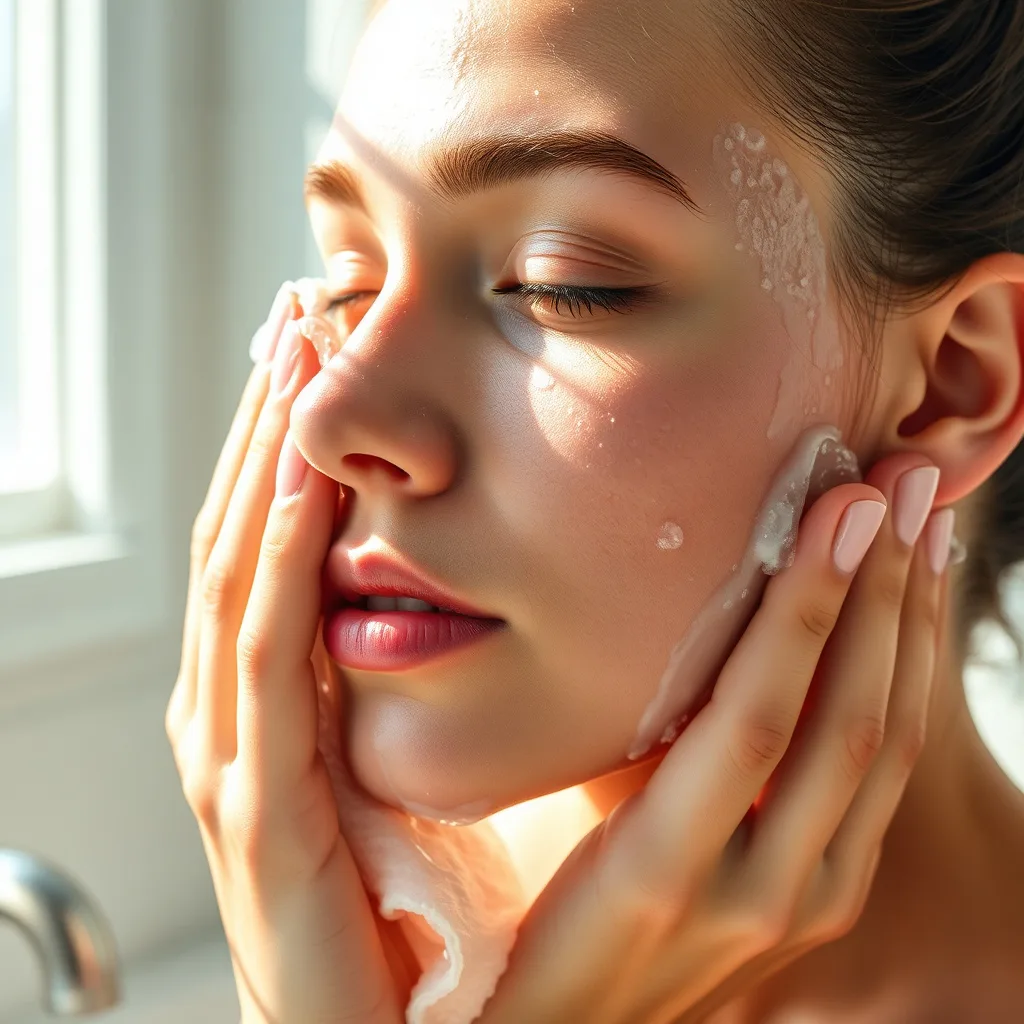
In the era of the “clean beauty” movement and the rise of DIY skincare tutorials on social media, many of us have been tempted to look toward our kitchen pantries for affordable, natural alternatives to expensive serums and scrubs. Among the most frequently recommended household items is baking soda (sodium bicarbonate). Promoted as a miracle cure for acne, a powerful exfoliant, and a brightening agent, baking soda appears to be a versatile tool for achieving a glow. However, when we move beyond the anecdotal evidence and look at the actual chemistry of the skin, a different story emerges.
Key takeaways
- Baking soda's high pH destroys the skin's protective acid mantle, leading to irritation and chronic dryness.
- Physical exfoliation with baking soda causes microscopic tears in the skin, increasing the risk of breakouts and scarring.
- Alkaline substances disrupt the skin microbiome, encouraging the growth of harmful bacteria and impairing natural cell shedding.
- Repair a damaged barrier by using a gentle, pH-balanced cleanser and products containing ceramides, squalane, or hyaluronic acid.
The truth about baking soda in skincare is rooted in a fundamental biological conflict: the difference between the pH of your skin and the pH of baking soda. While it may offer a temporary sensation of smoothness, the long-term implications for the skin barrier can be severe. To truly understand why dermatologists generally advise against applying baking soda to the face, we must explore the science of the skin’s acid mantle and the risks associated with high-alkaline substances.
Understanding the Chemistry: pH and Your Skin Barrier
To understand why baking soda is problematic, we first need to understand the pH scale. The pH scale measures how acidic or alkaline a substance is, ranging from 0 (highly acidic) to 14 (highly alkaline), with 7 being neutral. Your skin is not neutral; it is naturally slightly acidic. The surface of healthy skin typically has a pH between 4.7 and 5.75.
This acidity is not an accident; it is a critical defense mechanism known as the acid mantle. The acid mantle is a thin, protective film on the surface of the skin composed of lipids, amino acids, and sweat. Its primary purpose is to maintain the skin’s integrity and act as a barrier against environmental aggressors. An acidic environment is essential for several reasons:
- Pathogen Defense: Many harmful bacteria and fungi cannot survive or thrive in an acidic environment. By maintaining a low pH, your skin naturally inhibits the growth of pathogens that could cause infections.
- Enzyme Regulation: The enzymes responsible for shedding dead skin cells (desquamation) and synthesizing lipids (ceramides) require an acidic environment to function correctly.
- Hydration: A healthy acid mantle prevents transepidermal water loss (TEWL), ensuring that moisture stays locked within the skin.
Baking soda, on the other hand, is highly alkaline, with a pH of approximately 8.3 to 9. When you apply a substance with such a high pH to your face, you effectively neutralize the acid mantle. This sudden shift in pH disrupts the skin’s biological balance, leaving the barrier compromised and the skin vulnerable to irritation, dryness, and infection.
The Allure of DIY: Why Baking Soda Becomes Popular
If baking soda is so disruptive, why is it still widely recommended in DIY beauty circles? The answer lies in the immediate, albeit deceptive, results. Many people report that their skin feels “squeaky clean” or remarkably smooth immediately after using a baking soda scrub. This sensation is often mistaken for a successful exfoliation, but in reality, it is a sign of distress.
That “smooth” feeling is frequently the result of the baking soda stripping away not just dead skin cells, but also the essential lipids and oils that keep the skin supple. By removing the protective oil layer, the skin feels temporarily tighter and smoother, but it is actually becoming dehydrated. Furthermore, because baking soda is a salt, it can initially draw moisture out of the skin, creating a temporary tightening effect that some mistake for a “lifting” or “firming” result.
The accessibility of baking soda—being inexpensive and available in every grocery store—makes it an attractive option for those who want to avoid the high costs of dermatological products. However, the cost of repairing a damaged skin barrier often far exceeds the price of a professionally formulated, pH-balanced cleanser.
Baking Soda as an Exfoliant: The Risks of Physical Abrasion
Exfoliation is the process of removing dead skin cells from the surface of the epidermis to reveal fresher, brighter skin. There are two main types: chemical exfoliation (using acids) and physical exfoliation (using scrubs). Baking soda is used as a physical exfoliant, but it is far from ideal.
The crystals in baking soda are not uniform in shape or size. Under a microscope, these particles can have jagged, irregular edges. When you rub these crystals onto the delicate skin of your face, you aren’t just removing dead cells; you are creating microscopic tears, known as micro-tears, in the skin’s surface. These micro-tears may be invisible to the naked eye, but they compromise the skin’s structural integrity.
These tears create entry points for bacteria and pollutants, increasing the likelihood of breakouts and inflammation. For those with sensitive skin or conditions like rosacea, this mechanical irritation can trigger a flare-up, leading to persistent redness and capillary damage. Unlike professional scrubs that use spherical beads or gentle enzymes, baking soda lacks the precision and safety required for facial application.
Acne and Baking Soda: A Dangerous Combination
One of the most common suggestions for acne-prone skin is a baking soda paste, touted for its ability to “dry out” pimples. This is perhaps the most dangerous application of baking soda. Acne is often caused by a combination of excess sebum, dead skin cells, and the bacteria Cutibacterium acnes. While it might seem logical to use an alkaline substance to neutralize the “acidity” of a breakout, the opposite is actually true.
The bacteria that cause acne thrive when the skin’s pH is disrupted. By raising the pH of the skin, baking soda creates an environment that is more hospitable to certain types of bacteria and less effective at fighting them off. Furthermore, the extreme alkalinity strips the skin of its natural oils. In response to this sudden dryness, the sebaceous glands often overcompensate by producing more oil to replace what was lost. This leads to a vicious cycle of oil overproduction and clogged pores, ultimately worsening the acne.
Additionally, the irritation caused by the abrasive nature of baking soda can lead to post-inflammatory hyperpigmentation (PIH). This means that while you might be trying to clear a pimple, you are simultaneously increasing the risk of leaving behind a dark spot or scar that takes months to fade.
Recognizing the Signs of Barrier Damage
If you have been using baking soda in your skincare routine, it is important to recognize the signs that your skin barrier has been compromised. A damaged barrier is not just a cosmetic issue; it is a functional failure of your skin’s primary defense system. Look for the following indicators:
- Increased Sensitivity: Products that used to be fine now cause a stinging or burning sensation upon application.
- Persistent Dryness: Your skin feels tight and dry even after applying moisturizer, or it may exhibit flaky, rough patches.
- Unexpected Breakouts: You notice an increase in small bumps or acne in areas where you didn’t previously have issues.
- Redness and Inflammation: Your complexion appears chronically flushed or irritated without an obvious external cause.
- Rough Texture: Instead of feeling smooth, the skin feels “sandpapery” or uneven due to impaired desquamation (the natural shedding process).
If you experience these symptoms, the first and most important step is to immediately stop using baking soda and any other harsh DIY treatments. Your skin needs a period of “rest” to rebuild its lipid layers and restore its natural pH balance.
Safe, Science-Backed Alternatives for Exfoliation
You do not need to sacrifice efficacy for safety. There are numerous alternatives to baking soda that provide a deep clean and smooth texture without destroying your skin barrier. The key is to choose ingredients that work with your skin’s biology rather than against it.
Chemical Exfoliants (The Gold Standard)
Chemical exfoliants use mild acids to dissolve the “glue” holding dead skin cells together, allowing them to shed naturally. Because they are formulated at a specific pH, they are far safer than baking soda.
- Salicylic Acid (BHA): Oil-soluble and perfect for acne-prone or oily skin. It penetrates deep into the pores to clear out debris.
- Glycolic Acid (AHA): Derived from sugar cane, it is excellent for brightening the skin and improving texture.
- Lactic Acid (AHA): A gentler alternative to glycolic acid, ideal for dry or sensitive skin, as it also helps attract moisture.
Gentle Physical Exfoliants
If you prefer the feeling of a scrub, look for products with rounded particles. Rice powders, colloidal oatmeal, or jojoba beads are far less abrasive than baking soda and are unlikely to cause micro-tears.
Enzyme Exfoliants
For the most sensitive skin, enzyme exfoliants (derived from papaya or pineapple) are an excellent choice. They specifically target dead protein without affecting the living cells or the pH balance of the skin.
How to Repair Your Skin After Using Harsh DIY Remedies
Recovering from the use of baking soda requires a “less is more” approach. The goal is to support the skin’s natural healing process and replenish the lost lipids. Follow these steps to restore your barrier:
1. Simplify Your Routine: Strip your skincare down to the basics. Stop using all actives, including retinols, vitamin C, and exfoliating acids, for at least two weeks. Focus solely on cleansing, hydrating, and protecting.
2. Use a pH-Balanced Cleanser: Switch to a gentle, non-foaming, soap-free cleanser with a pH around 5.5. Avoid “squeaky clean” cleansers, as these often have a high pH that will further delay recovery.
3. Incorporate Barrier-Repairing Ingredients: Look for moisturizers containing the following ingredients, which mimic the skin’s natural composition:
- Ceramides: Essential lipids that help seal the gaps between skin cells.
- Hyaluronic Acid: A humectant that draws moisture into the skin.
- Panthenol (Pro-vitamin B5): Soothes inflammation and promotes wound healing.
- Squalane: A stable oil that mimics natural sebum without clogging pores.
4. Prioritize Sun Protection: A compromised skin barrier is significantly more susceptible to UV damage. Use a mineral-based sunscreen (zinc oxide or titanium dioxide) as these are generally less irritating than chemical filters on damaged skin.
When Baking Soda IS Useful (Non-Skin Applications)
It is important to clarify that baking soda is not “bad”—it is simply misplaced when used on the face. Sodium bicarbonate is a phenomenal tool for other areas of your life. Its alkaline properties make it a powerful cleaning agent and a staple in the kitchen.
- Household Cleaning: It is excellent for deodorizing refrigerators, scrubbing sinks, or lifting stains from carpets.
- Baking: As a leavening agent, it reacts with acids (like buttermilk or lemon juice) to produce carbon dioxide gas, making cakes and breads rise.
- Oral Care (With Caution): Some toothpastes contain a small amount of baking soda for whitening. However, using pure baking soda to brush your teeth can erode tooth enamel over time, so it should be used sparingly and preferably in a formulated product.
The lesson is one of specificity: just because a substance is “natural” and effective for cleaning a kitchen counter does not mean it is safe for the complex, living organ that is your skin.
The Skin Microbiome and the Alkaline Shift
While the acid mantle provides a physical and chemical shield, it also serves as the primary regulator for the skin microbiome—the vast ecosystem of bacteria, fungi, and viruses that live on our surface. A healthy skin microbiome is dominated by commensal bacteria, such as Staphylococcus epidermidis, which thrive in a slightly acidic environment. These beneficial microbes produce antimicrobial peptides that actively fight off pathogens and help signal the immune system to remain calm and balanced.
When baking soda is applied to the skin, the resulting alkaline shift does more than just strip lipids; it fundamentally alters the ecological niche of the skin. Many opportunistic pathogens, most notably Staphylococcus aureus, are far more tolerant of alkaline conditions than the skin’s native beneficial flora. By raising the pH, you are essentially “evicting” the protective bacteria and rolling out a welcome mat for harmful strains. This shift can lead to a state of dysbiosis, where the balance of the microbiome is skewed toward pathogenicity.
For individuals with a healthy immune system, this might manifest as a temporary increase in sensitivity or a few unexpected breakouts. However, for those with a predisposed tendency toward skin infections, this alkaline shift can be catastrophic. An environment with a pH above 6.0 significantly impairs the skin’s ability to produce the natural acids that inhibit the colonization of S. aureus, which is a primary culprit in skin infections and the exacerbation of chronic inflammatory conditions. The result is a surface that is not just chemically compromised, but biologically vulnerable, making the skin more susceptible to everything from fungal overgrowth to staph infections.
Furthermore, the microbiome plays a crucial role in the process of desquamation. Certain bacteria produce proteases that assist in the breakdown of corneodesmosomes—the “glue” that holds dead skin cells together. When the microbiome is disrupted by the high alkalinity of baking soda, this natural shedding process is hindered. This is why some users notice that after the initial “smooth” phase wears off, their skin actually becomes rougher, duller, and more prone to congestion than it was before they started the DIY treatment.
The Danger of “DIY Neutralization”: Baking Soda vs. Lemon Juice
A common and dangerous trend in DIY skincare is the attempt to “balance” the skin by using opposing extremes. Some users, realizing that lemon juice or apple cider vinegar (ACV) is too acidic and causes burning, attempt to neutralize the effect by applying a baking soda paste afterward. Others mix the two together in a single concoction, believing that the acid and the base will cancel each other out, leaving a “neutral” and safe product.
From a chemical perspective, this is a fundamental misunderstanding of how neutralization works on living tissue. When you mix an acid (like citric acid in lemon juice) with a base (sodium bicarbonate), a chemical reaction occurs that produces water, carbon dioxide gas, and a salt. While the resulting solution might be closer to a neutral pH, the process of reaching that neutrality on the skin is highly irritating. The rapid reaction can cause localized thermal stress and chemical instability, leading to immediate redness and inflammation.
More concerning is the “sequential application” method. Applying a strong acid and then following it with a strong base creates a “pH seesaw” effect. This rapid oscillation between extreme acidity and extreme alkalinity puts immense stress on the keratinocytes (the primary cells of the epidermis). Instead of neutralizing the damage, this process often strips the skin more aggressively than either ingredient would have alone. The acid weakens the protein structure of the skin, and the subsequent alkaline application dissolves the remaining lipid bonds, leaving the skin barrier completely exposed.
Consider the edge case of a “lemon-soda scrub.” The citric acid in the lemon juice acts as a chemical exfoliant, which is already potent. When combined with the jagged crystals of baking soda, the skin is subjected to simultaneous chemical and mechanical aggression. This combination frequently leads to chemical burns or severe contact dermatitis. The myth that these ingredients “balance” each other is a dangerous oversimplification of chemistry that ignores the biological reality of the skin’s fragility.
Baking Soda and Chronic Inflammatory Conditions
For the average person, baking soda causes irritation; for those with chronic skin conditions, it can trigger a full-scale crisis. Conditions such as atopic dermatitis (eczema) and psoriasis are characterized by a fundamentally broken skin barrier. In eczema patients, for instance, there is often a deficiency in filaggrin, a protein essential for the structural integrity of the stratum corneum. This “leaky skin” already struggles to maintain a proper pH and retain moisture.
Applying a high-pH substance like baking soda to eczematous skin is akin to pouring salt on a wound. Because the barrier is already compromised, the alkaline solution penetrates deeper into the epidermal layers than it would on healthy skin. This causes an immediate inflammatory response, triggering the release of cytokines that increase itching and redness. The resulting “itch-scratch cycle” is intensified because the baking soda strips away the few remaining lipids that were keeping the skin from cracking.
In the case of psoriasis, where skin cells regenerate at an abnormally rapid rate, creating thick plaques, some are tempted to use baking soda to “scrub away” the scales. This is a critical mistake. The physical abrasion of baking soda crystals can trigger the Koebner phenomenon—a process where new psoriatic lesions form at the site of a skin injury. Instead of clearing the plaque, the mechanical trauma of the scrub can actually expand the area of inflammation and lead to bleeding or secondary infections.
Even for those with mild rosacea, the alkalinity of baking soda acts as a potent vasodilator. The irritation causes blood vessels in the face to expand, leading to the characteristic flushing and persistent redness associated with the condition. Because rosacea is often linked to an overabundance of Demodex mites and a disrupted microbiome, the pH shift caused by baking soda further destabilizes the skin’s environment, potentially leading to a flare-up of papules and pustules that can take weeks of professional dermatological treatment to resolve.
Chemical Interactions: Baking Soda and Active Ingredients
Modern skincare routines often involve a cocktail of active ingredients like Vitamin C (L-ascorbic acid), retinoids, and alpha-hydroxy acids (AHAs). Integrating baking soda into a routine containing these actives creates a series of volatile chemical interactions that can render expensive products useless or, worse, make them irritating.
Take Vitamin C, for example. L-ascorbic acid is highly unstable and requires a low pH (typically below 3.5) to penetrate the skin barrier effectively. If you use a baking soda cleanser or paste shortly before applying a Vitamin C serum, the residual alkalinity on the skin will neutralize the acid. This doesn’t just make the serum less effective; it can cause the Vitamin C to oxidize more rapidly on the skin’s surface, turning it a brownish-orange color and eliminating its antioxidant benefits. You are essentially paying for a high-performance active only to deactivate it with a pantry staple.
The interaction with retinoids (like retinol or tretinoin) is even more concerning. Retinoids are known to increase cell turnover and can initially cause dryness and peeling. When the skin is in this state of “retinization,” the barrier is temporarily thinner and more permeable. Applying baking soda during this window increases the risk of severe irritation and chemical burns. The alkaline nature of the soda can disrupt the carefully managed delivery system of the retinoid, leading to uneven absorption and localized “hot spots” of irritation.
Furthermore, for those using prescription topical steroids to manage inflammation, baking soda can interfere with the absorption rate of the medication. By altering the surface pH and stripping the lipids, the medication may penetrate too deeply or too quickly, increasing the risk of systemic absorption or localized skin thinning (atrophy). The rule of thumb in skincare chemistry is that stability is key; introducing a raw, unbuffered base like sodium bicarbonate into a sophisticated regimen is a recipe for instability and unpredictable reactions.
The Science of Buffering: Why Formulated Products Differ
A common counter-argument is that some commercial cleansers or toothpastes contain sodium bicarbonate and are safe. This leads to the belief that the ingredient itself isn’t the problem, but rather the way it is used. This misunderstanding stems from a lack of knowledge about “buffering agents.” In professional cosmetic chemistry, ingredients are rarely used in their raw, concentrated form. Instead, they are part of a buffered system.
A buffer is a solution that resists changes in pH when small amounts of acid or base are added. When a chemist includes baking soda in a formulated product, they balance it with other ingredients—such as citric acid, sodium citrate, or lactic acid—to ensure the final product lands at a specific, safe pH. They also add surfactants and emollients that mitigate the abrasive nature of the crystals, often using micronized versions of the powder that are spherical rather than jagged.
Raw baking soda from a box has no such safeguards. It is an unbuffered, concentrated alkaline salt. When you mix it with water at home, you are creating a solution with a pH that is far too high for human skin to tolerate. There is no mechanism in a DIY paste to prevent the pH from spiking or to protect the lipid bilayer from being dissolved. The difference between a formulated product and a DIY mixture is the difference between a controlled chemical reaction and a chaotic one.
Moreover, formulated products undergo stability testing to ensure that the ingredients do not react with one another over time. A DIY mixture of baking soda and water (or oil) can change in pH as it sits or as it interacts with the air. This lack of standardization means that every time you mix a batch of baking soda paste, you are applying an unknown concentration of alkalinity to your face, making it impossible to predict the level of damage being done to the skin’s structural proteins.
Deconstructing the “Squeaky Clean” Fallacy
The psychological appeal of baking soda often hinges on the “squeaky clean” feeling. To many, that sensation—where the fingers glide across the skin with a certain amount of friction or “grip”—is interpreted as a sign that all dirt, oil, and impurities have been removed. In reality, this sensation is a biological warning sign. The “squeak” is actually the sound and feel of skin that has been completely stripped of its natural lubrication.
Healthy skin is coated in a complex mixture of sebum (oil), sweat, and lipids (ceramides, cholesterol, and fatty acids). This layer reduces surface tension and allows for a smooth, slippery glide. When you use a high-pH substance like baking soda, you are performing a process similar to degreasing a metal pan. The alkaline solution saponifies the oils on your skin—essentially turning your natural sebum into a crude form of soap that is then rinsed away. What remains is a bare, exposed surface of keratin proteins without any lipid cushioning.
This lack of lubrication increases the coefficient of friction between your finger and your skin, creating that “squeaky” sensation. While this feels satisfying in the moment, it indicates that the stratum corneum’s “brick and mortar” structure has been compromised. The “mortar” (the lipids) has been dissolved, leaving the “bricks” (the skin cells) exposed. This leads to immediate transepidermal water loss (TEWL), as there is nothing left to prevent water from evaporating from the deeper layers of the dermis into the air.
This is why the smoothness associated with baking soda is so short-lived. Within hours, the skin often feels tighter, itchier, and more prone to oiliness. This is the skin’s emergency response to the “squeak.” The sebaceous glands, sensing a total loss of surface lipids, go into overdrive to replace the barrier. This rebound oiliness is often what leads users to use baking soda more frequently, creating a destructive cycle of over-stripping and over-producing that eventually leads to chronic congestion and a permanently damaged skin barrier.
Frequently Asked Questions
Q: Can I use baking soda on my body instead of my face?
A: While the skin on your body (like your elbows or feet) is thicker and more resilient than the skin on your face, baking soda is still not recommended. It can still disrupt the pH balance and lead to dryness or irritation. If you need a body scrub, a mixture of sugar and a carrier oil (like coconut or almond oil) is much safer and more effective.
Q: Is it okay to use baking soda if I have very oily skin?
A: No. Oily skin often has a compromised barrier already, or is reacting to internal factors. Using an alkaline substance like baking soda will strip the oil too aggressively, which often triggers the skin to produce even more oil to protect itself, potentially worsening the oiliness and acne.
Q: I’ve used baking soda for years and my skin looks great. Why?
A: Everyone’s skin chemistry is different, and some individuals have a more resilient skin barrier. However, the damage caused by high-pH substances is often cumulative. You may not see immediate peeling, but you could be accelerating the aging process by weakening the skin’s structural integrity over time.
Q: Are there any “natural” exfoliants that are actually safe for the face?
A: Yes, but they must be gentle. Finely ground colloidal oatmeal is excellent for soothing and light exfoliation. Honey is a natural humectant that can help clean the skin without stripping it. However, always patch-test any natural remedy on your forearm before applying it to your face.
Q: How long does it take for the skin barrier to heal after using baking soda?
A: Depending on the severity of the damage, it typically takes about 28 days for the skin to complete a full regeneration cycle. With a consistent, gentle routine focused on ceramides and hydration, most people notice a significant improvement in sensitivity and hydration within 2 to 4 weeks.
Related posts:
 The Best Toners for Acne-Prone Skin That Won’t Strip Your Face
 Foundation’s Impact on Skin
 Kitchen Pharmacy: How Baking Soda Fights Inflammation Naturally
 Creative Ways to Use Baking Soda
 Proper Use of Exfoliating Mitts
 Too Clean for Comfort: Why Being Squeaky Clean Might Be Bad for Your Skin
 Best Natural Ingredients for Soothing Dry Skin
 The Slow Beauty Movement’s Secret Hydration Recipes