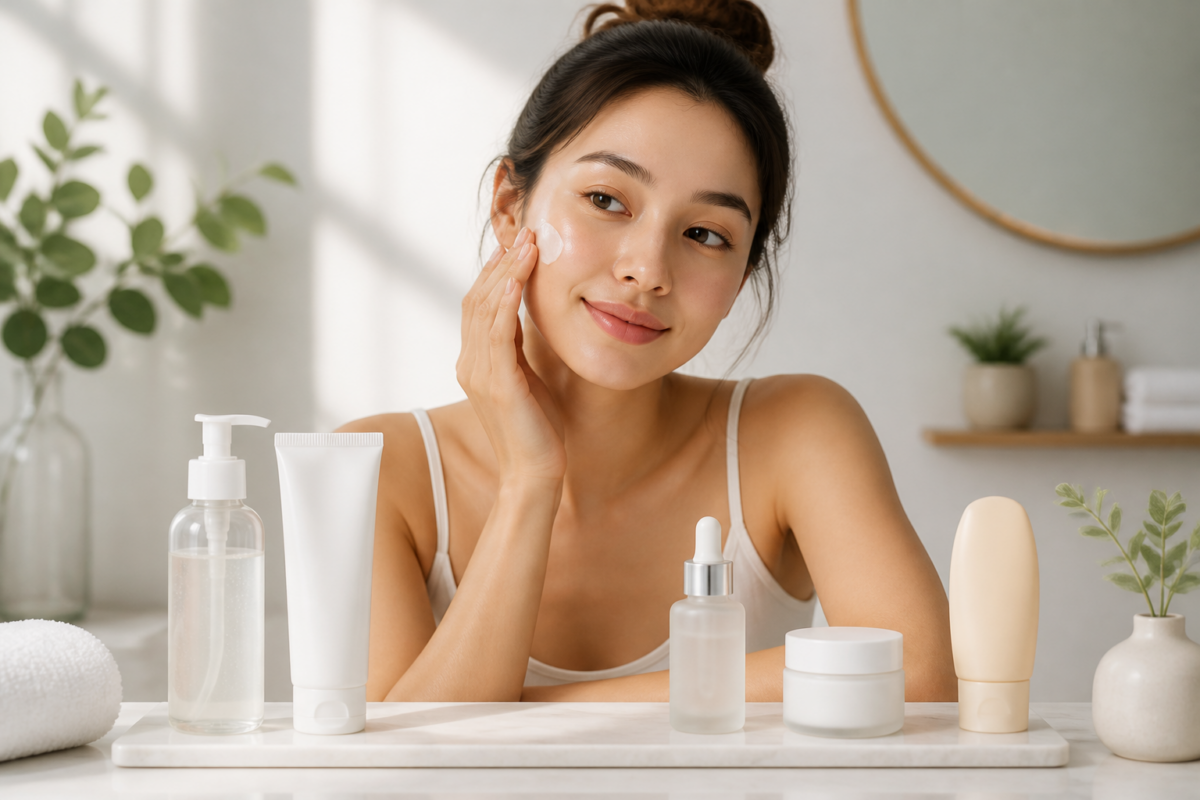
Your skin is the largest organ of your body, and taking care of it properly doesn’t require elaborate products or expensive treatments. In fact, a consistent, science-backed skincare routine tailored to your unique skin type can make a profound difference in how you look and feel. This guide walks you through the fundamental components of a basic skincare routine, explains why each step matters, and provides practical advice on choosing products that work for you. Whether you’re a beginner or looking to refine your current regimen, understanding the core elements will help you achieve clearer, healthier skin over time.
Understanding Your Skin Type First
Before diving into any product, identifying your skin type is crucial for tailoring a routine that actually works. Most people fall into one of three categories: oily, dry, or combination, though some have naturally balanced skin. Oily skin tends to shine throughout the day, may have enlarged pores, and often responds well to foaming cleansers and oil-free moisturizers. Dry skin feels tight, flaky, and lacks natural oil production, requiring richer creams and gentle exfoliants. Combination skin presents the most common challenge—oily T-zone while the cheeks remain dry. By observing your skin throughout the day rather than just after washing it off, you can pinpoint patterns that indicate which category applies to you best.
The Foundation Step: Effective Cleansing
A proper cleansing routine removes dirt, excess oil, and impurities that accumulate during the day. However, aggressive scrubbing or using harsh soaps can strip the skin of its natural barrier, leading to irritation and breakouts later. Look for a cleanser formulated specifically for your skin type. For oily skin, a gentle gel-based cleanser containing salicylic acid can help unclog pores without over-drying. Dry skin benefits from creamy, non-foaming cleansers with mild surfactants like decyl glucoside. Combination skin can thrive with dual-phase cleansers that are mild enough for the T-zone but supportive of drier areas. Make sure to wash your face twice daily—once in the morning to remove pollutants and makeup, and once at night to clear away sweat and oils accumulated during the day. Rinse thoroughly with lukewarm water, avoiding hot water which can further compromise your skin barrier.
Hydration Through Moisturization
Moisturizer plays a vital role beyond mere surface hydration—it strengthens the skin’s natural barrier and locks in moisture. Choosing the right texture and ingredients depends heavily on your skin type. Oily skin typically requires lightweight gels or lotions containing hyaluronic acid and niacinamide, which provide hydration without adding greasiness. Dry skin needs richer creams with ceramides, peptides, and natural oils like squalane or shea butter to repair the lipid barrier and restore softness. Combine both by applying a thicker moisturizer during the night and a lighter layer in the morning for those with mixed tendencies. Always apply moisturizer to damp skin to maximize absorption and lock in moisture more effectively. Remember, moisture and dehydration are different concerns—the former refers to water content, while the latter relates to lipids that keep skin plump and resilient.
The Non-Negotiable: Sunscreen Protection
>Solar radiation is the primary cause of premature skin aging and increased risk of skin cancer. Even on cloudy days, UV rays penetrate and damage collagen-producing enzymes. Broad-spectrum sunscreen with SPF 30 or higher should become a lifelong habit, applied generously before any sun exposure. The American Academy of Dermatology recommends applying approximately two milliliters—about a pea-sized amount—for the face—and reapplying every two hours when outdoors. Choose mineral-based formulas (containing zinc oxide or titanium dioxide) for sensitive or acne-prone skin, as they sit on the surface and reflect UV rays rather than being absorbed. For oily skin, a non-comedogenic formula won’t clog pores. Consistency with daily sunscreen use is far more important than occasional heavy application; small amounts each day build cumulative protection better than large quantities occasionally.
Evening Care: Serums and Targeted Treatment
>Once your skin has rested during the day, evening routines allow for deeper treatment with active ingredients. Retinoids, vitamin C, and alpha-hydroxy acids offer potent benefits when used strategically. Vitamin C serums (typically 10-20% L-ascorbic acid) neutralize free radicals, brighten hyperpigmentation, and improve skin tone when applied in the morning alongside sunscreen. For nighttime, retinol or bakuchiol (a plant-derived alternative) support cell turnover and reduce fine lines. Incorporate these actives sparingly—starting with twice weekly use prevents irritation—and always follow with a moisturizer to counteract potential dryness. Exfoliation with chemical peels (AHAs or BHAs) daily can enhance product absorption and cellular renewal, particularly when combined with a good cleanser in the morning.
Lifestyle Factors That Impact Your Routine
>No skincare routine is effective if ignored entirely. Sleep quality directly influences skin repair; aim for seven to nine hours per night to allow collagen synthesis and wound healing. Stress management matters too—chronic stress triggers cortisol release, which increases oil production and inflammation. Simple practices like meditation, deep breathing exercises, or even short walks can calm your nervous system and promote healthier skin. Diet also plays a significant role; fruits rich in antioxidants, omega-3 fatty acids from fish or flaxseed, and adequate water intake all contribute to skin health. Avoid smoking, which damages blood vessels and accelerates aging, and limit alcohol consumption, which dehydrates and inflames the skin. When possible, consider environmental protections such as wearing wide-brimmed hats and sunglasses during extended outdoor activities.
Building Consistency Without Burnout
>Many people abandon skincare regimens because they grow overwhelmed by conflicting advice. The key to long-term success lies in simplicity and patience. Start with two essential steps—cleanse and protect—and add one additional step based on your skin’s needs. Overloading your routine with ten products creates maintenance burden and increases the chance of reactions. Once you’ve established a foundation, introduce targeted treatments gradually. Track your skin’s response using a journal, noting changes in appearance, texture, and sensitivity. If you notice redness, peeling, or persistent breakouts, scale back and reassess. Progress typically becomes visible after four to six weeks of consistent practice, so be patient with yourself as your skin adapts to the new regimen.
Common Mistakes to Avoid
>Several pitfalls undermine even the most well-intentioned skincare efforts. Using the same product across both morning and night disrupts the circadian rhythm of your skin’s microbiome and can lead to irritation. Applying sunscreen without broad-spectrum protection leaves your skin vulnerable to photoaging. Skipping moisturizer despite having oily skin often results in a compromised barrier that breaks down quickly. Using physical exfoliators like rough scrubs daily causes micro-tears and makes future breakouts more likely. Finally, expecting overnight miracles diminishes motivation; real improvement occurs slowly as your skin’s physiology improves over months. Setting realistic expectations and celebrating small victories along the way sustains commitment longer than rigid perfectionism.
Double Cleansing: The Two-Step Foundation for Thorough Impurity Removal
Many people wash their face once and consider the job done, but this approach often leaves behind residue that accumulates throughout the day. Double cleansing originated in Korean skincare traditions and has gained worldwide acceptance because it addresses two distinct types of buildup: oil-based impurities and water-based debris. The first cleanse uses an oil-based remover—either a balm, cleansing oil, or micellar water—to dissolve sunscreen, sebum, makeup, and environmental pollutants that water alone cannot lift. Massage the oil product onto dry skin for 30-60 seconds, allowing it to bind with pore-clogging substances before introducing water. The second cleanse employs your regular water-soluble cleanser to wash away the initial residue and any remaining traces of the first product. This method proves particularly valuable for anyone who wears makeup daily, lives in urban environments with high pollution levels, or uses heavy-duty sunscreen formulations. For example, waterproof mascara and long-wear foundation resist single-cleaner attempts but surrender readily to oil-based formulas. Those with dry or sensitive skin should choose gentler oil cleansers containing squalane or jojoba oil, while acne-prone individuals benefit from lighter options like grapeseed or mineral oil formulations that won’t exacerbate congestion. The technique works regardless of skin type, but frequency matters—double cleansing every evening maintains optimal cleanliness while once-daily evening use prevents over-stripping for most people.
Targeted Eye Care: Addressing the Delicate Periorbital Zone
The skin surrounding your eyes differs fundamentally from the rest of your face—it contains fewer oil glands, thinner collagen structures, and constant movement from blinking and facial expressions. Neglecting this area creates a disconnect where your face appears younger than your eyes reveal. Eye creams serve specific functions that facial moisturizers cannot adequately address: reducing puffiness through caffeine or cucumber extract constricts blood vessels temporarily, while peptides and vitamin K target dark circles caused by vascular visibility. For crow’s feet and crepey texture, retinoid-based eye products offer the most evidence-backed results, though sensitivity requires careful introduction—start with formulas containing lower concentrations (0.025% retinol) and apply only twice weekly initially. Application technique matters significantly here; use your ring finger to dab product along the orbital bone rather than directly on mobile skin, as this pressure-sensitive finger ensures you won’t tug or stretch the delicate tissue. Refrigerating eye creams provides additional de-puffing benefits through the cooling vasoconstriction effect. Those experiencing persistent under-eye bags should evaluate lifestyle factors like sodium intake, sleep position, and allergies before investing in premium formulations, as these causes often require systemic solutions rather than topical intervention. Mature skin (50+) benefits from richer eye creams containing ceramides and fatty acids, while younger individuals might focus on hydration with hyaluronic acid-based formulas that plump without heaviness.
Strategic Layering: Maximizing Product Efficacy Through Proper Sequencing
The order in which you apply skincare products dramatically influences their absorption and effectiveness, yet confusion persists about proper layering. The guiding principle follows consistency: thinnest to thickest allows each layer to penetrate without barrier interference. Water-based serums containing humectants like hyaluronic acid or glycerin should be applied immediately after toning while skin remains slightly damp, as these ingredients draw moisture from the environment or deeper skin layers to hydrate effectively. Follow with lipid-based treatments like niacinamide serums or antioxidant formulas, then move to lightweight gels before heavier creams. For daytime routines, wait 60-90 seconds between each application to allow proper absorption rather than piling products on unabsorbed layers. Active ingredients require special consideration in layering decisions. Vitamin C performs optimally in low-pH environments and should be applied to clean, toned skin before heavier products that might raise the pH locally. Niacinamide and vitamin C once conflicting advice existed about combining these ingredients, but current formulations coexist peacefully—apply niacinamide first, wait two minutes, then layer vitamin C if using separate products rather than combination formulas. Retinoids demand the last position before occlusive moisturizers and should never layer directly with AHAs or BHA in the same routine session, as this combination increases irritation potential dramatically. Azelaic acid presents unique flexibility—it works morning or night and pairs well with most actives, making it ideal for those building multi-ingredient routines.
Barrier Repair: Restoring and Protecting Your Skin’s First Line of Defense
The stratum corneum functions as your skin’s protective shield, yet aggressive skincare practices commonly damage this essential barrier. Symptoms of compromised barriers include persistent redness, stinging upon product application, increased sensitivity to temperature changes, and paradoxical oiliness as skin overcompensates for water loss. When you identify barrier dysfunction, the solution involves simplification rather than addition—strip back to gentle cleansing, basic moisturization, and sunscreen until symptoms resolve. Key ingredients accelerate barrier restoration: ceramides (which comprise approximately 50% of the skin’s natural lipid matrix), fatty acids like linoleic and oleic acid, and cholesterol all contribute to rebuilding structural integrity. Products labeled “barrier repair” typically contain this trifecta in proportions mimicking natural skin composition. Centella asiatica and its derivatives (madecassoside, asiaticoside) reduce inflammation while supporting cellular repair mechanisms. Avoid products containing high concentrations of denatured alcohol, synthetic fragrances, or essential oils when healing your barrier, as these ingredients delay recovery in compromised skin. Recovery timelines vary from two weeks for mild damage to eight weeks for severe compromise, and patience proves essential during this process—resist the temptation to add actives prematurely, as this prolongs healing. Once restored, maintaining barrier health prevents future dysfunction; consistent moisturization, gentle cleansing practices, and gradual introduction of active ingredients protect your investment in healthy skin.
Environmental Shielding: Pollution, Blue Light, and Atmospheric Stressors
While sunscreen addresses UV radiation, modern skincare must confront additional environmental aggressors that accelerate aging and damage. Particulate matter from air pollution penetrates pores and generates free radicals that degrade collagen and trigger hyperpigmentation—urban dwellers experience measurably faster visible aging than rural populations with equivalent sun exposure. Antioxidant serums create a protective screen against pollution-induced damage; vitamin C remains the gold standard, though polypodium leucotomos extract and resveratrol offer complementary protection when layered underneath sunscreen. Blue light (HEV radiation) from digital screens represents a newer concern with emerging research suggesting potential damage to melanocytes and accelerated oxidative stress. Iron oxides in tinted sunscreens and skincare products provide specific blue light protection, making them valuable for those concerned about screen-induced hyperpigmentation—formulas containing 3% iron oxide filter blue light while enhancing cosmetic elegance for deeper skin tones. Indoor pollution from cleaning chemicals, cooking fumes, and off-gassing furniture compounds outdoor exposure; evening cleansing becomes non-negotiable for those spending significant time indoors with poor ventilation. Consider antioxidant-rich diets (berries, green tea, dark leafy greens) as internal reinforcement for topical protection, creating multiple defense layers against environmental assault. Air quality apps help you anticipate high-pollution days when additional protective measures might prove beneficial.
Seasonal Adjustment: Adapting Your Regimen Throughout the Year
Skin behaves differently across seasons, and rigid adherence to identical routines produces suboptimal results. Summer brings increased sebum production, heightened UV exposure, and greater humidity—all pointing toward lightweight formulations. Gel-based moisturizers replace cream textures, non-comedogenic products prevent summer acne flares, and SPF 50 may replace SPF 30 as extended outdoor time increases exposure risks. Hydrating serums prove particularly valuable in summer because air conditioning strips ambient moisture, creating paradoxical dehydration despite environmental humidity. Winter presents opposite challenges: cold outdoor air holds less moisture, indoor heating creates arid environments, and wind exposure damages exposed skin. Richer occlusive moisturizers protect against trans-epidermal water loss, facial oils layered over creams provide additional lipid replacement, and shorter lukewarm showers prevent further barrier compromise. Those with eczema or psoriasis often experience winter flares requiring prescription intervention. Spring and fall serve as transition periods when skin adjusts to changing temperatures and humidity levels—introducing new products gradually during these seasons lets you evaluate tolerance without the extreme variables of summer or winter. Geographic location modifies seasonal timing; tropical climates might require summer-weight routines year-round while arid desert regions demand consistent barrier support regardless of calendar season. Pay attention to your skin’s feedback rather than following rigid date-based rules—flaking in October signals winter approach just as shininess in March might indicate summer’s early arrival.
Skin Cycling and Rest Periods: Preventing Over-Exfoliation Damage
The wellness trend toward “skin cycling” emerged from legitimate concern about over-exfoliation and ingredient overload. This approach organizes active ingredients into rotating cycles—typically four nights—where one night targets exfoliation (AHA or BHA), another features retinoid application, and remaining nights focus on recovery with gentle hydration only. This rhythm prevents the cumulative irritation that occurs when powerful actives accumulate in daily routines, respecting skin’s natural regeneration timeline of approximately 28 days for complete cellular turnover. Weekends or rest days built into routines allow skin recovery without abandoning actives entirely. For those new to powerful ingredients, starting with once-weekly application and building frequency gradually over months proves safer than aggressive initiation. Retinol users particularly benefit from recovery nights because this ingredient works by increasing cellular turnover—constant turnover without pause depletes the skin’s resources and increases sensitivity over time. Even experienced users benefit from periodic breaks; a two-week retinoid vacation every six months resets sensitivity and often reveals improved tolerance upon reintroduction. Listen to signals like prolonged redness, increased breakouts despite consistent routine, or skin that feels perpetually sensitive—these indicate your cycling schedule needs adjustment. The goal involves consistent improvement over months rather than maximum daily intensity that depletes skin’s adaptive capacity.
Frequently Asked Questions About Skincare
>
Q: How many products should I really need?
>A minimal effective routine consists of three pillars: a gentle cleanser, a moisturizer, and daily sunscreen. Adding actives like vitamin C or retinol is optional and should be introduced gradually based on individual tolerance levels.
>
Q: Can I customize my routine further?
>A yes—personalized routines exist for various conditions including acne, rosacea, aging concerns, and hormonal changes. Consultation with a dermatologist can help tailor products and identify underlying issues that influence your choice of ingredients.
>
Q: What is the ideal order of my skincare steps?
>Typical sequence: cleanse → treat (serum/active) → moisturize → sunscreen (morning); skip treatment step in the evening unless targeting specific concerns. Consistency with this order maximizes absorption and minimizes disruption to your skin’s protective mechanisms.
>
Q: How much sunscreen should I use?
>Apply a full-thickness layer covering your entire face (forehead, nose, cheeks, chin, and neck) and ears. About two tablespoons (roughly a shot glass size) serves as a sufficient amount for daily application, regardless of hair coverage.
>
Q: Should I use the same routine year-round?
>Base principles remain constant, but seasonal adjustments matter. In winter, increase moisturizer frequency due to colder air and indoor heating; in summer, prioritize lightweight formulations and ensure sunscreen is reapplied frequently as humidity rises.
Related posts:
 Proper Use of Exfoliating Mitts
 Proper Order of Skincare Application
 The Best Toners for Acne-Prone Skin That Won’t Strip Your Face
 Too Clean for Comfort: Why Being Squeaky Clean Might Be Bad for Your Skin
 The Best Natural Tools for Silky Smooth Skin
 Natural Face Sunscreens Guide
 Gemstones in Skincare
 Foundation’s Impact on Skin