
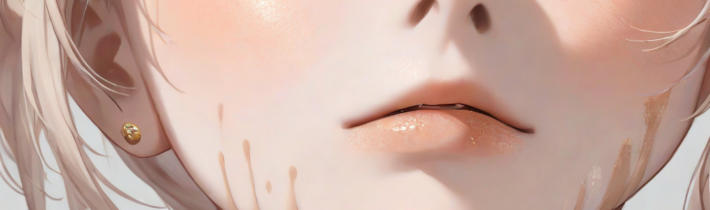
The beauty industry is constantly evolving, but few trends have sparked as much curiosity and debate as the BB Glow treatment. Marketed as a way to achieve a “semi-permanent foundation” effect, this facial service promises to minimize the appearance of pores, camouflage uneven skin tone, and provide a perpetual lit-from-within glow. For many, the idea of waking up with perfectly even-toned skin without the need for daily makeup application sounds like a dream. However, beneath the glossy marketing images lies a complex procedure that requires a deep understanding of skincare science and safety protocols.
Understanding the BB Glow Procedure
BB Glow is a cosmetic procedure that involves the application of a specialized semi-permanent pigment into the uppermost layer of the skin using a microneedling device. Unlike traditional microneedling, which focuses on stimulating collagen production through controlled micro-injuries, the BB Glow process introduces a tinted serum designed to mimic the look of foundation. The aesthetic goal is to create a soft-focus, airbrushed effect that lasts for several weeks or months.
The process typically begins with a thorough cleansing and exfoliation of the skin to ensure the serum can penetrate effectively. A professional technician then uses a pen-like device equipped with sterile, disposable needles to infuse the pigment. The depth of the needles is generally kept very superficial—often called nano-needling—to deposit the serum into the epidermis rather than the deeper dermis. This distinction is crucial, as the goal is to enhance the surface appearance rather than create a permanent tattoo.
The Promise of Semi-Permanent Foundation
The primary appeal of BB Glow is the convenience it offers. People struggling with hyperpigmentation, acne scarring, or general skin dullness often find that daily foundation application is time-consuming and can sometimes clog pores. BB Glow claims to alleviate this by providing a sheer, natural-looking coverage that reduces the contrast between dark spots and healthy skin. It is often described as a “BB cream effect” that remains consistent regardless of whether you are at the gym, swimming, or sleeping.
It is important to manage expectations regarding the term “semi-permanent.” The pigment is not a tattoo in the traditional sense. Because the cells of the epidermis are constantly shedding and renewing, the pigment will gradually fade over time as your skin goes through its natural turnover cycle. Most clients find that the effects last anywhere from two to four months, depending on their skin type, lifestyle habits, and how well they adhere to post-treatment aftercare routines.
Safety Considerations and Regulatory Concerns
Before booking an appointment, it is vital to research the regulatory status of the pigments used in your region. In some jurisdictions, the serums used for BB Glow are not classified as cosmetics or drugs, which means they may not be subject to the same rigorous testing as traditional injectable or topical products. There is a risk that unregulated pigments could contain heavy metals or ingredients that are not approved for intradermal use.
Furthermore, the procedure carries the same risks as any skin-piercing treatment. If the technician does not use sterile equipment or fails to follow proper hygiene protocols, there is a risk of infection, inflammation, or the transmission of bloodborne pathogens. It is essential to seek out a licensed esthetician or dermatologist who is transparent about the ingredients in their serums and maintains a pristine, clinical environment. Always ask to see the packaging of the serum to verify its source and safety documentation.
Who Is the Ideal Candidate?
Not everyone is a suitable candidate for BB Glow. Individuals with active acne, cystic lesions, or open wounds should avoid the treatment until their skin has completely healed. Similarly, those with chronic skin conditions like severe rosacea, eczema, or psoriasis may find that the mechanical stimulation of microneedling exacerbates their symptoms. If you are currently using high-strength retinoids or exfoliating acids, you will likely need to pause these treatments for several days before and after your session to prevent irritation.
People with darker skin tones should exercise extra caution. Because the procedure involves pigment insertion, there is a potential risk of post-inflammatory hyperpigmentation (PIH) if the skin is traumatized too aggressively. A consultation with a professional who has specific experience working with diverse skin tones is non-negotiable. They should be able to perform a patch test to see how your skin reacts to the pigment and the mechanical pressure of the device before committing to a full-face treatment.
The Aftercare Essentials for Lasting Results
How you treat your skin in the days following a BB Glow session significantly influences both the safety of your recovery and the longevity of the results. Immediately after the treatment, your skin may appear red and feel slightly sensitive, similar to a mild sunburn. This is a normal reaction to the mechanical exfoliation and pigment infusion. During the first 48 hours, it is critical to avoid direct sun exposure, as your skin will be particularly susceptible to UV damage.
You should also avoid strenuous exercise, saunas, and hot showers for at least 24 to 48 hours to prevent excessive sweating, which can irritate the treated areas. Maintaining hydration is key, but avoid using heavy, occlusive creams that could clog the pores while they are still recovering from the micro-channels created by the device. Instead, opt for gentle, fragrance-free moisturizers and, most importantly, a high-quality mineral-based sunscreen to protect the integrity of the pigment and your overall skin health.
Managing Expectations vs. Reality
While the marketing images show flawless, glass-like skin, it is important to understand that BB Glow is not a medical cure for skin conditions. It is a cosmetic enhancement. It will not eliminate deep wrinkles, cure acne, or permanently correct significant structural skin issues. It is best viewed as a professional-grade alternative to a tinted moisturizer or a light coverage foundation.
Many clients find that they still need to use a light concealer on specific days or for events, even after receiving the treatment. The goal should be to improve the overall tone and radiance of your complexion rather than seeking a complete transformation. When viewed through this lens, the treatment can be a fantastic tool for boosting confidence, but it should be part of a broader, holistic approach to skincare that includes proper nutrition, hydration, and medical-grade topical treatments when necessary.
The Role of Professional Consultation
The most important step in your BB Glow journey is the initial consultation. During this time, a qualified practitioner should assess your skin history, discuss your cosmetic goals, and explain the limitations of the procedure. If a provider promises that the treatment will last for years or claims it is a medical solution for skin diseases, consider these red flags. A reputable professional will prioritize your skin health above the desire for a quick aesthetic fix.
Use this time to ask questions about the training they have received, the brand of serum they utilize, and their sterilization procedures. If you feel pressured into signing up for multiple sessions without a proper assessment, look elsewhere. Your skin is your largest organ, and investing time in finding a skilled, ethical provider is far more valuable than rushing into a treatment that could have long-term consequences if performed incorrectly.
Navigating the Ingredient Complexity of Pigmented Serums
The serums utilized in BB Glow treatments are a specialized class of cosmetic formulations that sit in a regulatory gray area. Unlike traditional tattoo inks, which are designed to be permanent and are composed of heavy-metal-based pigments, BB Glow serums are formulated with iron oxides, titanium dioxide, and various humectants like hyaluronic acid and niacinamide. The inclusion of these skincare actives is what gives the treatment its dual-benefit appeal. However, the particle size of these pigments is critical. If the pigment particles are too large, they may fail to integrate smoothly into the epidermis, leading to a patchy or “mottled” appearance as the skin heals. Conversely, if the serum contains preservatives or stabilizers not intended for intradermal use, the risk of granuloma formation—a localized inflammatory response where the immune system attempts to wall off the foreign substance—increases significantly. Always request a full ingredient list (INCI) from your provider and cross-reference it with your known allergen profile, particularly if you have sensitivities to specific food dyes or mineral-based cosmetics.
The Cumulative Effect and Skin Barrier Integrity
A common misconception is that BB Glow can be performed indefinitely without consequence. Because the treatment involves controlled mechanical exfoliation, there is a cumulative effect on the skin barrier. Over-treating the skin with repeated microneedling sessions—even at a shallow depth—can lead to “over-exfoliation syndrome.” This manifests as a compromised lipid barrier, increased trans-epidermal water loss (TEWL), and a heightened sensitivity to environmental stressors like wind, pollution, and UV radiation. To maintain healthy skin, practitioners should enforce a strict cooling-off period between sessions, allowing the skin’s natural desquamation process to reset. If your skin feels tight, appears shiny in a waxy way, or becomes reactive to products that were previously tolerated, these are clinical indicators that you should pause the treatment cycle and focus on barrier-repairing ceramides and peptides rather than further pigment infusion.
Technical Nuances: Nano-Needling vs. Microneedling
Distinguishing between the tools used is vital for patient safety. Nano-needling uses a disc of microscopic, rounded-tip silicone or stainless steel pyramids that do not actually pierce the skin to the same depth as traditional microneedling needles. Instead, they create “micro-channels” that are purely for serum absorption. This is the preferred method for the delicate areas around the eyes and lips. True microneedling, which involves solid needles, carries a higher risk of “track marks” if the pen is dragged across the skin rather than stamped. A professional technician will adjust their technique based on the density of the area; for instance, the forehead and cheekbones require different pressure settings than the thinner, more vascular skin of the under-eye region. If you notice a technician moving the device quickly across the skin without lifting it, this is a red flag that could lead to micro-tearing rather than precise pigment delivery.
The Role of Color Theory in Aesthetic Outcomes
Achieving a natural look with BB Glow requires more than just applying a “nude” serum; it requires an understanding of color theory. Because the pigment is deposited into the epidermis, it interacts with your natural undertones. If a technician uses a cool-toned pigment on someone with yellow or olive undertones, the result can appear gray or ashy. Similarly, using a light pigment on hyperpigmented areas without proper color correction often results in a “chalky” look. A skilled provider will custom-blend shades to neutralize existing discoloration—for example, using a peach-based corrector for dark under-eye circles—before applying the final foundation-matching pigment. If your provider offers a “one-size-fits-all” shade, they are likely using an inferior product that will not provide the seamless finish you are seeking.
Managing Post-Treatment “Rebound” Inflammation
Even with a perfectly executed procedure, the skin may undergo a period of reactive inflammation. This is often misinterpreted as a bad reaction, but it is frequently just the skin’s inflammatory response to the trauma of the needles. To minimize this, practitioners often advise the use of LED light therapy—specifically red light—immediately following the session. Red light helps to accelerate the healing of the micro-channels and reduces the duration of erythema (redness). If you find your skin is prone to breakouts after the treatment, it may be due to the introduction of heavy, oil-based serums or the use of non-sterile applicators. Ensure your aftercare kit includes only non-comedogenic, water-based hydrators. Avoid any products containing active ingredients like Vitamin C, Retinol, or AHAs/BHAs for at least 72 hours, as these can cause significant stinging and interfere with the settling of the pigment.
Addressing the “Patchy Fade” Phenomenon
As the body begins to metabolize and shed the pigment, it does not always fade with perfect uniformity. This is known as the “patchy fade” phenomenon, which occurs because different areas of the face have different rates of cellular turnover. The T-zone, being more oil-rich, often sheds pigment faster than the cheeks or the jawline. This can leave the skin looking uneven as the treatment wears off. To mitigate this, patients are often advised to continue using gentle chemical exfoliants like lactic acid once the skin has fully healed (usually 1-2 weeks post-treatment) to encourage a more uniform shedding process. However, this must be balanced carefully; if you exfoliate too aggressively, you will strip the pigment prematurely, essentially wasting the investment you made in the service. Establishing a consistent, mild skincare routine is the best way to ensure the transition from “glowing” to “natural” remains smooth and aesthetically pleasing.
Frequently Asked Questions
1. Is BB Glow the same as a permanent tattoo? No, it is not. While it involves pigment deposition, the serums are designed to be semi-permanent and are deposited much more superficially than traditional tattoo ink. The pigments are formulated to fade naturally as your skin cells turnover over several months.
2. Does the BB Glow treatment hurt? Most clients describe the sensation as a mild tingling or scratching feeling. Because the needles are very fine and the depth is shallow, the procedure is generally well-tolerated. Numbing cream is often applied beforehand to ensure maximum comfort.
3. How many sessions are required to see results? While some people notice a subtle difference after just one session, most professionals recommend a series of three to five treatments spaced about two to four weeks apart to achieve optimal, even coverage that lasts.
4. Can I wear makeup after a BB Glow session? It is generally recommended to avoid wearing heavy makeup for at least 24 to 48 hours following the procedure. This allows the micro-channels created by the needles to close and prevents any bacteria from entering the skin.
5. What are the potential side effects? Temporary side effects include redness, minor swelling, and skin sensitivity. In rare cases, if the procedure is performed improperly, there is a risk of infection, allergic reactions to the pigment, or uneven pigment distribution.
Related posts:
 Spring Awakening: The Hydrating Serums Your Winter Skin Is Craving
 Carole Radziwill’s At-Home Microneedling
 Foundation’s Impact on Skin
 Rael and Good Chemistry Advanced Antioxidant Serum Review
 Microneedling at Home: My GloPro Results After 30 Days
 Your Complete Guide to At-Home Skincare Devices
 The Key Differences Between Serums, Oils, Moisturizers, and Balms
 Proper Order of Skincare Application