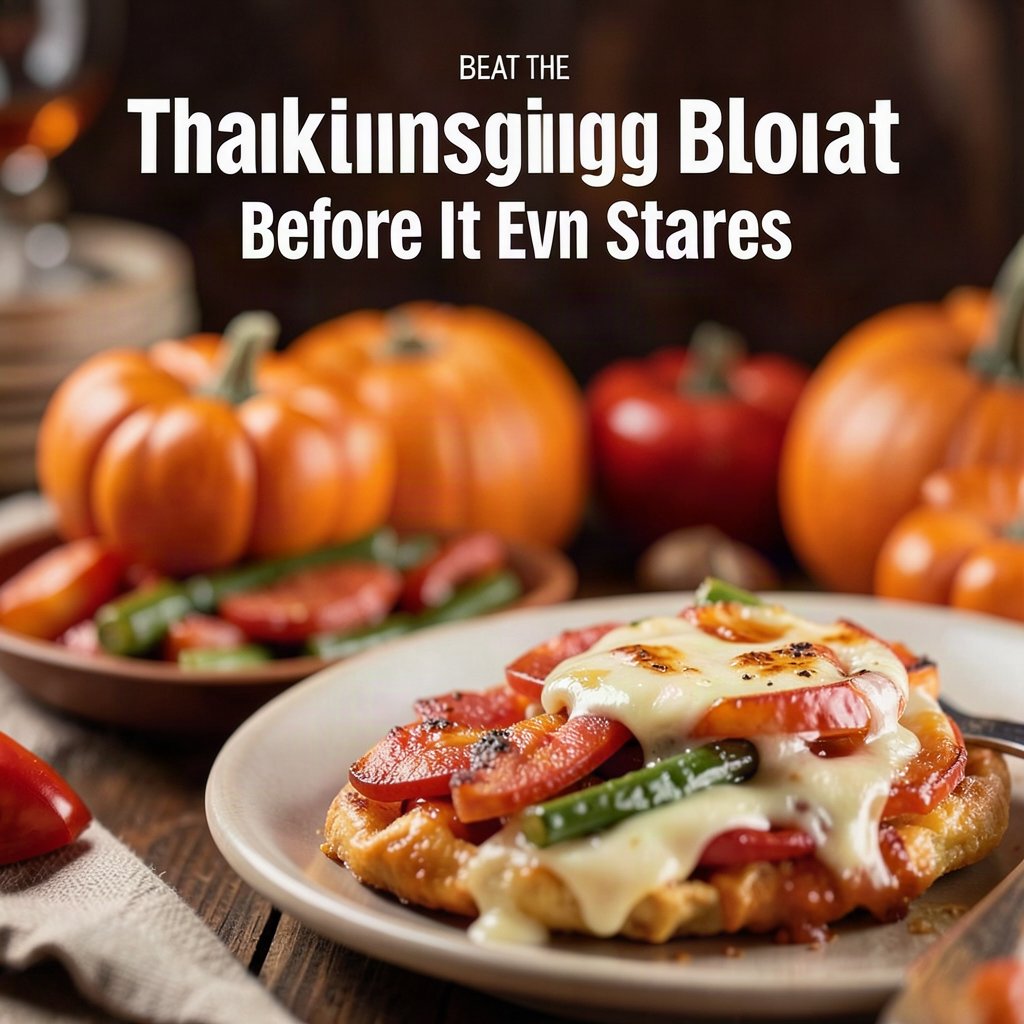
Thanksgiving is a season of gratitude, connection, and, let’s be honest, an incredible amount of food. For many, the holiday is synonymous with the uncomfortable sensation of the “food baby”—that tight, distended feeling in the abdomen that makes you want to reach for the elastic-waistband pants before the pumpkin pie even hits the table. While it is common to view bloating as an inevitable tax on a delicious meal, it doesn’t have to be your reality. Understanding the mechanics of digestion and implementing a proactive strategy can allow you to enjoy the holiday spread while feeling light, energized, and comfortable.
Beating the Thanksgiving bloat isn’t about restriction or missing out on your grandmother’s famous stuffing. Instead, it is about supporting your body’s natural digestive processes and making mindful choices that prevent the physiological triggers of gas and water retention. By focusing on preparation in the days leading up to the feast and utilizing specific techniques during and after the meal, you can navigate the holiday with ease. This guide provides a comprehensive, science-backed approach to digestive comfort during the most food-centric time of the year.
The Physiology of the Thanksgiving Bloat
To prevent bloating, we must first understand why it happens with such intensity on Thanksgiving. The phenomenon is usually a combination of two factors: gas production and water retention. When we consume a large volume of food, especially foods high in complex carbohydrates, sugars, and fibers that our bodies aren’t accustomed to in such quantities, the bacteria in our gut go to work. This fermentation process produces gases like hydrogen and methane, which can cause the intestines to expand.
Furthermore, Thanksgiving staples are notoriously high in sodium. From the brined turkey to the canned cream of mushroom soup in the green bean casserole, salt is everywhere. High sodium intake causes the body to hold onto excess water to maintain a proper fluid balance, leading to that puffy, swollen feeling. When you combine this with the “osmotic pull” of sugar—which also draws water into the gut—you have a recipe for significant abdominal pressure. Additionally, the sheer volume of a large meal physically distends the stomach, slowing down the rate at which the stomach empties into the small intestine, a process known as gastric emptying. Understanding that bloat is a physical response to specific triggers allows us to address those triggers directly.
Hydration as Your First Line of Defense
It may seem counterintuitive to drink more water when you feel like you’re already holding onto fluid, but hydration is the most effective way to flush out excess sodium. When the body is dehydrated, it enters a “survival mode” where it clings to every ounce of water it can find. By staying consistently hydrated in the 48 hours leading up to Thanksgiving, you signal to your kidneys that they can safely excrete excess salt and waste.
On the day of the feast, aim to drink at least 8 to 10 ounces of water every hour leading up to the meal. However, a key tip for digestive success is to limit your water intake during the actual meal. Drinking large amounts of liquid while eating can dilute the gastric juices (hydrochloric acid) and digestive enzymes necessary to break down protein and fats efficiently. Instead, sip small amounts of room-temperature water or warm lemon water. Avoid ice-cold beverages, as cold can constrict the blood vessels in the digestive tract and slow down the enzymatic reactions required for smooth digestion. Post-meal, a cup of warm herbal tea can help stimulate the movement of food through the digestive tract without causing the distension that a large glass of cold water might.
The Power of Probiotics and Digestive Enzymes
Your gut microbiome is the engine room of your digestion. If your gut flora is out of balance, you are much more likely to experience fermentation-related gas. In the week leading up to Thanksgiving, prioritize probiotic-rich foods such as unsweetened yogurt, kefir, sauerkraut, or kimchi. These foods introduce beneficial bacteria that help break down the complex starches found in potatoes and stuffing. If you don’t consume fermented foods regularly, a high-quality probiotic supplement can be a helpful addition to your routine during the holiday season.
In addition to probiotics, consider the role of digestive enzymes. As we age, or when we consume an unusually large meal, our natural production of enzymes like amylase (for carbs), protease (for protein), and lipase (for fats) may not keep pace with our intake. Taking a broad-spectrum digestive enzyme supplement about 15 minutes before your Thanksgiving meal can provide the extra support your body needs to dismantle food particles before they reach the lower intestine, where they would otherwise sit and ferment. Look for enzymes that include alpha-galactosidase, which is specifically effective at breaking down the complex sugars in beans and cruciferous vegetables like Brussels sprouts.
Smart Pre-Meal Habits: Don’t Save Your Calories
One of the biggest mistakes people make is “saving” their calories for the big meal by skipping breakfast and lunch. This strategy almost always backfires. When you arrive at the dinner table ravenous, your blood sugar is low, and your hunger hormones (like ghrelin) are peaking. This leads to rapid eating, which causes you to swallow excess air (aerophagia) and bypass the satiety signals that tell your brain you’re full. Furthermore, a massive influx of food into an empty, dormant digestive system causes a dramatic spike in insulin, which promotes fat storage and water retention.
Instead, treat Thanksgiving morning like any other day. Eat a high-protein, high-fiber breakfast—such as an omelet with spinach or Greek yogurt with berries. This stabilizes your blood sugar and keeps you level-headed when the appetizers appear. A light, protein-focused lunch or snack a few hours before the main event ensures that your metabolism is active and your digestive enzymes are primed. By the time the turkey is served, you’ll be able to make conscious choices based on what you actually want to eat, rather than being driven by primal hunger.
Mindful Eating During the Big Meal
The pace at which you eat is just as important as what you eat. Digestion begins in the mouth, not the stomach. Saliva contains the enzyme amylase, which starts breaking down carbohydrates the moment you chew. If you gulp down your food, you’re sending large, un-masticated chunks into your stomach, forcing it to work twice as hard. This prolonged digestion time is a primary cause of the “heavy” feeling and subsequent bloating.
Practice the “20-minute rule.” It takes approximately 20 minutes for the hormones released in your gut to reach your brain and signal satiety. Try to put your fork down between every few bites. Engage in conversation; Thanksgiving is a social event, after all. Focus on the textures and flavors of the food. By slowing down, you allow your body to keep up with the intake, and you’re far more likely to stop when you are comfortably full rather than painfully stuffed. Another helpful tip is to chew each bite 15 to 20 times. It sounds tedious, but it is one of the most effective ways to prevent gas and bloating from ever starting.
Strategic Plate Composition
You can eat almost everything on the table if you are strategic about the order and proportions. A common mistake is filling the plate with “beige” foods first—mashed potatoes, stuffing, and rolls. These are high-density carbohydrates that can lead to rapid fermentation. Instead, use the “half-plate rule.” Fill half of your plate with colorful, non-starchy vegetables like roasted carrots, green beans (ideally not smothered in heavy cream), or a crisp salad. These provide the fiber needed to keep things moving through your system.
Next, prioritize your protein. Turkey is an excellent source of lean protein that promotes satiety. Finally, add smaller portions of the “heavy hitters” like stuffing or mac and cheese. By eating your vegetables and protein first, you create a “fiber and protein buffer” in your stomach. This slows down the absorption of sugars and starches from the side dishes, preventing the massive insulin spike that contributes to holiday lethargy and bloating. If you’re sensitive to certain foods, such as dairy or gluten, try to identify the dishes that contain them and choose alternatives, or keep those portions very small to avoid an inflammatory response in the gut.
Alcohol and Carbonation: The Stealth Bloaters
What you drink can be just as bloating as what you eat. Carbonated beverages—including soda, sparkling water, and beer—introduce carbon dioxide gas directly into the digestive tract. This gas can become trapped in the stomach and intestines, leading to immediate distension. If you are already prone to bloating, it is best to stick to still water or flat mixers.
Alcohol itself is an inflammatory substance that can irritate the lining of the gastrointestinal tract. It also acts as a diuretic, which initially causes fluid loss but eventually leads to “rebound” water retention as the body tries to compensate for dehydration. Sweet wines, cider, and cocktails made with sugary mixers are particularly problematic because the combination of alcohol and high sugar can disrupt gut bacteria and cause rapid fermentation. If you choose to drink, opt for a glass of dry wine or a simple spirit with still water and a squeeze of lime. Aim for a one-to-one ratio: one glass of water for every alcoholic beverage consumed to mitigate the inflammatory effects.
Post-Meal Movement: The “Digestive Walk”
The temptation to curl up on the sofa for a nap after the meal is strong, especially with the legendary (though often overstated) effects of tryptophan in turkey. However, lying down immediately after a large meal is one of the worst things you can do for bloating. It slows down gastric motility and can lead to acid reflux as the stomach contents press against the lower esophageal sphincter.
Instead, initiate a family tradition of a post-meal walk. Even 15 to 20 minutes of gentle movement can work wonders. Walking stimulates peristalsis—the wave-like muscle contractions that move food through the digestive tract. It also helps the body manage blood sugar levels, reducing the amount of insulin the pancreas needs to secrete. Movement helps “vent” the digestive system, allowing gas to move through more naturally rather than becoming trapped and causing pain. If a walk isn’t possible, even standing up and clearing the table or doing some light stretching can help keep the digestive process active.
Natural Remedies for Immediate Relief
Sometimes, despite our best efforts, a little bloating still occurs. In these moments, nature provides several powerful remedies. Peppermint tea is a classic choice; the menthol in peppermint has an antispasmodic effect on the smooth muscles of the digestive tract, helping to dissipate gas. However, note that if you suffer from GERD or acid reflux, peppermint might relax the esophageal sphincter too much, so ginger tea might be a better alternative.
Ginger is a prokinetic, meaning it helps speed up the rate at which the stomach empties. It also reduces inflammation in the gut. Another traditional remedy is chewing on fennel seeds. Fennel contains compounds like anethole, which reduce inflammation and help relax the intestinal muscles. A small bowl of fennel seeds at the end of a meal is a common practice in many cultures for a reason. Finally, if you feel very full, try a gentle abdominal massage. Rubbing your stomach in a clockwise direction follows the path of the large intestine and can help physically move gas and waste along. These small interventions can bridge the gap between discomfort and relief, ensuring that the rest of your holiday evening is spent in comfort.
The Vagus Nerve and the Stress-Digestion Connection
While much focus is placed on what we put into our bodies, the state of our nervous system during the meal is a frequently overlooked factor in holiday bloating. The vagus nerve, the longest nerve of the autonomic nervous system, serves as the main component of the parasympathetic nervous system, often referred to as the “rest and digest” mode. When we are stressed—whether due to the pressure of hosting, navigating complex family dynamics, or simply the frantic pace of holiday preparation—our bodies enter a sympathetic “fight or flight” state. In this state, blood flow is diverted away from the digestive organs and toward the limbs, and the production of digestive secretions is significantly suppressed.
Eating a heavy meal while in a sympathetic state is a primary recipe for bloat. Without adequate blood flow and signaling from the vagus nerve, the stomach and intestines move sluggishly, leading to food sitting stagnant and fermenting. To combat this, implement a “pre-meal transition” to activate the vagus nerve. Five minutes before sitting down, practice box breathing: inhale for four seconds, hold for four, exhale for four, and hold for four. This simple rhythmic breathing signals to the brain that you are safe, allowing the body to prioritize digestion. Additionally, splashing cold water on your face or singing/humming—actions that physically stimulate the vagus nerve near the throat—can prime your system to handle the caloric load more effectively than if you rushed straight from the kitchen to the table.
Navigating High-FODMAP Holiday Staples
For individuals with sensitive digestive systems, the Thanksgiving bloat isn’t just about volume; it is about specific types of fermentable carbohydrates known as FODMAPs (Fermentable Oligosaccharides, Disaccharides, Monosaccharides, and Polyols). Many traditional holiday ingredients are exceptionally high in these compounds. Onions and garlic, the bedrock of stuffing and gravies, are rich in fructans, which are notoriously difficult for the small intestine to absorb. When these reach the large intestine, they are rapidly fermented by bacteria, producing significant gas and osmotic pressure.
To mitigate this without sacrificing flavor, consider subtle ingredient swaps. Use the green tops of spring onions or chives instead of bulb onions, or utilize garlic-infused oils, which provide the flavor of garlic without the problematic water-soluble fructans. Furthermore, be wary of the “hidden” FODMAPs in vegetable sides. While Brussels sprouts and cauliflower are holiday favorites, they are high in galacto-oligosaccharides and polyols. If you are prone to severe distension, opt for smaller portions of these and fill the gap with FODMAP-friendly alternatives like roasted carrots, parsnips, or sautéed spinach. Understanding these chemical triggers allows you to identify why a relatively small serving of stuffing might cause more distress than a large serving of turkey.
Dress for Digestive Success: The Impact of Physical Compression
The choice of holiday attire is more than a fashion statement; it has a direct physiological impact on how your gut processes food. Wearing restrictive clothing, such as high-waisted jeans, tight belts, or shapewear, increases intra-abdominal pressure. This external pressure compresses the stomach and intestines, physically impeding the natural wave-like muscle contractions (peristalsis) required to move food through the digestive tract. This compression can also force stomach acid upward into the esophagus, causing heartburn, and trap gas in the loops of the small intestine, leading to localized sharp pains.
To avoid this, choose clothing that allows for abdominal expansion. This doesn’t mean you must wear pajamas, but opting for fabrics with a high percentage of elastane or dresses that do not constrict the midsection can make a measurable difference in comfort. If you find yourself feeling bloated mid-meal, don’t hesitate to discreetly loosen a belt. Reducing external pressure allows the organs to shift and expand as needed to accommodate the meal, preventing the “bottleneck” effect that occurs when the digestive tract is squeezed from the outside. Think of your digestive system as a conveyor belt; any physical obstruction or constriction will inevitably cause a backup further up the line.
Travel-Induced Sluggishness and the “Vacation Constipation” Factor
Many Thanksgiving guests travel long distances to reach the dinner table, and the act of traveling itself is a major contributor to pre-feast bloating. Long periods of sitting in a car or on a plane lead to physical stagnation. The digestive system thrives on movement; when the body is sedentary, gut motility slows down. Furthermore, air travel involves changes in atmospheric pressure. As cabin pressure drops, the gases already present in your intestines expand, which can lead to significant discomfort before you even take your first bite of turkey.
To counter travel-induced bloat, prioritize “interstitial movement” during your journey. If driving, stop every two hours for a five-minute brisk walk. If flying, perform seated calf raises and twists to keep blood and lymph moving. Upon arrival, a dose of magnesium citrate or glycinate can help draw water into the colon, counteracting the dehydrating effects of recycled airplane air and helping to keep your bowels regular. Ensuring that you aren’t already “backed up” from travel when you sit down for the big meal is essential, as existing constipation will only exacerbate the gas produced by a large holiday spread.
Bitters and Acids: Priming the Digestive Pump
While the existing article mentions enzymes, another powerful way to support digestion is by stimulating your body’s own endogenous production of hydrochloric acid and bile. Digestive bitters—tinctures made from bitter herbs like gentian root, dandelion, or burdock—work by stimulating the bitter receptors on the tongue. This triggers a reflex that increases the secretion of saliva, gastric juices, and bile from the gallbladder. Bile is particularly crucial for breaking down the fats found in buttery mashed potatoes and dark turkey meat.
Taking a few drops of bitters in a small amount of water or directly on the tongue about 15 minutes before the meal acts as a “wake-up call” for the digestive organs. Alternatively, a tablespoon of raw, unfiltered apple cider vinegar (ACV) diluted in four ounces of water can help lower the pH of the stomach. Many people suffer from bloating not because they have too much stomach acid, but because they have too little to efficiently break down proteins. By acidifying the stomach environment just before the feast, you ensure that the pepsin (the enzyme that digests protein) is activated and ready to handle the turkey. This prevents undigested protein from reaching the lower gut where it can contribute to foul-smelling gas and inflammation.
The Circadian Rhythm of Digestion and Meal Timing
The timing of your Thanksgiving feast can be just as impactful as the menu. Our digestive systems follow a circadian rhythm, with digestive power peaking around midday when the sun is highest and waning as evening approaches. Many families eat their main meal in the late afternoon or early evening, which coincides with the natural slowing of the Migrating Motor Complex (MMC). The MMC is the “housekeeping” wave of the gut that clears out undigested food and bacteria between meals. If you graze all day and then eat a massive meal late at night, you effectively shut down this cleaning process.
If you have control over the schedule, aim for a “Thanksgiving Lunch” around 1:00 PM or 2:00 PM. This gives your body several hours of daylight and activity to process the food before the metabolism slows down for sleep. If a late meal is unavoidable, try to implement a “hard stop” on eating at least three hours before bed. Eating a heavy, high-fat meal right before lying down not only causes bloating but also disrupts sleep quality, as the body must divert energy to digestion rather than cellular repair. If you must eat late, keep the portion of fats (gravy, butter, skin) lower, as fats take the longest to exit the stomach and are most likely to cause overnight discomfort.
The 24-Hour Post-Feast Reset Protocol
How you handle the morning after Thanksgiving can determine whether the bloat lasts for a few hours or several days. The goal of the “day after” should be lymphatic drainage and the elimination of excess sodium. Start your morning with a large glass of warm water with lemon and a pinch of sea salt; while it sounds counterintuitive to add salt, high-quality sea salt contains minerals that help balance electrolytes and actually encourage the release of stored cellular water. Avoid the temptation to eat leftover pie for breakfast, as the hit of sugar will only further inflame a gut that is already working hard.
Engage in “rebounding” or gentle twisting yoga poses to stimulate the lymphatic system. The lymphatic system doesn’t have its own pump; it relies on muscle contraction to move fluid. A 10-minute session of gentle jumping or a series of supine spinal twists can help move the fluid that has pooled in your tissues due to high sodium intake. For your first meal the day after, focus on “bitter and watery” foods. A salad of arugula, cucumber, and celery with a light lemon vinaigrette provides the fiber and hydration needed to sweep the colon without adding more heavy fats or starches to the mix. This reset protocol helps shift your body from a state of storage and stagnation back into a state of flow and elimination.
Frequently Asked Questions
1. Why do I feel bloated even if I don’t eat that much on Thanksgiving?
Bloating isn’t always about the volume of food; it’s often about the ingredients. Thanksgiving dishes are frequently high in sodium, which causes water retention, and hidden sugars, which can cause gas. Additionally, if you are stressed or eating faster than usual because of the social environment, you may be swallowing more air. Even a moderate amount of “trigger” foods (like dairy, gluten, or certain cruciferous vegetables) can cause a reaction if your body isn’t used to them.
2. Is it okay to take an over-the-counter anti-gas medication?
Yes, over-the-counter medications containing simethicone can be very effective at breaking up gas bubbles in the digestive tract, making them easier to pass. These are generally considered safe for occasional use. However, they work best when taken at the first sign of discomfort. If you prefer a more natural approach, digestive enzymes or peppermint oil capsules can often provide similar relief by addressing the root cause of the gas production.
3. Should I avoid the turkey skin to prevent bloating?
While the skin is delicious, it is very high in fat. Fat slows down digestion significantly. While a little bit shouldn’t cause an issue for most people, if you are highly sensitive to bloating, focusing on the lean white meat and skipping the fatty skin and heavy gravy can help your stomach empty faster, reducing the duration of that “stuffed” feeling.
4. How long does “holiday bloat” typically last?
For most people, the acute bloating from a large meal will subside within 12 to 24 hours as the body processes the food and regulates its fluid levels. If the bloat is caused by high sodium, it might take 2 to 3 days of clean eating and high water intake for the puffiness to fully disappear. If you find yourself still feeling significantly bloated a week later, it may be worth looking into potential food sensitivities or your overall gut health.
5. Can I exercise the morning of Thanksgiving to prevent bloat?
Absolutely! A morning workout is a great way to prime your body. Exercise increases circulation and stimulates the digestive system. It also helps deplete glycogen stores in your muscles, which means your body will be more efficient at processing the carbohydrates you eat later in the day. Just be sure to stay hydrated throughout your workout, as starting the meal dehydrated will only increase the likelihood of water retention later.
Related posts:
 Is Kombucha Making Your IBS Worse?
 The Best Spices for Better Digestion and Gut Health
 PHA Bodyweight Workout: Efficient Fitness Anywhere, Anytime
 Foods That Help You Poop
 Turkey Day Slumber: Bedroom Inspiration for the Ultimate Food Coma
 Wellness Routine for Thanksgiving
 Why Your Bloating Might Have Nothing to Do with What You’re Eating
 High-Protein Foods That Pack a Serious Nutritional Punch