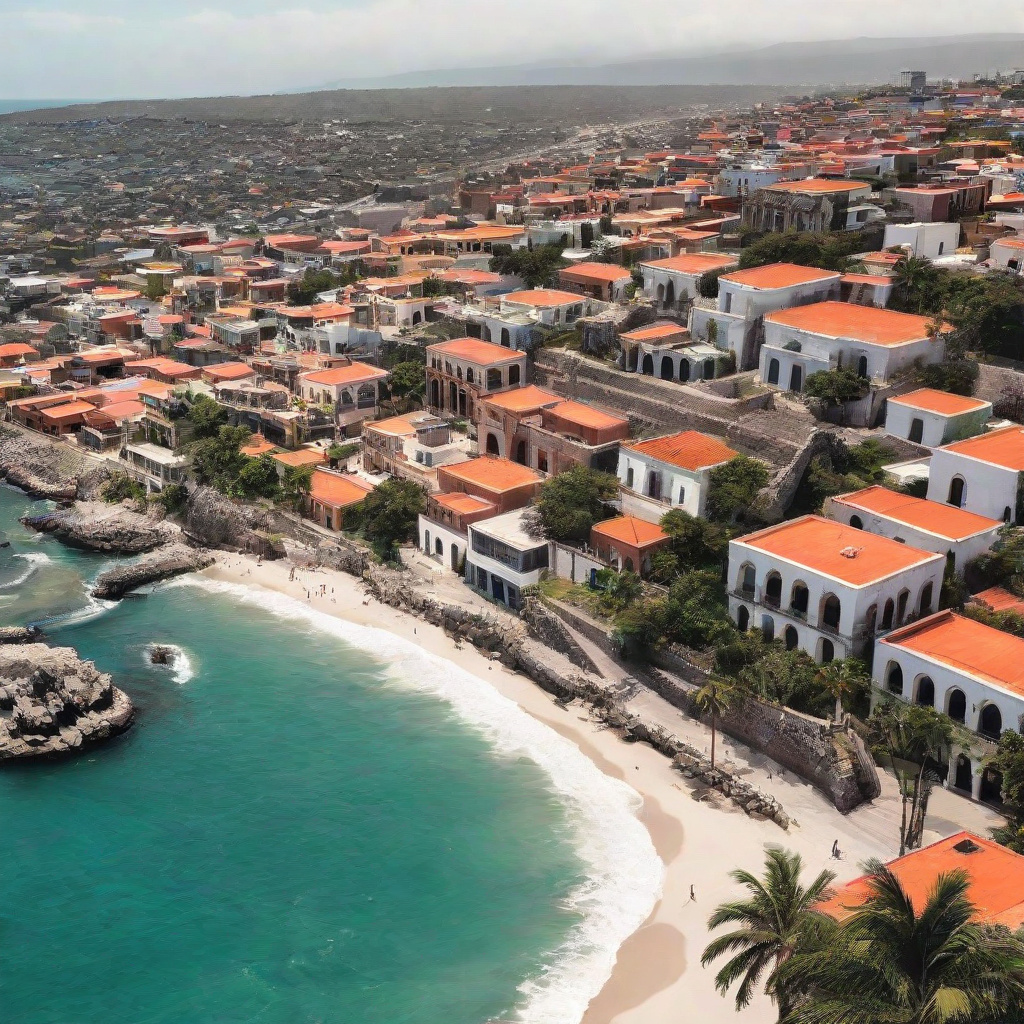
Mexico is a land of vibrant contrasts, where ancient history meets modern luxury and rugged mountains descend into turquoise waters. For those seeking the perfect blend of urban convenience and seaside serenity, the coastal cities of Mexico offer an unparalleled experience. From the Pacific Ocean’s dramatic cliffs to the soft white sands of the Caribbean Sea, each destination tells a unique story through its architecture, cuisine, and local traditions. Whether you are planning a romantic getaway, a family vacation, or a solo adventure, understanding the distinct character of these coastal hubs is essential for an enriching travel experience.
The beauty of Mexico’s coastline lies not just in its natural scenery, but in the soul of its people and the preservation of its heritage. In these cities, you can spend your morning exploring a 16th-century colonial plaza and your afternoon snorkeling in a protected marine park. This guide delves into the most beautiful coastal cities in Mexico, providing practical insights and actionable advice to help you navigate these stunning destinations with ease and respect for the local culture.
Puerto Vallarta: The Jewel of the Pacific Coast
Nestled between the emerald peaks of the Sierra Madre Mountains and the deep blue waters of Banderas Bay, Puerto Vallarta is perhaps Mexico’s most iconic coastal city. Unlike many purpose-built resort towns, Puerto Vallarta retains its authentic Mexican charm, particularly in the “Zona Romántica” (Romantic Zone). Here, cobblestone streets are lined with whitewashed buildings draped in vibrant bougainvillea, leading down to the famous Malecón.
The Malecón is a mile-long seaside boardwalk that serves as the city’s heartbeat. It is adorned with surrealist sculptures, local street performers, and an array of shops and restaurants. For a truly local experience, visit the Church of Our Lady of Guadalupe, whose ornate crown steeple dominates the skyline. If you are looking for adventure, Puerto Vallarta offers some of the best whale watching in the world between December and March, as humpback whales migrate to the bay to calve.
For a quieter escape, take a water taxi from Los Muertos Pier to the secluded beaches of Yelapa or Las Animas. These spots are inaccessible by car, offering a peaceful respite from the city’s bustle. When dining, don’t miss the chance to try “Pescado Embarazado” (fish on a stick), a local beachside delicacy. Puerto Vallarta is also a pioneer in LGBTQ+ travel, making it one of the most inclusive and welcoming coastal cities in the country.
Playa del Carmen: The Cosmopolitan Heart of the Riviera Maya
Once a sleepy fishing village, Playa del Carmen has transformed into a sophisticated, cosmopolitan city that serves as the gateway to the Riviera Maya. Its central feature is the Quinta Avenida (Fifth Avenue), a multi-mile pedestrian walkway bustling with high-end boutiques, artisanal craft markets, and international eateries. Despite its growth, “Playa,” as locals call it, maintains a laid-back, European-influenced vibe that sets it apart from the high-rise landscape of nearby Cancún.
Playa del Carmen is the perfect base for exploring the region’s natural wonders. Just a short drive away are the famous cenotes—natural limestone sinkholes filled with crystal-clear freshwater. Cenote Azul and Cenote Jardin del Eden are excellent choices for swimming and snorkeling. For those interested in marine life, the city is just a 45-minute ferry ride from Cozumel, home to some of the world’s most spectacular coral reefs.
Actionable Tip: To avoid the largest crowds and the midday heat, visit the beaches early in the morning. If you want a more authentic dining experience away from the tourist prices of Fifth Avenue, head several blocks inland to 30th Avenue, where you will find incredible taco stands and local “cocinas económicas” serving traditional Yucatecan dishes like Cochinita Pibil.
Mazatlán: The Pearl of the Pacific
Mazatlán offers a unique combination of a historic colonial city and a modern beach resort. Known as the “Pearl of the Pacific,” it boasts one of the longest boardwalks (malecones) in the world, stretching over 13 miles along the coast. The city is famous for its thriving shrimp industry, its historic theater, and its traditional open-air taxis known as “pulmonías.”
The Centro Histórico (Historic Center) is the soul of Mazatlán. Painstakingly restored, this area features neoclassical architecture, vibrant plazas like Plaza Machado, and the stunning Angela Peralta Theater. Spending an evening in Plaza Machado, surrounded by live music and outdoor cafes, is an essential Mazatlán experience. For a panoramic view of the city, hike up to El Faro, one of the highest natural lighthouses in the world, situated on Crestón Hill.
Mazatlán is also a cultural hub, hosting one of the oldest and largest Carnival celebrations in Mexico. If you visit during this time, expect a week of parades, fireworks, and non-stop music. For beach lovers, the “Zona Dorada” (Golden Zone) offers calm waters and golden sands, while Playa Brujas to the north is a favorite for surfers looking for consistent breaks.
La Paz: A Sanctuary of Biodiversity on the Sea of Cortez
While Cabo San Lucas captures the spotlight for its high-energy nightlife and dramatic rock formations, La Paz, the capital of Baja California Sur, offers a more contemplative and eco-centric coastal experience. Situated on the shores of the Sea of Cortez—famously dubbed the “Aquarium of the World” by Jacques Cousteau—La Paz is a city where the desert’s silence meets a marine world of staggering diversity. The city’s heartbeat is its five-kilometer-long Malecón, a scenic boardwalk punctuated by bronze sculptures that reflect the region’s maritime heritage, including depictions of giant pearls and breaching whales. Unlike the tourist-heavy corridors of the southern cape, La Paz feels like a genuine Mexican city, where families gather at sunset to eat ice cream and watch the sky turn shades of violet and gold.
The crown jewel of the La Paz coastline is undoubtedly Balandra Beach. Often cited as the most beautiful beach in Mexico, Balandra is a protected natural area characterized by shallow, crystalline turquoise waters that allow you to wade hundreds of yards into the bay. The iconic “Hongo de Balandra” (Balandra Mushroom), a wind-sculpted rock formation, stands as a sentinel over the cove. Due to its protected status, visitor numbers are strictly regulated through a two-shift entry system (morning and afternoon). To ensure entry, travelers should arrive at least an hour before the gates open, particularly during peak seasons or weekends. Inside, there are no vendors or restaurants, so packing water, snacks, and reef-safe sunscreen is essential for a comfortable day.
For those seeking wildlife encounters, the nearby Isla Espíritu Santo is a UNESCO World Heritage site and a must-visit destination. Dozens of tour operators depart from the La Paz marina for day trips to the island, where you can snorkel with a colony of wild California sea lions at Los Islotes. The pups are notoriously curious and often swim right up to snorkelers’ masks. Between October and April, the bay of La Paz also becomes a feeding ground for juvenile whale sharks. Swimming alongside these gentle giants is a highly regulated activity; only licensed boats are permitted in the whale shark zone, and tourists must follow strict proximity rules to protect the animals. This commitment to conservation is a hallmark of the La Paz experience, making it an ideal destination for the environmentally conscious traveler.
Zihuatanejo: The Authentic Spirit of the Costa Grande
Tucked into a protected, circular bay on the coast of Guerrero, Zihuatanejo—often simply called “Zihua”—retains the soul of a traditional fishing village despite its proximity to the modern resort complex of Ixtapa. While Ixtapa was a master-planned destination developed in the 1970s, Zihuatanejo grew organically around its harbor. The “Paseo del Pescador” (Fisherman’s Walk) is the city’s pedestrian artery, winding along the waterfront from the municipal pier to the edge of Playa La Madera. Early in the morning, the beach at the end of the pier transforms into a bustling market where local fishermen haul their pangas onto the sand to sell the night’s catch of red snapper, dorado, and sailfish directly to residents and restaurateurs.
The beaches of Zihuatanejo are distinct in character. Playa La Ropa, the most famous, is a long stretch of golden sand lined with palm trees and open-air palapa restaurants. Its gentle waves make it perfect for swimming and paddleboarding. For a more secluded experience, take a small water taxi from the municipal pier to Playa Las Gatas. Legend has it that a Tarascan king built a stone breakwater here to create a calm swimming area for his princesses; today, that reef provides excellent snorkeling opportunities in waist-deep water. Edge case tip: During the rainy season (June to September), the water visibility at Las Gatas can decrease due to runoff, but the lush, emerald-green hills surrounding the bay become a breathtaking backdrop that compensates for the less-than-perfect snorkeling.
Culinary traditions in Zihuatanejo are deeply rooted in the sea. A local specialty not to be missed is “Tiritas de Pescado,” which consists of thin strips of fresh sailfish or marlin marinated in lime juice with purple onions and habanero peppers. It is similar to ceviche but prepared with a quicker marination time to preserve the fish’s texture. For a deep dive into local culture, visit on a Thursday for “Jueves de Pozole.” This Guerrero tradition sees locals flocking to traditional eateries (pozolerías) to enjoy a bowl of green pozole, a rich corn-based soup served with an array of garnishes including pork cracklings, avocado, and toasted tortillas. It is more than a meal; it is a weekly social ritual that offers a glimpse into the communal warmth of Zihua’s residents.
Campeche City: The Walled Fortress of the Gulf
Located on the western edge of the Yucatán Peninsula, San Francisco de Campeche is a city that defies the typical Mexican beach town aesthetic. As a UNESCO World Heritage site, it is one of the few walled cities in North America, built in the 17th and 18th centuries to defend against pirate attacks. The historic center is a kaleidoscope of pastel-colored colonial buildings, with every street seemingly more photogenic than the last. The city’s fortifications, including the heavy stone walls (murallas) and several bastions (baluartes), have been meticulously preserved and now house museums dedicated to Mayan history and maritime lore.
A walk along the city’s Malecón at sunset is a quintessential Campechano experience. This seven-kilometer waterfront stretch is popular for cycling and jogging, and it offers a front-row seat to the sun dipping below the Gulf of Mexico. Unlike the Caribbean side of the peninsula, the waters here are shallow and calm, though the city itself lacks the expansive sandy beaches found in the Riviera Maya. For a beach day, locals head to Playa Bonita, a short drive south, which offers calm waters and basic facilities. However, the real draw of Campeche is the intersection of history and urban beauty. The Baluarte de San Carlos provides a panoramic view of the city’s grid-like layout, while the Fuerte de San Miguel, perched on a hill, houses an extraordinary collection of jade masks from the nearby Mayan ruins of Calakmul.
The gastronomy of Campeche is a unique fusion of Mayan, Spanish, and even pirate-influenced flavors. The “Pan de Cazon” is the city’s signature dish—a savory stack of tortillas layered with shredded dogfish (a type of small shark), black beans, and a rich tomato sauce flavored with epazote. For an authentic snack, look for “campechanas,” which are flaky, sweet pastries, or try the local shrimp, which are considered some of the best in the country. A practical tip for travelers: Campeche is significantly more humid than the Pacific coast. The best time to explore the historic center is in the early morning or late afternoon when the heat subsides and the “Calle 59″—the city’s main pedestrian thoroughfare—comes alive with outdoor tables and live music under the soft glow of colonial lanterns.
Ensenada: The Gastronomic Capital of the North
Located just 70 miles south of the U.S. border, Ensenada is a bustling port city that serves as the gateway to Mexico’s premier wine region, the Valle de Guadalupe. Often called the “Cinderella of the Pacific,” Ensenada combines the rugged beauty of the Baja coastline with a sophisticated culinary scene that has gained international acclaim. The city’s waterfront is dominated by the massive Mexican flag at the Ventana al Mar park and the Mercado Negro (Black Market), a vibrant fish market where the daily bounty of the Pacific is on full display. This is the birthplace of the Ensenada-style fish taco—battered, deep-fried white fish topped with cabbage, cream sauce, and salsa—a dish that has become a global favorite.
Beyond its culinary prowess, Ensenada offers dramatic natural wonders. To the south of the city lies La Bufadora, one of the world’s largest marine geysers. As waves are forced into a partially submerged sea cave, air and water pressure build until a massive plume of spray is ejected up to 100 feet into the air. The drive to La Bufadora along the Punta Banda peninsula provides stunning views of the bay. For those interested in maritime history, the Riviera del Pacifico Cultural Center is a must-visit. Originally a glamorous casino and hotel in the 1930s, it is rumored to be the place where the Margarita was invented; today, its elegant ballrooms and tiled courtyards serve as a testament to the city’s golden age.
Cabo San Lucas: Where the Desert Meets the Sea
Located at the southern tip of the Baja California Peninsula, Cabo San Lucas is a place of dramatic natural beauty. Here, the arid desert landscape crashes
Related posts:
 Vancouver Health Travel Guide
 Florida’s Top-Rated Beaches According to Millions of Travelers
 Playa’s Salt Scrub: Exfoliate and Revitalize Your Skin
 Assault Is a Crime in New Mexico
 Sea Fennel: The Superfood You Need to Know About
 How to Avoid Painful Sea Lice Rash on Your Beach Vacation
 Playa’s Supernatural Conditioner: A Miracle for Dry, Damaged Hair
 Wellness Guide to Cancun and Playa del Carmen