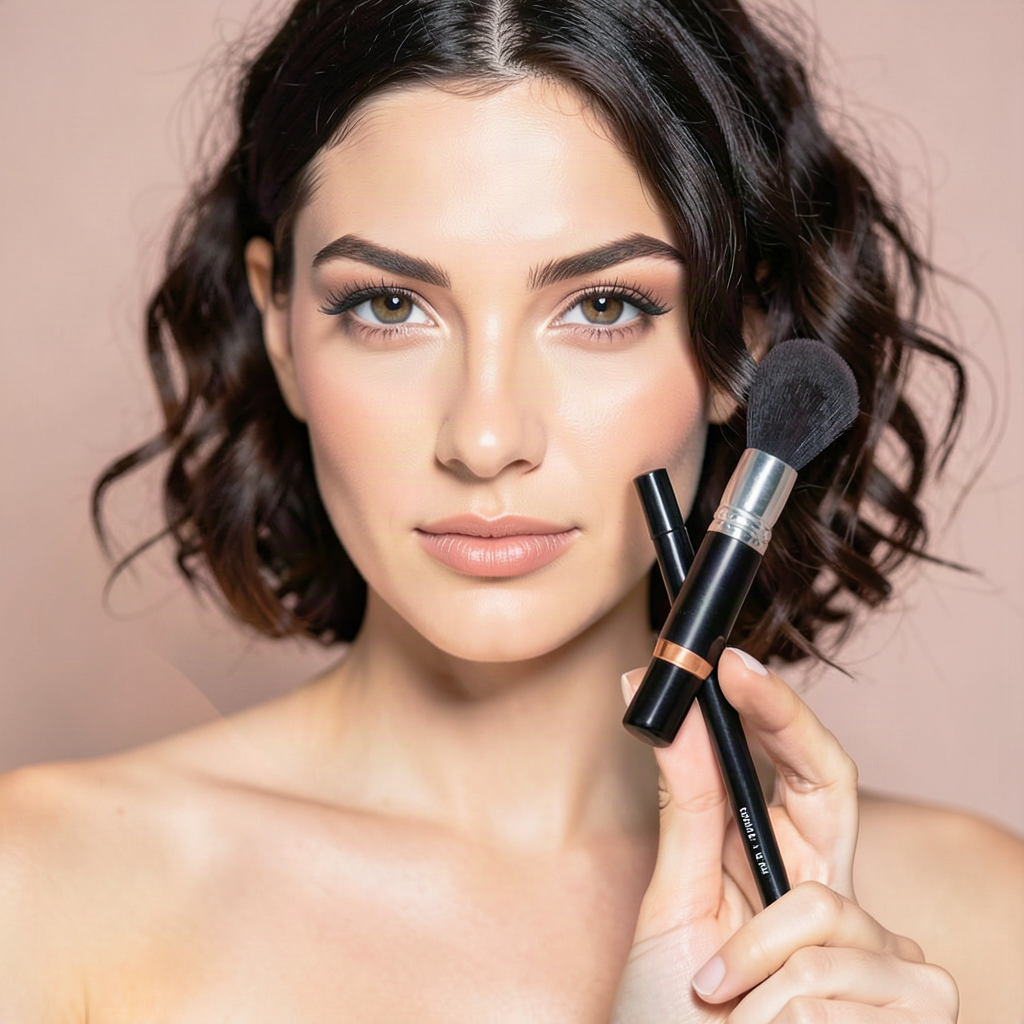
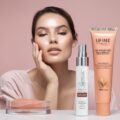
The beauty industry has long operated on the binary of cosmetics versus skincare. Historically, makeup was designed to conceal, color, or contour, while skincare was formulated to treat, hydrate, and protect. However, a new wave of hybrid products is blurring these lines, offering a “beauty multitasker” approach that prioritizes skin health without sacrificing aesthetic results. By integrating potent active ingredients into foundations, concealers, and tints, modern beauty products now work to improve your complexion even while you are wearing them.
The Science Behind Hybrid Beauty Formulations
The innovation behind makeup that doubles as skincare lies in the stabilization of active ingredients within color cosmetics. Historically, pigments could interfere with the efficacy of ingredients like Vitamin C or retinol. Modern chemists have developed advanced encapsulation technologies that allow these actives to remain potent while suspended in a formula designed for coverage. When you apply a serum-foundation, for instance, you are not just layering a pigment over your skin; you are creating a breathable barrier that delivers a steady dose of moisture or antioxidants throughout the day.
Hyaluronic Acid: The Hydration Powerhouse in Foundations
Hyaluronic acid has become a staple in modern complexion products. Because it can hold up to 1,000 times its weight in water, it acts as a humectant that draws moisture into the skin. When infused into a foundation, it prevents the “caking” effect often associated with long-wear makeup. For those with dry or mature skin, a foundation enriched with hyaluronic acid offers a dual benefit: it provides immediate smoothing of fine lines through hydration and prevents the skin from losing moisture during the day. Look for formulas that layer well over your morning moisturizer to lock in hydration for a dewy finish.
Niacinamide: Balancing Oil and Improving Texture
Niacinamide, or Vitamin B3, is a versatile powerhouse known for its ability to regulate sebum production, minimize the appearance of pores, and strengthen the skin barrier. When included in primers and tinted moisturizers, niacinamide works to keep your complexion balanced throughout the day. If you struggle with excess oil or uneven texture, choosing a makeup product with this ingredient can prevent the “breakdown” of makeup that often occurs by mid-afternoon. It essentially treats the root cause of oily shine while providing the cosmetic coverage you desire.
Antioxidants and Environmental Protection
The modern urban environment exposes our skin to pollution, blue light, and UV radiation, all of which contribute to premature aging. Makeup products infused with Vitamin C, Vitamin E, or green tea extract provide an extra layer of defense. While these should never replace a dedicated SPF, they act as a secondary shield, neutralizing free radicals that may penetrate through your sunscreen. Incorporating a foundation with antioxidants is an excellent way to boost your daily preventative skincare regimen without adding extra steps to your routine.
The Rise of Mineral Makeup and Skin Sensitivity
Mineral makeup has evolved significantly from its early, powdery iterations. Today’s liquid mineral formulas utilize zinc oxide and titanium dioxide, which offer physical protection against UV rays while being incredibly gentle on sensitive skin. Unlike synthetic fragrances and preservatives, which can cause irritation or breakouts, high-quality mineral hybrids often contain fewer ingredients, making them ideal for those with rosacea or acne-prone skin. These products offer a soothing effect, reducing redness upon application and preventing further inflammation throughout the day.
Ceramides: Restoring the Skin Barrier
For individuals with compromised skin barriers or those who use heavy-duty actives like prescription retinoids, ceramides are essential. Ceramides are lipids that hold skin cells together, forming a protective layer that keeps moisture in and irritants out. Integrating ceramides into your concealer or skin tint ensures that your makeup doesn’t strip your skin of its natural oils. By wearing a ceramide-rich product, you are essentially providing a “bandage” for your skin that heals and protects while covering blemishes or dark circles.
Choosing the Right Hybrid for Your Skin Type
Not every multitasker is right for every skin type. To maximize the benefits, identify your primary concern. If you have dry skin, prioritize products containing squalane or hyaluronic acid. If you deal with acne, look for non-comedogenic formulas featuring salicylic acid or tea tree oil. For those concerned with signs of aging, seek out peptides and antioxidants. The goal is to choose a product that addresses your specific skin needs, effectively turning your makeup bag into a secondary skincare cabinet.
How to Effectively Integrate Hybrid Makeup into Your Routine
To get the most out of these products, application technique matters. Because these formulas often contain high concentrations of skincare actives, they work best when applied to clean, prepped skin. Start with a gentle cleanser and your standard moisturizer or serum. Allow your skincare to fully absorb for at least 60 seconds before applying your hybrid makeup. Use a damp beauty sponge or clean fingers to press the product into the skin rather than rubbing it, which helps the active ingredients penetrate more effectively and ensures a seamless, natural finish.
Peptides: The Structural Support for Elasticity
As we age, the structural integrity of the skin begins to wane, primarily due to the natural degradation of collagen and elastin fibers. Peptides, which are short chains of amino acids, act as building blocks for these essential proteins. When integrated into foundations and concealers, peptides perform a dual role: they provide an immediate optical blurring effect while signaling the skin to repair itself. Unlike heavy anti-aging creams that can feel greasy under makeup, peptide-infused bases offer a lightweight, firming sensation. For those noticing a loss of bounce or fine lines around the nasolabial folds, a peptide-rich base acts as a long-term investment. Over time, consistent use of these formulas can improve the skin’s overall firmness, making them a superior choice for mature skin types that require both coverage and structural support throughout the day.
Squalane: The Non-Comedogenic Barrier Booster
Squalane has revolutionized the way we approach moisturizing makeup, especially for those who find traditional oils too heavy. Derived from olives or sugarcane, plant-derived squalane mimics the skin’s natural sebum, ensuring that it is absorbed rapidly without clogging pores. In hybrid foundations, squalane serves as a carrier agent that helps other pigments and actives penetrate the skin’s surface more effectively. This makes it an ideal ingredient for “breathable” makeup, as it prevents the formula from sitting in fine lines or creating a mask-like texture. Because it is inherently soothing, it is particularly beneficial for those with reactive skin or individuals currently undergoing acne treatments that may cause dryness and peeling. By using a squalane-based foundation, you eliminate the need for an additional heavy face oil, streamlining your morning routine while maintaining a supple, hydrated complexion that lasts until sunset.
Salicylic Acid: Managing Breakouts Under Coverage
Managing acne often feels like a trade-off: you want to cover the inflammation, but you fear that layering product will only exacerbate the issue. This is where makeup infused with salicylic acid shines. As a beta-hydroxy acid (BHA), salicylic acid works by exfoliating the interior of the pore, dissolving the “glue” that holds dead skin cells and excess oil together. In a concealer or foundation, it provides a localized treatment that works continuously against active blemishes. Unlike harsh spot treatments that can cause dry, flaking patches, these hybrid products are formulated to be hydrating enough to prevent the skin from overcompensating with more oil. When applying, use a clean synthetic brush to stipple the product directly onto the blemish; this technique ensures the active ingredient is concentrated on the affected area, providing both the camouflage needed for confidence and the treatment needed for healing.
The Role of Probiotics in Microbiome-Friendly Makeup
The skin microbiome—the ecosystem of bacteria that lives on your face—is essential for maintaining a healthy barrier and preventing inflammation. Modern beauty brands are now incorporating prebiotics and probiotics into foundations and primers to support this delicate balance. These ingredients nourish the good bacteria on your skin, which in turn helps to defend against pathogens that cause redness, irritation, and breakouts. For those living in high-stress environments or dealing with chronic skin sensitivity, a microbiome-friendly hybrid can act as a calming agent. By maintaining the health of your skin’s flora, these products prevent the dullness and sensitivity often associated with “stressed” skin. Look for labels that mention fermented ingredients or lysate, as these are strong indicators that the product is designed to support, rather than disrupt, your skin’s natural defenses.
Color-Correcting Hybrids: Neutralizing Redness and Sallow Tones
Beyond basic coverage, hybrid products can now address skin tone irregularities through color theory while simultaneously improving the skin. Green-tinted primers or lavender-infused illuminators are no longer just cosmetic; they are often packed with soothing botanicals like centella asiatica (cica) or chamomile. Cica is renowned for its anti-inflammatory properties, making it a perfect partner for green-tinted products intended to mask rosacea or post-acne marks. When you apply these hybrids, you are not just hiding the redness; you are actively calming the underlying inflammation. Similarly, illuminating hybrids that use light-reflecting minerals to correct sallow or yellow tones often contain brightening agents like licorice root extract. This botanical ingredient inhibits melanin production, which can help fade dark spots and hyperpigmentation over time, effectively turning your corrective makeup into a long-term brightening treatment.
The Importance of Non-Comedogenic Testing in Hybrid Formulas
One of the most critical factors when selecting a skincare-makeup hybrid is ensuring the formula is non-comedogenic. Because these products are designed to stay on the skin for 8 to 12 hours, the risk of pore blockage is higher than with a product that is immediately washed off. Consumers should look for “non-comedogenic” or “non-acnegenic” certifications, which indicate that the product has been tested to ensure it does not cause comedones (clogged pores). This is especially vital for hybrid products that contain oils or emollients. An edge case to consider is the “wear-test” period; if you are prone to congestion, try wearing a new hybrid foundation for only 4 hours during the first few days of use. This allows you to monitor for any “closed comedones” or small bumps before committing to a full-day application. By vetting the base ingredients for pore-clogging potential, you ensure that the skincare benefits of the product are not negated by the cosmetic side effects.
Peptides: The Structural Support for Elasticity
As we age, the structural integrity of the skin begins to wane, primarily due to the natural degradation of collagen and elastin fibers. Peptides, which are short chains of amino acids, act as building blocks for these essential proteins. When integrated into foundations and concealers, peptides perform a dual role: they provide an immediate optical blurring effect while signaling the skin to repair itself. Unlike heavy anti-aging creams that can feel greasy under makeup, peptide-infused bases offer a lightweight, firming sensation. For those noticing a loss of bounce or fine lines around the nasolabial folds, a peptide-rich base acts as a long-term investment. Over time, consistent use of these formulas can improve the skin’s overall firmness, making them a superior choice for mature skin types that require both coverage and structural support throughout the day.
Squalane: The Non-Comedogenic Barrier Booster
Squalane has revolutionized the way we approach moisturizing makeup, especially for those who find traditional oils too heavy. Derived from olives or sugarcane, plant-derived squalane mimics the skin’s natural sebum, ensuring that it is absorbed rapidly without clogging pores. In hybrid foundations, squalane serves as a carrier agent that helps other pigments and actives penetrate the skin’s surface more effectively. This makes it an ideal ingredient for “breathable” makeup, as it prevents the formula from sitting in fine lines or creating a mask-like texture. Because it is inherently soothing, it is particularly beneficial for those with reactive skin or individuals currently undergoing acne treatments that may cause dryness and peeling. By using a squalane-based foundation, you eliminate the need for an additional heavy face oil, streamlining your morning routine while maintaining a supple, hydrated complexion that lasts until sunset.
Salicylic Acid: Managing Breakouts Under Coverage
Managing acne often feels like a trade-off: you want to cover the inflammation, but you fear that layering product will only exacerbate the issue. This is where makeup infused with salicylic acid shines. As a beta-hydroxy acid (BHA), salicylic acid works by exfoliating the interior of the pore, dissolving the “glue” that holds dead skin cells and excess oil together. In a concealer or foundation, it provides a localized treatment that works continuously against active blemishes. Unlike harsh spot treatments that can cause dry, flaking patches, these hybrid products are formulated to be hydrating enough to prevent the skin from overcompensating with more oil. When applying, use a clean synthetic brush to stipple the product directly onto the blemish; this technique ensures the active ingredient is concentrated on the affected area, providing both the camouflage needed for confidence and the treatment needed for healing.
The Role of Probiotics in Microbiome-Friendly Makeup
The skin microbiome—the ecosystem of bacteria that lives on your face—is essential for maintaining a healthy barrier and preventing inflammation. Modern beauty brands are now incorporating prebiotics and probiotics into foundations and primers to support this delicate balance. These ingredients nourish the good bacteria on your skin, which in turn helps to defend against pathogens that cause redness, irritation, and breakouts. For those living in high-stress environments or dealing with chronic skin sensitivity, a microbiome-friendly hybrid can act as a calming agent. By maintaining the health of your skin’s flora, these products prevent the dullness and sensitivity often associated with “stressed” skin. Look for labels that mention fermented ingredients or lysate, as these are strong indicators that the product is designed to support, rather than disrupt, your skin’s natural defenses.
Color-Correcting Hybrids: Neutralizing Redness and Sallow Tones
Beyond basic coverage, hybrid products can now address skin tone irregularities through color theory while simultaneously improving the skin. Green-tinted primers or lavender-infused illuminators are no longer just cosmetic; they are often packed with soothing botanicals like centella asiatica (cica) or chamomile. Cica is renowned for its anti-inflammatory properties, making it a perfect partner for green-tinted products intended to mask rosacea or post-acne marks. When you apply these hybrids, you are not just hiding the redness; you are actively calming the underlying inflammation. Similarly, illuminating hybrids that use light-reflecting minerals to correct sallow or yellow tones often contain brightening agents like licorice root extract. This botanical ingredient inhibits melanin production, which can help fade dark spots and hyperpigmentation over time, effectively turning your corrective makeup into a long-term brightening treatment.
The Importance of Non-Comedogenic Testing in Hybrid Formulas
One of the most critical factors when selecting a skincare-makeup hybrid is ensuring the formula is non-comedogenic. Because these products are designed to stay on the skin for 8 to 12 hours, the risk of pore blockage is higher than with a product that is immediately washed off. Consumers should look for “non-comedogenic” or “non-acnegenic” certifications, which indicate that the product has been tested to ensure it does not cause comedones (clogged pores). This is especially vital for hybrid products that contain oils or emollients. An edge case to consider is the “wear-test” period; if you are prone to congestion, try wearing a new hybrid foundation for only 4 hours during the first few days of use. This allows you to monitor for any “closed comedones” or small bumps before committing to a full-day application. By vetting the base ingredients for pore-clogging potential, you ensure that the skincare benefits of the product are not negated by the cosmetic side effects.
Frequently Asked Questions
1. Can I replace my dedicated skincare routine with hybrid makeup? No. While these products provide beneficial ingredients, they are not a substitute for a comprehensive skincare regimen. Cleansing, moisturizing, and SPF application should remain your foundation; hybrid makeup serves as an excellent “booster” or maintenance step throughout the day.
2. Does makeup with skincare ingredients expire faster? Yes, potentially. Products containing active ingredients like Vitamin C or botanical extracts may have a shorter shelf life than traditional, inert makeup. Always check the PAO (Period After Opening) symbol on the packaging and discard if the color, texture, or scent changes significantly.
3. Are hybrid makeup products safe for sensitive skin? Generally, yes, but always check the ingredient list for potential allergens. Mineral-based hybrids are often the safest choice for reactive skin, but if you have specific allergies, patch test the product on your inner forearm before applying it to your face.
4. How much “skincare” is actually in these makeup products? The concentration varies by brand. Some products are essentially serums with pigment, while others contain only trace amounts of active ingredients. Look for brands that are transparent about their ingredient percentages or that prioritize skincare-first formulations.
5. Can I wear hybrid makeup to bed? It is highly recommended to remove all makeup, even those labeled as “skincare-infused,” before sleeping. Makeup pigments can clog pores if left on overnight, and your skin needs to breathe and undergo its natural repair cycle without the presence of cosmetic residue.
Related posts:
 Foundation’s Impact on Skin
 Proper Order of Skincare Application
 Why SCOBY Might Be the Secret Ingredient Your Skincare Routine Needs
 Top Beauty Brands of 2019
 Makeup with Antioxidants: Beauty That Actually Benefits Your Skin
 Spring Awakening: The Hydrating Serums Your Winter Skin Is Craving
 TooD Beauty’s Nonbinary Approach
 Skincare-Infused Makeup Products