Beauty Tribe: How Women Are Building Community Around Clean Cosmetics
Introduction
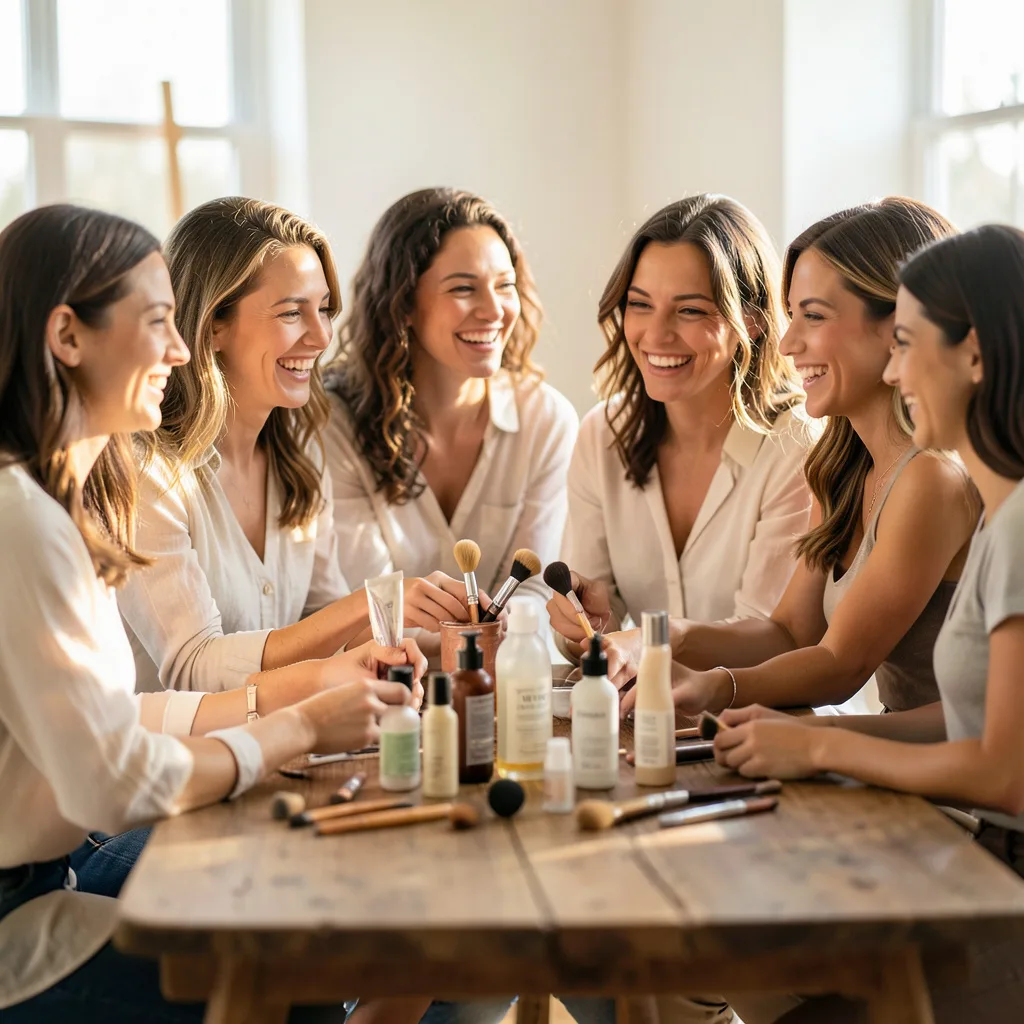
The beauty industry has undergone a profound transformation in recent years, shifting from a focus on performance and branding to a deeper commitment to health, ethics, and sustainability. At the heart of this movement stands a growing community of women who are building connections around clean cosmetics. This “Beauty Tribe” is more than just a trend—it is a movement rooted in shared values, collective advocacy, and mutual support. As consumers become more informed about ingredients, packaging, and corporate practices, they are turning to brands that align with their personal and environmental priorities. This article explores how women are coming together to create communities that celebrate clean beauty, fostering trust, education, and collective action. From online forums and local workshops to social media hashtags and in-person meetups, these communities are redefining what it means to care for oneself and the planet through the lens of beauty.
The Rise of Clean Beauty Movement
The clean beauty movement emerged as a response to increasing concerns about synthetic chemicals, microplastics, and unethical manufacturing practices. Consumers, particularly women, began demanding transparency about what goes into their products. This demand catalyzed a shift toward brands that prioritize natural ingredients, cruelty-free testing, and sustainable packaging. Clean beauty is not merely about avoiding harmful substances—it is a holistic approach that considers the full lifecycle of a product, from sourcing to disposal. As awareness grows, the market has expanded significantly, with clean beauty products now occupying a prominent position in retail shelves worldwide.
What Makes a Clean Beauty Community
A clean beauty community is built on shared principles that extend beyond the product itself. These communities emphasize transparency, education, and mutual support among members. Whether through online groups or local gatherings, participants come together to discuss ingredient lists, share personal experiences, and hold brands accountable. The sense of belonging that emerges from these interactions creates a powerful force for positive change. Members feel empowered to make informed choices and to advocate for better practices within the industry. This collective energy not only strengthens individual confidence but also amplifies the impact of the movement.
How Social Media Fuels Clean Beauty Communities
Social media platforms have become central to the growth of clean beauty communities. Hashtags like #CleanBeauty, #CleanLiving, and #SustainableCosmetics connect millions of women worldwide, creating a digital space for sharing tips, tutorials, and product reviews. Influencers who champion clean beauty bring visibility to smaller brands and educate their followers about ingredient safety. Online communities also serve as support networks where individuals can ask questions, find recommendations, and celebrate milestones. The viral nature of these conversations amplifies the movement, turning personal choices into collective advocacy.
Building Trust Through Transparency and Education
Trust is the cornerstone of any community, and in clean beauty, it is built on transparency and education. Brands that open their supply chains, publish ingredient lists, and disclose third-party certifications earn the trust of their audience. Similarly, community members share their own learning journeys, from trying a new product to discovering a brand’s ethical practices. Workshops and webinars on ingredient knowledge empower participants to make confident decisions. This educational aspect transforms consumers from passive buyers into informed advocates, strengthening the entire community.
Shared Values—Ethics, Sustainability, and Inclusivity
Clean beauty communities thrive on shared values that go beyond aesthetics. Sustainability encompasses eco-friendly packaging, use of biodegradable ingredients, and carbon-neutral shipping. Ethics involve cruelty-free testing, fair labor practices, and support for marginalized communities. Inclusivity ensures that beauty products cater to diverse skin types, genders, and cultural backgrounds. These values create a cohesive identity for the community and attract like-minded individuals who want to make a positive impact. When members align around these principles, the community becomes a force for good.
From Individual Choice to Collective Movement
While individual choices matter, the beauty tribe movement has evolved into a collective force. Community events, such as clean beauty markets and sustainability fairs, bring people together to celebrate shared values in person. Advocacy campaigns organized by the community pressure brands to adopt cleaner practices and more sustainable operations. This shift from personal consumption to collective action demonstrates how beauty communities can influence industry standards. The ripple effect extends to policy discussions, with many community members participating in environmental and health advocacy.
Practical Ways to Join and Grow Clean Beauty Communities
Joining a clean beauty community is easier than ever. Start by following reputable influencers and joining relevant online groups on Facebook, Instagram, or Reddit. Attend local clean beauty events or workshops to meet like-minded individuals. Consider starting your own community by organizing a monthly meetup or creating a private group. Engaging with brands through reviews and feedback also strengthens connections. The key is to be consistent, share your journey, and encourage others to do the same. Over time, these small actions build a vibrant, supportive network.
FAQ
Q1: What makes a product truly “clean”? A truly clean beauty product avoids harsh chemicals like parabens, sulfates, and synthetic fragrances. It prioritizes natural, plant-based, or minimally processed ingredients and uses sustainable packaging. Labels such as Leaping Bunny (cruelty-free) or Ecocert can indicate higher standards.
Key takeaways
- Prioritize transparency by researching third-party certifications like Leaping Bunny or USDA Organic before purchasing products.
- Engage with clean beauty communities on social media to share product reviews, educational tips, and ingredient safety knowledge.
- Support brands that demonstrate commitment to the full product lifecycle, including sustainable packaging and fair labor practices.
- Foster local connections by hosting meetups or attending workshops to discuss clean beauty values and collective advocacy.
Q2: How can I verify if a brand is genuinely committed to clean beauty? Look for third-party certifications (e.g., Cruelty Free International, USDA Organic, Leaping Bunny). Research company transparency reports, check ingredient lists, and read independent reviews. Be wary of brands that make vague claims without evidence.
Q3: What are some practical steps to start building a local clean beauty community? Organize a monthly meetup at a café or community center, create a Facebook group for the area, partner with local clean beauty brands for pop-up events, and collaborate with influencers who share your values.
Q4: How does social media impact clean beauty advocacy? Platforms like Instagram and TikTok enable rapid sharing of product reviews, ingredient breakdowns, and educational content. Hashtag campaigns can reach millions, while direct messages allow one-on-one support and connection building.
Q5: What challenges do clean beauty communities face? Challenges include greenwashing by brands, supply chain complexities, and the need to keep members informed of evolving standards. Building trust requires consistent education and transparency from both brands and community leaders.
Related posts:
 Garnier’s Clean Beauty Line
 Top Beauty Brands of 2019
 TooD Beauty’s Nonbinary Approach
 Self-Advocacy Guide
 How Social Community Participation Affects Your Financial Health
 Brandless Clean Beauty Products Guide
 Clean Beauty Brands’ Transparency Movement
 The States Where Women Truly Thrive: 2018 Rankings Revealed