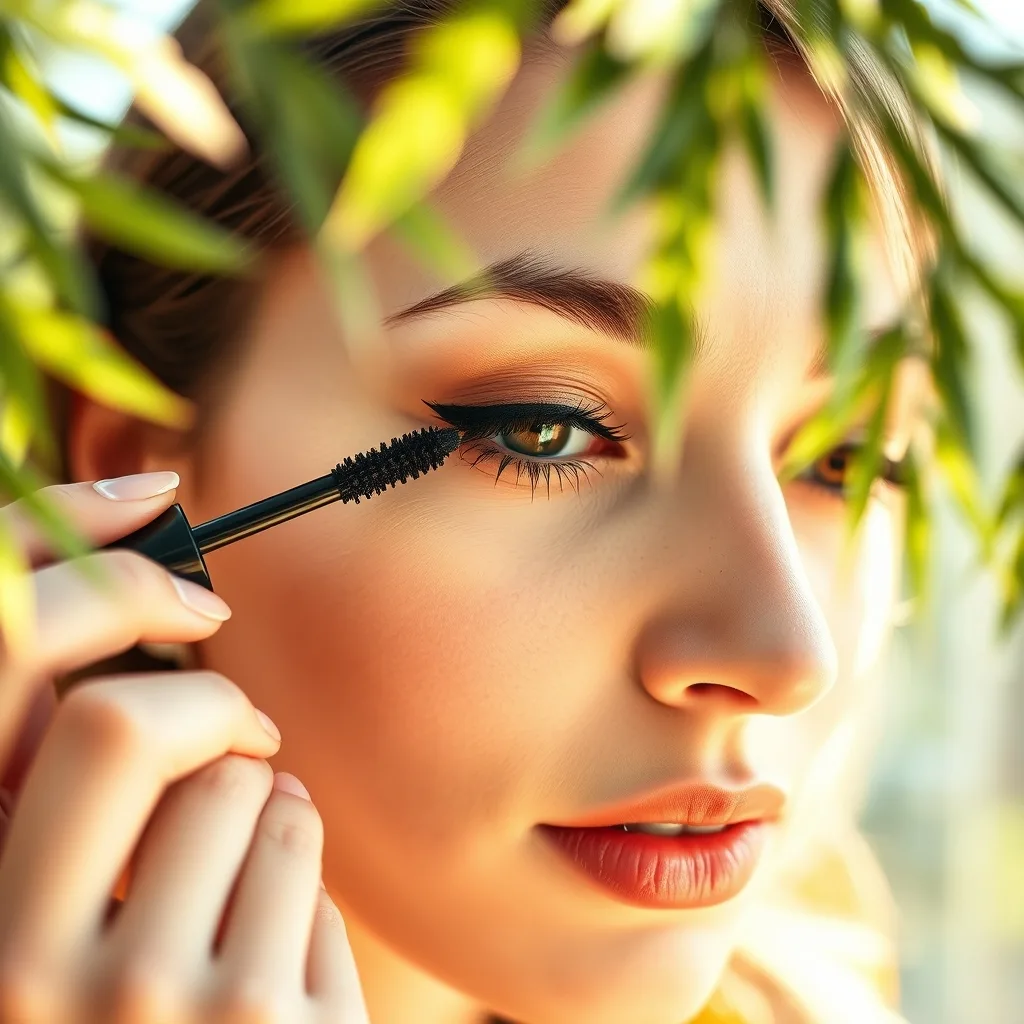
In the ever-evolving landscape of beauty and wellness, a fascinating convergence is taking place. We’re no longer content with products that simply make us look good; we crave formulations that make us feel good, too. This shift towards holistic, mindful beauty has paved the way for innovative ingredients to cross over from the wellness aisle to the vanity table. At the forefront of this movement is a product that’s genuinely rewriting the rulebook: CBD oil mascara.
Key takeaways
- CBD oil in mascara provides anti-inflammatory and antioxidant benefits to the sensitive skin around the eyes.
- Look for broad or full-spectrum CBD and check the ingredient list to ensure meaningful concentration levels.
- Prioritize clean formulas that include additional conditioners like panthenol, biotin, or hyaluronic acid for lash health.
- Use gentle, oil-based removers to prevent lash breakage and ensure the product does not irritate the eye area.
Forget everything you thought you knew about mascara. This isn’t just about length, volume, or a perfect curl. It’s about a lash treatment that wears like a cosmetic. The premise is both simple and revolutionary: what if your daily beauty ritual could also nurture the delicate skin of your eyelids and the health of your lash follicles? By infusing the conditioning power of CBD oil with high-performance mascara technology, brands are creating a hybrid product that delivers stunning aesthetics alongside tangible wellness benefits. Let’s dive into why this fusion is more than a passing trend and how to integrate it into your routine intelligently.
Understanding CBD: From Wellness Staple to Beauty Innovator
Cannabidiol, or CBD, is a naturally occurring compound found in hemp plants. Unlike its cousin THC, CBD is non-psychoactive, meaning it won’t get you “high.” Its rise to fame in the wellness world is backed by its interaction with the body’s endocannabinoid system (ECS), a complex network that helps regulate functions like sleep, mood, pain sensation, and—crucially for beauty—inflammatory response and skin homeostasis.
In skincare, CBD has gained acclaim for its purported anti-inflammatory and antioxidant properties. It’s this profile that makes it so intriguing for the eye area, one of the most sensitive and inflammation-prone zones on the face. When applied topically, quality CBD oil may help soothe irritation, calm redness, and combat oxidative stress caused by environmental aggressors. Translating these benefits to a mascara format means bringing this soothing potential directly to the lash line and lids with every application.
Why the Eye Area Needs Special Care
The skin around our eyes is phenomenally delicate. It’s up to ten times thinner than the skin on the rest of our face and contains fewer oil glands. This makes it exceptionally vulnerable to dryness, irritation, and signs of aging. Traditional mascaras, while transformative for our look, can sometimes be a source of stress for this area. Harsh removers, drying formulas, and the physical act of rubbing can lead to inflammation, lash loss, and compromised skin barrier function.
This is where the concept of a “wellness mascara” truly shines. A CBD-infused formula aims to counteract these potential negatives. The goal is dual-purpose: provide the dramatic, beautiful lash effect we desire while simultaneously offering a layer of care and protection. It’s a proactive approach to beauty, treating the eye area with the same reverence we give to our skincare routine.
The Core Benefits of CBD Oil Mascara
So, what can you realistically expect from making the switch? The benefits span both the immediate cosmetic result and long-term lash health.
- Enhanced Conditioning: CBD oil is a rich source of fatty acids, like omega-3 and omega-6, which are excellent emollients. In a mascara, this can translate to a formula that coats each lash with conditioning ingredients, reducing brittleness and preventing breakage over time. Lashes feel softer and more supple, not stiff or crunchy.
- Soothing Properties for Sensitive Eyes: For those who experience itchiness, redness, or irritation from other mascaras, the anti-inflammatory potential of CBD could offer relief. It may help calm the skin along the lash line, making the product more comfortable for daily wear, especially for contact lens wearers.
- Support for the Lash Follicle: While mascara sits on the hair shaft and doesn’t penetrate the follicle, a healthier, soothed skin environment at the base of the lashes is conducive to better lash health overall. Reducing inflammation in the area can create optimal conditions for lashes to grow.
- Antioxidant Protection: CBD’s antioxidant properties may help neutralize free radicals from pollution and UV exposure that can contribute to skin aging around the eyes. Your mascara thus adds a subtle layer of environmental defense.
- Often Paired with Cleaner Formulations: Brands developing CBD mascaras are frequently aligned with the “clean beauty” movement. This often means the formula is free from parabens, sulfates, synthetic fragrances, and other potentially irritating ingredients, doubling down on the gentle, wellness-focused approach.
Decoding the Label: What to Look For
Not all CBD mascaras are created equal. The market is growing, and with that comes a need for savvy shopping. Here’s what to scrutinize on the label to ensure you’re getting a quality product.
Type of CBD: Look for “broad-spectrum” or “full-spectrum” hemp extract. Broad-spectrum contains multiple beneficial cannabinoids and compounds from the hemp plant but zero THC. Full-spectrum contains trace, legal amounts of THC (always below 0.3%) and may promote an “entourage effect” where compounds work synergistically. “CBD isolate” is pure CBD alone, which is effective but may lack the supporting benefits of other plant compounds.
Potency and Positioning: Check where CBD or hemp extract appears on the ingredient list (INCI). Ingredients are listed in descending order of concentration. If it’s among the last few ingredients, its amount may be negligible. A serious wellness mascara will have it positioned higher, though exact milligram (mg) counts are not always disclosed in cosmetics.
Supporting Ingredients: The best CBD mascaras pair the extract with other lash-loving ingredients. Look for additional conditioners like panthenol (provitamin B5), biotin, hyaluronic acid, or plant-based waxes and butters. Avoid formulas heavy on drying alcohols or synthetic irritants, which would counteract CBD’s soothing intent.
Third-Party Testing: Reputable brands will provide a Certificate of Analysis (COA) from an independent lab. This verifies the CBD content, confirms the absence of contaminants like heavy metals or pesticides, and validates the THC level. This is a key marker of transparency and quality.
Integrating CBD Mascara into Your Holistic Routine
Adopting this product is about more than just swapping out a tube. It’s an opportunity to reframe your eye makeup ritual as an act of self-care.
- Start with a Clean Canvas: Always apply mascara to clean, dry lashes. If you use a lash curler, curl before application. Ensure any eye creams or serums are fully absorbed to prevent the mascara from clumping.
- Application Technique: Use the wand to coat lashes from root to tip with smooth, steady strokes. For the wellness benefits to reach the lash line, ensure you’re applying at the base, but avoid direct contact with the waterline or inner lid to prevent irritation. A gentle, wiggling motion at the base can help deposit color and conditioner evenly.
- Removal is Key: This may be the most important step. Never sleep in your mascara. Use a gentle, oil-based or bi-phase makeup remover specifically formulated for eyes. Soak a cotton pad, hold it against your closed eye for 20-30 seconds to dissolve the product, then wipe away gently without rubbing. The conditioning benefits are moot if you’re causing lash loss through harsh removal.
- Pair with Complementary Care: Elevate your lash wellness by incorporating a CBD or peptide-infused lash serum at night on clean, mascara-free lashes. This gives the active ingredients direct, prolonged contact with the lash follicles. Treat your CBD mascara as the daytime conditioning and protective layer.
Debunking Common Myths and Concerns
With any product involving CBD, questions arise. Let’s address them head-on.
Will it make me fail a drug test? No. Quality broad-spectrum CBD mascaras contain zero THC. Even full-spectrum versions contain only trace amounts far below the federal limit and highly unlikely to be absorbed into the bloodstream in significant quantities from topical eye application. The risk is virtually nonexistent.
Is it legal everywhere? In the United States, CBD derived from hemp containing less than 0.3% THC is federally legal. However, state laws can vary, and international regulations differ widely. Always check your local laws, though a cosmetic product like mascara is typically compliant.
Is it just a marketing gimmick? While “CBD” is certainly a buzzy marketing term, the science behind topical CBD’s anti-inflammatory and antioxidant properties is promising and actively researched. The key is to find products from serious brands that use meaningful concentrations and provide transparency, not just those using it as a drop-in ingredient for label appeal.
Realistic Expectations Versus Marketing Hype
It’s crucial to approach CBD mascara with balanced expectations. This is a cosmetic product, not a pharmaceutical treatment.
You should expect a beautiful mascara that applies well, wears comfortably, and conditions your lashes. You may notice your lashes feel softer and look healthier over weeks of use, and you might experience less irritation if you have sensitive eyes. What you should not expect is for it to miraculously grow new lashes if you have a medical condition causing lash loss (alopecia, etc.), dramatically change your lash color, or provide medical-grade therapeutic effects. Its power is in gentle, daily support and superior cosmetic elegance fused with wellness principles.
The Future of Fusion Beauty
The success of CBD oil mascara is a clear signal of where beauty is headed: a seamless, intelligent blend of efficacy and well-being. It represents a consumer demand for integrity—for products that are honest about their ingredients, multi-functional in their purpose, and respectful of our body’s biology.
We can expect this fusion to deepen. The next wave may include mascaras with adaptogens like ashwagandha for stress-related benefits, or other skin-compatible botanicals known for their healing properties. The line between treatment and color, between wellness and vanity, will continue to blur, giving us more powerful tools to look and feel our best from a single, thoughtful product.
Formulation Science: How CBD Integrates with Mascara Chemistry
Creating a stable, effective CBD mascara requires solving unique formulation challenges that traditional cosmetics don’t face. The core issue is solubility: CBD oil is lipophilic (fat-loving), while many mascara bases are water-in-oil or wax-based emulsions. Formulators must use specific emulsifiers like polysorbates or lecithin to create a homogeneous blend where CBD doesn’t separate or crystallize. The typical process involves first creating a CBD “master blend” by dissolving broad-spectrum extract into carrier oils like jojoba or sunflower oil under controlled heat, then incorporating this pre-mix into the mascara base during the cooling phase. This ensures even distribution and prevents the CBD from degrading—excessive heat above 80°C can compromise cannabinoid integrity.
Beyond solubility, viscosity presents another hurdle. Mascara needs specific rheological properties: thick enough to cling to the wand and lashes without dripping, yet fluid enough to apply smoothly. CBD oil naturally thins formulations, so chemists often compensate with higher wax concentrations (carnauba, candelilla) or thickening agents like nylon fibers. The challenge is maintaining this structure while avoiding the “crunchy” feel that comes from over-waxing. Advanced labs use oscillatory rheometry to test the viscoelastic behavior, ensuring the final product has the right “G prime” (elastic modulus) for both stability and application. A well-formulated CBD mascara should exhibit shear-thinning behavior—becoming more fluid when pressure is applied by the brush—which is why you’ll notice many premium versions apply with surprising smoothness despite their nourishing oil content.
Preservation is a third critical consideration. CBD itself has mild antimicrobial properties, but mascara’s water content (present even in “waterproof” formulas) creates a breeding ground for bacteria. Clean beauty brands avoiding parabens often turn to phenoxyethanol or sodium benzoate systems, which must be compatible with CBD’s chemical structure. Some formulators add natural preservatives like radish root ferment or grapefruit seed extract, though these require rigorous challenge testing. The packaging also plays a role: airless pump tubes (less common in mascaras) minimize oxidation, but most use traditional wand-in-tube designs with tighter sealing mechanisms to limit air exposure that could degrade both CBD and the preservative system.
Brush Technology: The Overlooked Delivery System
The wand is far more than an application tool—it’s the precision delivery mechanism for CBD to reach the lash line. Conventional mascara brushes with densely packed nylon bristles excel at depositing pigment but can scrape away the delicate formula before it reaches the skin. CBD mascara brushes often feature modified designs: softer, tapered silicone bristles with varied shapes (hourglass, curved) that gently massage the base while minimizing tugging. Some luxury brands use bristles with microscopic channels that hold more formula and release it gradually as pressure is applied, ensuring the CBD-rich base coats both the lash shaft and the follicle area.
The brush’s material matters too. While most are polypropylene, some brands are experimenting with antimicrobial materials like silver-infused plastics or bamboo charcoal composites. This addresses the hygiene concern of repeatedly inserting a wand into a tube containing organic oils—materials that resist bacterial colonization help maintain formula integrity over the 3-6 month usage period. The brush head’s diameter also correlates with CBD delivery: smaller heads (5-6mm) allow precise application to lower lashes and outer corners where irritation often occurs, while larger heads (8-10mm) provide broader coverage for the conditioning benefits across the entire lash line.
An emerging innovation is the “dual-phase” brush: one side with traditional bristles for length and separation, the opposite side with a silicone comb or cushion-tip applicator designed specifically to deposit the CBD-rich base along the lash root. This acknowledges that different aspects of the formula serve different purposes—the waxes and pigments provide the cosmetic effect, while the CBD and conditioning oils need targeted placement at the skin interface. Users who master this technique (applying with the precision side first, then following with the volumizing side) report better lash comfort and noticeable reduction in daytime dryness between applications.
Clinical Considerations: Ocular Safety and Dermatological Testing
Despite CBD’s gentle reputation, applying any cosmetic near the eyes requires rigorous safety validation. Reputable CBD mascara brands conduct three tiers of testing: ophthalmological, dermatological, and comedogenic. The ophthalmological test (often Draize modified) involves applying the formula to rabbit eyes or using reconstructed human corneal tissue models (EpiOcular) to assess irritation potential. This is particularly important because CBD extracts, depending on their purification, can contain trace plant proteins that might trigger reactions in sensitive individuals. Brands that skip this testing—relying solely on CBD’s “natural” label—may overlook potential allergens.
Dermatological testing focuses on the eyelid skin, which has different reactivity than forearm skin used in standard patch tests. Progressive companies use the Human Repeat Insult Patch Test (HRIPT) specifically on the lateral canthus (outer eye corner) with at least 50 subjects over 6 weeks. This evaluates both irritation and sensitization—whether repeated exposure triggers increasing immune response. Since CBD can influence cytokine production, this testing is crucial. Results should show a 0% sensitization rate and minimal transient irritation (if any) that resolves within hours. Consumers can look for claims like “ophthalmologist-tested” or “tested under dermatological control,” though the gold standard is when brands publish their testing protocols in supplementary documentation.
Comedogenicity testing addresses a subtle but important concern: could the rich oils in CBD mascara contribute to milia (those tiny white bumps) around the eyes? While CBD itself scores low (0-1 on the comedogenic scale), carrier oils vary. Jojoba oil (common in CBD cosmetics) mimics skin sebum and is generally safe, but heavier oils like coconut-derived fractions might clog the minuscule oil glands along the lash line. Independent labs use the Rabbit Ear Test or pore occlusion assays on synthetic skin to assign ratings. Informed consumers might seek products with “non-comedogenic” claims specifically validated for the periorbital area, not just facial skin. This attention to detail separates truly eye-safe formulations from facial products repurposed for the eye area.
Beyond Conditioning: CBD’s Potential Impact on Lash Growth Cycle
While mascara doesn’t penetrate follicles, emerging research suggests topical CBD might influence the lash growth environment indirectly. Each lash follicle operates on a cycle: anagen (growth phase, 30-45 days), catagen (transition, 2-3 weeks), and telogen (resting/shedding, 3-4 months). Inflammation at the follicle opening can prematurely push hairs into catagen. CBD’s interaction with the endocannabinoid system’s CB2 receptors in the skin may modulate this inflammatory signaling. A 2022 Journal of Cosmetic Dermatology study on scalp hair found that topical CBD reduced pro-inflammatory cytokines (IL-6, TNF-α) around follicles, though direct lash studies are still pending.
The vascular component is equally important. Lashes receive nutrients via tiny capillaries around follicles. Chronic inflammation constricts these vessels, reducing oxygen and nutrient delivery. CBD’s vasorelaxant properties, observed in preclinical models, might support microcirculation—similar to how caffeine is used in scalp treatments. While no mascara can “grow” new lashes beyond your genetic potential, creating an optimal physiological environment might help lashes reach their full growth duration and thickness during anagen. Users often report not necessarily more lashes, but “fuller-looking” lashes after 8-12 weeks of consistent CBD mascara use, which could reflect reduced miniaturization of existing hairs.
This leads to an important distinction between “conditioning” and “growth support.” Conditioning addresses the hair shaft (reducing breakage so lashes retain length), while growth support addresses the follicle environment. A comprehensive CBD mascara aims for both by combining CBD with supporting ingredients like niacinamide (improves microcirculation) and acetyl tetrapeptide-3 (peptide that may prolong anagen). The formulation challenge is keeping these water-soluble actives stable in an oil-dominant system—some brands use microencapsulation technology to protect peptides until brush friction releases them at application. Understanding this distinction helps users set realistic expectations: they’re nurturing the entire lash ecosystem, not just coating the visible hair.
Regulatory Landscape: Navigating Claims and Compliance
The CBD mascara market operates in a regulatory gray zone. In the U.S., the FDA regulates cosmetics but hasn’t established formal guidelines for CBD in topical products beyond stating they’re illegal if marketed with therapeutic claims. This creates a careful dance for brands: they can describe CBD’s properties (“soothing,” “antioxidant”) but cannot claim it treats specific conditions (“reduces blepharitis inflammation”). The distinction hinges on intent: a product that “conditions lashes while soothing the eye area” is cosmetic; one that “treats eyelid dermatitis” becomes an unapproved drug. Savvy brands use language like “helps calm the look of irritation” rather than “reduces irritation.”
International regulations vary dramatically. In the EU, CBD is considered a “novel food” when ingested, but topical application falls under the EU Cosmetics Regulation (EC) No 1223/2009. The European Commission maintains that CBD synthesized from hemp flowers is a narcotic (following a 2020 ruling), while CBD from seeds and leaves is permissible—a distinction nearly impossible for consumers to verify. Canadian regulations are clearer: Health Canada treats CBD cosmetics similarly to others, requiring Cosmetic Notification Forms but not pre-market approval if THC remains below 0.3%. Asia presents the most restrictions; Japan bans all cannabis-derived ingredients except seed oil, while South Korea allows only synthetic CBD in cosmetics.
This patchwork affects product availability and formulation. Many brands create different versions for different markets: U.S. versions with full-spectrum extracts, EU versions with CBD isolate from specified plant parts, and Asian-market versions with alternative soothing ingredients like madecassoside or centella asiatica. For consumers, the takeaway is to check not just the brand’s claims but their distribution footprint—a brand selling globally likely has stronger compliance protocols. Third-party certifications like Leaping Bunny (cruelty-free) or EWG Verification add layers of accountability, though no certification specifically addresses CBD quality in cosmetics yet. The industry is moving toward self-regulation through organizations like the U.S. Hemp Authority, whose seal requires rigorous testing and transparent labeling.
Application Nuances for Different Eye Shapes and Conditions
Maximizing CBD mascara’s benefits requires technique adjustments based on individual eye anatomy. For hooded eyes, where the lid space is minimal and transfer common, the key is preventing formula from touching the actual lid before it dries. Use a thin, precise brush to apply only to the lashes’ midsection to tips initially, then after 30 seconds when tacky, use the brush tip to gently deposit formula at the very base. This “staggered application” minimizes contact with the mobile lid while still delivering CBD to the lash line. Those with monolids might benefit from curling lashes twice—before and after a thin coat—to keep lashes lifted away from the skin where oil transfer could occur.
For aging eyes with crepey texture or fine lines, the mascara’s emollient properties can actually improve appearance. Apply over a light dusting of translucent powder on the lid (avoiding lashes) to create a barrier against migration. The CBD oil’s anti-oxidant effect may complement daytime eye creams with SPF—apply the cream first, wait full absorption, then apply mascara. Interestingly, the mascara’s conditioning effect can make lashes more flexible and less likely to poke the delicate lower lid skin when they brush against it during blinking, a common irritation source for mature users.
Contact lens wearers need special consideration beyond general sensitivity. The biggest issue is lens contamination from mascara flakes or oils migrating inward. Apply CBD mascara before inserting lenses when possible. If you must apply after, keep eyes looking downward during application to prevent particles falling onto the lens. Choose formulas specifically labeled “flake-resistant”—these often use film-forming polymers that create a flexible coat rather than a brittle one. The removal process is equally important: remove lenses first, then use an oil-based remover since even gentle oils can cloud lenses. Many CBD mascaras are easier to remove than waterproof formulas, reducing the rubbing that exacerbates dry eye symptoms common among lens wearers.
Environmental and Ethical Dimensions of Hemp Sourcing
The CBD in your mascara carries an ecological footprint that varies dramatically based on sourcing practices. Industrial hemp grown for CBD extraction is typically water-efficient (requiring about half the water of cotton per kilogram) and phytoremediative—it can help clean contaminated soil by absorbing heavy metals. However, this becomes a double-edged sword: hemp grown in non-regulated regions might concentrate pesticides or pollutants that end up in the extract unless rigorously cleaned. Regenerative organic hemp farms, while rare, practice crop rotation, no-till farming, and natural pest management, producing cleaner biomass with higher cannabinoid diversity.
Extraction method determines both quality and environmental impact. Supercritical CO2 extraction is considered the gold standard—it uses pressurized carbon dioxide to pull cannabinoids without solvents, yielding a pure extract. However, it’s energy-intensive. Ethanol extraction is more efficient but may degrade some terpenes unless done at cryogenic temperatures. Hydrocarbon extraction (using butane or propane) is falling out of favor due to residual solvent concerns and higher flammability risk. Some brands now use “green” ethanol from sugarcane or corn, creating a closed-loop system where waste biomass becomes biofuel for the extraction facility itself.
Beyond cultivation, consider the full product lifecycle. Mascara components like plastic tubes and brushes are rarely recyclable due to mixed materials and cosmetic residue. Forward-thinking brands offer take-back programs where empty tubes can be returned for proper sanitization and material recovery. Others use post-consumer recycled (PCR) plastic for packaging, though this requires special barriers to prevent CBD degradation from light exposure. The most holistic approach combines organic hemp sourcing with sustainable packaging and carbon-neutral manufacturing—a growing selling point as consumers increasingly consider the wellness of both their bodies and the planet. When evaluating brands, look for transparency about their supply chain, not just their ingredient list.
Frequently Asked Questions (FAQ)
Q: Can I use CBD mascara if I have extremely sensitive eyes or conditions like blepharitis?
A: While CBD’s soothing properties may be beneficial, it’s not a cure. If you have a diagnosed eye condition, consult your ophthalmologist or dermatologist before trying any new product. Patch test the mascara on your inner arm first, then perhaps along the outer lash line, to check for any reaction. The absence of common irritants in these formulas makes them a good candidate for sensitivity, but individual reactions can vary.
Q: How does the wear and performance compare to my favorite traditional waterproof mascara?
A: CBD mascaras often prioritize a cleaner, more conditioning formula, which sometimes means they are not as intensely waterproof as some synthetic-heavy options. Many are “smudge-proof” and “water-resistant,” surviving daily activities and light moisture, but may not hold up to a swimming session or a heavy crying jag. If ultimate waterproofing is your top priority, check the specific claims of the CBD mascara you’re considering. The trade-off is usually better lash health and easier, gentler removal.
Q: Is CBD mascara suitable for contact lens wearers?
A> Yes, it can be an excellent option. The anti-inflammatory potential may help reduce general eyelid irritation that contact lens wearers sometimes experience. As always, apply carefully to avoid getting product on the lens. If you experience any discomfort, discontinue use. The gentler removal process is also a plus for contact lens wearers who need to be careful around their eyes.
Q: How long does a tube typically last, and does CBD degrade over time?
A> Like all mascaras, for hygiene reasons, you should replace your CBD mascara every 3-6 months. CBD in a stable, well-formulated cosmetic product should remain effective throughout that shelf life, especially if the packaging minimizes air exposure (like a tube vs. a jar). Store it in a cool, dry place away from direct sunlight to preserve the integrity of all the ingredients, including the CBD.
Q: Are there any specific ingredients I should avoid pairing with CBD mascara?
A> There are no known dangerous interactions with topical cosmetics. However, to maximize the soothing benefits, it’s wise to use a gentle eye cream and cleanser. Avoid using harsh, stripping cleansers or exfoliants (like retinoids or AHAs/BHAs) directly on the eyelid skin, as this can cause irritation that undermines the calming goal of the CBD mascara. Think of your entire eye area routine as a cohesive, gentle regimen.
Related posts:
 Finally, Mascara That Won’t Turn You Into a Panda by Noon
 The Best Drugstore Eyelash Serums That Actually Work
 The CBD Product Guide That Cuts Through the Overwhelming Hype
 Prima’s Hemp Education Guide
 Is Honest Beauty’s Mascara Worth the Hype? Our Honest Review
 BareMinerals Mascara Review
 Mandy Moore’s CBD Oil Secret for High Heels
 How to Safely Remove Eyelash Extensions at Home